
 プレビュー
プレビュー
 プリントを購入
 シェアする
シェアする シェアする
シェアする
 詳細を見る
詳細を見る

 ダウンロード
 似ている作品
 X線調査
X線調査 スライドショー
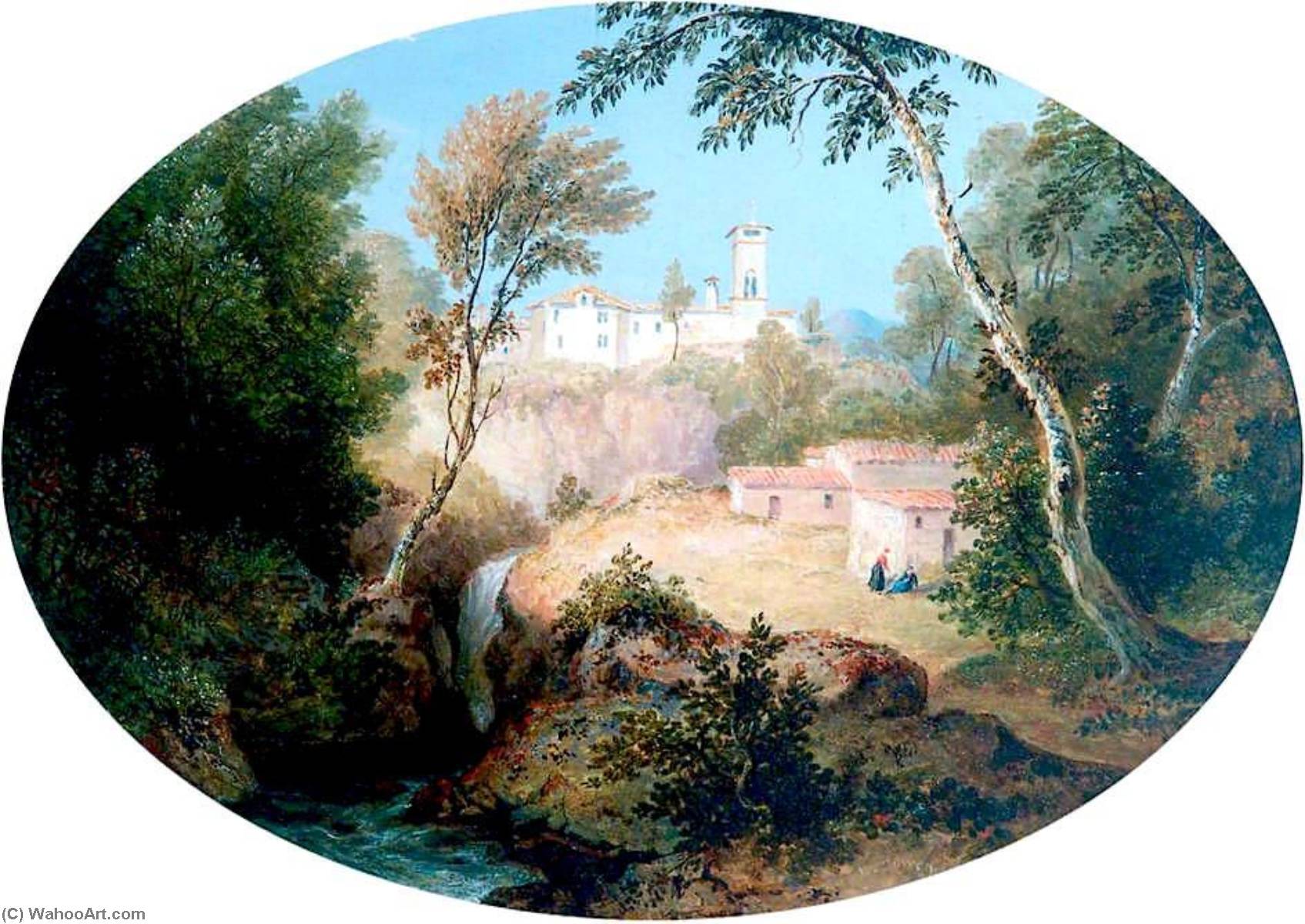
Italian Villa
 20.0 x 27.0 cm
 詳細を見る
詳細を見る
オンラインプレビューをはるかに凌ぐ、高解像度で鮮明なデジタル画像をご購入いただけます。
各ファイルは、社内の専門家が高度なツールと熟練した手作業によるレタッチを用いて、細心の注意を払って準備されています。すべての画像において、卓越した鮮明度、正確な色彩再現性、そして繊細なディテールを保証いたします。
最終ファイルは、プロフェッショナルな編集・印刷環境ですぐにご利用いただけるよう最適化された状態で、72時間以内にメールにてお届けいたします。これは、一流のデザインスタジオ、出版社、ギャラリーから信頼されているものと同等の品質です。
デジタル画像のご注文に付随する特典
高品質なデジタル画像配信を、確かな品質で。
OriginalUniqueArt.com を選ぶことは、単に画像を手に入れることではありません。それは、プロの手によって精密に仕上げられ、満足保証が付いた高品質なデジタルアートワークを受け取ることを意味します。ご注文いただいた際に自動的に付随する内容は、以下の通りです:

メールですぐにお届け
ご注文から72時間以内に、高解像度のデジタル画像ファイルがメールでお手元に届きます。すぐにそのままご利用いただけます。

AI技術で最適化されたデジタルファイル
お客様の作品は、高度なAIツールと専門家による手作業の編集を組み合わせてプロフェッショナルに最適化されており、細部のディテール、鮮明さ、そして正確な色再現性を最大限に引き出しています。

一生涯無料の再送サービス
ファイルを誤って削除したり、紛失してしまったりしましたか?ご安心ください。いつでも無料で再送いたします。

輸入手数料は一切かかりません
関税や手数料、配送料を気にすることなく、お気に入りのアートワークをすぐにお楽しみいただけます。デジタルダウンロードは常に免税です。

色彩再現の保証
プロ仕様のツールとカラーマネジメント技術を用いることで、デジタル画像が元の色を最大限に忠実に再現することを保証いたします。

60日間満足保証
ご購入いただいたデジタル画像にご満足いただけない場合は、60日以内であれば、修正または100%の返金(理由を問う必要はありません)をさせていただきます。

100% 返金保証
ご満足いただけない場合は、デジタルファイルを受け取ってから60日以内であれば、理由を問わず全額返金いたします。

まとめ買い割引
3枚購入で10%OFF - 5枚購入で15%OFF - 10枚以上購入で20%OFF。クリエイティブなプロジェクト、ギャラリー、エージェンシーに最適です。
作家の略歴
Theodore Gericault: A Revolutionary Voice of the Romantic Era
Théodore Géricault, born in Rouen, France, on September 26, 1791, and tragically dying at the young age of 32 in Paris on January 26, 1824, stands as a pivotal figure in the transition from Neoclassicism to Romanticism. More than just a painter, he was a radical innovator who challenged artistic conventions with his dramatic compositions, unflinching realism, and profound engagement with contemporary social issues. His life, marked by personal tragedy and intellectual fervor, profoundly shaped his art, resulting in works that continue to resonate with viewers today.
Géricault’s early years were steeped in the traditions of academic painting, yet he quickly demonstrated a rebellious spirit. Educated at the Lycée Louis-le-Grand, he initially studied under Carle Vernet, absorbing the techniques of depicting sporting scenes and historical events. However, it was his time with the more exacting instructor Pierre-Narcisse Guérin that instilled in him a rigorous understanding of classical anatomy and composition. Crucially, Géricault’s artistic development was profoundly influenced by his uncle, Jean-Baptiste Caruel, a wealthy merchant who fostered an environment rich in art and literature, exposing young Théodore to a diverse range of influences – from the works of Rubens and Titian to the philosophical ideas circulating within Parisian intellectual circles. This exposure would prove instrumental in shaping his artistic vision.
The Raft of the Medusa: A Monument to Human Suffering
Géricault’s most celebrated work, *The Raft of the Medusa* (1818-19), is a monumental testament to his artistic ambition and social conscience. The painting depicts the harrowing aftermath of the 1816 shipwreck of the French frigate *Medusa*, which ran aground off the coast of West Africa due to the incompetence of its captain, appointed through political patronage. The survivors, abandoned on a makeshift raft, endured thirteen days of unimaginable suffering – starvation, thirst, madness, and cannibalism – before being rescued. Géricault meticulously researched the event, interviewing survivors, studying corpses in hospitals, and even constructing a scale model of the raft to ensure anatomical accuracy and emotional impact.
Unlike traditional heroic narratives, *The Raft of the Medusa* presents a scene of abject despair and human vulnerability. The composition is deliberately chaotic, with figures writhing in agony, hope flickering amidst overwhelming hopelessness. Géricault’s use of dramatic lighting – a stormy sky casting an ominous glow over the scene – heightens the emotional intensity. The painting was initially met with controversy due to its unflinching depiction of suffering and its implicit critique of the French government's corruption. However, it quickly gained recognition as a groundbreaking work that captured the spirit of Romanticism—a movement characterized by intense emotion, individualism, and an interest in the darker aspects of human experience.
Influences and Artistic Style
Géricault’s artistic style was shaped by a complex interplay of influences. He drew inspiration from the Baroque masters, particularly Rubens, whose dynamic compositions and dramatic use of light he admired immensely. His visit to Italy in 1816 profoundly impacted his work, leading him to embrace a more expressive and emotionally charged approach. The influence of Michelangelo is also evident in his later works, particularly in *The Shipwreck of the Medusa*, which depicts the aftermath of another shipwreck caused by incompetence.
Beyond classical influences, Géricault was deeply affected by contemporary events and social injustices. He witnessed firsthand the suffering of the poor and marginalized, and he sought to portray their experiences with honesty and empathy. His paintings often featured scenes of political unrest, such as *The Invasion of the Crimea* (1819), which depicted the brutal realities of war. His commitment to realism extended beyond mere representation; he aimed to capture the psychological states of his subjects, conveying their emotions through gesture, expression, and body language.
Legacy and Historical Significance
Despite his tragically short life, Théodore Géricault left an indelible mark on the history of art. *The Raft of the Medusa* remains one of the most powerful and moving paintings ever created, a testament to human resilience in the face of unimaginable adversity. His innovative compositions, dramatic use of light and shadow, and unflinching portrayal of social injustice paved the way for future generations of Romantic artists, including Eugène Delacroix. Géricault’s willingness to challenge artistic conventions and engage with contemporary issues established him as a true revolutionary—a voice that continues to resonate with audiences today.
His work demonstrated a shift away from idealized representations towards a more honest and critical engagement with the world, solidifying his place as a key figure in the development of modern art.

william cowen
1791 - 1864 , United Kingdom
プロフィール概要
- Artistic Movement Or Style: Romanticism
- Artists Or Movements Influenced By This Artist: ['Eugène Delacroix']
- Artists Who Influenced This Artist:
- Carle Vernet
- Rubens
- Guérin
- Date Of Birth: September 26, 1791
- Date Of Death: January 26, 1824
- Full Name: Théodore Géricault
- Nationality: French
- Notable Artworks:
- The Raft of the Medusa
- Charging Chasseur
- Place Of Birth: Rouen, France

