設置イメージを確認
 送る
送る シェア
シェア
 詳細情報
詳細情報 ガイドを表示

 画像をダウンロード
 似ている作品
 X線調査
X線調査 スライドショー
 統計情報
統計情報God Judging Adam
 Acrylic On Canvas
- WallArt
- Neo Romanticism
 43.0 x 53.0 cm
 続きを読む
続きを読む
ジークレー/アートプリント
スピーディーな制作と多彩な仕上げオプションが魅力の、ミュージアムクオリティなジークレー・キャンバスプリント。 ( 手描きの複製画を注文する デジタル画像販売へ切り替え)




P118B ¥10

P118H ¥10

P118W ¥10

P438Z ¥10

P508JH ¥12

P508YH ¥12

P805H ¥10

P805Z ¥10

P919BZ ¥10

P919G ¥10

P919XJ ¥10

P959ZH ¥10

P968JZ ¥12

W106C ¥8

W218G ¥10

W218JH ¥8

W218Y ¥10

W307PJ ¥10

W316G ¥10

W316PJ ¥8

W316Y ¥10

W398PJ ¥8

W4111J ¥10

W500HY ¥15

W500JH ¥15

W692G ¥12

W849H ¥8

W940BG ¥15

W953PJ ¥8




作品のオリジナル比率に合わせた、当店の規定サイズからお選びください。

額縁や壁のスペースに合わせて、ご希望の幅と高さを入力してください。プリントはカットすることは可能ですが、元の画像より大きくすることはできないため、異なる比率のサイズを選択された場合は、画像の一部が欠けることになります。印刷を開始する前に、内容を確認していただくためのデジタルモックアップをお送りいたします。このページに表示されている画像は、実際のカット後の状態を示すものではありません。実際の仕上がりはモックアップにてご確認ください。


 ガラスオプションは、110cm未満のサイズでのみご利用いただけます。

God Judging Adam
ジークレー/アートプリント
複製画サイズ一覧
-


合計金額
¥ 12650
God Judging Adam: A Visionary Encounter with Blake’s Genius
William Blake's God Judging Adam stands as a monumental achievement in Neo Romantic art—a testament to its fervent desire for spiritual renewal and imaginative liberation. Created in the late 18th century amidst the burgeoning Industrial Revolution, this etching transcends mere visual representation; it plunges into the depths of human psychology and confronts fundamental questions about morality and divine judgment. Blake’s singular artistic vision distinguishes him from his contemporaries, establishing him as a pivotal figure in British art history.The Artistic Context: Neo Romanticism's Embrace of Emotion
Blake’s work firmly anchors itself within the Neo Romantic movement, which reacted against Enlightenment rationalism with an ardent appreciation for emotion and intuition. Artists like Blake sought inspiration in folklore, mythology, and visionary experiences—rejecting the sterile formalism favored by neoclassical painters. This movement championed individualism and celebrated the sublime beauty of nature as a conduit to spiritual understanding—themes powerfully articulated in God Judging Adam. The etching’s dramatic composition and symbolic imagery perfectly encapsulate the movement's ethos.Composition and Symbolism: A Dance of Light and Darkness
The etching’s visual narrative is meticulously crafted to convey profound theological ideas. At its core lies a seated man—representing Adam—positioned before two colossal horses, symbolizing the duality of human nature – goodness and evil. Blake employs a masterful use of chiaroscuro, highlighting Adam's figure against a backdrop of fiery light emanating from a chariot bearing God’s likeness. This juxtaposition underscores the confrontation between innocence and transgression, mirroring Genesis 3:17-19—the biblical passage describing God’s curse upon Adam for consuming the forbidden fruit. The horse imagery isn’t merely decorative; it embodies primal forces shaping human destiny.Blake's Technique: Etching as Spiritual Expression
William Blake revolutionized printmaking with his innovative technique of etching, combining relief and intaglio methods to achieve unparalleled tonal depth and textural complexity. He meticulously carved a plate from copper, creating a reverse image that was then incised with acid—a process demanding immense patience and precision. The resulting lines capture the essence of Blake’s vision, conveying both physical detail and spiritual resonance. Furthermore, Blake employed color printing—a technique rarely practiced during his time—adding vibrant hues to the print, enhancing its emotional impact and deepening its symbolic significance. This method allowed him to express ideas that would have been impossible to convey solely through monochrome engraving.Legacy and Emotional Resonance: An Enduring Masterpiece
God Judging Adam continues to captivate audiences today with its haunting beauty and intellectual depth. Its enduring appeal stems from Blake’s ability to distill complex theological concepts into a powerfully evocative visual experience—a reflection of his belief that art could illuminate the hidden truths of existence. Reproductions of this masterpiece offer collectors and interior designers alike an opportunity to engage with one of Britain's most influential artistic voices, preserving Blake’s visionary legacy for generations to come. Explore more exceptional artworks at OriginalUniqueArt—where you can discover meticulously crafted reproductions that bring the spirit of Neo Romanticism into your home.よくあるご質問
ウィリアム・ブレイク作「God Judging Adam」で主役となっている色は何ですか?
ウィリアム・ブレイク作「God Judging Adam」はEarthyのパレットを使用しており、Rosy Brown (#c6a877)が基調となっています。
ウィリアム・ブレイク作「God Judging Adam」は、Neo Romanticismの作品の中でも、高い人気を誇るものなのでしょうか?
Neo Romanticism運動において、「God Judging Adam」はIconicの知名度を誇ります。
ウィリアム・ブレイク作「God Judging Adam」 の基調となる色は何ですか?
「God Judging Adam」の中で最も際立っている色はRosy Brown (#c6a877)です。作品の主色(メインカラー)を知ることは、インテリアとのコーディネートを考える際に役立ちます。
アーティストについて
ヴィジョンと革新の世界:ウィリアム・ブレイクの生涯と芸術
ウィリアム・ブレイクは1757年11月28日にロンドンで生まれ、その生涯は時代遅れでありながらも、ロマン主義時代の最も称賛される詩人にして画家の一人となる運命にありました。彼の人生は、急速に変貌を遂げるイギリスの背景の中で展開しました—産業化、政治的混乱、そして変化する精神的な信念と向き合う世界です。ホサイヤーの息子というさえない身分から始まり、ブレイクの初期の年々には、強烈な想像力と、彼の芸術的な軌跡を深く形作った神秘体験への傾向が特徴でした。正式な学問では主に独学でしたが、若い頃に描画指導を受け、並外れた才能を示しました。ジェームズ・バサィアとの見習い期間は、技術的な熟練だけでなく、彼が後に革命を起こすことになる版画技法についての理解をもたらしました。これらの初期の影響—ウェストミンスター寺院のゴシック様式の壮大さ、ラファエルとミケランジェロの古典的な形態—彼の発展する美学の基礎となりましたが、ブレイクは決して慣習に縛られることはありませんでした。「照らされた印刷」:革新的な技法
ブレイクの芸術的革新は主題だけではありませんでした。それは彼がどのように作品を創造したかに根ざしていました。従来の版画方法に不満を感じた彼は、「照らされた印刷」と呼ばれる独自のプロセスを開発しました。このプロセスでは、銅板にテキストとイラストをエッチングし、その後、結果のプリントを手彩色します—勤勉ですが、深く個人的なアプローチであり、完全な芸術的コントロールを可能にします。「単なる詩を補完する挿絵ではなく、イメージと詩が不可分に結びついた統合された芸術形式でした。それぞれの要素が互いの意味を高めます。」彼のレリーフ版画技術は、兄弟の死後の神秘体験から生まれたものであり、伝統的な方法よりも大きな芸術的自由度をもたらす、独特の質感を与えました。版画以外にも、ブレイクは水彩やテンペラ絵具を使用し、象徴的な重みを帯びた聖書の場面や幻想的な主題を描きました。彼のスタイルを特徴づける重要な点は、線形遠近法を拒否し、より感情的で象徴的な表現—彼の神秘的な世界に鑑賞者を誘い込む空間の平坦化を採用したことです。無邪気さ、経験、そして反逆のテーマ
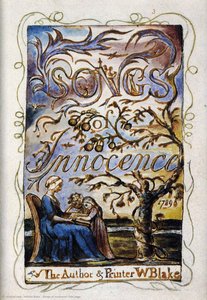
ブレイクの芸術作品の中核は、深遠なテーマを探求することにあります:無邪気さと経験という二面性、理性制約に対する想像力の解放力、そして社会規範への激しい批判です。《無邪気さと経験の歌》(1794) は、おそらく彼の最もアクセスしやすい作品であり、詩と芸術における彼の卓越した才能を示しています。ブレイクは自身でこのコレクションを印刷し、「照らされた印刷」と呼ばれる革新的な技術を使用しました。まず、銅板にテキストとイメージを裏向きに同時に加え、耐酸性のインクを使用して行間にスペースを作りました。最初の印刷後、水彩を使って本の個々の版に追加の詳細が加えられました。彼は自身の作品が国家的に重要であり、彼の同時代の多くの人が理解できると信じていました。ブレイクは芸術家としての彼の業績だけではなく、創造的な自由への揺るぎないコミットメント—理性や制約に支配されがちな世界において、想像力の永続的な力に対する証なのです。再発見された遺産:ブレイクの持続的な影響
生涯の間、ウィリアム・ブレイクは主に軽視され、多くの同時代人に誤解されていました。彼の作品はしばしば風変わりまたは狂気と見なされました。彼は人生の多くを経済的に苦労し、コミッションや小さなパトロングループの支援に頼っていました。しかし、彼の死後数十年が経過するにつれて、ブレイクの名声は着実に高まりました。「前ラファエル派兄弟」は、彼のビジョナリーなスタイルと象徴的なイメージに魅了され、彼を同志として受け入れました。その後の運動—象徴主義と現代主義—彼の想像力、主観的経験、そして精神的なテーマへの重点において共鳴を見出しました。今日、ウィリアム・ブレイクはロマン主義運動における重要な人物として認識されています。彼の作品は詩人、画家、学者の分野を超えて、今もなお多くの人にインスピレーションを与え続けています。彼の複雑な哲学および宗教的なアイデアを芸術を通して探求することは、依然として非常に重要であり、私たちに従来の知恵に疑問を持ち、個人のビジョンの力を受け入れるよう促しています。
ウィリアム・ブレイク
1757 - 1827 , イギリス
アーティスト情報
- フルネーム: ウィリアム・ブレイク
- 主な作品:
- 無垢なる歌と経験の歌
- 天と地獄の結婚
- トラ
- 出生地: ロンドン、イギリス
- 国籍: イギリス人
- 影響を与えたアーティスト:
- プレ・ラファエル派
- 象徴主義
- モダニズム
- 影響を受けたアーティスト:
- ラファエロ
- ミケランジェロ
- 没年月日: 1827年8月12日
- 生年月日: 1757年11月28日
- 芸術運動またはスタイル: ロマン主義
関連記事

Etching: A Historical Survey of Technique, Aesthetic Qualities & Enduring Artistic Significance
Explore the rich history of etching, from its origins to Rembrandt's masterful innovations. Discover the technique, aesthetic qualities & enduring legacy of this captivating art form. Expert insights for collectors and enthusiasts.

The Intricate World of Etching: A Historical Survey of Technique, Aesthetic Evolution, and Enduring Artistic Impact
Explore the rich history of etching, from its origins to modern practice. Discover techniques, key artists like Rembrandt, and insights for collectors. A comprehensive guide by OriginalUniqueArt.
Neo-Classicism's Greatest Hits: 10 Masterpieces for Your Home |
Journey through Neo-Classicism's finest! Explore 10 iconic masterpieces by David, Ingres & Canova. Discover art history, techniques & timeless beauty – perfect for inspiring your home decor. Find museum-quality reproductions at
Etching Masters: 10 Legendary Prints That Revolutionized Art | OriginalUniqueArt
Journey through 10 legendary etching masterpieces by Rembrandt, Dürer & Goya. Explore the history of printmaking and discover timeless art for your home. Find museum-quality reproductions at OriginalUniqueArt.com.

William Blake: Romantic Visionary & Mystical Genius of the Imagination
Explore the mystical art & poetic genius of William Blake (1757-1827). Discover his revolutionary illuminated printing, rich symbolism, and lasting influence on Romanticism. Find handmade reproductions at OriginalUniqueArt.