
 設置イメージを確認
 送る
送る シェア
シェア
 詳細情報
詳細情報 ガイドを表示

 画像をダウンロード
 似ている作品
 X線調査
X線調査 スライドショー
 Q&A
Q&A 統計情報
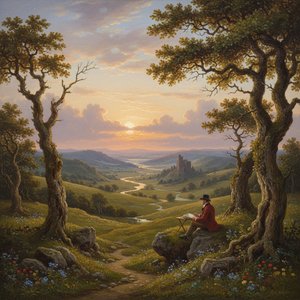
統計情報The Ambush, 1745

- 123.0 x 153.0 cm


 続きを読む
続きを読む
ジークレー/アートプリント
スピーディーな制作と多彩な仕上げオプションが魅力の、ミュージアムクオリティなジークレー・キャンバスプリント。 ( 手描きの複製画を注文する デジタル画像販売へ切り替え)




































作品のオリジナル比率に合わせた、当店の規定サイズからお選びください。

額縁や壁のスペースに合わせて、ご希望の幅と高さを入力してください。プリントはカットすることは可能ですが、元の画像より大きくすることはできないため、異なる比率のサイズを選択された場合は、画像の一部が欠けることになります。印刷を開始する前に、内容を確認していただくためのデジタルモックアップをお送りいたします。このページに表示されている画像は、実際のカット後の状態を示すものではありません。実際の仕上がりはモックアップにてご確認ください。


 ガラスオプションは、110cm未満のサイズでのみご利用いただけます。

The Ambush, 1745
ジークレー/アートプリント
複製画サイズ一覧
-


合計金額
¥ 12626
アーティストについて
William Barnes Wollen: A Master of Victorian Military Art
William Barnes Wollen, a name perhaps less familiar than some of his contemporaries, stands as a pivotal figure in the history of British military art. Born in Leipzig, Germany, in 1857, and passing away in London in 1936, his life was inextricably linked to the dramatic events unfolding across Europe during the late Victorian and Edwardian eras. Wollen’s career wasn't defined by grand salons or courtly commissions; instead, he found his voice amidst the tumult of war and empire, meticulously documenting battles, campaigns, and the lives of soldiers – a testament to his keen observational skills and profound understanding of human drama under pressure. His work offers a uniquely visceral glimpse into a bygone era, capturing not just the spectacle of conflict but also the courage, sacrifice, and often brutal realities faced by those who fought in its name.Early Life and Artistic Training
Wollen’s early life was marked by a restless spirit and a burgeoning artistic talent. He initially studied at University College School in London before pursuing formal training at the Slade School of Fine Art, where he honed his skills in drawing and painting under the tutelage of established artists. This foundation proved crucial as he transitioned from academic pursuits to a career dedicated to capturing the immediacy of military life. Unlike many artists who sought romanticized depictions of heroism, Wollen’s early works already demonstrated an interest in realism and a willingness to portray the gritty details of combat – a characteristic that would become increasingly prominent throughout his career. His initial exposure to art was influenced by the prevailing trends of the time, including the influence of French Impressionism, which subtly informed his approach to light, color, and composition.The Rise of a Military Artist
Wollen’s breakthrough came with his depiction of Private Andrews being rescued from the Motee Mahal during the Siege of Lucknow in 1879 – an event that quickly gained recognition for its dramatic intensity and realistic portrayal of heroism. This marked the beginning of a prolific period where he produced over thirty battle and campaign paintings, primarily exhibited at Burlington House. He wasn’t simply illustrating historical events; he was actively seeking to understand and represent the experience of war firsthand. Crucially, Wollen's artistic journey coincided with a surge in public interest in military affairs, fueled by colonial expansion and ongoing conflicts. This created a receptive audience for his work, which offered a visual record of these momentous occasions.South Africa and the Boer War
Perhaps the most significant chapter in Wollen’s career unfolded during the Second Boer War (1899-1902). Appointed as a special artist by *The Sphere*, a new illustrated newspaper, he travelled to South Africa to document the conflict. This experience profoundly shaped his artistic vision and cemented his reputation as a skilled military painter. He meticulously observed battles like Abu Klea and Waggon Hill, capturing not just the strategic maneuvers but also the emotional toll on the soldiers involved. Paintings such as “The Imperial Light Horse at Waggon Hill” and “The Victoria Cross” are particularly compelling examples of this period, showcasing his ability to convey both the grandeur of military action and the individual stories within it. These works demonstrated a shift towards greater realism and psychological depth, moving beyond mere depictions of combat to explore themes of courage, loss, and the human cost of war.World War I and Beyond
As Europe plunged into World War I, Wollen continued his artistic output, producing a series of powerful paintings that reflected the scale and brutality of the conflict. Works like “Defeat of the Prussian Guard, Ypres, 1914” and "Semper Fidelis: The Last Stand of the 2nd Devons at Bois des Buttes" vividly portray the desperate struggles on the Western Front. He also documented lesser-known engagements, demonstrating a commitment to representing the diverse experiences of British soldiers across various theaters of war. Even in his later years, Wollen remained dedicated to capturing the essence of military life, producing evocative scenes from earlier conflicts and illustrating historical events with meticulous detail. His final works, including depictions of the American Revolution and the Crimean War, stand as a testament to his enduring fascination with history and his remarkable ability to translate it onto canvas.Legacy and Significance
William Barnes Wollen’s legacy lies not in grand pronouncements or revolutionary techniques but in his unwavering commitment to documenting the realities of war through powerful visual narratives. He was a keen observer, a skilled artist, and a dedicated recorder of history. His paintings offer invaluable insights into the lives of soldiers during a turbulent period, providing a poignant reminder of the sacrifices made in the name of empire and nationhood. While overshadowed by some of his more flamboyant contemporaries, Wollen’s work continues to be appreciated for its realism, emotional depth, and historical significance – solidifying his place as a significant figure in the history of British military art. His paintings are now housed in collections such as the Royal Green Jackets Museum and the National Army Museum, ensuring that his artistic legacy endures for future generations.
William Barns Wollen
1857 - 1936
アーティスト情報
- Full Name: William Barnes Wollen
- Nationality: British
- Date Of Birth: 1857
- Date Of Death: 1936
- Place Of Birth: Leipzig, Germany
- Notable Artworks:
- The Patrol
- Guardians of the Law, 1745
- The Ambush, 1745
- Artistic Movement Or Style: Military art/Impressionism
- Artists Who Influenced This Artist:
- Woodville
- Hillingford
- Artists Or Movements Influenced By This Artist: ['Military art']
関連記事
John Varley I: Intimate Observation & the British Romantic Landscape
Explore the serene landscapes of John Varley I, a key figure in British Romanticism. Discover his unique watercolour style, collaboration with William Blake & lasting artistic legacy. Learn about collecting Varley's work.

Evocations of Place: A Historical Journey Through Landscape Art
Explore the rich history of landscape art with OriginalUniqueArt. Discover renowned artists, movements like Impressionism & Romanticism, and expert guidance for collecting timeless pieces. Find your perfect serene escape today!

William James Müller: Navigating Victorian Sentiment & Realism in British Landscape Painting
Explore the captivating landscapes of William James Müller, the leading artist of the Bristol School. Discover his Victorian masterpieces, Egyptian travels & Lycian sketches – a journey through 19th-century art and technique.

ロマン派ランドスケープ:時代を彩る巨匠の10選|アートとインテリアの世界
ロマン派絵画の時代を彩る10選。巨匠たちの風景が織りなす感動の世界へ。ターナー、ルーベンスなど、名作の裏話と高精細複製でアートをお部屋に。OriginalUniqueArt.comで至福のアート体験を。

ジョン・コンスタブルの傑作25選:英国風景画の巨匠が描く自然と光の詩 | OriginalUniqueArt
ジョン・コンスタブルの傑作25選。英国風景画の巨匠が描く自然と光の詩の世界へ。ロマン主義を代表する絵画、デダム・ヴェールやヘイ・ウェインなど、OriginalUniqueArtで高品質なアートプリントをお楽しみください。インテリアに深みと感動を。コレクションはこちら。