設置イメージを確認
 送る
送る シェア
シェア
 詳細情報
詳細情報 ガイドを表示

 画像をダウンロード
 似ている作品
 X線調査
X線調査 スライドショー
 Q&A
Q&A 統計情報
統計情報Painting


 続きを読む
続きを読む
このページに掲載されている作品は著作権法によって保護されており、当社の許可なく同一の複製物を制作または販売することは法律で禁じられています。この保護は、以下のような国際条約に基づき執行されます。 ベルヌ条約 および、以下の条項に定められたものを含む各国の法律により、 米国著作権法 第17編。
この手法は、著作権で保護された作品の複製や複写を伴わないため、著作権法に完全に準拠しています。これは単なる模倣ではなく、創造的な再解釈です。元の作品からインスピレーションを受けつつも、それとは異なる、全く新しい絵画を生み出すものです。
ジークレー/アートプリント
スピーディーな制作と多彩な仕上げオプションが魅力の、ミュージアムクオリティなジークレー・キャンバスプリント。 ( 手描きの複製画を注文する デジタル画像販売へ切り替え)




P118B ¥10

P118H ¥10

P118W ¥10

P438Z ¥10

P508JH ¥12

P508YH ¥12

P805H ¥10

P805Z ¥10

P919BZ ¥10

P919G ¥10

P919XJ ¥10

P959ZH ¥10

P968JZ ¥12

W106C ¥8

W218G ¥10

W218JH ¥8

W218Y ¥10

W307PJ ¥10

W316G ¥10

W316PJ ¥8

W316Y ¥10

W398PJ ¥8

W4111J ¥10

W500HY ¥15

W500JH ¥15

W692G ¥12

W849H ¥8

W940BG ¥15

W953PJ ¥8




作品のオリジナル比率に合わせた、当店の規定サイズからお選びください。

額縁や壁のスペースに合わせて、ご希望の幅と高さを入力してください。プリントはカットすることは可能ですが、元の画像より大きくすることはできないため、異なる比率のサイズを選択された場合は、画像の一部が欠けることになります。印刷を開始する前に、内容を確認していただくためのデジタルモックアップをお送りいたします。このページに表示されている画像は、実際のカット後の状態を示すものではありません。実際の仕上がりはモックアップにてご確認ください。


 ガラスオプションは、110cm未満のサイズでのみご利用いただけます。

Painting
ジークレー/アートプリント
複製画サイズ一覧
-


合計金額
¥ 12587
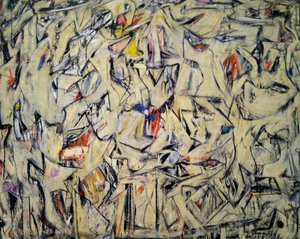
A Dance of Chaos and Control: Willem de Kooning’s “Painting” (1948)
Willem de Kooning's "Painting," completed in 1948, isn’t merely a canvas adorned with black and white; it’s an embodiment of the turbulent energy that defined Abstract Expressionism at its nascent stage. This monumental work, measuring over four by five feet, immediately commands attention not through representational imagery – there is none to be found – but through a visceral engagement with line, form, and texture. De Kooning, a pivotal figure in American art’s post-war transformation, wasn't interested in replicating the world; he sought to distill its essence, its anxieties, and its raw vitality onto the surface of the canvas.
The painting’s genesis lies within de Kooning’s exploration of the human form, a subject he had wrestled with for decades. However, by 1948, this engagement shifted dramatically. Rather than meticulously rendering figures, he began transferring fragmented sketches – hints of limbs, torsos, and even suggestive anatomical details – onto the canvas as a starting point. These ghostly outlines then became the foundation for a dynamic process of layering, scraping, and reworking. The result is a complex interplay between control and chaos, a deliberate tension that mirrors the artist’s own internal state during this period.
The Language of Line and Gesture
De Kooning's technique in "Painting" is nothing short of revolutionary. He eschewed traditional brushwork, favoring instead a rapid, almost frantic application of paint – primarily enamel sign paint, a readily available industrial product – using his fingers, palette knives, and even rags to manipulate the medium. The lines aren’t clean or precise; they are jagged, broken, and often overlapping, creating a sense of movement and instability. Thick impasto areas contrast sharply with thinner washes, adding depth and texture to the composition. The painting is not built up gradually but rather through a series of impulsive gestures, as if the artist were wrestling with the image itself.
Notice how the black forms, delineated by stark white lines, seem to both define and dissolve into one another. These shapes aren’t static; they vibrate with an internal energy, suggesting a constant state of flux. The use of negative space is equally crucial – the areas *between* the forms are just as important as the forms themselves, contributing to the painting's overall sense of dynamism.
Symbolism and Emotional Resonance
While de Kooning vehemently resisted assigning definitive meaning to his work, "Painting" undeniably evokes a powerful emotional response. The fragmented figures, reminiscent of both human anatomy and abstract shapes, can be interpreted as representing the anxieties and uncertainties of post-war America. The painting’s chaotic composition mirrors the social and political upheaval of the time, while its stark black and white palette suggests a sense of isolation and alienation.
Some viewers have identified hints of female forms within the abstract shapes – breasts, limbs, even suggestive buttocks – reflecting de Kooning's ongoing exploration of the feminine. However, these figures are never fully realized; they remain elusive and ambiguous, adding to the painting’s unsettling power. The overall effect is one of intense emotionality, a raw expression of the artist’s inner turmoil.
A Legacy of Abstraction
"Painting" stands as a pivotal work in de Kooning's oeuvre and a cornerstone of Abstract Expressionism. Its innovative technique, its exploration of form and gesture, and its profound emotional resonance continue to captivate viewers today. The painting’s influence can be seen in the works of countless artists who followed in de Kooning’s footsteps, solidifying his place as one of the most important figures in 20th-century art. Reproductions of this dynamic masterpiece offer a glimpse into the mind of a visionary artist grappling with the complexities of modern life.
よくあるご質問
ヴィレム・デ・クーニング作「Painting」にはどのような技法が用いられていますか?
ヴィレム・デ・クーニングは、「Painting」においてAcrylic On Canvasの技法を用いています。この技法が、原画の素材としての性質を決定づけています。
Paintingは、ヴィレム・デ・クーニングのキャリアにおけるどの時期の作品にあたりますか?
「Painting」は、ヴィレム・デ・クーニングのキャリアにおけるMature Periodに属します。この分類は、作品をアーティストの画業の変遷に関連付けるものです。
ヴィレム・デ・クーニング作「Painting」の向き(横長・縦長)はどちらですか?
ヴィレム・デ・クーニング作「Painting」はLandscape形式です。この形式は、構図の比率を表しています。
アーティストについて
ウィレム・デ・クーニング:抽象表現主義の魂
ウィレム・デ・クーニングは、20世紀美術史における最も重要な人物の一人として、その名が知られています。1904年、オランダのロッテルダムに生まれ、幼少期を経験した家族の離別は、彼の内に常に漂う探求心と焦燥感を育んだのかもしれません。12歳で学校教育を終え、商業美術の工房で技術を磨きながらも、既存の枠組みからの解放を求める渇望が、彼をアメリカへと駆り立てました。1926年、彼は密航という形で新大陸に足を踏み入れ、ニューヨークは彼の芸術的変貌の舞台となりました。家屋塗装や木工といった仕事を通して生活を支えながらも、デ・クーニングは都市の喧騒とエネルギーを吸収し、独自の表現へと昇華させていったのです。都市の風景から抽象への転換
初期の作品には、ニューヨークの街並みや人々を描いたものが多く見られます。しかし、それらはあくまで通過点であり、より深く感情と形を探求するための準備期間でした。アルシーレ・ゴルキーとの出会いは、彼の芸術人生における転換点となりました。ゴルキーはデ・クーニングに抽象への扉を開き、伝統的な表現を解体し、より本質的な何かを追求する勇気を与えました。1930年代には、WPA(公共事業促進局)を通じて社会派のリアリズム作品にも取り組みましたが、それは彼の技術を磨く一方で、純粋な表象だけでは満たされない想いを強くしました。スタウト・デイビスやジョン・グラハムといった先駆者たちの影響を受けながら、彼は徐々に抽象的な表現へと傾倒していったのです。「女性」シリーズ:芸術的ランドマーク
第二次世界大戦後、デ・クーニングは抽象表現主義運動の中心人物として台頭しました。この時期に制作された「女性」シリーズ(1950年 - 1953年)は、彼のキャリアにおける最も重要な業績の一つです。《Woman I》をはじめとするこれらの作品は、単なる女性像の描写ではなく、女性性、セクシュアリティ、そして人間の感情の複雑さを探求する激しい試みでした。荒々しい筆致、断片化された形態、そして対照的な色彩の組み合わせによって、「女性」シリーズは従来の美の概念を覆し、観る者に衝撃を与えました。それは、理想化されたイメージを描くことを拒否し、被写体の生々しい本質を捉えようとした彼の姿勢の表れでした。《グレイザー》や《発掘作業》といった作品も、テクスチャ、色彩、構成に対する卓越した技術力を示しており、混沌や曖昧さを芸術的表現の一部として積極的に受け入れたことが伺えます。進化する風景と不朽の遺産
1960年代以降、デ・クーニングのスタイルは新たな展開を見せ始めます。抽象性は依然として彼の作品の中心に位置づけられていましたが、風景要素がより重要な役割を果すようになり、明るい色彩と流動的な筆致が特徴となりました。彼は生涯を通じて実験を続け、様々な技法や素材を探求し、決して現状に満足することはありませんでした。晩年の作品は、その核心となる芸術的原則に忠実でありながらも、自己変革を続ける驚くべき能力を示しています。ウィレム・デ・クーニングの歴史的な意義は否定できません。彼はニューヨークを世界の美術の中心地へと押し上げ、ヨーロッパの伝統に挑戦し、次世代のアーティストたちの道を切り開きました。彼の作品は今なお多くの人々に感動と議論を呼び起こし、抽象表現が人間の深遠な感情を伝える力を持つことを改めて認識させてくれます。1997年、デ・クーニングは永眠しましたが、その不朽の遺産は、20世紀美術における彼の揺るぎない貢献を証しています。彼の影響力は今もなお色褪せることなく、私たちに響き続けています。
ヴィレム・デ・クーニング
1904 - 1997 , オランダ
アーティスト情報
- フルネーム: ウィレム・デ・クーニング
- 主な作品:
- Woman I
- マリリン・モンロー
- 再cline Man (JFK)
- 発掘
- 出生地: ロッテルダム、オランダ
- 国籍: オランダ系アメリカ人
- 影響を与えたアーティストまたは運動: ['ニューヨークスクール']
- 影響を受けたアーティスト:
- アルシル・ゴルキー
- スチュアート・デイビス
- ジョン・グラハム
- 死亡年月日: 1997年3月19日
- 生年月日: 1904年4月24日
- 芸術運動またはスタイル: 抽象表現主義
関連記事

Kandinsky's Masterpieces: 25 Paintings That Define Abstract Art | OriginalUniqueArt
Journey through Wassily Kandinsky's 25 most iconic abstract paintings. Explore his revolutionary use of color, form & spiritual expressionism. Find museum-quality Kandinsky reproductions and elevate your home decor with OriginalUniqueArt.com. Discover all masterpieces on OriginalUniqueArt.com!

Willem de Kooning: Abstraction, Gesture & the Evolution of Post-War American Painting
Explore the evolution of Willem de Kooning's iconic Abstract Expressionist paintings. Discover his signature style, key themes & investment potential with expert insights for discerning art collectors.

抽象表現主義を定義する十大傑作:芸術と装飾の深遠な旅
抽象表現主義を定義する10の傑作。ポロック、ロスコら巨匠たちの情熱と色彩の世界へ。各作品に込められた物語と技法を紐解き、至高のアート体験を。OriginalUniqueArt.comで、ミュージアムクオリティの複製画や洗練されたインテリアアイデアを発見してください。

ゴヤ傑作25選:スペインの魂を揺さぶる、深遠な芸術の世界 | OriginalUniqueArt
ゴヤ傑作25選:ロマン主義を代表するスペインの巨匠、フランシスコ・デ・ゴヤの世界へ。黒衣の女からマハまで、魂を揺さぶる絵画の物語と技法を紐解きます。OriginalUniqueArtで高品質なアートレプリカを見つけ、インテリアに深みと風格を。今すぐコレクションをご覧ください。

Beyond Representation: Exploring the Emotional Landscape of Abstract Expressionism
Explore the profound emotional world of Abstract Expressionism with OriginalUniqueArt. Discover key artists like Pollock & Rothko, learn about collecting, and find museum-quality reproductions to inspire your space.