プリント版に切り替え
 詳細を表示
詳細を表示







































 いずれかの辺が105 cm(約41インチ)を超えるアートワークまたは複製画の場合、フレームは分解されたキットの状態でお届けいたします。この方法は、輸送中の破損を防ぎ、安全に配送するために採用しております。


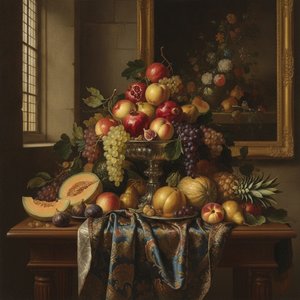
A Still Life of Quiet Contemplation: Willem Claesz Heda’s Wawel Masterpiece
The painting “Still Life” by Willem Claesz Heda, completed in 1637, transcends mere representation; it embodies the spirit of its time—a moment captured with breathtaking precision and imbued with a subtle contemplation on mortality. Located at Wawel Royal Castle in Krakow, Poland, this artwork stands as one of nine signed Still lifes produced by Heda that year, cementing his reputation as a master of the monochrome banquet genre and elevating him to the ranks of Dutch artistic luminaries alongside Pieter Claesz.- Subject Matter: The composition centers around an austere table draped in dark green cloth, upon which rests a carefully arranged assortment of objects—primarily foodstuffs and tableware. Notably prominent is a brass ewer, affectionately nicknamed “Jan Steen’s Ewer,” alongside a silver mug, reflecting the artist's penchant for incorporating familiar motifs into his work.
- Style & Technique: Heda’s signature style is characterized by its remarkable restraint and meticulous observation. He eschewed grand gestures or dramatic narratives, opting instead for an almost unnerving stillness that invites viewers to linger on the subtle nuances of light and texture. The artist employed a masterful technique—oil paint on canvas—allowing him to achieve unparalleled realism in capturing the surfaces of his subjects. Light plays a crucial role, illuminating each item with diffused brilliance, creating an illusionistic depth that draws the eye inward.
Historical Context: The Dawn of Baroque Still Life
The 1630s marked a pivotal period in Dutch art history—the burgeoning influence of Baroque aesthetics began to reshape artistic sensibilities. While Heda’s work predates the full flowering of Baroque grandeur, it nonetheless anticipates its stylistic concerns. Like Claesz and other contemporaries, Heda wrestled with ideas surrounding *vanitas*, Latin for “nothingness,” a concept deeply rooted in Renaissance humanism but gaining increasing resonance during this era. The objects depicted—the fruit, the pewter dish containing mustard, the goblet—serve as potent symbols of earthly pleasures destined to decay, prompting reflection on the brevity of life and the inevitability of death.- Symbolism: Beyond its visual beauty, “Still Life” is laden with symbolic significance. The dark green cloth represents mourning, while the curled tablecloth underscores the passage of time. Each item—the ewer, the mug, the goblet—is meticulously rendered to convey not only their physical appearance but also their association with rituals of consumption and remembrance.
- Emotional Impact: Heda’s paintings don't provoke emotional upheaval; rather, they elicit a quiet sense of melancholy and awareness. The stillness of the scene encourages contemplation on themes of mortality and impermanence—a hallmark of Baroque art’s preoccupation with existential questions.
A Legacy of Precision: Heda’s Influence on Artistic Tradition
Willem Claesz Heda's dedication to capturing the essence of everyday objects elevated him to the status of artistic icon. His meticulous approach—often repeating motifs and experimenting with subtle variations—established a precedent for future generations of painters striving for realism and illusionism. “Still Life” remains an enduring testament to his genius, demonstrating that profound beauty can be found in simplicity and inviting viewers to engage in a dialogue about the human condition. Its placement at Wawel Royal Castle ensures its continued appreciation as a masterpiece of Dutch Baroque art.Q&A
注文前にヴィレム・クラースス・ヘダ作「Still Life」をプレビューすることはできますか?
「Still Life」の設置イメージページでは、ご注文前に作品をプレビューいただけます。
1637年に「Still Life」を制作した際、ヴィレム・クラースス・ヘダは何歳でしたか?
ヴィレム・クラースス・ヘダは、1637年に「Still Life」を制作した際、43歳でした。この年齢は、アーティストの誕生年である1594年から算出されています。
ヴィレム・クラースス・ヘダ作「Still Life」は、有名な作品ですか?
ヴィレム・クラースス・ヘダ作「Still Life」 の人気度は Recognized です。この分類は、その作品がどの程度広く知られているかを表しています。
この絵画の詳細を見る
 設置イメージを表示
 シェアする
シェアする シェアする
シェアする
 詳細を見る
詳細を見る ガイドを表示

 ダウンロード
 似ている作品
 X線調査
X線調査 スライドショーを表示
 Q&A
Q&A 統計情報
統計情報