

 プレビュー
プレビュー
 プリントを購入
 シェアする
シェアする シェアする
シェアする
 詳細を見る
詳細を見る

 ダウンロード
 似ている作品
 X線調査
X線調査 スライドショー
Italian Landscape


 詳細を見る
詳細を見る




P118B $10

P118H $10

P118W $10

P438Z $10

P508JH $12

P508YH $12

P805H $10

P805Z $10

P919BZ $10

P919G $10

P919XJ $10

P959ZH $10

P968JZ $12

W106C $8

W218G $10

W218JH $8

W218Y $10

W307PJ $10

W316G $10

W316PJ $8

W316Y $10

W398PJ $8

W4111J $10

W500HY $15

W500JH $15

W692G $12

W849H $8

W940BG $15

W953PJ $8




作品のオリジナル比率に合わせた、当店の規定サイズからお選びください。

特定のフレームやスペースに合わせて、ご希望のサイズをご入力いただけます。選択されたサイズが元の画像の比率と異なる場合、アートワークをトリミングするか、手描きで要素を追加して絵画を拡張いたします。デジタルモックアップ を制作し、制作開始前にご確認(承認)をいただきます。
画面上のプレビューは、実際のトリミングや拡張を正確に反映しているものではありません。最終的な構図は、モックアップによってのみ正確にご確認いただけます。
カスタムサイズもご利用いただけますが、元の比率を維持するためには、あらかじめ用意されたリストからサイズを選択することをお勧めいたします。
ご注文後、OriginalUniqueArt.com チームより詳細な指示をお送りするとともに、仕上がりイメージ(モックアップ)をご提供いたします。


 ガラスオプションは、110cm未満のサイズでのみご利用いただけます。

Italian Landscape
複製技法
複製画のサイズ
-


合計金額
$ 300
作品解説
Washington Allston’s “Italian Landscape”: A Vision of Romantic Transcendence
The painting "Italian Landscape" by Washington Allston stands as a cornerstone of American Romanticism, capturing not merely a picturesque vista but an ambitious exploration of the human spirit's yearning for sublime beauty and spiritual connection. Completed in 1828, this monumental canvas—measuring approximately six feet by eight feet—immediately draws the eye with its masterful depiction of a Tuscan hillside bathed in ethereal moonlight. Yet, to appreciate its true significance requires delving beyond surface impressions into Allston’s artistic philosophy and the broader cultural currents shaping his era.A Pioneer's Romantic Vision
Born in Georgetown, South Carolina, in 1779, Washington Allston emerged as a singular voice amidst the burgeoning American artistic landscape. His formative years instilled within him a profound appreciation for the grandeur of nature—a sentiment powerfully echoed throughout his oeuvre. Unlike many of his contemporaries who favored Neoclassical formalism, Allston championed a bold departure toward expressive color and dramatic composition, aligning himself firmly with the Romantic movement’s rejection of rational restraint. Influenced by German Idealism and deeply moved by Coleridge's poetic explorations of imagination and emotion, Allston sought to convey not just what he saw but what he *felt*, striving to capture the sublime—that paradoxical blend of terror and awe experienced when confronted with overwhelming natural forces.Technique and Atmosphere: Mastering Moonlight
Allston’s technique exemplifies this Romantic impulse. He employed a layered glazing process, meticulously building up translucent washes of color to achieve an unparalleled luminosity and atmospheric depth. The artist's keen observation of moonlight—a subject he revisited repeatedly throughout his career—is particularly evident here. Rather than simply reproducing the visual appearance of moonlight, Allston wrestled with its psychological impact, attempting to distill its essence into pigment. He skillfully utilized complementary colors—particularly blues and oranges—to create a palpable sense of warmth against the cool luminescence of the moonlit sky. The brushstrokes themselves are loose and expressive, conveying movement and suggesting an unseen wind rustling through the foliage. This deliberate disregard for photographic accuracy underscores Allston’s conviction that art should transcend mere representation to evoke profound emotional responses.Symbolism Within Beauty: Echoes of Transcendence
Beyond its technical prowess, “Italian Landscape” resonates with symbolic significance. The solitary figure seated beneath the tree—a motif recurrent in Allston's work—represents humanity grappling with existential questions amidst the immensity of nature. This contemplative posture suggests a desire for spiritual contemplation and an acknowledgement of our insignificance within the cosmos. The castle looming on the horizon serves as a reminder of human ambition and civilization’s limitations, juxtaposed against the enduring power of the natural world. Allston's deliberate inclusion of these elements invites viewers to contemplate themes of mortality, faith, and the pursuit of transcendent experience—core tenets of Romantic thought.Emotional Resonance: A Legacy of Sublime Impression
Ultimately, “Italian Landscape” succeeds in conveying a profound emotional resonance. The painting’s serene yet melancholic beauty captures the sublime—that elusive state of awe mingled with terror—with remarkable sensitivity. It speaks to our innate longing for connection with something greater than ourselves and reminds us that true understanding comes not from intellectual analysis but from visceral experience. Allston's masterpiece continues to inspire artists and collectors alike, cementing its place as a seminal work of American Romanticism and a testament to the transformative power of art to illuminate the human condition. Its enduring appeal lies in its ability to transport viewers into a realm where beauty and contemplation converge—a timeless invitation to embrace the sublime grandeur of the natural world.アーティストの略歴
アメリカ・ロマン主義の先駆者
ワシントン・オールストンという名は、同時代の他の画家たちに比べると、すぐには聞き馴染みのないものかもしれません。しかし、彼はアメリカ美術の発展において極めて重要な地位を占めています。1779年11月5日、サウスカロライナの米プランテーションで生まれた彼の幼少期の風景は、後の芸術的感性に密かな影響を与えることとなります。オールストンの生涯は、知的な探求と美学的な実験に満ちたものでした。その若き日々には、特権的な環境と複雑な背景が共存していました。独立戦争における父の死という家族の喪失、そしてプランテーション生活の現実が、彼の世界観を形作ったことは疑いようもありません。ハーバード大学での確かな教育は、芽生えつつあった芸術的野心の礎となりましたが、彼の創造的精神に真の火を灯したのは、1801年のヨーロッパへの旅でした。ヨーロッパの影響と芸術的形成
ロンドンはオールストンにとって、まさに試練と変革の場(クルーシブル)となりました。彼は、イギリス美術の重要人物であり、ヨーロッパの伝統とアメリカの志を繋ぐ架け橋となったサー・ベンジャミン・ウェストの指導の下、王立芸術院学校に入学しました。この時期は、彼の人生において決定的な転換点となります。彼は「オールド・マスター」たちの作品に没頭し、特にヴェネツィア・ルネサンスの画家たちが極めた光と色彩、そして空気遠近法の技法は、彼自身のスタイルに深い影響を及ぼしました。パリやイタリアを中心としたヨーロッパ各地への旅は、彼を豊かな芸術的遺産へと導き、ワシントン・アーヴィングやサミュエル・テイラー・コールリッジといった偉大な知性たちとの交流をもたらしました。これらの友情は単なる社交の域を超え、オールストンの作品に文学的・哲学的な深みを与えるロマン主義的思想の合流点となったのです。彼は単に目にしたものを模倣したのではなく、感情、想像力、そして「崇高(サブライム)」への憧憬によって定義される時代の精神を、自らの内に吸収していったのです。独自の「アメリカの声」
1818年にアメリカへ帰国した後、オールストンはマサチューセッツ州ケンブリッジに定住し、独自の「アメリカ的ロマン主義」の美学を築き上げ始めました。彼の絵画は単なる写実的な描写を超え、観る者の感情や精神に訴えかけることを目的としていました。ヴェネツィアの巨匠との様式的な親和性から、しばしば「アメリカのティツィアーノ」と称賛されましたが、その比喩だけでは彼のビジョンの独創性を完全にとらえることはできません。ボストン美術館に収蔵されている『海に立ち上がる嵐』や『月光の風景』といった作品は、光と影の劇的な用法、自然の力強さと神秘を伝える能力、そして聖書物語に由来する文学的テーマへの探求を見事に体現しています。彼は単に風景を描いていたのではありません。畏敬と驚嘆の念が込められた「視覚的な詩」を紡ぎ出していたのです。未完の傑作『ベルシャザルの饗宴』は、生前に完成を見ることはありませんでしたが、複雑な物語や深い感情の状態に立ち向かおうとした彼の野心の証として、今なお輝きを放っています。遺産と永続する影響
ワシントン・オールストンがアメリカ美術に与えた衝撃は、彼自身の作品群を遥かに超えて広がっています。彼は次世代の風景画家たちの道を切り開き、サミュエル・F・B・モースらに影響を与え、超越主義の哲学者ラルフ・ワルド・エマソンにインスピレーションをもたらしました。感情表現と劇的な構図への彼のこだわりは、自然界の美しさと力強さを讃えつつ、人間体験の深淵を探求する、独自の「アメリカ的ロマン主義」の美学を形作る一助となりました。ウィリアム・モリス・ハントによってボストンに設立されたオールストン・クラブは、彼の技法と芸術的ビジョンを後世へと継承し、その遺産をより強固なものにしました。今日においても、ボストンのウエスト・オールストン地区という地名は、この先駆的な芸術家への永続的な賛辞として残り、アメリカ文化への彼の不朽の貢献を私たちに伝えています。彼は単なる画家ではありませんでした。19世紀における「アメリカ人芸術家」とはいかなる存在であるかを定義しようとした、真の先見者だったのです。
ワシントン・オールストン
1779 - 1843 , アメリカ合衆国
関連記事

Capturing the Soul of Nature: A Journey Through the Sublime Majesty of American Romanticism
Explore the breathtaking beauty of American Romanticism. Discover how Hudson River School masters captured the sublime spirit of the wilderness through luminous oil landscapes and emotional depth. A journey into the soul of nature for the true art enthusiast.
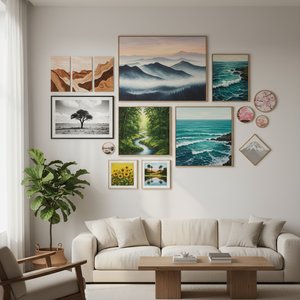
Beyond the Horizon: 10 Landscape Masterpieces for Your Home Decor
Journey through 10 breathtaking landscape paintings by Monet, Van Gogh & more! Explore iconic artworks, artistic techniques & find inspiration for your home decor. Museum-quality reproductions at OriginalUniqueArt.com. Discover all masterpieces on OriginalUniqueArt.com

Luminism: Capturing the Ethereal Glow of Light in American Landscape Painting
Explore the ethereal beauty of Luminism. Discover how 19th-century American masters captured light and atmosphere through profound landscape painting. Learn about this iconic movement and find museum-quality, hand-painted oil reproductions to bring historical brilliance to your home.

Evocations of Place: A Historical Journey Through Landscape Art
Explore the rich history of landscape art with OriginalUniqueArt. Discover renowned artists, movements like Impressionism & Romanticism, and expert guidance for collecting timeless pieces. Find your perfect serene escape today!

Grant Wood & American Regionalism: Identity, Myth & the Rural Landscape
Explore the world of Grant Wood & American Regionalism with OriginalUniqueArt. Discover the symbolism behind 'American Gothic', recurring themes, and the movement's lasting impact on art history. High-quality reproductions available.


