
 プレビュー
プレビュー
 プリントを購入
 シェアする
シェアする シェアする
シェアする
 詳細を見る
詳細を見る

 ダウンロード
 似ている作品
 X線調査
X線調査 スライドショー
Pants\n\nPants


 詳細を見る
詳細を見る
オンラインプレビューをはるかに凌ぐ、高解像度で鮮明なデジタル画像をご購入いただけます。
各ファイルは、社内の専門家が高度なツールと熟練した手作業によるレタッチを用いて、細心の注意を払って準備されています。すべての画像において、卓越した鮮明度、正確な色彩再現性、そして繊細なディテールを保証いたします。
最終ファイルは、プロフェッショナルな編集・印刷環境ですぐにご利用いただけるよう最適化された状態で、72時間以内にメールにてお届けいたします。これは、一流のデザインスタジオ、出版社、ギャラリーから信頼されているものと同等の品質です。
デジタル画像のご注文に付随する特典
高品質なデジタル画像配信を、確かな品質で。
OriginalUniqueArt.com を選ぶことは、単に画像を手に入れることではありません。それは、プロの手によって精密に仕上げられ、満足保証が付いた高品質なデジタルアートワークを受け取ることを意味します。ご注文いただいた際に自動的に付随する内容は、以下の通りです:

メールですぐにお届け
ご注文から72時間以内に、高解像度のデジタル画像ファイルがメールでお手元に届きます。すぐにそのままご利用いただけます。

AI技術で最適化されたデジタルファイル
お客様の作品は、高度なAIツールと専門家による手作業の編集を組み合わせてプロフェッショナルに最適化されており、細部のディテール、鮮明さ、そして正確な色再現性を最大限に引き出しています。

一生涯無料の再送サービス
ファイルを誤って削除したり、紛失してしまったりしましたか?ご安心ください。いつでも無料で再送いたします。

輸入手数料は一切かかりません
関税や手数料、配送料を気にすることなく、お気に入りのアートワークをすぐにお楽しみいただけます。デジタルダウンロードは常に免税です。

色彩再現の保証
プロ仕様のツールとカラーマネジメント技術を用いることで、デジタル画像が元の色を最大限に忠実に再現することを保証いたします。

60日間満足保証
ご購入いただいたデジタル画像にご満足いただけない場合は、60日以内であれば、修正または100%の返金(理由を問う必要はありません)をさせていただきます。

100% 返金保証
ご満足いただけない場合は、デジタルファイルを受け取ってから60日以内であれば、理由を問わず全額返金いたします。

まとめ買い割引
3枚購入で10%OFF - 5枚購入で15%OFF - 10枚以上購入で20%OFF。クリエイティブなプロジェクト、ギャラリー、エージェンシーに最適です。
作品の詳細
The Geometry of Tropical Light: Waldemar Cordeiro’s “Pants”
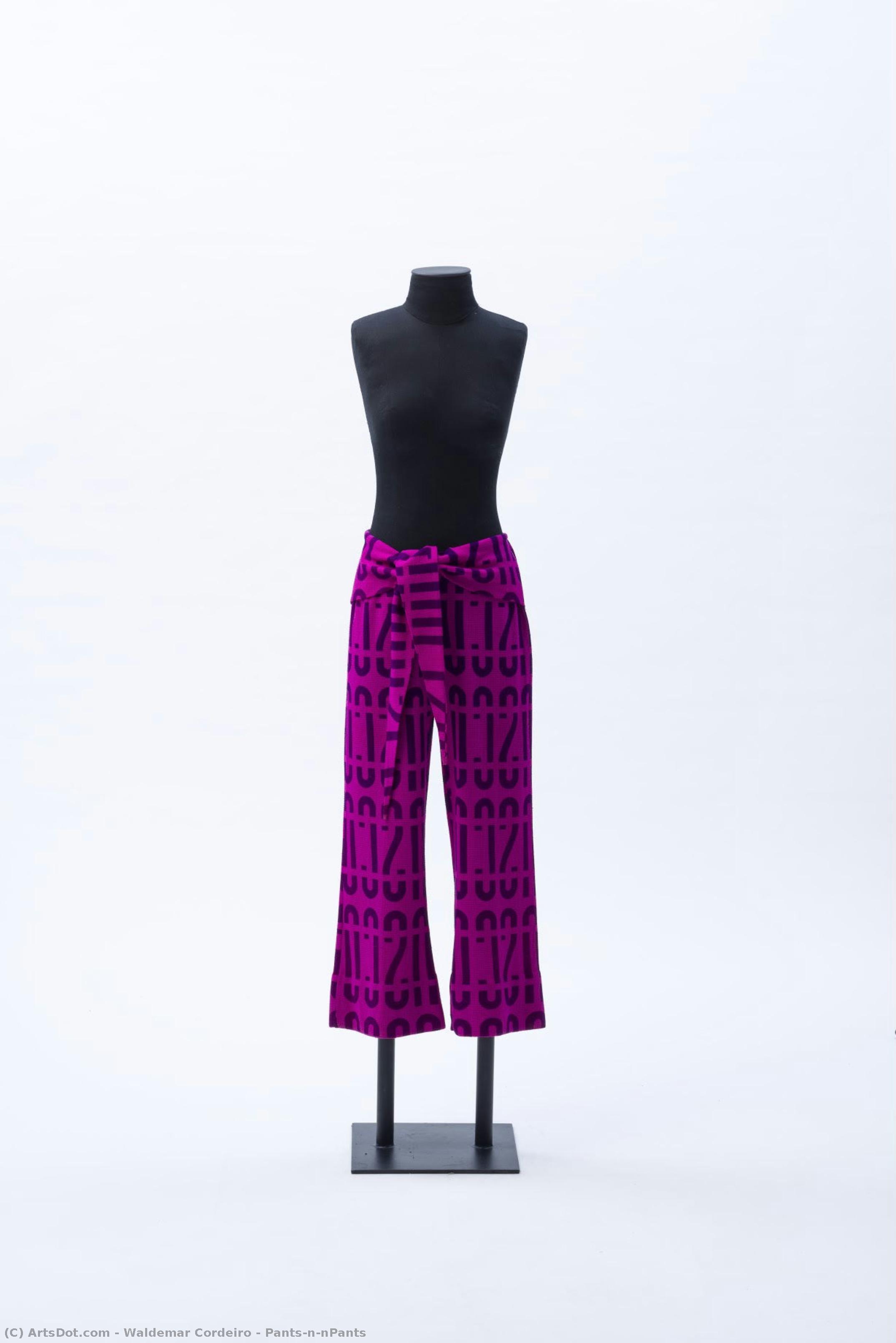
Waldemar Cordeiro's "Pants," a pivotal work from 1960, isn’t merely a depiction of clothing; it’s an immersion into the heart of Brazilian Concrete Art and a testament to the artist’s pioneering exploration of digital art. Created during a vibrant period of artistic experimentation in São Paulo, this piece embodies Cordeiro's radical shift away from representational painting towards a purely abstract language built on geometric forms and color relationships. It represents a crucial bridge between his early figurative work and his later explorations with computer technology, solidifying his position as a visionary figure in the development of modern Brazilian art.
A Concrete Vision: The Roots of the Work
Cordeiro’s artistic journey began within the burgeoning Concrete Art movement, a group that sought to dismantle traditional notions of painting and embrace a new aesthetic rooted in geometric abstraction. Influenced by artists like Josef Jarema and Enrico Prampolini in Europe, Cordeiro, along with other Brazilian artists, rejected illusionistic representation in favor of works that existed as self-contained objects – sculptures of color and form. This movement was deeply intertwined with broader social and political currents, reflecting a desire to create art accessible to all, unburdened by the elitism often associated with traditional artistic institutions. His involvement with Grupo Ruptura, a São Paulo-based collective pushing for avant-garde innovation, further solidified his commitment to this radical approach.
The Language of Form: Technique and Composition
"Pants" showcases Cordeiro’s masterful manipulation of color and line. The dominant purple hue is not a single shade but a complex layering of pinks, whites, and darker tones, creating an illusion of depth and movement within the flat plane of the canvas. The repeating geometric patterns – likely inspired by the morphology of Brazilian flora, as Cordeiro was deeply interested in botanical studies at the time – generate a dynamic rhythm that draws the eye across the surface. The stark contrast between the patterned fabric and the clean white background amplifies the vibrancy of the colors and emphasizes the precision of the design. The composition is deliberately balanced, yet subtly asymmetrical, contributing to the work’s overall sense of visual harmony.
Symbolism and Emotional Resonance
Beyond its purely formal qualities, “Pants” carries a subtle symbolic weight. The garment itself – a fundamental element of human existence – becomes an object of pure abstraction, divorced from its practical function. This deliberate displacement invites contemplation on the nature of representation and the relationship between form and meaning. The use of bold colors evokes feelings of energy, optimism, and perhaps even a hint of tropical exuberance, reflecting the vibrant cultural landscape of Brazil in the 1960s. The piece’s exploration of geometric forms also speaks to a desire for order and clarity within an increasingly complex world – a characteristic that aligns with the principles of Concrete Art.
A Legacy in Digital Innovation
Cordeiro's work wasn't confined to canvas. In the late 1960s, he pioneered the use of computer technology in art, collaborating with physicist Giorgio Moscati to create digital graphics on an IBM 360/44 mainframe. This marked a significant step towards the development of computer art as a distinct artistic medium. “Pants,” therefore, serves as a crucial link between his early abstract paintings and his later explorations into the possibilities of digital creation – a testament to his enduring vision and pioneering spirit.
作家の略歴
Waldemar Cordeiro: A Pioneer of Brazilian Concrete Art
- Born: Recife, Brazil (1924)
- Died: 1973
Waldemar Cordeiro was a significant figure in the Brazilian art scene, recognized as both an influential artist and a compelling art critic. Born in Recife, Brazil, in 1924, he tragically passed away in 1973. His legacy is deeply intertwined with the Concrete Art movement in Latin America, where he played a pivotal role in shaping the artistic landscape of his country.
Early Life and Career: From Computer Art to Grupo Ruptura
Cordeiro's career began with an innovative foray into computer art – a groundbreaking pursuit for its time. He was among the first artists to experiment with this emerging medium, establishing himself as a pioneer in the field. His involvement with Grupo Ruptura proved crucial in his artistic development. This group of artists aimed to advance modern art in Brazil and became instrumental in fostering the Concrete Art movement.
Artistic Style and Contributions: Geometry, Color, and Conceptual Rigor
Cordeiro’s artistic style is characterized by a distinct use of strong geometric shapes and bold colors. His work reflects a commitment to creating objects that exist independently of representational imagery, aligning with the core principles of Concrete Art. He collaborated with other notable artists like Carlos Alberto Zilio, another prominent figure in Brazilian Concrete Art. Some of his most recognized works are displayed at the Museu de Valores do Banco Central do Brasil in Brasília. His paintings often feature alongside works by Amílcar Augusto Pereira de Castro, known for his contributions to the neo-constructivist movement.
The Concrete Art Movement and Key Influences
Cordeiro’s dedication to Grupo Ruptura directly contributed to the development of the Concrete Art movement. This movement emphasized creating works that exist as objects rather than representations of reality, prioritizing pure form and geometric abstraction. His theoretical writings significantly shaped the philosophy behind this movement. He was influenced by Max Bill's Concrete Art concepts and Visual Gestalt principles. Cordeiro’s work also reflects a Marxist political perspective, believing art should be accessible to all and rejecting “art for art’s sake.”
Legacy and Impact: A Lasting Influence on Brazilian Art
Waldemar Cordeiro's legacy continues to resonate within the art world. His contributions to Concrete Art have inspired generations of artists, and his work stands as a testament to innovation and experimentation. Institutions like the Museu de Valores do Banco Central do Brasil and the São Paulo Museum of Modern Art recognize his significant impact. Beyond painting, he was also a landscape designer, creating sculptural gardens and public spaces that disseminated modern architecture and landscaping throughout Brazil. His pioneering use of computers in art, known as Arteonica, further solidified his place as a visionary artist who pushed the boundaries of artistic expression.

Waldemar Cordeiro
1924 - 1973 , Brazil
プロフィール概要
- Artistic Movement Or Style: Concrete Art, Computer Art
- Artists Or Movements Influenced By This Artist: ['Décio Vieira de Morais']
- Artists Who Influenced This Artist: ['Max Bill']
- Date Of Birth: April 12, 1924
- Date Of Death: June 30, 1973
- Full Name: Waldemar Cordeiro
- Nationality: Brazilian, Italian
- Notable Artworks:
- Sem título
- Pants\n\nPants
- Place Of Birth: Recife, Brazil

