- ホーム

- 油絵の複製画
- vladimír janoušek
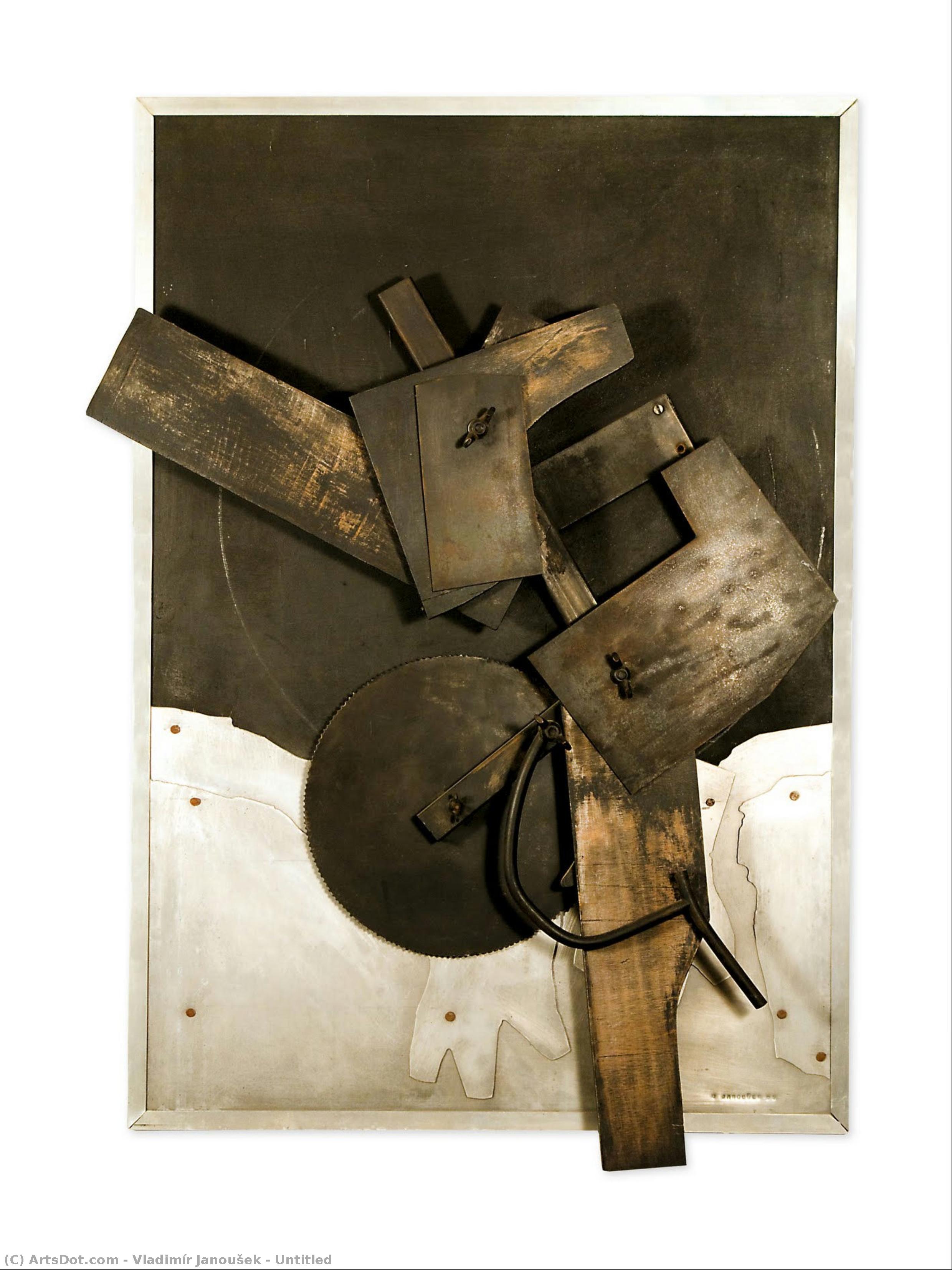
- Untitled
 プリントを購入
 シェアする
シェアする シェアする
シェアする
 詳細を見る
詳細を見る

 ダウンロード
 似ている作品
 X線調査
X線調査 スライドショー
Untitled
 1977
1977 110.0 x 200.0 cm
 Museum Kampa
 詳細を見る
詳細を見る




































作品のオリジナル比率に合わせた、当店の規定サイズからお選びください。

特定のフレームやスペースに合わせて、ご希望のサイズをご入力いただけます。選択されたサイズが元の画像の比率と異なる場合、アートワークをトリミングするか、手描きで要素を追加して絵画を拡張いたします。デジタルモックアップ を制作し、制作開始前にご確認(承認)をいただきます。
画面上のプレビューは、実際のトリミングや拡張を正確に反映しているものではありません。最終的な構図は、モックアップによってのみ正確にご確認いただけます。
カスタムサイズもご利用いただけますが、元の比率を維持するためには、あらかじめ用意されたリストからサイズを選択することをお勧めいたします。
ご注文後、OriginalUniqueArt.com チームより詳細な指示をお送りするとともに、仕上がりイメージ(モックアップ)をご提供いたします。


 ガラスオプションは、110cm未満のサイズでのみご利用いただけます。

Untitled
複製技法
複製画のサイズ
-


合計金額
-
アーティストの略歴
Early Life and Education
- Born: Zdirnice, Czech Republic (1922)
- Died: 1986
- Vladimir Janoušek's early life was significantly impacted by historical events, including World War II.
- He began his secondary school studies at the gymnasium in Trutnov and finished them in Úpice.
- In 1940-1941, he worked as an apprentice at a construction firm in Hostinné, initially considering architecture.
- His artistic journey truly began after attending lectures on theatre organized by the Central Union of Theatre Amateurs.
- He studied at the School of Arts and Crafts in Brno and later in Prague under Prof. Karel Dvořák.
- His studies were interrupted by forced labor deployment in Nazi Germany.
- After the war, he initially struggled to gain entry into the Academy but was eventually accepted to the studio of Prof. Josef Wagner.
Artistic Style and Influences
- Janoušek's sculptural style was heavily influenced by the late work of Otto Gutfreund.
- He also drew inspiration from exhibitions of Western European art, including works by Baltasar Lobo, Picasso, and Henry Moore.
- The reflections of Bohumil Kubišta and lectures by Prof. Václav Nebeský further shaped his artistic vision.
- His sculptures are characterized by moving parts, representing a radicalization of form that breaks away from traditional sculptural concepts.
- This originality and conceptual approach contribute to the European significance of his work.
Key Works and Artistic Development
- Gloria, Birth of Homo Divinus – Intelectes: A sculpture embodying transformation and enlightenment.
- Naděžda: A painting capturing the essence of human experience.
- Spring Romance: A painting showcasing his skill in depicting nature's beauty.
- Janoušek’s work evolved through distinct periods, initially focusing on crystals and growth, then incorporating pendulums, and finally culminating in variable sculptures.
- He experimented with kinetic elements, exploring the concept of time as reflected in the poetry of František Halas.
- His monumental composition Hrozba války (Threat of War) for the Czechoslovak pavilion at Expo '70 in Osaka demonstrated his political engagement and artistic vision.
Later Career and Historical Significance
- Following the Warsaw Pact invasion of Czechoslovakia, Janoušek faced persecution and limited opportunities to exhibit his work.
- Despite these challenges, he continued to create sculptures that expressed a symbolic struggle against oppressive circumstances.
- He is recognized as one of the few Czech sculptors listed in the New Dictionary of Modern Sculpture published in Paris in 1970.
- Janoušek's legacy lies in his innovative approach to sculpture, his exploration of time and transformation, and his courageous artistic expression during a period of political repression.
- His work is now appreciated for its European significance and contribution to modern art.
Additional Information
- Useful Links:

vladimír janoušek
1922 - 1986 , Czech Republic
基本情報
- Artistic Movement Or Style: Kinetic sculpture
- Artists Who Influenced This Artist:
- Otto Gutfreund
- Baltasar Lobo
- Pablo Picasso
- Henry Moore
- Date Of Birth: January 30, 1922
- Date Of Death: September 8, 1986
- Full Name: Vladimír Janoušek
- Nationality: Czech
- Notable Artworks:
- Gloria
- Birth of Homo Divinus
- Naděžda
- Spring Romance
- Place Of Birth: Zdirnice, Czech Republic

