
 設置イメージを表示

 シェアする
 シェアする
 詳細を見る
 ガイドを表示


 ダウンロード
 似ている作品
 X線調査
 スライドショーを表示
 Q&A
 統計情報
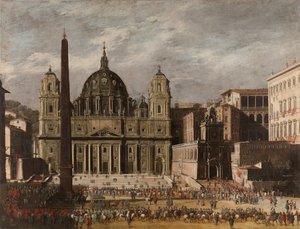
Architectural View


 詳細を表示
ジークレー/アートプリント
スピーディーな制作と多彩な仕上げオプションが魅力の、ミュージアムクオリティなジークレー・キャンバスプリント。 ( 手描き複製画を注文する デジタル画像販売へ切り替え)




P118B ¥10

P118H ¥10

P118W ¥10

P438Z ¥10

P508JH ¥12

P508YH ¥12

P805H ¥10

P805Z ¥10

P919BZ ¥10

P919G ¥10

P919XJ ¥10

P959ZH ¥10

P968JZ ¥12

W106C ¥8

W218G ¥10

W218JH ¥8

W218Y ¥10

W307PJ ¥10

W316G ¥10

W316PJ ¥8

W316Y ¥10

W398PJ ¥8

W4111J ¥10

W500HY ¥15

W500JH ¥15

W692G ¥12

W849H ¥8

W940BG ¥15

W953PJ ¥8




作品のオリジナル比率に合わせた、当店の規定サイズからお選びください。

額縁や壁のスペースに合わせて、ご希望の幅と高さを入力してください。プリントはカットすることは可能ですが、元の画像より大きくすることはできないため、異なる比率のサイズを選択された場合は、画像の一部が欠けることになります。印刷を開始する前に、内容を確認していただくためのデジタルモックアップをお送りいたします。このページに表示されている画像は、実際のカット後の状態を示すものではありません。実際の仕上がりはモックアップにてご確認ください。


 ガラスオプションは、110cm未満のサイズでのみご利用いただけます。

Architectural View
ジークレー/アートプリント
複製画サイズ一覧
-


合計金額
¥ 12712
The Weight of Stone and Light
In this 1627 oil on canvas, the heavy geometry of Rome meets the soft breath of the Italian landscape. Massive columns and arched structures dominate the view, their surfaces etched with the precision of a mason's hand. These ruins do not merely sit in the landscape; they anchor it. Sunlight strikes the Doric and Ionic capitals, casting deep, sharp shadows that carve the stone into three-dimensional reality. Through the use of chiaroscuro, the artist sculpts the very air between the arches, creating a sense of immense, hollow space.
The palette remains grounded in earth tones. Ochre, dust, and muted greens define the scene, mirroring the natural decay of the monuments. Amidst these grand, silent ruins, small figures move through the shadows. They engage in quiet conversation or observe the ground, their presence providing a scale to the monumental architecture. A horse or donkey rests nearby, a quiet reminder of the pastoral life that persists even in the shadow of antiquity.
A Dialogue of Eras
The composition captures a tension between the permanence of classical design and the transience of human life. The architecture, inspired by Greco-Roman ideals, reaches upward toward a partly cloudy sky, while the verdant hills in the distance suggest a world that continues to grow around the decaying stone. This juxtaposition reflects a Baroque fascination with the passage of time. The ruins are not merely debris; they are meditations on a lost grandeur.
Light acts as the primary storyteller here. It moves across the scene to guide the eye from the detailed foreground into the hazy, atmospheric distance. This technique creates a profound sense of depth, pulling the viewer into a specific, quiet moment of contemplation. The stillness of the scene invites a sense of awe, grounded in the physical reality of marble and earth.
The stone remains cool under the sun.
Q&A
「Architectural View」の閲覧数はどのくらいですか?
「Architectural View」には、専用の閲覧統計ページがあります。このページでは、その作品およびアーティストの他の作品の月間訪問者数を、国別・言語別の内訳とともにグラフで表示しています。
「Architectural View」のBaroque Architectureには、どの国のルーツが反映されているのでしょうか?
Baroque Architectureの作品「Architectural View」は、Italy出身のアーティストによって制作されました。
美術史におけるViviano Codazzi作「Architectural View」の立ち位置とはどのようなものでしょうか。
Viviano Codazzi作「Architectural View」は、Early Modern期におけるBaroque Architectureの動向に属しています。これらが相まって、本作に美術史における確固たる地位を与えています。
作家プロフィール
The Architect of Baroque Visions
Viviano Codazzi stands as a pivotal figure in the Italian Baroque, an artist whose meticulous architectural paintings and evocative capricci cemented his place within the grand artistic landscape of the seventeenth century. Born in Bergamo, Italy, around 1604, his early life was shaped by the vibrant currents of the era. While biographical details remain somewhat sparse, evidence suggests he moved through the influential artistic circles of Rome and Naples, establishing himself as a master of perspective and light. His journey took him from the northern reaches of Italy to the sun-drenched studios of Naples, where he began to refine his skills in quadratura—the art of architectural perspective—setting the stage for a career defined by structural grandeur and historical nostalgia.
Codazzi’s fame rests primarily upon his architectural paintings, grand compositions that depict Roman ruins and idealized landscapes populated by figures rendered with remarkable realism. Unlike many of his contemporaries who focused on portraiture or mythological subjects, Codazzi dedicated himself to capturing the complexity of the built environment. He possessed a unique ability to breathe life into stone, using dramatic light and shadow to evoke the passage of time. His approach was often collaborative; he skillfully employed bamboccianti—specialized painters adept at creating realistic, everyday figures within architectural backgrounds. This technique, involving luminaries like Michelangelo Cerquozzi and Domenico Gargiulo, ensured a harmonious integration of human presence into monumental spaces, elevating his works beyond mere topographical representations into profound narratives of human existence amidst the ruins of antiquity.
Mastery of Light and Illusion
The technical brilliance of Codazzi lies in his ability to manipulate space and atmosphere. His works often feature capricci—architectural fantasies that blend real landmarks with imagined structures to create a sense of wonder. Through the use of deep shadows and brilliant highlights, he could guide the viewer's eye through labyrinthine corridors and across vast, sunlit piazzas. This mastery of light served not only to define form but also to instill a sense of melancholy and grandeur, reflecting the Baroque fascination with the ephemeral nature of power and the enduring strength of classical heritage.
His development as an artist was marked by several significant milestones:
- The Neapolitan Period: In Naples, Codazzi worked on prestigious commissions, such as those for the Certosa di San Martino, where he honed his ability to depict massive, imposing structures with startling clarity.
- The Madrid Commission: A landmark achievement arrived in 1633 when he undertook a series of four large canvases portraying scenes from Roman history for the Buen Retiro palace in Madrid. This project, which included a dramatic depiction of gladiatorial combat in the Colosseum, showcased his ability to convey epic scale and historical drama.
- The Roman Influence: His later years in Rome allowed him to engage with the city's topographical richness, using architectural treatises and prints to reconstruct the glory of the past for a contemporary audience.
Legacy and Historical Significance
The historical significance of Viviano Codazzi extends far beyond his own lifetime. He was more than just a painter of buildings; he was a storyteller of stone. By bridging the gap between realistic architectural documentation and imaginative fantasy, he paved the way for the 18th-century vedutisti. His influence can be traced directly to later masters such as Giovanni Paolo Panini, who would further refine the genre of the architectural view. Codazzi’s ability to evoke the weight of history through the texture of a crumbling column or the play of light on a marble frieze left an indelible mark on the European tradition of landscape and architectural painting.
Today, his works remain essential for understanding the Baroque psyche—a period caught between the reverence for classical antiquity and the burgeoning realism of the modern age. Through his canvases, we are invited to walk through the ruins of a lost world, experiencing the same sense of awe and contemplation that captivated his original patrons in the courts of Europe. His legacy lives on in every brushstroke that captures the eternal dialogue between humanity and the monuments we leave behind.
Viviano Codazzi
1604 - 1670 , Italy
プロフィール概要
- Full Name: Viviano Codazzi
- Nationality: Italian
- Date Of Birth: 1604
- Date Of Death: 1670
- Place Of Birth: Bergamo, Italy
- Notable Artworks:
- The Pantheon, Rome
- Classical Ruins with Figures in the Evening
- An architectural fantasy
- Artistic Movement Or Style: Baroque
- Artists Who Influenced This Artist: ['Michelangelo Merisi da Caravaggio']
- Artists Or Movements Influenced By This Artist:
- Bartolomeo Gennari
- Giovanni Battista Gaulli
関連記事

Timeless Echoes: The Art of Capturing Roman Grandeur through the Lens of Baroque Mastery
Explore the profound beauty of Roman ruins through the lens of Baroque masters. Discover how fine art captures the grandeur and decay of antiquity, offering timeless elegance for sophisticated collectors and lovers of classical history.

Timeless Echoes: Capturing the Majesty of Ancient Ruins through the Lens of Fine Art History
Explore the profound beauty of ancient ruins through fine art history. Discover how masters like Pannini captured Roman grandeur, and learn how to bring this timeless architectural majesty into your home with museum-quality, hand-painted oil reproductions.

Chiaroscuro and Soul: A Definitive Guide to the Drama and Emotion of Italian Baroque Masterpieces
Embark on a sophisticated journey through Italian Baroque art. Discover the dramatic interplay of light and emotion in Caravaggio’s masterpieces and explore how to bring this timeless grandeur into your collection with expert art insights.

Giovanni Battista Piranesi: Visionary of Ruins & Architect of Imagination
Explore the life & work of Giovanni Battista Piranesi, master etcher of Roman views & creator of the haunting 'Carceri d'Invenzione'. Discover his architectural vision and lasting influence on art history.

The Architecture of Shadow: Chiaroscuro Mastery and the Noir Aesthetic in Fine Art
Explore the mastery of chiaroscuro from the Renaissance to Film Noir. Discover how light defines fine art history now.