

 設置イメージを確認
 送る
送る シェア
シェア
 詳細情報
詳細情報 ガイドを表示

 画像をダウンロード
 似ている作品
 X線調査
X線調査 スライドショー
 統計情報
統計情報The Dead Christ
 Oil On Canvas
- WallArt
- Baroque Revival
 1520
1520 145.0 x 185.0 cm
 国立博物館群
 続きを読む
続きを読む
手描き油彩複製画
当社のアーティストが、お客様のご希望のサイズと額縁に合わせて、キャンバスに手描きで制作する油彩画です。 ( プリント版に切り替え デジタル画像販売へ切り替え)




P118B ¥10

P118H ¥10

P118W ¥10

P438Z ¥10

P508JH ¥12

P508YH ¥12

P805H ¥10

P805Z ¥10

P919BZ ¥10

P919G ¥10

P919XJ ¥10

P959ZH ¥10

P968JZ ¥12

W106C ¥8

W218G ¥10

W218JH ¥8

W218Y ¥10

W307PJ ¥10

W316G ¥10

W316PJ ¥8

W316Y ¥10

W398PJ ¥8

W4111J ¥10

W500HY ¥15

W500JH ¥15

W692G ¥12

W849H ¥8

W940BG ¥15

W953PJ ¥8




作品のオリジナル比率に合わせた、当店の規定サイズからお選びください。

フレームや壁のスペースに合わせて、ご希望の幅と高さを入力してください。本作品は手描きのため、異なる比率のサイズをご希望の場合、絵画の周囲を少し広げて描くか、あるいは端を少しカットして調整することが可能です。お客様のご要望に合わせます。制作を開始する前に、仕上がりを確認するためのデジタルモックアップをお送りいたします。このページに表示されている画像は完成品の実物ではなく、あくまでモックアップによるイメージです。
ご注文後、OriginalUniqueArt.com チームより詳細な指示をお送りするとともに、仕上がりイメージ(モックアップ)をご提供いたします。


 ガラスオプションは、110cm未満のサイズでのみご利用いただけます。

The Dead Christ
再現技法
複製画サイズ一覧
-


合計金額
¥ 47236
A Somber Reflection on Mortality: Vittore Carpaccio’s “The Dead Christ”
Vittore Carpaccio's "The Dead Christ," painted circa 1520, stands as a poignant testament to the artistic sensibilities of Venice during the High Renaissance. More than just a depiction of religious iconography—the lifeless body of Jesus cradled by grieving figures—it embodies a profound meditation on death and mourning, reflecting the anxieties prevalent in a period grappling with theological upheaval and humanist inquiry. This monumental canvas (145 x 185 cm) resides within the Gallerie dell’Accademia, offering visitors an unparalleled opportunity to experience Carpaccio's masterful execution of narrative painting.Style and Influences: A Conservative Voice Amidst Change
Carpaccio distinguishes himself from his contemporaries through a remarkably restrained artistic style. Unlike the burgeoning humanist movement that championed classical ideals and vibrant color palettes—evident in works by Giovanni Bellini and Andrea Mantegna—Carpaccio adhered to a more conservative approach, prioritizing clarity of form and emotional resonance over stylistic innovation. His visual vocabulary draws heavily from Antonello da Messina’s influence, particularly his meticulous attention to detail and use of oil paint, alongside early Netherlandish art's emphasis on realism and psychological depth. This confluence resulted in an aesthetic that prioritizes solemn contemplation rather than dramatic spectacle.Technique: The Art of Layered Detail
Carpaccio employed a technique characterized by painstaking layering—a hallmark of Venetian painting at the time—to achieve remarkable textural richness and luminosity. He meticulously built up his composition using thin glazes of oil paint, allowing underlying pigments to subtly interact and create nuanced tonal variations. This method ensured that every surface was rendered with meticulous precision, capturing the contours of Christ’s body and the expressions of sorrowful onlookers alike. The artist skillfully utilized chiaroscuro—the dramatic interplay between light and shadow—to heighten the emotional impact of the scene, directing viewers' gaze towards the central figure and emphasizing the solemn atmosphere.Historical Context: Grief and Remembrance in Renaissance Venice
Painted during a time marked by religious fervor and intellectual debate, “The Dead Christ” speaks to the broader cultural concerns of Renaissance Venice. The depiction of mourning figures—a common motif in devotional art—reflects the pervasive preoccupation with mortality and the desire for spiritual solace amidst uncertainty. Carpaccio’s work aligns itself with the theological debates surrounding indulgences and papal authority, subtly conveying a sense of humility before divine judgment. Furthermore, it underscores the importance of remembrance and veneration within Christian tradition.Symbolism: The Body as Emblematic Representation
The central image—the crucified Christ—serves as an enduring symbol of sacrifice and redemption. Carpaccio’s portrayal emphasizes the physicality of Christ's suffering, grounding the theological narrative in tangible reality. The surrounding figures—primarily mourners—represent humanity grappling with grief and loss, mirroring the universal experience of mortality. Their gestures of compassion and sorrow underscore the importance of empathy and spiritual contemplation. The inclusion of a tree nearby – a traditional symbol of life and resurrection – subtly reinforces the overarching theme of hope amidst despair.Emotional Impact: A Profound Meditation on Suffering
“The Dead Christ” transcends mere visual representation; it evokes a powerful emotional response in viewers. Carpaccio’s masterful use of color—primarily muted browns and reds—creates an atmosphere of solemnity and melancholy, mirroring the profound sorrow experienced by those witnessing the crucifixion. The artist's meticulous attention to detail captures not only the physical appearance of Christ but also the psychological state of his mourners, fostering a sense of empathy and prompting reflection on themes of faith, grief, and human vulnerability. It remains an enduring masterpiece—a poignant reminder of humanity’s capacity for compassion and its unwavering belief in spiritual transcendence.よくあるご質問
「The Dead Christ」のプリントは、どのような用途でのご利用がおすすめですか?
「The Dead Christ」のプリントのおすすめの使い方は、Statementです。
「The Dead Christ」の色同士は、どのように調和していますか?
「The Dead Christ」の色彩の調和は、Strong Color Unityと表現されます。
「The Dead Christ」の高解像度ダウンロード版は購入可能ですか?
ヴィットーレ・カルパッチオ作「The Dead Christ」のデジタルファイルをご希望の場合は、デジタル画像ページより高解像度デジタル画像のダウンロードをご注文ください。
アーティストについて
初期の生涯と修行
ヴィットーレ・カルパッチョは、1465年頃にヴェネツィアで生まれた著名なイタリアの画家です。彼は、ヴェネツィア派の名匠であるジェンティレ・ベリーニのもとで学びました。この徒弟制度が、カルパッチョの将来の成功の礎を築いたのです。芸術様式と影響
カルパッチョの様式は、その保守的な性質によって特徴づけられ、彼が生きた時代にイタリア・ルネサンス絵画を変貌させた人文主義的な潮流の影響を最小限に留めていました。彼の作品には、アントネロ・ダ・メシーナの様式と初期フランドル絵画の影響が見られます。この独自の様式の融合が、ヴェネツィア絵画に特有のアプローチを生み出したのです。代表作
- 9枚からなる連作『聖ウルズラの伝説』は、カルパッチョの最も有名な作品です。このシリーズは現在アカデミア美術館に所蔵されており、物語絵画における彼の熟練の技を見せています。
- 『聖ウルズラの栄光の祭壇画』(1491年)は、ジョヴァンニ・ベリーニの様式を彷彿とさせる光と色彩を捉えるカルパッチョの技術を示しています。
- 『リアルト橋の十字架の遺物の奇跡』(1494年)は、構図と物語性を調和させるカルパッチョの能力を際立たせています。
キャリアのハイライトと遺産
- カルパッチョの主要な作品群は1490年から1519年の間に制作され、彼をヴェネツィア・ルネサンス初期の巨匠の一人に位置づけています。
- 『セレニテスを洗礼する聖ゲオルギウス』に見られるように、彼のオリエンタリズム的な様式は、レバント地方への新たな魅了を反映しています。
- カルパッチョの作品は、同時代のジョヴァンニ・ベリーニやジョルジョネといった画家と比較すると、やや見過ごされがちです。
参考文献とさらなる読書
ヴィットーレ・カルパッチョとヴェネツィア派のさらなる詳細をOriginalUniqueArtで発見してください。
ヴィットーレ・カルパッチオ
1465 - 1526 , イタリア
アーティスト情報
- Artistic Movement Or Style: 初期ヴェネツィア・ルネサンス
- Artists Or Movements Influenced By This Artist: ['初期ネーデルラント絵画']
- Artists Who Influenced This Artist:
- アントネロ・ダ・メッシーナ
- ジェンティレ・ベリーニ
- Date Of Birth: イタリア、ヴェネツィア(1465年頃)
- Date Of Death: 1526年
- Full Name: ヴィットーレ・カルパッチョ
- Nationality: イタリア人
- Notable Artworks:
- 聖ウルズラ伝説
- 聖ウルズラの栄光祭壇画
- リアルト橋の十字架の遺物の奇跡
- Place Of Birth: ヴェネツィア
関連記事
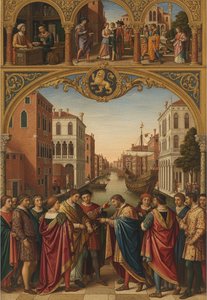
Vittore Carpaccio: Venetian Renaissance Narrative & the Poetics of Detail
Explore the captivating world of Vittore Carpaccio, a master storyteller of the Venetian Renaissance. Discover his intricate details, narrative cycles like 'The Legend of St. Ursula,' and unique artistic style.

The Enduring Power of Painting: A Historical & Contemporary Exploration of Form and Emotion
Explore the rich history & enduring techniques of oil painting with OriginalUniqueArt. Discover masterpieces, learn about art collecting, and find authentic handmade reproductions crafted by skilled artists.
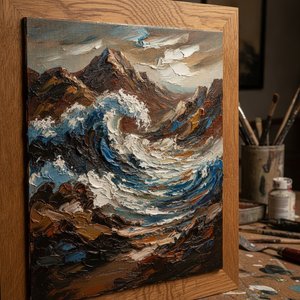
Oil on Panel: The Ultimate Guide to Bold, High-Impact Texture & Depth
Master the art of impact with our expert guide to oil on panel. Discover how impasto textures and heavy-body pigments create 3D depth and bold visual energy for modern interiors. Elevate your space with high-impact, hand-painted masterpieces designed for maximum aesthetic punch.

The Enduring Legacy of Oil on Canvas: Technique, History & Aesthetic Impact
Explore the rich history & techniques of oil painting – from Renaissance masters to Impressionism. Discover pigments, layering methods, and why this timeless medium endures. Expert insights for artists & art enthusiasts.

Oil on Canvas: A Historical & Technical Exploration of a Timeless Artistic Medium
Explore the rich history & enduring techniques of oil painting on canvas. Discover the science behind its longevity, conservation practices, and contemporary relevance. Expert insights for art enthusiasts.
