

 設置イメージを確認
 送る
送る シェア
シェア
 詳細情報
詳細情報 ガイドを表示

 画像をダウンロード
 似ている作品
 X線調査
X線調査 スライドショー
 統計情報
統計情報Holy Conversation
 High Renaissance
 1505
1505- Renaissance
 92.0 x 126.0 cm
 Musée du Petit Palais
 続きを読む
続きを読む
ジークレー/アートプリント
スピーディーな制作と多彩な仕上げオプションが魅力の、ミュージアムクオリティなジークレー・キャンバスプリント。 ( 手描きの複製画を注文する デジタル画像販売へ切り替え)




P118B ¥10

P118H ¥10

P118W ¥10

P438Z ¥10

P508JH ¥12

P508YH ¥12

P805H ¥10

P805Z ¥10

P919BZ ¥10

P919G ¥10

P919XJ ¥10

P959ZH ¥10

P968JZ ¥12

W106C ¥8

W218G ¥10

W218JH ¥8

W218Y ¥10

W307PJ ¥10

W316G ¥10

W316PJ ¥8

W316Y ¥10

W398PJ ¥8

W4111J ¥10

W500HY ¥15

W500JH ¥15

W692G ¥12

W849H ¥8

W940BG ¥15

W953PJ ¥8




作品のオリジナル比率に合わせた、当店の規定サイズからお選びください。

額縁や壁のスペースに合わせて、ご希望の幅と高さを入力してください。プリントはカットすることは可能ですが、元の画像より大きくすることはできないため、異なる比率のサイズを選択された場合は、画像の一部が欠けることになります。印刷を開始する前に、内容を確認していただくためのデジタルモックアップをお送りいたします。このページに表示されている画像は、実際のカット後の状態を示すものではありません。実際の仕上がりはモックアップにてご確認ください。


 ガラスオプションは、110cm未満のサイズでのみご利用いただけます。

Holy Conversation
ジークレー/アートプリント
複製画サイズ一覧
-


合計金額
¥ 12604
A Serene Encounter: The Soul of Venice in Carpaccio’s Masterpiece
In the quietude of Vittore Carpaccio’s Holy Conversation, completed around 1505, we find a profound meditation on faith and spiritual stillness. This evocative work, born from the heart of Venice, transcends mere religious iconography to offer a window into a moment of sacred intimacy. The painting captures Saint Ursula and her companions not in a display of dramatic tension, but engaged in a solemn, quiet dialogue that reflects their arduous journey toward Cologne Cathedral. There is a palpable sense of dignity in their assembly, an atmosphere where the weight of their pilgrimage meets the lightness of divine grace.
The composition invites the viewer to step into a world where the earthly and the divine are inextricably linked. Carpaccio meticulously renders the weathered textures of the stone cathedral and the humble presence of pilgrims, grounding the spiritual narrative in a tangible, physical reality. Through his masterful use of tempera on canvas, the artist achieves a remarkable luminosity. By employing painstaking layers of glazes, he creates an ethereal atmosphere that feels reminiscent of the lush, detailed landscapes found in early Netherlandish art, yet it remains deeply rooted in the unique sensibilities of the Venetian Renaissance.
Technique and the Poetics of Detail
What distinguishes Holy Conversation from the more flamboyant grandeur of his contemporaries is Carpaccio’s deliberate restraint. Eschewing the opulent ornamentation and theatrical poses favored by artists like Raphael, Carpaccio instead prioritizes a meticulous attention to detail and a subtle gradations of color. His technique shows a profound influence from Antonello da Messina, particularly in how he captures light to breathe life into every surface—from the soft folds of fabric to the rugged elements of nature such as trees and rocks that frame the scene.
This stylistic choice creates a psychological realism that is deeply moving. The painting does not demand attention through spectacle; rather, it earns it through the quiet beauty of its execution. For the collector or the lover of fine art, this piece offers more than just visual splendor; it provides an emotional sanctuary. The interplay of light and shadow, combined with the artist's conservative yet precise approach, makes the work a timeless testament to the piety and artistic innovation of the Venetian Republic.
A Timeless Addition to the Refined Interior
For interior designers and connoisseurs seeking to infuse a space with historical depth and contemplative calm, Holy Conversation serves as an extraordinary focal point. The painting’s ability to blend religious significance with a serene, landscape-like beauty allows it to integrate seamlessly into sophisticated environments. It is a work that rewards prolonged observation, revealing new layers of texture and narrative with every glance.
Owning a high-quality reproduction of this masterpiece means bringing a piece of the Venetian Renaissance into the modern home—a piece that embodies the enduring power of devotion and the quiet strength of the human spirit. It is an invitation to pause, to reflect, and to find beauty in the subtle, sacred moments of existence.
よくあるご質問
ヴィットーレ・カルパッチオ作「Holy Conversation」の手描き複製画を販売しているのはどこですか?
「Holy Conversation」は、リネンキャンバスに手描きされた油彩複製画としてご購入いただけます。ご注文は手描き油彩複製画のページから、お好みのサイズをお選びいただけます。
ヴィットーレ・カルパッチオ作「Holy Conversation」は、どの芸術運動に属していますか?
ヴィットーレ・カルパッチオ作「Holy Conversation」はHigh Renaissanceに属しています。このムーブメントは、本作の様式的な背景を形作るものです。
ヴィットーレ・カルパッチオ作「Holy Conversation」の形状とサイズはどのようになっていますか?
「Holy Conversation」の形式はLandscapeで、原寸は92 x 126 cmです。どちらの情報も、複製を作成する際の参考になります。
アーティストについて
初期の生涯と修行
ヴィットーレ・カルパッチョは、1465年頃にヴェネツィアで生まれた著名なイタリアの画家です。彼は、ヴェネツィア派の名匠であるジェンティレ・ベリーニのもとで学びました。この徒弟制度が、カルパッチョの将来の成功の礎を築いたのです。芸術様式と影響
カルパッチョの様式は、その保守的な性質によって特徴づけられ、彼が生きた時代にイタリア・ルネサンス絵画を変貌させた人文主義的な潮流の影響を最小限に留めていました。彼の作品には、アントネロ・ダ・メシーナの様式と初期フランドル絵画の影響が見られます。この独自の様式の融合が、ヴェネツィア絵画に特有のアプローチを生み出したのです。代表作
- 9枚からなる連作『聖ウルズラの伝説』は、カルパッチョの最も有名な作品です。このシリーズは現在アカデミア美術館に所蔵されており、物語絵画における彼の熟練の技を見せています。
- 『聖ウルズラの栄光の祭壇画』(1491年)は、ジョヴァンニ・ベリーニの様式を彷彿とさせる光と色彩を捉えるカルパッチョの技術を示しています。
- 『リアルト橋の十字架の遺物の奇跡』(1494年)は、構図と物語性を調和させるカルパッチョの能力を際立たせています。
キャリアのハイライトと遺産
- カルパッチョの主要な作品群は1490年から1519年の間に制作され、彼をヴェネツィア・ルネサンス初期の巨匠の一人に位置づけています。
- 『セレニテスを洗礼する聖ゲオルギウス』に見られるように、彼のオリエンタリズム的な様式は、レバント地方への新たな魅了を反映しています。
- カルパッチョの作品は、同時代のジョヴァンニ・ベリーニやジョルジョネといった画家と比較すると、やや見過ごされがちです。
参考文献とさらなる読書
ヴィットーレ・カルパッチョとヴェネツィア派のさらなる詳細をOriginalUniqueArtで発見してください。
ヴィットーレ・カルパッチオ
1465 - 1526 , イタリア
アーティスト情報
- Artistic Movement Or Style: 初期ヴェネツィア・ルネサンス
- Artists Or Movements Influenced By This Artist: ['初期ネーデルラント絵画']
- Artists Who Influenced This Artist:
- アントネロ・ダ・メッシーナ
- ジェンティレ・ベリーニ
- Date Of Birth: イタリア、ヴェネツィア(1465年頃)
- Date Of Death: 1526年
- Full Name: ヴィットーレ・カルパッチョ
- Nationality: イタリア人
- Notable Artworks:
- 聖ウルズラ伝説
- 聖ウルズラの栄光祭壇画
- リアルト橋の十字架の遺物の奇跡
- Place Of Birth: ヴェネツィア
関連記事
The Venetian Renaissance: A Masterclass in Colorito, Light, and the Birth of Atmospheric Brilliance
Explore the breathtaking mastery of the Venetian Renaissance. Discover how legends like Titian revolutionized art through Colorito, capturing the luminous light and vibrant pigments of the Venetian lagoon in a visual journey of unparalleled color and texture.
Venetian Renaissance: The Golden Age of Color, Light, and Luminous Artistry
Embark on a journey through the Venetian Renaissance. Discover how masters like Giorgione and Titian revolutionized art through luminous color and light. Explore the profound legacy of the Venetian School and its enduring influence on the world of fine art.
ジャコポ・ティンコレット:至高の25選 – ヴェネツィア巨匠のドラマと光の世界 | OriginalUniqueArt
ジャコポ・ティンコレットの至高の25選。ドラマと光の世界を彩るヴェネツィア派巨匠の名画を紐解きます。ルネサンス絵画からバロック絵画まで、OriginalUniqueArtで高品質な複製画やインテリアアートを見つけましょう。傑作コレクションをオンラインで探求してください。
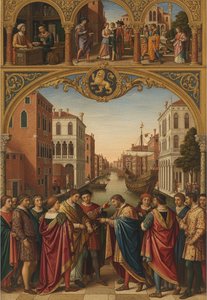
Vittore Carpaccio: Venetian Renaissance Narrative & the Poetics of Detail
Explore the captivating world of Vittore Carpaccio, a master storyteller of the Venetian Renaissance. Discover his intricate details, narrative cycles like 'The Legend of St. Ursula,' and unique artistic style.

Venetian Renaissance: The Mastery of Color, Light, and the Art of Colorito
Explore the luminous mastery of the Venetian Renaissance. Discover how masters like Titian and Giorgione revolutionized art through colorito, light, and atmosphere. An expert guide to the golden age of Italian painting for collectors and enthusiasts.
