
 プレビュー
プレビュー
 プリントを購入
 シェアする
シェアする シェアする
シェアする
 詳細を見る
詳細を見る

 ダウンロード
 似ている作品
 X線調査
X線調査 スライドショー
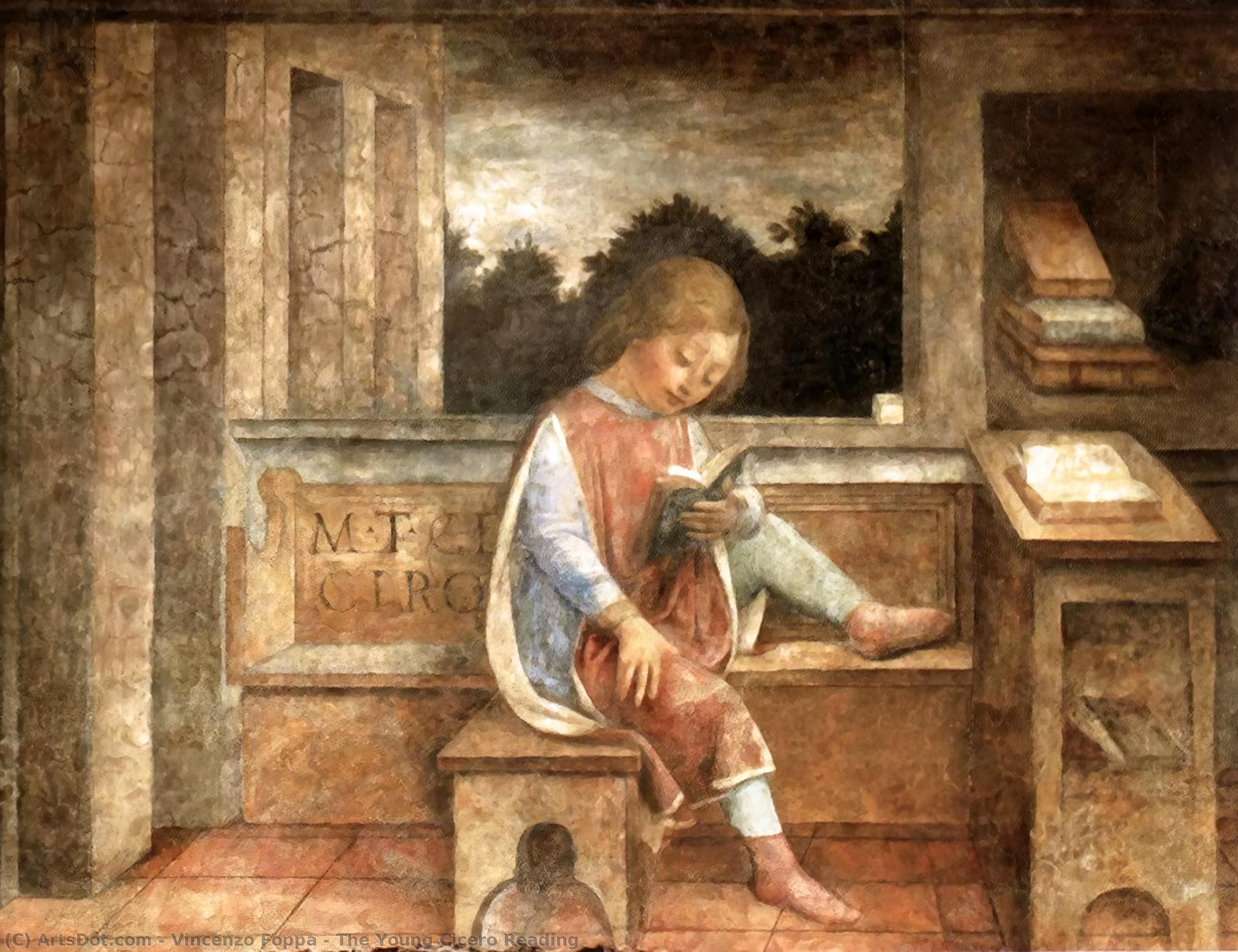
The Young Cicero Reading
 Acrylic On Canvas
- WallArt
- Early Lombard School
 1464
1464 101.0 x 143.0 cm
 ウォールスコレクション
 詳細を見る
詳細を見る




P118B $10

P118H $10

P118W $10

P438Z $10

P508JH $12

P508YH $12

P805H $10

P805Z $10

P919BZ $10

P919G $10

P919XJ $10

P959ZH $10

P968JZ $12

W106C $8

W218G $10

W218JH $8

W218Y $10

W307PJ $10

W316G $10

W316PJ $8

W316Y $10

W398PJ $8

W4111J $10

W500HY $15

W500JH $15

W692G $12

W849H $8

W940BG $15

W953PJ $8




作品のオリジナル比率に合わせた、当店の規定サイズからお選びください。

特定のフレームやスペースに合わせて、ご希望のサイズをご入力いただけます。選択されたサイズが元の画像の比率と異なる場合、アートワークをトリミングするか、手描きで要素を追加して絵画を拡張いたします。デジタルモックアップ を制作し、制作開始前にご確認(承認)をいただきます。
画面上のプレビューは、実際のトリミングや拡張を正確に反映しているものではありません。最終的な構図は、モックアップによってのみ正確にご確認いただけます。
カスタムサイズもご利用いただけますが、元の比率を維持するためには、あらかじめ用意されたリストからサイズを選択することをお勧めいたします。
ご注文後、OriginalUniqueArt.com チームより詳細な指示をお送りするとともに、仕上がりイメージ(モックアップ)をご提供いたします。


 ガラスオプションは、110cm未満のサイズでのみご利用いただけます。

The Young Cicero Reading
複製技法
複製画のサイズ
-


合計金額
$ 300
作品解説
A Glimpse into the Heart of the Early Italian Renaissance
Vincenzo Foppa’s “The Young Cicero Reading” isn't merely a depiction of a boy absorbed in a book; it’s a carefully constructed tableau brimming with symbolism and reflecting the burgeoning humanist ideals that defined the early 15th century. Painted around 1464, this fresco fragment—once adorning the courtyard of the Palazzo Mediceo in Milan—offers a captivating window into a world where classical learning was being meticulously resurrected and woven back into the fabric of contemporary life. The painting’s enduring appeal lies not just in its aesthetic beauty but also in the profound questions it raises about education, ambition, and the very nature of intellectual pursuit.
The Subject: A Young Scholar's Moment
At first glance, the scene is deceptively simple. A young boy, no older than twelve, sits on a wooden bench beneath a window, his gaze fixed intently upon an open book. The figure, identified as Cicero – though the identification remains debated by scholars – embodies youthful curiosity and a deep engagement with knowledge. The choice of Cicero himself—the renowned Roman orator, statesman, and philosopher—is deliberate. He represents the pinnacle of classical learning, a model for aspiring intellectuals throughout the Renaissance. Foppa masterfully captures the boy’s posture: relaxed yet focused, suggesting an immersion in thought that transcends mere academic study. The inclusion of two other figures – a standing man and another seated – adds layers of narrative complexity, hinting at a broader social context where learning was valued and nurtured.
Technique and Style: Lombard School Nuances
Foppa’s style is firmly rooted in the Early Lombard School of painting, a regional movement that flourished in Northern Italy during this period. This artistic tradition, influenced by the Venetian masters Bellini and Mantegna, is characterized by its rich color palettes, delicate modeling, and a distinctive use of light and shadow. Notice how Foppa employs a muted, earthy palette—ochres, browns, and greens—to create a sense of quiet contemplation. The fresco’s surface is remarkably smooth, achieved through meticulous layering of plaster, a technique typical of the Lombard School. The figures are rendered with a subtle realism, yet retain an idealized quality that reflects the humanist emphasis on beauty and proportion. The background landscape, though simplified, provides a vital connection to the natural world – a key element in Renaissance thought.
Symbolism and Historical Context: Echoes of Rome
Beyond its immediate subject matter, “The Young Cicero Reading” is laden with symbolic meaning. The book itself represents knowledge, wisdom, and the transformative power of learning. The window behind the boy symbolizes enlightenment and access to a wider world of ideas. The inscription on the bench – "M. T. CE CIRO" – further reinforces the connection to the classical past. It’s important to remember that during the 15th century, there was a fervent revival of interest in Roman culture—a movement known as Humanism. The rediscovery and study of ancient texts were seen as essential for shaping virtuous citizens and fostering intellectual progress. The fresco's placement within the courtyard of the Palazzo Mediceo, a powerful Medici family seat, underscores this connection to power and patronage – the Medicis were ardent supporters of the arts and sciences.
Emotional Resonance: A Portrait of Intellectual Ambition
Ultimately, “The Young Cicero Reading” is more than just a historical artifact; it’s a poignant portrait of intellectual ambition. It captures a moment of intense concentration, suggesting the boundless potential within a young mind eager to absorb knowledge and shape its own destiny. The painting evokes a sense of quiet contemplation, inviting viewers to reflect on their own pursuit of wisdom and understanding. It serves as a timeless reminder that the seeds of progress are often sown in the minds of those who dare to read, question, and strive for excellence.
アーティストの略歴
ロンバルディアの先見者:ヴィンチェンツォ・フォッパの生涯と芸術
ルネサンス期の同時代人たちの名に比べると、ヴィンチェンツォ・フォッパという名は、すぐには聞き馴染みのないものかもしれません。しかし、イタリア美術史において、彼は極めて重要な役割を果たした人物として君臨しています。1427年頃、ブレシア近郊のバニョーロ・メッラに生まれたフォッパは、初期ロンバルディア派絵画の先駆者として頭角を現しました。彼はゴシック様式の伝統と、芽生えつつあったヒューマニズムの理想を融合させ、独自のスタイルを築き上げたのです。そのキャリアは、主にミラノ公国の権力者であるスフォルツァ家の庇護の下で展開されました。彼の芸術的影響力はロンバルディアからリグリアへと響き渡り、晩年は故郷ブレシアに戻って1515年にその生涯を閉じました。時の流れや不運な状況により、現存する作品数は比較的少ないものの、フォッパが示した芸術的ヴィジョンは、その後の北イタリアにおける絵画発展の過程に、今なお深く刻み込まれています。形成期と芸術への巡礼
フォッパの若き日、ブレシアの芸術界はそれほど活気に満ちたものではなく、彼は研鑽の場を外の世界に求める必要がありました。彼がどのような徒弟修行を経たのか、その詳細な記録は謎に包まれていますが、当時の主流であった様式や技法を吸収するために、芸術的な巡礼へと旅立ったことは間違いありません。彼の作品には、初期のインスピレーションが鮮明に見て取れます。ブレシアのブロレット教会に残されたジェンティーレ・ダ・ファブリアーノによるフレスコ画の繊細な叙情性や、ヤコポ・ベッリーニが描いた優美な「受胎告知」の影響です。特に後者のベッリーニは彼に強い影響を与えたと考えられており、学者の中には、フォッパが直接彼の門下に入ったのではないかと示唆する者もいます。他にもボニファーチョ・ベンボや、パドヴァのフランチェスコ・スクアルキオーネの下での修行の可能性も指摘されています。しかし、初期作品に見られるピザネッロやジェンプリレ・ダ・ファブリアーノとの様式的親和性は、彼が当時芸術の革新拠点として栄えていたヴェローナで正式な教育を受けた可能性を強く示唆しています。この吸収と実験の時期こそが、多様な影響を独自の形へと昇華させるフォッパの基盤となったのです。スフォルツァ家の庇護とロンバルディアの革新
1458年頃、パヴィアにて公爵フランチェスコ・スフォルツァの目に留まったことで、フォッパの運命は劇的な転換を迎えます。その卓越した技術は瞬く間に依頼を引き寄せ、ジェノヴァの大聖堂にある聖ヨハネ洗礼者礼拝堂のフレスコ画という名誉あるプロジェクトをもたらしました(惜しくも16世紀の改修により失われてしまいましたが)。スフォルツァ公からの輝かしい推薦状はさらなる扉を開き、1463年にはフォッパはミラノへと召喚されました。ここでの彼は、新しく建設されたオスペダーレ・マッジョーレのポルティコ(柱廊)のフレスコ画や、ミラノのメディチ銀行内における精緻な装飾など、重要な事業に従事しました。特に後者の作品は特筆すべきもので、トラヤヌス帝の詳細なスケッチを含む8人のローマ皇帝の描写とともに、フランチェスコ・スフォルツァとその家族の印象的な肖像が描かれていました。 この時期こそ、フォッパが真の意味でロンバルディア派の特徴を確立した時代といえます。彼の絵画は、肌のトーンに独特の灰色がかった色調を見せるようになり、この特徴は後の世代の画家たちによって広く模倣されることとなりました。彼はゴシック様式の優雅さと、台頭しつつあったルネサンスの遠近法や自然主義の原則を見事に融合させ、視覚的な魅力と知的な深みを兼ね備えた構図を生み出したのです。メディチ銀行のフレスコ画から現存する唯一の世俗的な断片であり、現在はロンドンのウォレス・コレクションに収蔵されている読書する若きキケロは、まさにこの融合を象徴しています。そこには、心理的な深みと物語の複雑さを伝えるフォッパの類まれな手腕が示されています。遺産と歴史的意義
多くの作品が失われてしまったにもかかわらず、ヴィンチェンツォ・フォッパがロンバルディア絵画に与えた影響は計り知れません。彼は後期ゴシックから盛期ルネサンスへと架け橋となるような、地域特有の様式を確立しました。写実的な描写へのこだわりは、洗練された色彩感覚や構図と相まって、ヴィンチェンツォ・チヴェルキオやジローラモ・ロマーニノといった画家たちの道を切り拓いたのです。高名な美術史家ジョルジョ・ヴァザーリが、フォッパをその時代における最も偉大な画家の一人として称えたことは、彼の生前の技術と名声がいかに高かったかを物語っています。 フォッパの芸術的遺産は、単なる様式の模倣に留まりません。彼は多様な影響を適応させ、統合させる驚異的な能力を示し、当時の文化的・政治的景観を反映した、唯一無二のロンバルディア的美学を創り上げました。その作品には革新と実験の精神が宿っており、彼を単なる熟練した職人としてだけでなく、イタリア・ルネサンス絵画の進むべき道を作り上げた先見的な芸術家たらしめています。ヴィンチェンツォ・フォッパは、他の有名な同時代人たちに比べれば、必ずしも広く知られているわけではないかもしれません。しかし、15世紀北イタリアにおける豊かな芸術のタペストリーを理解する上で、彼は決して欠かすことのできない、極めて重要な人物なのです。
ヴィンチェンツォ・フォッパ
1427 - 1515 , イタリア
基本情報
- Artistic Movement Or Style: 初期ルネサンス
- Artists Or Movements Influenced By This Artist:
- ヴィンチェンツォ・チヴェルキオ
- ジローラモ・ロマーニノ
- Artists Who Influenced This Artist:
- ヤコポ・ベッリーニ
- ジェンティーレ・ダ・ファブリアーノ
- Date Of Birth: 1427年
- Date Of Death: 1515年
- Full Name: ヴィンチェンツォ・フォッパ
- Nationality: イタリア
- Notable Artworks:
- 聖母子
- 磔刑 (1456年)
- 読書する若きキケロ
- Place Of Birth: イタリア、バニョーロ・メッラ
関連記事

OriginalUniqueArt.com F.A.Q.: Elevating Interiors with Bespoke Wall Murals & Masterpiece Frescoes
Discover the pinnacle of bespoke interior transformation with OriginalUniqueArt.com. Our master fresco artists create exquisite, hand-painted wall murals and ceiling masterpieces tailored to your estate. Elevate your architectural space with timeless, museum-quality artistry.

