

 設置イメージを確認
 送る
送る シェア
シェア
 詳細情報
詳細情報 ガイドを表示

 画像をダウンロード
 似ている作品
 X線調査
X線調査 スライドショー
 統計情報
統計情報コシモ アウグストス


 続きを読む
続きを読む
ジークレー/アートプリント
スピーディーな制作と多彩な仕上げオプションが魅力の、ミュージアムクオリティなジークレー・キャンバスプリント。 ( 手描きの複製画を注文する デジタル画像販売へ切り替え)




P118B ¥10

P118H ¥10

P118W ¥10

P438Z ¥10

P508JH ¥12

P508YH ¥12

P805H ¥10

P805Z ¥10

P919BZ ¥10

P919G ¥10

P919XJ ¥10

P959ZH ¥10

P968JZ ¥12

W106C ¥8

W218G ¥10

W218JH ¥8

W218Y ¥10

W307PJ ¥10

W316G ¥10

W316PJ ¥8

W316Y ¥10

W398PJ ¥8

W4111J ¥10

W500HY ¥15

W500JH ¥15

W692G ¥12

W849H ¥8

W940BG ¥15

W953PJ ¥8




作品のオリジナル比率に合わせた、当店の規定サイズからお選びください。

額縁や壁のスペースに合わせて、ご希望の幅と高さを入力してください。プリントはカットすることは可能ですが、元の画像より大きくすることはできないため、異なる比率のサイズを選択された場合は、画像の一部が欠けることになります。印刷を開始する前に、内容を確認していただくためのデジタルモックアップをお送りいたします。このページに表示されている画像は、実際のカット後の状態を示すものではありません。実際の仕上がりはモックアップにてご確認ください。


 ガラスオプションは、110cm未満のサイズでのみご利用いただけます。

コシモ アウグストス
ジークレー/アートプリント
複製画サイズ一覧
-


合計金額
¥ 12582
ヴィンチェンツォ・ダンティの「コシモ アウグストス」:アンティークローマの精神を呼び起こす彫刻作品
ヴィンチェンツォ・ダンティは、イタリアルネサンス美術における重要な人物の一人であり、特にアントワープ美術シーンにおいてその影響力は計り知れません。1530年にペルージャで生まれ、1576年に亡くなったダンティは、アンティークローマの伝統を継承しつつも独自の芸術表現を追求した彫刻家でした。彼の作品「コシモ アウグストス」は、単なる美しい形状だけでなく、歴史的背景と深い象徴性を孕んだ芸術作品として、美術愛好家やコレクター、そしてインテリアデザイナーに感動を与えます。作品の概要とスタイル
この彫刻は、ローマ皇帝コシモをモデルにした作品で、古代ローマの権威と理想を表現しています。ダンティは、古典的な彫刻技法を用い、人体美を最大限に引き出すことに成功しました。特に筋肉の描写は驚くほど正確であり、動きのある drapery を表現することで、見る人に圧倒的なリアリズムを感じさせます。この作品は、アンティークローマ美術の影響を受けながらも、ダンティ独自の芸術感覚が反映された美しいスタイルを持っています。彫刻技法と素材
ダンティは主に白い大理石を使用し、その優れた加工技術によってコシモの筋肉を繊細かつ力強く表現しました。彼は彫刻刀を使って、石膏モデルから徐々に形を作り上げ、細部まで完璧に仕上げました。この彫刻技法は、当時の彫刻家たちに広く受け継がれ、ダンティの作品は多くの芸術家にインスピレーションを与えました。彼の技術的な卓越性は、「コシモ アウグストス」という作品に特別な美しさと感動を呼び起こしています。歴史的背景と象徴性
この彫刻は、ルネサンス美術における権威と理想の表現として重要な役割を果たしました。コシモはローマ皇帝としての地位と名声に加え、哲学や文学など幅広い分野で優れた知識を持ち合わせていました。ダンティはコシモをモデルにすることで、当時の社会的な価値観や精神性を反映し、見る人に深い感動を与えました。「コシモ アウグストス」という作品は、古代ローマの栄光と知恵を象徴しており、その芸術的な美しさとともに歴史的意義を持っています。インテリアデザインへの応用と感情的な影響
「コシモ アウグストス」のような彫刻作品は、洗練された空間に優雅さを加え、見る人に感動とインスピレーションを与えます。特に美術館や図書館などの公共施設において、「コシモ アウグストス」のような彫刻作品は、訪れる人々を古代ローマの精神へと導き、芸術的な美しさと歴史的価値を感じさせます。ダンティの「コシモ アウグストス」は、美術愛好家やコレクターにとって特別な魅力を持つ芸術作品であり、その感動的な表現力はインテリアデザイナーにも大きな影響を与えています。よくあるご質問
現在、Vincenzo Danti作「コシモ アウグストス」はどこで展示されていますか?
Vincenzo Danti作「コシモ アウグストス」の真作はプラド美術館, フィレンツェ, イタリアに所蔵されています。複製画(レプリカ)を用いることで、ご自宅でも作品をお楽しみいただけます。
「コシモ アウグストス」のファインアートプリントは販売されていますか?
Vincenzo Danti作「コシモ アウグストス」のプリントは、こちらのファインアートプリントページから直接ご注文いただけます:コットンキャンバスまたはアーカイブ品質のキャンバスペーパーに施されたファインアートプリント
「コシモ アウグストス」全体の明るさはどの程度ですか?
視覚的な明るさの観点から見ると、Vincenzo Danti作「コシモ アウグストス」 は 鮮やか です。
アーティストについて
The Sculptural Legacy of Vincenzo Danti
Born in the vibrant artistic atmosphere of Perugia, Italy, Vincenzo Danti emerged as a profound figure of the Italian Renaissance, carving his name into the history of sculpture through a mastery of form and classical reverence. The son of an architect and goldsmith, Danti’s early exposure to the delicate precision of metalwork and the structural grandeur of architecture laid the foundation for a career defined by anatomical rigor and monumental ambition. His journey took him from the formative studies in Rome to the prestigious artistic circles of Florence, where he would eventually become one of the leading court sculptors of the late sixteenth century.
Danti’s artistic development was deeply shaped by the shadows of the masters who preceded him. In his early years, the influence of Donatello is evident in his bronze reliefs, such as his depiction of Moses and the Brazen Serpent, where he explored the nuances of low relief with a sensitivity to texture and narrative. As his career progressed, the monumental presence of Michelangelo Buonarroti became a guiding light, particularly in Danti's ability to imbue stone and bronze with an elegant, elongated grace characteristic of the Mannerist style. This stylistic evolution allowed him to navigate the complex tension between realistic anatomical detail and the stylized, sophisticated beauty demanded by his high-profile patrons.
Mastery of Form and Patronage
The trajectory of Danti’s career was inextricably linked to the powerful dynasties of the era, most notably the Medici. His ability to translate political ambition into physical permanence is perhaps best captured in his work Cosimo as Augustus. In this striking sculpture, Danti utilized Carrara marble to elevate Cosimo I de’ Medici to the legendary status of a Roman Emperor, blending meticulous musculature with the idealized aesthetics of antiquity. Such works were not merely artistic endeavors but powerful instruments of propaganda, designed to project stability and divine authority through the language of classical iconography.
Danti's technical prowess was frequently tested by the scale and difficulty of his commissions. His achievements include:
- The Beheading of St John the Baptist: A breathtaking bronze group positioned above the doors of the Baptistero di San Giovanni in Florence, showcasing the elegant, elongated limbs and dramatic drapery of the Mannerist tradition.
- Honour Triumphant over Falsehood: A remarkable feat of skill where Danti carved a statue in the round from a single block of marble, a testament to his extraordinary command over his medium.
- Bronze Statuary for Perugia: His early success in securing commissions, such as the bronze statue of Pope Julius III, which established his reputation far beyond his native city.
Beyond the chisel and the forge, Danti was a man of intellectual depth, attempting to codify the very principles of his craft. He dedicated himself to writing a treatise on the rules of order and proportion in architecture, seeking to bridge the gap between the physical act of sculpting and the mathematical harmony of design. Though much of his theoretical work remained unfinished, his life remains a testament to the Renaissance ideal: a seamless integration of technical skill, classical scholarship, and the pursuit of eternal beauty.

Vincenzo Danti
1530 - 1576 , Italy
アーティスト情報
- Artistic Movement Or Style: Renaissance, Mannerist
- Artists Who Influenced This Artist:
- Donatello
- Michelangelo Buonarroti
- Full Name: Vincenzo Danti
- Nationality: Italian
- Notable Artworks:
- Cosimo as Augustus
- Moses and the Brazen Serpent
- Beheading of St John the Baptist
- Honour Triumphant over Falsehood
- Place Of Birth: Perugia, Italy
- Date Of Birth: 1530
- Date Of Death: 1576
関連記事

Bronze Age to Modern Masters: 10 Sculptures That Redefined Art | OriginalUniqueArt
Journey through art history with 10 legendary bronze sculptures – from Michelangelo's David to Rodin’s Thinker. Explore the stories, techniques & timeless beauty of these masterpieces. Find museum-quality reproductions & elevate your home decor on OriginalUniqueArt.com.

The Enduring Form: Exploring Themes & Techniques in Sculpture Across Historical Periods
Explore the rich history of sculpture from ancient masterpieces to contemporary innovations. Discover key techniques, influential artists & investment potential for discerning art collectors.

Bronze Sculptures That Defined Art History | OriginalUniqueArt
Journey through art history with our Top 10 bronze sculptures! Explore masterpieces by Rodin, Michelangelo & more. Discover stories behind iconic statues and find museum-quality reproductions for your home decor at OriginalUniqueArt.com.

The Enduring Form: Sculpture Across History, Technique & Emotional Resonance
Explore the rich history of sculpture with OriginalUniqueArt. Discover key techniques, influential artists & investment potential for discerning collectors. Expert insights into valuing and collecting timeless masterpieces.
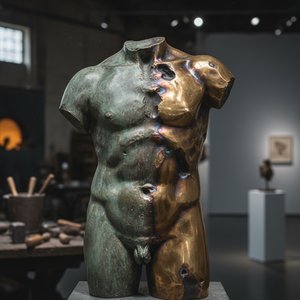
青銅彫刻の永続的遺産:歴史、技法、そして現代における解釈
青銅彫刻の歴史、技法、現代における解釈を専門家が解説。古代から現代までの貴重な作品群を深く理解し、コレクションや投資に役立つ情報を提供します。美術品鑑定、修復についてもご紹介。
