
 プリント版に切り替え
 続きを読む
続きを読む







































 いずれかの辺が105 cm(約41インチ)を超えるアートワークまたは複製画の場合、フレームは分解されたキットの状態でお届けいたします。この方法は、輸送中の破損を防ぎ、安全に配送するために採用しております。


A Moment Frozen in Motion: Exploring Vincent van Gogh’s “Dog”
- Subject Matter & Narrative The artwork depicts a dynamic scene of animals—specifically, a dog in motion amidst other dogs and birds. More than just a depiction of creatures inhabiting a landscape, it encapsulates a feeling of unrestrained energy and spontaneity. Van Gogh’s intention wasn't merely to record what he saw; rather, he sought to convey an emotional response to the subject matter – a palpable sense of movement and vitality that transcends literal representation.
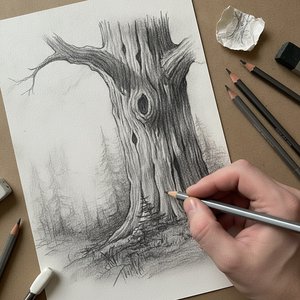
- Style & Technique: Impressionistic Echoes While firmly rooted in representational art, “Dog” possesses stylistic qualities reminiscent of Impressionism. This is achieved through Van Gogh’s masterful use of loose brushstrokes and an emphasis on capturing the fleeting effects of light and atmosphere. Unlike academic painting traditions prioritizing meticulous detail, Van Gogh deliberately eschewed precision, favoring instead a technique characterized by direct pencil application with minimal erasing—a bold decision that prioritized expressive gesture over photographic accuracy.
- Composition & Visual Language The diagonal placement of the central dog immediately draws the viewer’s eye and establishes a dominant visual rhythm. Supporting this dynamic element are secondary figures – other dogs and birds – rendered with less detail, serving to heighten depth perception and reinforce the overall impression of movement. Careful consideration is given to perspective; size variations between the foreground dog and background animals contribute to creating an illusion of space.
- Color Palette & Material Considerations The artwork’s monochromatic palette—primarily shades of gray—is a deliberate choice that amplifies the impact of line work and tonal variation. Graphite pencils were employed as the medium, allowing for nuanced shading and textural rendering. This selection underscores Van Gogh's commitment to conveying emotion through form and surface qualities rather than relying on color to stimulate visual sensation.
- Symbolism & Emotional Resonance Beyond its depiction of animals, “Dog” speaks to broader themes of freedom, vitality, and perhaps even vulnerability. The dog’s energetic posture embodies a spirit of unrestrained movement—a defiance against confinement—reflecting Van Gogh's own personal struggles and aspirations during his turbulent life. It invites contemplation on the beauty found in imperfection and the transformative power of artistic expression.
よくあるご質問
「Dog」のガイドはどこにありますか?
フィンセント・ファン・ゴッホ作「Dog」のガイドページでは、印刷して活用できる2枚構成のファクトシートを提供しています。これには、作品とその詳細情報をまとめたデータテーブル、アーティストの生涯における時代背景を示す年代チャート、同アーティストによる他の作品、測定されたカラーパレット、そしてそのままコピーして使用できる4つの形式の引用文献情報が含まれています。
「Dog」の色味は、鮮やかですか、それとも落ち着いていますか?
フィンセント・ファン・ゴッホ作「Dog」は、Mutedの彩度とMonochromaticの強烈な色彩で記録されています。
「Dog」は、フィンセント・ファン・ゴッホの通常の作風を代表するものと言えるでしょうか?
「Dog」はanimal sketch, motion capture, monochrome drawing, landscape detail, dynamic composition, pencil technique, wildlife sceneを描いていますが、フィンセント・ファン・ゴッホのこれまでのテーマとして記録されているのはimpressionist impressionism, dutch landscape tradition, emotional expression style, movement exploration, artist vision legacyです。この二つを比較することで、本作が作家のいつもの主題とどのように関連しているかが明らかになります。
More about this painting
 設置イメージを確認
 送る
送る シェア
シェア
 詳細情報
詳細情報 ガイドを表示

 画像をダウンロード
 似ている作品
 X線調査
X線調査 スライドショー
 Q&A
Q&A 統計情報
統計情報






![イリス [1889]](/media/artworks/images-thumb/ca/85/ca85582a4fd1dc392efef83ec4dc3124.jpg)

