

 送る
送る シェア
シェア
 詳細情報
詳細情報 ガイドを表示

 画像をダウンロード
 似ている作品
 スライドショー
 統計情報
統計情報Erase
 Installation Art
- Installation
- Contemporary Installation Art
 2013
2013- Contemporary
 Kochi-Muziris Biennale
 続きを読む
続きを読む
このページに掲載されている作品は著作権法によって保護されており、当社の許可なく同一の複製物を制作または販売することは法律で禁じられています。この保護は、以下のような国際条約に基づき執行されます。 ベルヌ条約 および、以下の条項に定められたものを含む各国の法律により、 米国著作権法 第17編。
敬意を払った法的な代替手段として、私たちはオリジナルにインスピレーションを与えられた、カスタムの手描きアートワークを提供しています。私たちの熟練したプロのアーティストは、元の作品が持つスタイル、情緒、そして芸術的なエッセンスを注意深く研究し、独自の創作物でありながら、同じ感性を呼び起こすような、新しくユニークな作品を作り上げます。
この手法は、著作権で保護された作品の複製や複写を伴わないため、著作権法に完全に準拠しています。これは単なる模倣ではなく、創造的な再解釈です。元の作品からインスピレーションを受けつつも、それとは異なる、全く新しい絵画を生み出すものです。
手描き油彩複製画
当社のアーティストが、お客様のご希望のサイズと額縁に合わせて、キャンバスに手描きで制作する油彩画です。 ( プリント版に切り替え デジタル画像販売へ切り替え)




































作品のオリジナル比率に合わせた、当店の規定サイズからお選びください。

フレームや壁のスペースに合わせて、ご希望の幅と高さを入力してください。本作品は手描きのため、異なる比率のサイズをご希望の場合、絵画の周囲を少し広げて描くか、あるいは端を少しカットして調整することが可能です。お客様のご要望に合わせます。制作を開始する前に、仕上がりを確認するためのデジタルモックアップをお送りいたします。このページに表示されている画像は完成品の実物ではなく、あくまでモックアップによるイメージです。
ご注文後、OriginalUniqueArt.com チームより詳細な指示をお送りするとともに、仕上がりイメージ(モックアップ)をご提供いたします。


 ガラスオプションは、110cm未満のサイズでのみご利用いただけます。

Erase
再現技法
複製画サイズ一覧
-


合計金額
¥ 47606
A Ritual of Release: The Immersive World of Erase
In the quiet intersection of sculpture and performance, Venkataiah Srinivas Prasad’s 2013 installation, Erase, stands as a profound testament to the power of catharsis. This is not merely an object to be viewed from a distance, but an experiential journey that demands physical participation. The work presents a striking visual paradox: a thorny, woven cocoon suspended precariously above a rugged ascent of gunny sacks. As one navigates the uneven terrain of these earth-toned, filled bags, the viewer is drawn upward toward a prickly hollow. This architectural movement—the literal climb toward vulnerability—sets the stage for a deeply personal encounter with one's own psyche.
The aesthetic of the piece is rooted in a raw, organic minimalism that resonates with the textures of the natural world. The use of thorny branches to construct the cocoon creates a sense of protective yet sharp boundaries, while the burlap and sand elements ground the installation in a tactile, elemental reality. To look upon this work is to witness a dialogue between the man-made and the wild; the structured geometry of the ascent meets the chaotic, organic sprawl of the thorns. For collectors and designers, the visual language of Erase offers a sophisticated palette of earthy neutrals and complex textures that evoke a sense of grounded tranquility and contemplative depth.
Symbolism and the Alchemy of Destruction
Beyond its physical presence, Erase functions as a vessel for human emotion. The interior of the thorny cocoon serves as a sacred, private chamber—a sanctuary where the boundaries between the self and the external world blur. It is within this hollow that the artist invites the viewer to perform an act of psychological shedding. By whispering or thinking of unwanted memories, fears, or traumas into the heart of the structure, the participant engages in a ritualistic form of letting go. The installation acts as a physical manifestation of the desire to purge the heavy burdens of the past.
The true climax of the work, however, lies in its ephemeral nature. At the conclusion of its exhibition period, the cocoon is set ablaze under the cover of night. This ritualistic destruction is the ultimate expression of the title; as the flames consume the thorns and the branches, they take with them the very confessions uttered within. What remains is nothing but a layer of sand—a clean slate, devoid of the weight of history. This cycle of creation and annihilation offers a powerful metaphor for renewal, making the piece an emotionally resonant masterpiece that speaks to the universal human need for rebirth and the beauty of starting anew.
A Legacy of Experimental Vision
Venkataiah Srinivas Prasad’s work continues to captivate because it refuses to remain static. By blending elements of installation art, environmental sculpture, and ritualistic performance, he challenges the traditional boundaries of what a piece of art can be. Erase is not just a relic of a moment in time, but a living concept that explores the fragility of memory and the strength found in vulnerability. For those seeking to bring a sense of profound meaning and narrative complexity into their spaces, a high-quality reproduction of this work serves as a constant reminder of the transformative power of release and the enduring elegance of the natural world.
よくあるご質問
「Erase」の作者と、その画風について教えてください。
「Erase」の背景には、Venkataiah Srinivas PrasadとContemporary Installation Art運動があります。
Venkataiah Srinivas Prasad作「Erase」は、どのような空間に飾るのがおすすめですか?
Venkataiah Srinivas Prasad作「Erase」にふさわしい空間はWellness Centerです。もちろん、お客様のインテリアに合わせて調整していただくことも可能です。
Venkataiah Srinivas Prasad作「Erase」のレプリカは、どのような用途に適していますか?
「Erase」のプリントのおすすめの使い方は、Conversationです。
アーティストについて
The Soul of Installation: Venkataiah Srinivas Prasad
Venkataiah Srinivas Prasad was an artist whose work occupied the profound intersection of sculpture and performance, creating experiences that transcended mere observation to demand physical and emotional participation. Born in Chamarajanagara, India, his practice was deeply rooted in the concept of catharsis and the ritualistic release of human emotion. Rather than producing static objects for distant contemplation, Prasad crafted immersive environments that invited viewers to navigate uneven terrains and engage with the raw, organic textures of the natural world.
His artistic language was one of organic minimalism, often utilizing elemental materials to bridge the gap between the man-made and the wild. Through his use of earth-toned elements, burlap, and sand, he grounded his installations in a tactile reality that resonated with the primal textures of the earth. His work frequently explored the tension between protection and vulnerability, using sharp, thorny structures to create boundaries that were simultaneously sheltering and prickly, mirroring the complexities of the human psyche.
A Ritual of Release
One of his most significant contributions to contemporary installation art was the 2013 work titled Erase, showcased at the Kochi-Muziris Biennale in Kochi. This piece functioned as a vessel for psychological shedding, presenting a striking visual paradox: a thorny, woven cocoon suspended above a rugged ascent of gunny sacks. The installation was not merely an architectural feat but a sacred chamber where participants were invited to whisper or think of unwanted memories, fears, or traumas into the heart of the structure.
The true power of Prasad's work lay in its ephemeral and ritualistic nature. In Erase, the climax of the experience was the intentional destruction of the artwork itself. At the conclusion of its exhibition, the thorny cocoon was set ablaze under the cover of night, a symbolic act where flames consumed both the physical branches and the whispered confessions held within. This cycle of destruction left behind nothing but a layer of sand—a clean slate representing the ultimate purification from the weight of history.
Legacy and Artistic Significance
Prasad's significance in the realm of Contemporary Installation Art stems from his ability to transform the gallery space into a site of spiritual and psychological alchemy. His mastery lay in the following elements:
- The creation of experiential journeys that required the viewer to physically climb and navigate difficult landscapes.
- The use of symbolic materials, such as thorns and sand, to represent the duality of pain and peace.
- The implementation of performance-based destruction to achieve a sense of true artistic finality and emotional cleansing.
Through his dedication to the ritual of letting go, Venkataiah Srinivas Prasad left an indelible mark on the landscape of contemporary art, reminding us that the most profound encounters often occur when we allow ourselves to be vulnerable to the transformative power of change.

Venkataiah Srinivas Prasad
1947 - 2024 , India
関連記事

Raja Ravi Varma: Bridging Tradition & Modernity in 19th-Century Indian Art
Explore the life & art of Raja Ravi Varma, a pioneer who fused European techniques with Indian iconography. Discover his iconic paintings, lasting legacy, and influence on modern Indian art at OriginalUniqueArt.
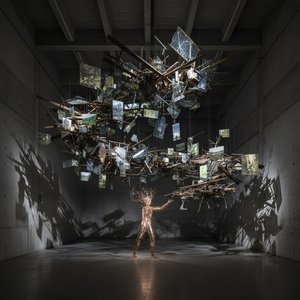
Richard Wilson: Deconstructing Landscape & Memory in Contemporary Installation Art
Explore Richard Wilson's groundbreaking landscape paintings & his enduring influence on contemporary installation art. Discover investment opportunities, provenance insights & the materiality of memory in this expert analysis.

ホテル空間におけるアートの秘めた力:ストレス軽減とブランド体験向上への貢献
ホテル空間におけるアートの活用法を脳科学とブランド戦略の視点から徹底解説。ストレス軽減、顧客体験向上、新たな価値創造に貢献するアート選定のポイントや事例を紹介します。

The Aesthetic Catalyst: Leveraging Art Installations for Guest Engagement & Organic Social Marketing
Discover how strategic art installations elevate hotel experiences & drive organic social visibility. Expert insights on design, ROI, guest engagement, and creating unforgettable spaces for luxury hospitality brands.
OriginalUniqueArt.com FAQ:壁画とフレスコ画の依頼:富裕層コレクターのためのカスタマイズ、スケール、設置に関する質問
OriginalUniqueArt.comでは、富裕層コレクター様向けに、完全カスタムの壁画・フレスコ画を承ります。スケール、設置、制作プロセスに関する疑問にお答えし、空間価値を高める最高品質のアートをご提供します。