

 プレビュー
プレビュー
 プリントを購入
 シェアする
シェアする シェアする
シェアする
 詳細を見る
詳細を見る

 ダウンロード
 似ている作品
 X線調査
X線調査 スライドショー
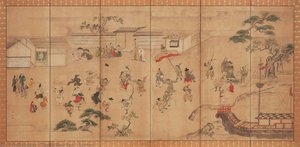
Screen


 詳細を見る
詳細を見る




































作品のオリジナル比率に合わせた、当店の規定サイズからお選びください。

特定のフレームやスペースに合わせて、ご希望のサイズをご入力いただけます。選択されたサイズが元の画像の比率と異なる場合、アートワークをトリミングするか、手描きで要素を追加して絵画を拡張いたします。デジタルモックアップ を制作し、制作開始前にご確認(承認)をいただきます。
画面上のプレビューは、実際のトリミングや拡張を正確に反映しているものではありません。最終的な構図は、モックアップによってのみ正確にご確認いただけます。
カスタムサイズもご利用いただけますが、元の比率を維持するためには、あらかじめ用意されたリストからサイズを選択することをお勧めいたします。
ご注文後、OriginalUniqueArt.com チームより詳細な指示をお送りするとともに、仕上がりイメージ(モックアップ)をご提供いたします。


 ガラスオプションは、110cm未満のサイズでのみご利用いただけます。

Screen
複製技法
複製画のサイズ
-


合計金額
$ 300
アーティストの略歴
The Visionary Synthesis of Tsuda Sen
In the twilight of the Edo period, a time of profound transition for Japan, the works of Tsuda Sen emerged as a breathtaking bridge between ancient tradition and the encroaching modern world. Born into the disciplined atmosphere of a samurai family in Tokyo, Sen possessed a unique intellectual lineage that allowed him to look beyond the borders of his nation. While many of his contemporaries remained anchored in the established aesthetics of Japanese calligraphy, Sen was driven by an insatiable curiosity for the scientific and the structural. His early education, heavily influenced by his father’s foresight regarding Western knowledge, instilled in him a rare ability to observe the natural world through a lens of both botanical precision and artistic grace. This duality—the scientist's eye for detail and the artist's soul for expression—would become the hallmark of his enduring legacy.
The true brilliance of Sen’s career lies in his pioneering development of what is now recognized as Namban grammar, a revolutionary decorative art form. This was not merely an aesthetic choice but a profound linguistic experiment translated into visual media. By studying the rhythmic structures and geometric complexities of European grammatical forms, Sen sought to create a new visual language for Japan. He moved away from the fluid, often organic strokes of traditional ink wash toward a more structured, deliberate use of shapes and stylized lettering. This innovation allowed for a level of precision and complexity that could convey intricate ideas with a newfound elegance, effectively mimicking the structural logic of Western thought while maintaining a distinctly Japanese spirit.
A Legacy of Botanical Precision and Decorative Innovation
Beyond his linguistic experiments, Sen’s work was deeply rooted in the tangible beauty of the natural world. His training in botany at Tokyo Imperial University provided him with an unparalleled understanding of organic forms, which he seamlessly integrated into his decorative compositions. This scientific rigor breathed life into his screens and paintings, where every leaf, petal, and insect was rendered with a meticulousness that bordered on the hyper-realistic, yet always remained harmoniously balanced within his stylized frameworks. His ability to marry the rigid geometry of his Namban style with the delicate textures of nature created a tension that was both captivating and avant-garde for his era.
The historical significance of Tsuda Sen cannot be overstated, as he stood at the precipice of Japan's modernization. His collaborative efforts, most notably alongside his son, Tsuda Umeko, helped to forge a path where Eastern decorative traditions could dialogue with Western structural principles. Through his trade-themed screens and innovative use of geometric motifs, he prepared the Japanese visual consciousness for the globalized era that was to follow. Today, his work remains a testament to the power of cross-cultural synthesis, reminding us that true innovation often occurs at the intersection of disparate worlds, where the precision of science meets the boundless imagination of art.
tsuda dou-sen
1804 - 1856 , Japan
基本情報
- Artistic Movement Or Style: Namban-jin Xu-ekizu
- Date Of Birth: August 6, 1837
- Date Of Death: April 24, 1908
- Full Name: Tsuda Sen
- Nationality: Japanese
- Notable Artworks: ['Trade Screens']
- Place Of Birth: Tokyo, Japan

