
 プレビュー
プレビュー
 シェアする
シェアする シェアする
シェアする
 詳細を見る
詳細を見る

 ダウンロード
 似ている作品
 X線調査
X線調査 スライドショー
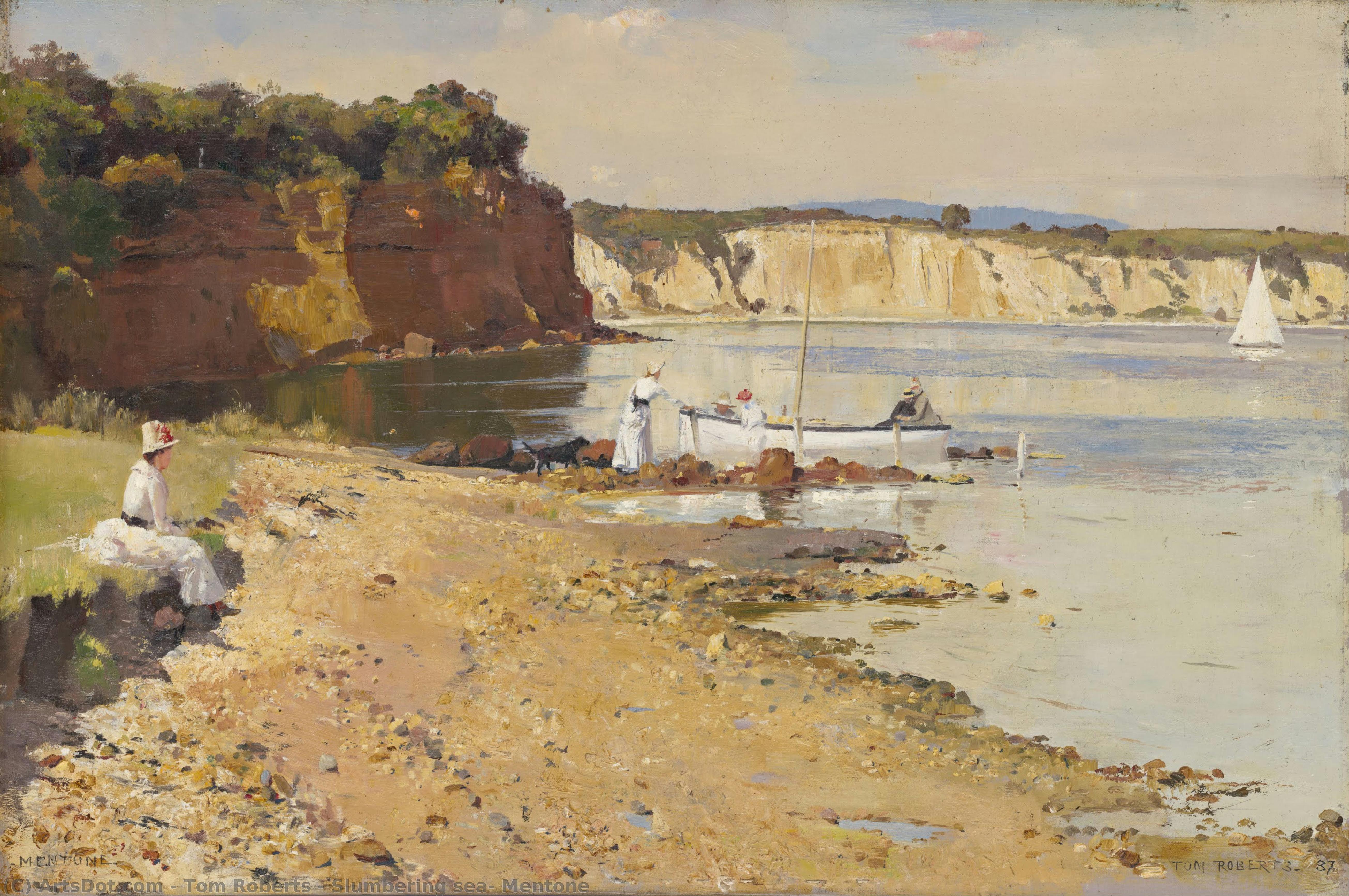
Slumbering sea, Mentone
 Acrylic On Canvas
- WallArt
- Australian Impressionism
 1887
1887 51.0 x 76.0 cm
 国立ギャラリー・オブ・ビクトリア
 詳細を見る
詳細を見る
ジークレー/アートプリント
迅速な制作と多彩な仕上げオプションを備えた、ミュージアムクオリティのジークレーまたはキャンバスプリント。 ( 手描きの絵画を購入 画像を購入)




P118B $10

P118H $10

P118W $10

P438Z $10

P508JH $12

P508YH $12

P805H $10

P805Z $10

P919BZ $10

P919G $10

P919XJ $10

P959ZH $10

P968JZ $12

W106C $8

W218G $10

W218JH $8

W218Y $10

W307PJ $10

W316G $10

W316PJ $8

W316Y $10

W398PJ $8

W4111J $10

W500HY $15

W500JH $15

W692G $12

W849H $8

W940BG $15

W953PJ $8




作品のオリジナル比率に合わせた、当店の規定サイズからお選びください。

特定のフレームやスペースに合わせて、ご自身でサイズを指定することも可能です。選択されたサイズが元の画像の比率と一致しない場合、作品をトリミングするか、鏡面反射または単色での塗りつぶしによって画像を拡張いたします。制作を開始する前に、ご確認用のデジタルモックアップをお送りいたします。
画面上のプレビューには、実際のトリミングや拡張は反映されませんのでご注意ください。最終的な構図を正確に確認できるのは、モックアップのみとなります。
カスタムサイズも承っておりますが、元の比率を維持するためには、あらかじめ用意されたリストからサイズを選択することをお勧めいたします。


 ガラスオプションは、110cm未満のサイズでのみご利用いただけます。

Slumbering sea, Mentone
ジークレー/アートプリント
複製画のサイズ
-


合計金額
$ 80
作品詳細説明
Tom Roberts’ “Slumbering Sea, Mentone” – A Moment of Australian Harmony
“Slumbering Sea, Mentone,” painted in 1887 by Tom Roberts, is more than just a depiction of a coastal scene; it's a carefully constructed meditation on light, color, and the burgeoning sense of national identity within Australia. This work, housed at the National Gallery of Victoria, offers a captivating glimpse into the heart of the Heidelberg School’s artistic philosophy – a movement that sought to capture the unique spirit of the Australian landscape and its people.
Roberts, born in England but deeply rooted in the burgeoning Australian art scene, was a pivotal figure in establishing a distinctly ‘Australian’ visual language. He moved to Melbourne in 1869 and quickly immersed himself in the local artistic community, influenced by Louis Buvelot's traditional landscape training while simultaneously absorbing the vibrant Impressionistic techniques he encountered during his European travels. “Slumbering Sea, Mentone” exemplifies this synthesis – a masterful blend of observation, technique, and a profound understanding of light’s transformative power.
A Composition Woven with Triangles
The painting immediately draws the eye to its intricate composition. Roberts doesn't simply present a seascape; he orchestrates it through a sophisticated interplay of geometric forms. The foreground is dominated by interlocking triangles, subtly layered and overlapping, creating a sense of depth and spatial complexity. These triangular motifs aren’t merely decorative; they act as visual anchors, guiding the viewer’s eye across the canvas and contributing to the painting's overall harmony.
The central figure – a woman and boy with their loyal dog – seated on the shore serves as a crucial compositional device. Roberts strategically positions them within this triangular framework, drawing attention towards the distant boat and its journey into the bay. This placement creates a narrative flow, inviting the viewer to participate in the scene’s unfolding drama.
The Language of Color and Light
Roberts' masterful use of color is central to the painting’s evocative power. He eschews the bright, saturated hues often associated with Impressionism, instead favoring a more restrained palette dominated by earthy tones – umbers, ochres, and chalky whites – that perfectly capture the muted light and atmosphere of Mentone. These grounded colors are then brilliantly contrasted with delicate blues in the sky and sea, and the vibrant whites of the figures’ clothing, the boat, and the distant sail.
The painting is a testament to Roberts' ability to render the effects of light on color. He skillfully captures the hazy quality of the air, the shimmering reflections on the water, and the subtle gradations of tone that define the Australian landscape. The sparing use of black – in the sashes of the women’s dresses, the dog, and the boat’s rim – adds depth and definition without overwhelming the overall luminosity.
Symbolism and a Moment of Tranquility
Beyond its technical brilliance, “Slumbering Sea, Mentone” is rich in symbolic meaning. The scene evokes a sense of tranquility and connection to nature—a key theme within Australian art at the time. The boat represents progress and exploration, while the figures embody domesticity and the values of family life. The painting can be interpreted as a celebration of the Australian way of life – a harmonious blend of rural simplicity and burgeoning modernity.
Roberts’ choice to paint *en plein air*—outdoors directly from nature—underscores this connection. He sought not just to replicate what he saw, but to capture the very essence of the scene, imbuing it with his own emotional response. “Slumbering Sea, Mentone” is a beautiful and enduring testament to Roberts’ skill as a colorist and a painter who truly understood the soul of Australia.
アーティストの略歴
オーストラリアの光の先駆者:トム・ロバーツの生涯と芸術
1856年3月8日、イングランドのドーチェスターに生まれたトーマス・ウィリアム・ロバーツは、後にオーストラリア独自の芸術的アイデンティティを確立させる上で、極めて重要な役割を果たす人物となりました。彼の幼少期は、1869年に家族とともにメルボルンへと移住した経験によって決定づけられ、その旅路は彼の芸術的ビジョンを不可逆的に形作ることになります。オーストラリアの広大な風景と、この地特有の光は、彼の中に、養子となった故郷の本質を捉えたいという情熱を燃え上がらせました。当初は写真家の助手として働いていたロバーツは、その過程で観察眼を研ぎ澄ませ、構図を見極める力を養いました。これらの資質は、後に彼の名高い絵画の代名動となるものです。同時に彼は正式な美術教育も追求し、ルイ・ブヴェロの指導を受けました。ブヴェロの影響は、彼に風景画への愛を植え付け、伝統的な技法の基礎を築かせたのです。しかし、ロバーツの芸術的視野を真に広げたのは、1881年のヨーロッパ滞在でした。オーストラリア・インプレッショニズムの形成
ヨーロッパでの日々、特にロンドンのロイヤル・アカデミーでの学びは、勃興しつつあった印象派運動を含む、当時の最新の芸術潮流に彼を触れさせました。彼は、自然から直接、屋外で描く「プレネール(戸外)」技法を吸収し、移ろいゆく光や空気感を捉えることに注力するようになりました。1885年にオーストラリアへ帰国した際、彼が持ち帰ったのは単なる技術的なスキルだけではありませんでした。そこには、真にオーストラリアらしい芸術を創造したいという熱烈な渇望がありました。この野心は、フレデリック・マッカビン、アーサー・ストリートン、チャールズ・コンダーといった同時代の画家たちとの共作へと繋がり、「ハイデルベルク派」、あるいは「オーストラリア印象派」として知られる運動の核を形成することになります。彼らはボックス・ヒルやイーグルモントに画家たちのキャンプを設け、オーストラリアのブッシュ(原生林)を観察し描くことに捧げられたライフスタイルを受け入れました。これらは単なる芸術的な試みではなく、ヨーロッパの慣習を拒絶し、自国のユニークな特性を称えるための、文化的な独立宣言でもあったのです。1889年の「9×5印象派展」では、杉材のシガーボックスの蓋を用いた小規模な絵画が展示されましたが、これは新しい芸術的ビジョンの大胆な宣言であり、確立された規範に対する挑戦的な問いかけとして、オランダの美術史における決定的な瞬間となりました。国家の物語と不朽の遺産
印象派の原則に深く傾倒しながらも、ロバーツは単に風景を再現することに満足しませんでした。彼は「国家の物語」――すなわち、オーストラリアの日常生活の一場面を描き、その人々を讃える絵画を創り出そうと試みたのです。羊の剪定(Shearing the Rams, 1890)は、おそらく彼の最も有名な作品であり、その野心を象徴しています。この作品は農村の労働を力強く描き出し、作業に励む剪定師たちのエネルギーと仲間意識を見事に捉えています。それは単なる活動の記録ではなく、オーストラリア的な男性像と、牧畜産業の重要性を称える賛歌なのです。脱出!(A Break Away!, 1891)もまた、ダイナミックな構図と陽光に満ちた空気感によって、平原を牛と共に駆ける牧童たちの姿という、オーストラリア生活の真髄とも言える瞬間を捉えています。一方で、待ち伏せ(Bailed Up, 1895)は、祝祭的な雰囲気とは対照的に、無法者に襲撃される舞台馬車を描くことで、フロンティア・ライフの過酷な現実を鮮烈に提示しています。これらの作品は単に審美的に優れているだけでなく、「芸術を通じてオーストラリア人であることの意味」を定義しようとする試みでした。こうした象徴的な絵画の枠を超え、ロバー動は肖像画家としても多大な貢献を果たしました。そして1903年には、最初のオーストラリア議会の開会を記念して依頼された記念碑的作品ザ・ビッグ・ピクチャー(The Big Picture)を完成させました。それは、まさに国家の誕生を視覚的に記録した壮大な叙事詩でした。オーストラリア芸術の擁護者として
トム・ロバーツの影響は、彼自身の描いた絵画を遥かに超えて広がっていました。彼はオーストラリアの芸術シーンの発展のために精力的な活動を展開し、仲間の画家たちの作品を積極的に推進するとともに、オーストラリアの才能を支援し披露するための国家的機関の設立を提唱しました。彼は、この国の独特な風景、人々、そして経験を反映した、明確に「オーストラリア的な」芸術的アイデンティティを創り出すことの重要性を情熱的に信じていました。また、肖像画が国家の精神を捉える力を持っていることを見抜き、オーストラリア国立肖像画ギャラリーの設立を公に提唱した最初の一人でもありました。活気ある芸術文化を育もうとする彼の献身は、彼を単なる一流の画家としてだけでなく、オーストラリア美術史の進路を形作った先見的な指導者としての地位を不動のものにしました。彼の遺志は今もなお世代を超えて芸術家たちにインスピレーションを与え続け、国家のアイデンティティを定義し、称える芸術の不朽の力を証明し続けています。コレクションとさらなる探求
- トム・ロバーツの作品集を OriginalUniqueArt.com でご覧いただけます。
- トム・ロバーツの生涯と業績についての詳細は、Wikipediaのトム・ロバーツの項目からご確認いただけます。
- メルボルンのフェデレーション・スクエアにあるイアン・ポッター・センターにて、ロバーツの作品を含むビクトリア国立美術館(NGV)のオーストラリア美術コレクションを鑑賞できます。
- 彼の伝記や芸術的発展についてより深く知るには、Australian Dictionary of Biography などの資料をご活用ください。

トム・ロバーツ
1856 - 1931 , イギリス
基本情報
- Artistic Movement Or Style: 印象派
- Artists Or Movements Influenced By This Artist:
- ハイデルベルク派
- オーストラリア美術
- Artists Who Influenced This Artist:
- ルイ・ブヴェロ
- ホイッスラー
- ベラスケス
- Date Of Birth: 1856年3月8日
- Date Of Death: 1931年9月14日
- Full Name: トーマス・ウィリアム・ロバーツ
- Nationality: オーストラリア人
- Notable Artworks:
- 羊の剪定 (Shearing the Rams)
- 脱出! (A Break Away!)
- 待ち伏せ (Bailed Up)
- 南下 (Coming South)
- ビッグ・ピクチャー (Big Picture)
- Place Of Birth: イギリス、ドーチェスター
関連記事

Impressionism's Masterpieces: 10 Paintings That Defined a Movement | OriginalUniqueArt
Journey through Impressionism's heart with 10 iconic paintings by Monet, Renoir & Degas. Explore light, color & the stories behind these masterpieces. Find museum-quality art reproductions and elevate your home decor on OriginalUniqueArt.com.

Fleeting Moments & Radiant Light: Exploring the Enduring Legacy of Impressionism
Explore the captivating world of Impressionism! Discover its history, key artists like Monet & Renoir, defining techniques, and lasting impact on modern art. Expert insights for collectors.
Robert Julian Onderdonk: Pioneering Texas Impressionism & Capturing Regional Light
Explore the life & art of Robert Julian Onderdonk, 'the Father of Texas Painting.' Discover his vibrant Impressionist landscapes, iconic bluebonnets, and lasting legacy. Learn about collecting Onderdonk's work today.
Robert Bevan: Pioneering British Post-Impressionism & the Camden Town Group's Intimate Vision
Explore the life & work of Robert Bevan, a pioneer of British Post-Impressionism and founding member of the Camden Town Group. Discover his vibrant landscapes and lasting impact on early 20th-century art.

Hubert Robert: Picturing Ruins, Preserving Memory – A Study of Romantic Antiquarianism & Artistic Innovation
Explore the captivating world of Hubert Robert, master of Romantic landscape painting & 'capriccio' ruins. Discover his historical context, artistic innovations, and collecting insights with OriginalUniqueArt.


