

 プレビュー
プレビュー
 シェアする
シェアする シェアする
シェアする
 詳細を見る
詳細を見る

 ダウンロード
 似ている作品
 X線調査
X線調査 スライドショー
 統計情報
統計情報Profane Love (Vanity)


 詳細を見る
詳細を見る
ジークレー/アートプリント
迅速な制作と多彩な仕上げオプションを備えた、ミュージアムクオリティのジークレーまたはキャンバスプリント。 ( 手描きの絵画を購入 デジタル画像販売へ切り替え)




P118B $10

P118H $10

P118W $10

P438Z $10

P508JH $12

P508YH $12

P805H $10

P805Z $10

P919BZ $10

P919G $10

P919XJ $10

P959ZH $10

P968JZ $12

W106C $8

W218G $10

W218JH $8

W218Y $10

W307PJ $10

W316G $10

W316PJ $8

W316Y $10

W398PJ $8

W4111J $10

W500HY $15

W500JH $15

W692G $12

W849H $8

W940BG $15

W953PJ $8




作品のオリジナル比率に合わせた、当店の規定サイズからお選びください。

特定のフレームやスペースに合わせて、ご自身でサイズを指定することも可能です。選択されたサイズが元の画像の比率と一致しない場合、作品をトリミングするか、鏡面反射または単色での塗りつぶしによって画像を拡張いたします。制作を開始する前に、ご確認用のデジタルモックアップをお送りいたします。
画面上のプレビューには、実際のトリミングや拡張は反映されませんのでご注意ください。最終的な構図を正確に確認できるのは、モックアップのみとなります。
カスタムサイズも承っておりますが、元の比率を維持するためには、あらかじめ用意されたリストからサイズを選択することをお勧めいたします。


 ガラスオプションは、110cm未満のサイズでのみご利用いただけます。

Profane Love (Vanity)
ジークレー/アートプリント
複製画のサイズ
-


合計金額
$ 80
The Allure of the Unresolved: Titian's Masterpiece
Titian’s Sacred and Profane Love, painted in 1514 during the artist’s formative years, isn’t merely a portrait; it’s an invitation to a profound meditation on desire, mortality, and the very nature of love itself. Commissioned for the wedding celebration of Niccolò Aurelio, a secretary within Venice's powerful Council of Ten, the painting immediately captivated viewers with its arresting composition and enigmatic figures. Yet, beyond the initial visual impact lies a complex web of symbolism that has fueled centuries of debate among art historians – a testament to Titian’s genius and his willingness to challenge conventional representations.
The scene unfolds within a meticulously rendered Roman sarcophagus, transformed into an unexpected water trough. Two women, their identities deliberately obscured, occupy this liminal space, seemingly adrift between the earthly and the divine. One, draped in luxurious fabrics and adorned with jewels, embodies the sensual pleasures of worldly love – a vibrant celebration of beauty and indulgence. Her pose is relaxed, almost languid, suggesting an enjoyment of the present moment. The other woman, starkly nude and holding a torch, represents a more austere form of devotion, perhaps hinting at spiritual purity or even mourning. The contrast between these two figures immediately establishes a tension—a dialogue between earthly desires and higher aspirations.
A Symphony of Color and Technique
Titian’s mastery of color is instantly apparent in Sacred and Profane Love. He employs a rich, velvety palette – deep reds, blues, and greens – that imbues the scene with an almost palpable sense of warmth and luxury. His brushwork is loose and expressive, characteristic of his mature style, yet remarkably controlled, particularly in the rendering of the fabrics and the subtle gradations of light and shadow. The use of *sfumato*, a technique perfected by Titian himself, creates a hazy, atmospheric effect that softens the edges of the figures and blurs the boundaries between reality and illusion.
Technically, the painting demonstrates a shift in Titian’s approach. While earlier works showcased his meticulous detail and precise rendering, here we see a move towards greater spontaneity and emotional intensity. The background landscape—a dramatic vista of mountains, shepherds, and a distant church—is painted with broad, confident strokes, creating a sense of depth and perspective that anchors the figures within their environment. The inclusion of classical motifs – the sarcophagus, the Roman ruins – further reinforces the painting’s connection to Renaissance ideals of beauty, harmony, and intellectual inquiry.
Decoding the Symbols: A Layered Narrative
The symbolism embedded within Sacred and Profane Love is notoriously complex and open to interpretation. The sarcophagus itself—a symbol of death and transition—suggests a contemplation of mortality and the fleeting nature of earthly pleasures. The water flowing from the spout, nourishing a plant, could represent fertility, renewal, or even the cyclical nature of life and death. The cherubic figure swirling the water adds to this sense of mystery, hinting at divine intervention or perhaps simply the playful spirit of youth.
- The Women: Often interpreted as representing different aspects of love – earthly passion versus spiritual devotion.
- The Torch: Symbolizes enlightenment, guidance, and potentially a warning against worldly temptations.
- The Sarcophagus: Represents the passage from life to death, prompting reflection on mortality and legacy.
- The Landscape: A complex tapestry of classical and biblical imagery, suggesting themes of virtue, sin, and redemption.
Interestingly, the painting’s title itself—*Sacred and Profane Love*—is debated. Some scholars believe it reflects the dual nature of love as both a divine gift and a source of earthly desire. Others argue that it simply represents two different types of love – one based on physical attraction and the other on spiritual connection. The painting’s enduring appeal lies in its refusal to offer easy answers, inviting viewers to engage in their own interpretations.
A Timeless Reflection on Human Experience
Sacred and Profane Love remains a profoundly moving work of art, captivating audiences with its beauty, mystery, and emotional depth. It’s more than just a portrait; it's a meditation on the complexities of human experience—a reminder that love takes many forms and that even in moments of pleasure, we are inevitably confronted with the shadow of mortality. Its enduring power lies not only in Titian’s technical brilliance but also in his ability to capture the essence of our deepest desires and anxieties.
アーティストの略歴
ティツィアーノ:色彩と光のヴェネツィア巨匠
ティツィアーノ・ヴェチェッリオ(Tiziano Vecellio)、通称ティツィアーノは、イタリア・ルネサンス美術における最も重要な画家の一人であり、特に色彩表現においては他に類を見ない才能を発揮しました。彼は1490年頃にヴェネト地方のピエヴェ・ディ・カドーレで生まれ、その生涯をヴェネツィアで過ごし、ヨーロッパ全土に影響を与えました。彼の作品は、肖像画、神話画、宗教画など多岐にわたり、それぞれの分野において革新的な表現を見出しました。
幼少期、ティツィアーノはモザイク職人であるセバスティアーノ・ズッカトの工房で芸術を学び始めました。その後、ジェンティーレ・ベッリーニや彼の兄ジョヴァンニ・ベッリーニといった著名な画家たちのもとで研鑽を積みますが、特にジョルジョーネとの出会いは彼にとって決定的なものでした。二人は共同で作品に取り組み、その影響はティツィアーノの初期作品に色濃く残っています。しかし、ジョルジョーネの早逝後、ティツィアーノは独自の道を歩み始め、色彩と構図において新たな境地を開拓していきます。
革新的な色彩表現と様式発展
ティツィアーノの芸術的進化は、驚くべき多様性と実験精神によって特徴づけられます。初期の作品にはジョルジョーネの影響が強く見られ、繊細な抒情性と大気描写を巧みに操っています。『袖飾りをした男』のような肖像画では、被写体の外見だけでなく、内面的な性格までも捉えようとする試みが窺えます。成熟期に入ると、ティツィアーノはより大胆で劇的な色彩表現へと移行し、『受胎告知』に見られるように、複雑な構図と鮮やかな色彩を自在に操るようになりました。
彼は絵具の重ね塗りという技法を駆使し、光と影の効果を最大限に引き出し、作品に深みと立体感を与えました。また、肖像画においては、被写体の心理状態や個性を見事に表現することで、単なる似顔絵を超えた芸術作品へと昇華させています。『ウルビーノのヴィーナス』は、その代表的な例であり、女性の裸体描写における新たな基準を打ち立てました。ティツィアーノの色彩感覚と構図構成能力は、当時の画家たちに大きな影響を与え、ヴェネツィア派絵画の特徴を決定づける要因となりました。
パトロンとの関係と芸術的遺産
ティツィアーノの才能は瞬く間に評判となり、ヨーロッパ各地の有力な貴族や王侯から厚い信頼を得ました。神聖ローマ皇帝カール5世、スペイン国王フィリップ2世、教皇パウロ3世など、多くの権力者たちが彼の作品を求めたのです。これらのパトロンからの支援は、彼に莫大な富をもたらすだけでなく、大規模な作品制作の機会を与え、その芸術的才能をさらに開花させました。
ティツィアーノの作品は、ルネサンスからバロックへと移行する時期における重要な転換点となり、後の世代の画家たちに多大な影響を与えました。彼の影響を受けた画家としては、ピーテル・パウル・ルーベンスやレンブラントなどが挙げられます。彼の革新的な色彩表現と自由な筆致は、絵画の世界に新たな可能性をもたらし、西洋美術史における重要な遺産として今もなお高く評価されています。
ティツィアーノ作品を辿る旅
美術館とコレクション: パドヴァのスクオーラ・デル・サントやヴェネツィアのサン・サルヴァドーレなど、ティツィアーノの傑作は世界中の美術館で鑑賞することができます。
関連する芸術家: ジョルジョーネの影響と、ルーベンスやドラクロワといった後世の画家たちへの影響を辿ることで、ティツィアーノの芸術的意義をより深く理解することができます。
歴史的背景: イタリア・ルネサンス美術とヴェネツィア派絵画の世界に浸り込むことで、ティツィアーノの芸術的業績をより深く理解することができます。

ティツィアーノ
1490 - 1576 , イタリア
基本情報
- フルネーム: ティツィアーノ・ヴェチェッリオ
- 主な作品:
- 男とキルト袖
- 受難の聖母
- 髭の若い男性
- 出生地: ピエヴェ・ディ・カドーレ (イタリア)
- 国籍: イタリア
- 影響を与えたアーティスト:
- ルーベンス
- ドラクロワ
- 影響を受けたアーティスト:
- ジョルジョーネ
- ジョバンニ・ベッリーニ
- 死亡年月日: 1576年8月27日
- 生年月日: 1488/90年頃
- 芸術運動またはスタイル: ルネサンス、ヴェネツィア派
関連記事
ナショナル・ギャラリーの至宝25選:名画とアートデコレーションの世界 | OriginalUniqueArt
ロンドン・ナショナル・ギャラリーの至宝25選。モネ、レンブラントの名画から歴史的絵画まで、芸術作品の物語を紐解きます。OriginalUniqueArt.comで美術館品質の複製画とインテリアアートを見つけましょう。オンラインコレクションはこちら。
The Enduring Motif of Love in Art History: A Cross-Cultural Exploration of Representation and Emotion
Explore the rich history of love in art! Discover iconic masterpieces, artistic techniques & cultural symbolism from antiquity to modern times. Expert analysis for collectors.
Titian: Innovation, Technique & the Venetian Renaissance Portrait Tradition
Explore the revolutionary techniques & enduring legacy of Titian, the master of Venetian Renaissance portraiture. Discover insights for collectors & appreciate his impact on art history.
ナショナル・ギャラリーの至宝25選:名画が語る芸術と歴史 | OriginalUniqueArt
ワシントン美術館の至宝25選。セザンヌ、マティス、ピカソ…名画に秘められた物語と色彩を紐解きます。OriginalUniqueArtで高品質な絵画複製やインテリアアートを見つけ、お部屋に芸術の輝きを。今すぐコレクションをご覧ください!
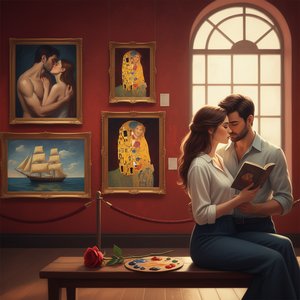
Romantic Masterpieces: 10 Artworks to Stir Your Soul |
Fall in love with art! Explore 10 iconic romantic paintings – from Renaissance classics to Impressionist masterpieces. Discover the stories behind artists like Monet & Klimt, and find museum-quality reproductions for your home at .


