

 プレビュー
プレビュー
 シェアする
シェアする シェアする
シェアする
 詳細を見る
詳細を見る ガイド
ガイド

 ダウンロード
 似ている作品
 X線調査
X線調査 スライドショー
 統計情報
統計情報Pietà (detail)


 詳細を見る
詳細を見る
ジークレー/アートプリント
迅速な制作と多彩な仕上げオプションを備えた、ミュージアムクオリティのジークレーまたはキャンバスプリント。 ( 手描きの絵画を購入 デジタル画像販売へ切り替え)




P118B $10

P118H $10

P118W $10

P438Z $10

P508JH $12

P508YH $12

P805H $10

P805Z $10

P919BZ $10

P919G $10

P919XJ $10

P959ZH $10

P968JZ $12

W106C $8

W218G $10

W218JH $8

W218Y $10

W307PJ $10

W316G $10

W316PJ $8

W316Y $10

W398PJ $8

W4111J $10

W500HY $15

W500JH $15

W692G $12

W849H $8

W940BG $15

W953PJ $8




作品のオリジナル比率に合わせた、当店の規定サイズからお選びください。

特定のフレームやスペースに合わせて、ご自身でサイズを指定することも可能です。選択されたサイズが元の画像の比率と一致しない場合、作品をトリミングするか、鏡面反射または単色での塗りつぶしによって画像を拡張いたします。制作を開始する前に、ご確認用のデジタルモックアップをお送りいたします。
画面上のプレビューには、実際のトリミングや拡張は反映されませんのでご注意ください。最終的な構図を正確に確認できるのは、モックアップのみとなります。
カスタムサイズも承っておりますが、元の比率を維持するためには、あらかじめ用意されたリストからサイズを選択することをお勧めいたします。


 ガラスオプションは、110cm未満のサイズでのみご利用いただけます。

Pietà (detail)
ジークレー/アートプリント
複製画のサイズ
-


合計金額
$ 80
The Weight of Sorrow: Titian’s Pietà – A Masterpiece of Venetian Emotion
Titian's 1576 “Pietà,” now residing within the hallowed halls of the Gallerie dell’Accademia in Venice, isn’t merely a painting; it’s an immersion into profound grief and spiritual contemplation. This oil on canvas work transcends its subject matter – the Virgin Mary cradling the lifeless body of Christ – to become a testament to the artist's unparalleled ability to capture human emotion with breathtaking intensity. More than just a religious depiction, it stands as a poignant meditation on loss, faith, and the enduring power of maternal love, rendered in Titian’s signature style that foreshadowed the Baroque era.
The genesis of this deeply affecting work is inextricably linked to the tumultuous period in which it was created. Venice, at the close of the 16th century, was grappling with a devastating plague – a specter of death that permeated every aspect of life. Titian himself experienced personal tragedy during this time; his son, Orazio, succumbed to the illness, adding an intensely private layer of sorrow to the painting’s creation. This backdrop of suffering profoundly shaped the artwork's atmosphere, imbuing it with a palpable sense of mourning and vulnerability. The very composition seems to absorb the darkness of the plague-ridden city, creating a space where grief is not merely observed but felt viscerally.
A Symphony of Color and Light – Titian’s Venetian Technique
Titian's genius lay in his mastery of color and light—qualities he exploited to an extraordinary degree. In the “Pietà,” he abandons the rigid, formalized style of earlier Renaissance painting, embracing a looser, more expressive approach. Thick, impasto brushstrokes create a tactile surface, inviting the viewer to almost reach out and touch the fabric of Mary’s garments. The palette is dominated by deep, somber hues—rich browns, blues, and purples—that evoke the twilight of death and the solemnity of mourning. Yet, within this darkness, Titian introduces subtle glimmers of light – a silvery sheen on the marble background, a faint luminescence emanating from Christ’s body—suggesting the promise of resurrection and divine grace.
Notably, Titian employs a technique he termed “alchimia cromatica,” or “chromatic alchemy.” He doesn't simply depict colors; he transforms them, layering pigments to create an illusion of depth and luminosity. The way he renders the folds of Mary’s drapery is particularly remarkable—each fold seems to shimmer with its own internal light, adding a sense of dynamism and movement to the otherwise static scene. This masterful manipulation of color is not merely decorative; it serves to heighten the emotional impact of the painting, drawing the viewer into the heart of the sorrowful narrative.
Symbolism Woven into Sorrow – Details of Devotion
Beyond its immediate visual appeal, the “Pietà” is rich in symbolic detail. The golden chain draped around Christ’s neck, for instance, is a subtle reference to Titian's own knighthood—a biographical element that adds a layer of personal significance to the work. The presence of the partially obscured figures in the background – a soldier and a man with a staff – suggests the broader context of suffering and sacrifice within Christian iconography. The positioning of Mary’s hands, cradling Christ's body, is deliberately expressive—a gesture of profound tenderness and unwavering devotion.
Furthermore, the painting’s composition itself carries symbolic weight. The pyramidal structure—a common feature in Renaissance art—creates a sense of stability amidst the chaos of grief. However, Titian subtly disrupts this traditional form, tilting the figures slightly to convey a feeling of unease and vulnerability. This deliberate asymmetry reflects the emotional turbulence at the heart of the scene – the shattering of innocence and the overwhelming weight of loss.
A Legacy of Emotion – The Pietà’s Enduring Power
Titian's “Pietà” remains a profoundly moving work of art, captivating viewers with its raw emotion and technical brilliance. It is not simply a representation of a biblical scene; it is an exploration of the human condition—a meditation on grief, faith, and the enduring power of love. Its influence can be seen in countless subsequent works of art, demonstrating Titian’s lasting legacy as one of history's greatest painters. Reproductions of this masterpiece offer a remarkable opportunity to experience the intensity of Titian’s vision, bringing its poignant beauty into any space.
アーティストの略歴
ティツィアーノ:色彩と光のヴェネツィア巨匠
ティツィアーノ・ヴェチェッリオ(Tiziano Vecellio)、通称ティツィアーノは、イタリア・ルネサンス美術における最も重要な画家の一人であり、特に色彩表現においては他に類を見ない才能を発揮しました。彼は1490年頃にヴェネト地方のピエヴェ・ディ・カドーレで生まれ、その生涯をヴェネツィアで過ごし、ヨーロッパ全土に影響を与えました。彼の作品は、肖像画、神話画、宗教画など多岐にわたり、それぞれの分野において革新的な表現を見出しました。
幼少期、ティツィアーノはモザイク職人であるセバスティアーノ・ズッカトの工房で芸術を学び始めました。その後、ジェンティーレ・ベッリーニや彼の兄ジョヴァンニ・ベッリーニといった著名な画家たちのもとで研鑽を積みますが、特にジョルジョーネとの出会いは彼にとって決定的なものでした。二人は共同で作品に取り組み、その影響はティツィアーノの初期作品に色濃く残っています。しかし、ジョルジョーネの早逝後、ティツィアーノは独自の道を歩み始め、色彩と構図において新たな境地を開拓していきます。
革新的な色彩表現と様式発展
ティツィアーノの芸術的進化は、驚くべき多様性と実験精神によって特徴づけられます。初期の作品にはジョルジョーネの影響が強く見られ、繊細な抒情性と大気描写を巧みに操っています。『袖飾りをした男』のような肖像画では、被写体の外見だけでなく、内面的な性格までも捉えようとする試みが窺えます。成熟期に入ると、ティツィアーノはより大胆で劇的な色彩表現へと移行し、『受胎告知』に見られるように、複雑な構図と鮮やかな色彩を自在に操るようになりました。
彼は絵具の重ね塗りという技法を駆使し、光と影の効果を最大限に引き出し、作品に深みと立体感を与えました。また、肖像画においては、被写体の心理状態や個性を見事に表現することで、単なる似顔絵を超えた芸術作品へと昇華させています。『ウルビーノのヴィーナス』は、その代表的な例であり、女性の裸体描写における新たな基準を打ち立てました。ティツィアーノの色彩感覚と構図構成能力は、当時の画家たちに大きな影響を与え、ヴェネツィア派絵画の特徴を決定づける要因となりました。
パトロンとの関係と芸術的遺産
ティツィアーノの才能は瞬く間に評判となり、ヨーロッパ各地の有力な貴族や王侯から厚い信頼を得ました。神聖ローマ皇帝カール5世、スペイン国王フィリップ2世、教皇パウロ3世など、多くの権力者たちが彼の作品を求めたのです。これらのパトロンからの支援は、彼に莫大な富をもたらすだけでなく、大規模な作品制作の機会を与え、その芸術的才能をさらに開花させました。
ティツィアーノの作品は、ルネサンスからバロックへと移行する時期における重要な転換点となり、後の世代の画家たちに多大な影響を与えました。彼の影響を受けた画家としては、ピーテル・パウル・ルーベンスやレンブラントなどが挙げられます。彼の革新的な色彩表現と自由な筆致は、絵画の世界に新たな可能性をもたらし、西洋美術史における重要な遺産として今もなお高く評価されています。
ティツィアーノ作品を辿る旅
美術館とコレクション: パドヴァのスクオーラ・デル・サントやヴェネツィアのサン・サルヴァドーレなど、ティツィアーノの傑作は世界中の美術館で鑑賞することができます。
関連する芸術家: ジョルジョーネの影響と、ルーベンスやドラクロワといった後世の画家たちへの影響を辿ることで、ティツィアーノの芸術的意義をより深く理解することができます。
歴史的背景: イタリア・ルネサンス美術とヴェネツィア派絵画の世界に浸り込むことで、ティツィアーノの芸術的業績をより深く理解することができます。

ティツィアーノ
1490 - 1576 , イタリア
基本情報
- フルネーム: ティツィアーノ・ヴェチェッリオ
- 主な作品:
- 男とキルト袖
- 受難の聖母
- 髭の若い男性
- 出生地: ピエヴェ・ディ・カドーレ (イタリア)
- 国籍: イタリア
- 影響を与えたアーティスト:
- ルーベンス
- ドラクロワ
- 影響を受けたアーティスト:
- ジョルジョーネ
- ジョバンニ・ベッリーニ
- 死亡年月日: 1576年8月27日
- 生年月日: 1488/90年頃
- 芸術運動またはスタイル: ルネサンス、ヴェネツィア派
関連記事

Divine Grace: An Art Historian's Journey Through Iconic Masterpieces of the Virgin Mary
Explore the profound beauty of Marian iconography through an art historian's lens. Discover iconic masterpieces by Raphael and Renaissance masters, celebrating the divine grace and timeless elegance of the Virgin Mary in classical fine art.
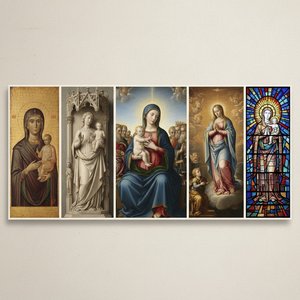
Divine Grace: A Journey Through the Most Iconic Depictions of the Virgin Mary in Art History
Embark on a profound journey through art history with our exploration of the most iconic depictions of the Virgin Mary. Discover the divine grace, symbolism, and masterful techniques found in Renaissance masterpieces and sacred iconography.
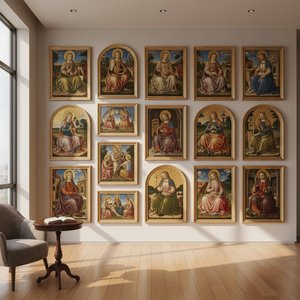
フラ・アンジェリコの傑作25選:ルネサンス美術の神髄と至高の装飾 | OriginalUniqueArt
フラ・アンジェリコの傑作25選。ルネサンス美術の神髄を紐解き、天使のような静謐な色彩と宗教画の世界へ誘います。壁画やフレスコ画の技法、修道院に息づく祈りの絵…OriginalUniqueArtで至高のアートプリントをお手軽に。コレクションを探索する。
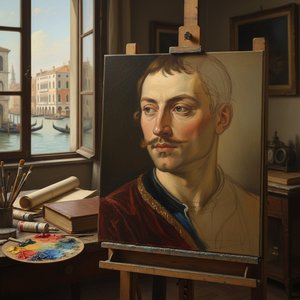
Titian: Innovation, Technique & the Venetian Renaissance Portrait Tradition
Explore the revolutionary techniques & enduring legacy of Titian, the master of Venetian Renaissance portraiture. Discover insights for collectors & appreciate his impact on art history.
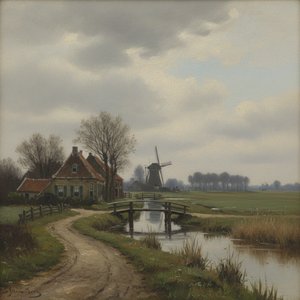
Jacob Henricus Maris: A Master of Dutch Atmospheric Realism & the Intimate Landscape
Explore the captivating world of Jacob Henricus Maris, a leading figure of the Dutch Hague School. Discover his atmospheric landscapes, signature brushstrokes & lasting influence on 19th-century art. Learn more at OriginalUniqueArt.


