

 設置イメージを確認
 送る
送る シェア
シェア
 詳細情報
詳細情報 ガイドを表示

 画像をダウンロード
 似ている作品
 X線調査
X線調査 スライドショー
 統計情報
統計情報Perseus and Andromeda
 Oil On Canvas
- WallArt
- Baroque
 1554
1554- Renaissance
 185.0 x 199.0 cm
 ウォールスコレクション
 続きを読む
続きを読む
ジークレー/アートプリント
スピーディーな制作と多彩な仕上げオプションが魅力の、ミュージアムクオリティなジークレー・キャンバスプリント。 ( 手描きの複製画を注文する デジタル画像販売へ切り替え)




P118B ¥10

P118H ¥10

P118W ¥10

P438Z ¥10

P508JH ¥12

P508YH ¥12

P805H ¥10

P805Z ¥10

P919BZ ¥10

P919G ¥10

P919XJ ¥10

P959ZH ¥10

P968JZ ¥12

W106C ¥8

W218G ¥10

W218JH ¥8

W218Y ¥10

W307PJ ¥10

W316G ¥10

W316PJ ¥8

W316Y ¥10

W398PJ ¥8

W4111J ¥10

W500HY ¥15

W500JH ¥15

W692G ¥12

W849H ¥8

W940BG ¥15

W953PJ ¥8




作品のオリジナル比率に合わせた、当店の規定サイズからお選びください。

額縁や壁のスペースに合わせて、ご希望の幅と高さを入力してください。プリントはカットすることは可能ですが、元の画像より大きくすることはできないため、異なる比率のサイズを選択された場合は、画像の一部が欠けることになります。印刷を開始する前に、内容を確認していただくためのデジタルモックアップをお送りいたします。このページに表示されている画像は、実際のカット後の状態を示すものではありません。実際の仕上がりはモックアップにてご確認ください。


 ガラスオプションは、110cm未満のサイズでのみご利用いただけます。

Perseus and Andromeda
ジークレー/アートプリント
複製画サイズ一覧
-


合計金額
¥ 12591
A Celestial Encounter in Crimson and Gold
In the grand tapestry of the Italian Renaissance, few works capture the raw, kinetic energy of myth as vibrantly as Titian’s Perseus and Andromeda. Painted between 1554 and 1556, this masterpiece is not merely a depiction of a legendary rescue; it is a breathtaking symphony of color and motion that breathes life into the ancient verses of Ovid’s Metamorphoses. As the eye wanders across the canvas, one is immediately struck by the dramatic tension between the vulnerability of the flesh and the ferocity of the elements. The composition centers on Andromeda, a figure of ethereal grace, chained to a rugged coastal outcrop, her body a pale, luminous contrast against the churning, dark waters of the sea. Above her, the hero Perseus descends from the heavens, a celestial force of nature, poised to strike down the monstrous Cetus that threatens her very existence.
Titian, the undisputed titan of Venetian color, utilizes a palette that feels almost tactile, as if the warmth of the sun and the salt of the spray could be felt through the pigment. The painting is a masterclass in Mannerist drama, where the artist eschews the static perfection of earlier eras in favor of an unsettling, expressive realism. Deep, resonant crimsons and opulent golds dance across the scene, reflecting the divine and royal themes intended for its original patron, King Philip II of Spain. These hues do more than decorate; they pulse with the heartbeat of the narrative, conveying the heat of battle and the regal splendor of the mythological age.
The Alchemy of Technique and Symbolism
To behold this work is to witness the pinnacle of Titian’s technical prowess. His ability to manipulate oil paint allows for a soft, atmospheric blurring—a technique known as sfumato—that blends the edges of the sea monster with the crashing waves, creating an immersive environment where myth and reality dissolve. The light does not simply illuminate the figures; it sculptively carves them out of the darkness, highlighting the tension in Andromeda’s outstretched arms and the muscular determination of Perseus. This interplay of light and shadow, or chiaroscuro, heightens the emotional stakes, making the viewer a silent witness to a moment of profound cosmic intervention.
Beyond the visual splendor lies a complex web of symbolism. The painting serves as an allegory for the triumph of virtue over chaos, and wisdom over brute force. Perseus, armed with the tools of the gods, represents the strategic brilliance of the intellect, while the sea monster embodies the untamed, destructive impulses of the natural world. For the discerning collector or interior designer, this piece offers more than just aesthetic beauty; it provides a profound narrative anchor for any space. It is a conversation starter that speaks to themes of heroism, sacrifice, and the transformative power of love—making it an exquisite choice for those looking to infuse their surroundings with historical depth and emotional resonance.
A Timeless Legacy for the Modern Collector
Whether displayed in a grand gallery or as a focal point in a sophisticated contemporary residence, a high-quality reproduction of Perseus and Andromeda brings with it the prestige of the Wallace Collection and the enduring legacy of the Venetian school. The painting’s scale and dramatic intensity demand attention, yet its rich textures and warm tones allow it to integrate seamlessly into luxurious decor. It is an investment in art history itself—a way to surround oneself with the same passion and poetic grandeur that captivated the monarchs of the sixteenth century. To own such a piece is to hold a fragment of the Renaissance, a window into a world where gods walked among men and beauty was the ultimate shield against the dark.
よくあるご質問
「Perseus and Andromeda」が制作されたとき、ティツィアーノは何歳でしたか?
1554年に「Perseus and Andromeda」が制作された際、1490年生まれのティツィアーノは64歳でした。
ティツィアーノ作「Perseus and Andromeda」は、絵画、デッサン、それとも版画のいずれでしょうか?
カタログ内では、ティツィアーノ作「Perseus and Andromeda」はWallArtとして分類されています。このカテゴリーを活用することで、類似の作品を探すことができます。
「Perseus and Andromeda」は、何年に、どの様式(ムーブメント)で制作されたものですか?
ティツィアーノ作「Perseus and Andromeda」は1554年に制作されたもので、Baroqueに属します。
アーティストについて
ティツィアーノ:色彩と光のヴェネツィア巨匠
ティツィアーノ・ヴェチェッリオ(Tiziano Vecellio)、通称ティツィアーノは、イタリア・ルネサンス美術における最も重要な画家の一人であり、特に色彩表現においては他に類を見ない才能を発揮しました。彼は1490年頃にヴェネト地方のピエヴェ・ディ・カドーレで生まれ、その生涯をヴェネツィアで過ごし、ヨーロッパ全土に影響を与えました。彼の作品は、肖像画、神話画、宗教画など多岐にわたり、それぞれの分野において革新的な表現を見出しました。
幼少期、ティツィアーノはモザイク職人であるセバスティアーノ・ズッカトの工房で芸術を学び始めました。その後、ジェンティーレ・ベッリーニや彼の兄ジョヴァンニ・ベッリーニといった著名な画家たちのもとで研鑽を積みますが、特にジョルジョーネとの出会いは彼にとって決定的なものでした。二人は共同で作品に取り組み、その影響はティツィアーノの初期作品に色濃く残っています。しかし、ジョルジョーネの早逝後、ティツィアーノは独自の道を歩み始め、色彩と構図において新たな境地を開拓していきます。
革新的な色彩表現と様式発展
ティツィアーノの芸術的進化は、驚くべき多様性と実験精神によって特徴づけられます。初期の作品にはジョルジョーネの影響が強く見られ、繊細な抒情性と大気描写を巧みに操っています。『袖飾りをした男』のような肖像画では、被写体の外見だけでなく、内面的な性格までも捉えようとする試みが窺えます。成熟期に入ると、ティツィアーノはより大胆で劇的な色彩表現へと移行し、『受胎告知』に見られるように、複雑な構図と鮮やかな色彩を自在に操るようになりました。
彼は絵具の重ね塗りという技法を駆使し、光と影の効果を最大限に引き出し、作品に深みと立体感を与えました。また、肖像画においては、被写体の心理状態や個性を見事に表現することで、単なる似顔絵を超えた芸術作品へと昇華させています。『ウルビーノのヴィーナス』は、その代表的な例であり、女性の裸体描写における新たな基準を打ち立てました。ティツィアーノの色彩感覚と構図構成能力は、当時の画家たちに大きな影響を与え、ヴェネツィア派絵画の特徴を決定づける要因となりました。
パトロンとの関係と芸術的遺産
ティツィアーノの才能は瞬く間に評判となり、ヨーロッパ各地の有力な貴族や王侯から厚い信頼を得ました。神聖ローマ皇帝カール5世、スペイン国王フィリップ2世、教皇パウロ3世など、多くの権力者たちが彼の作品を求めたのです。これらのパトロンからの支援は、彼に莫大な富をもたらすだけでなく、大規模な作品制作の機会を与え、その芸術的才能をさらに開花させました。
ティツィアーノの作品は、ルネサンスからバロックへと移行する時期における重要な転換点となり、後の世代の画家たちに多大な影響を与えました。彼の影響を受けた画家としては、ピーテル・パウル・ルーベンスやレンブラントなどが挙げられます。彼の革新的な色彩表現と自由な筆致は、絵画の世界に新たな可能性をもたらし、西洋美術史における重要な遺産として今もなお高く評価されています。
ティツィアーノ作品を辿る旅
美術館とコレクション: パドヴァのスクオーラ・デル・サントやヴェネツィアのサン・サルヴァドーレなど、ティツィアーノの傑作は世界中の美術館で鑑賞することができます。
関連する芸術家: ジョルジョーネの影響と、ルーベンスやドラクロワといった後世の画家たちへの影響を辿ることで、ティツィアーノの芸術的意義をより深く理解することができます。
歴史的背景: イタリア・ルネサンス美術とヴェネツィア派絵画の世界に浸り込むことで、ティツィアーノの芸術的業績をより深く理解することができます。

ティツィアーノ
1490 - 1576 , イタリア
アーティスト情報
- フルネーム: ティツィアーノ・ヴェチェッリオ
- 主な作品:
- 男とキルト袖
- 受難の聖母
- 髭の若い男性
- 出生地: ピエヴェ・ディ・カドーレ (イタリア)
- 国籍: イタリア
- 影響を与えたアーティスト:
- ルーベンス
- ドラクロワ
- 影響を受けたアーティスト:
- ジョルジョーネ
- ジョバンニ・ベッリーニ
- 死亡年月日: 1576年8月27日
- 生年月日: 1488/90年頃
- 芸術運動またはスタイル: ルネサンス、ヴェネツィア派
関連記事

The Enduring Legacy of Oil on Canvas: Technique, History & Aesthetic Impact
Explore the rich history & techniques of oil painting – from Renaissance masters to Impressionism. Discover pigments, layering methods, and why this timeless medium endures. Expert insights for artists & art enthusiasts.
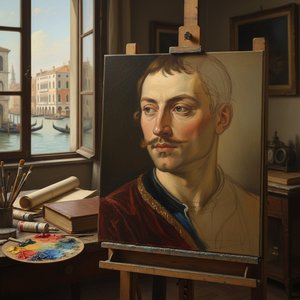
Titian: Innovation, Technique & the Venetian Renaissance Portrait Tradition
Explore the revolutionary techniques & enduring legacy of Titian, the master of Venetian Renaissance portraiture. Discover insights for collectors & appreciate his impact on art history.

Mastering Color and Light: The Timeless Brilliance of Titian's Venetian Masterpieces
Explore the luminous mastery of Titian. Discover how the Venetian master revolutionized color and light through breathtaking Renaissance techniques, from Venus Anadyomene to profound allegories, and learn to bring this timeless brilliance into your private collection.

Jacopo Palma il Giovane: A Venetian Master's Poetic Evolution
Explore the captivating world of Jacopo Palma il Giovane, a pivotal Venetian Renaissance master. Discover his unique style, influenced by Titian & Tintoretto, and learn about key works perfect for discerning collectors.

The Golden Light of Innovation: Exploring the Venetian Renaissance Art Movement (1430–1580)
Explore the Golden Age of Venetian art (1430–1580). Discover Giorgione, Titian & Tintoretto's techniques, the 'colorito' revolution, and lasting influence. Expert insights for collectors & enthusiasts.


