
 プレビュー
プレビュー
 シェアする
シェアする シェアする
シェアする
 詳細を見る
詳細を見る

 ダウンロード
 似ている作品
 X線調査
X線調査 スライドショー
 統計情報
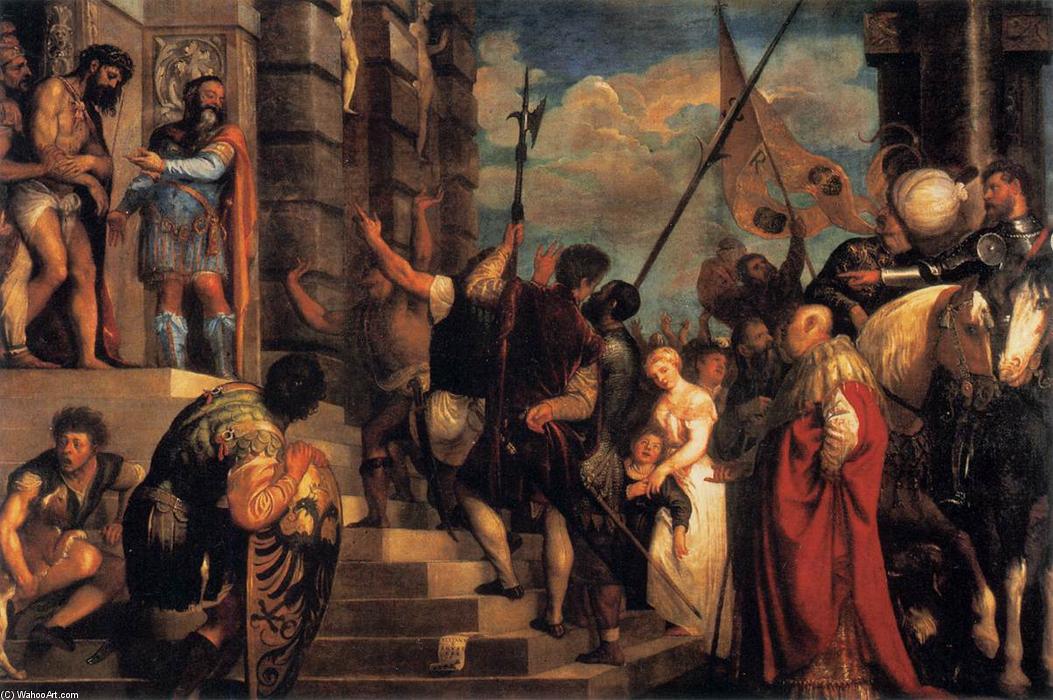
統計情報Ecce Homo
 Oil On Canvas
- WallArt
- Venetian Renaissance
 1543
1543 242.0 x 361.0 cm
 Kunsthistorisches Museum
 詳細を見る
詳細を見る
オンラインプレビューをはるかに凌ぐ、高解像度で鮮明なデジタル画像をご購入いただけます。
各ファイルは、社内の専門家が高度なツールと熟練した手作業によるレタッチを用いて、細心の注意を払って準備されています。すべての画像において、卓越した鮮明度、正確な色彩再現性、そして繊細なディテールを保証いたします。
最終ファイルは、プロフェッショナルな編集・印刷環境ですぐにご利用いただけるよう最適化された状態で、72時間以内にメールにてお届けいたします。これは、一流のデザインスタジオ、出版社、ギャラリーから信頼されているものと同等の品質です。
デジタルアート
個人での鑑賞、印刷、クリエイティブなプロジェクト用に、高解像度ファイルをダウンロードできます。 ( プリント版に切り替え 手描きの絵画を購入)
デジタル画像のご注文に付随する特典
高品質なデジタル画像配信を、確かな品質で。
OriginalUniqueArt.com を選ぶことは、単に画像を手に入れることではありません。それは、プロの手によって精密に仕上げられ、満足保証が付いた高品質なデジタルアートワークを受け取ることを意味します。ご注文いただいた際に自動的に付随する内容は、以下の通りです:

メールですぐにお届け
ご注文から72時間以内に、高解像度のデジタル画像ファイルがメールでお手元に届きます。すぐにそのままご利用いただけます。

AI技術で最適化されたデジタルファイル
お客様の作品は、高度なAIツールと専門家による手作業の編集を組み合わせてプロフェッショナルに最適化されており、細部のディテール、鮮明さ、そして正確な色再現性を最大限に引き出しています。

一生涯無料の再送サービス
ファイルを誤って削除したり、紛失してしまったりしましたか?ご安心ください。いつでも無料で再送いたします。

輸入手数料は一切かかりません
関税や手数料、配送料を気にすることなく、お気に入りのアートワークをすぐにお楽しみいただけます。デジタルダウンロードは常に免税です。

色彩再現の保証
プロ仕様のツールとカラーマネジメント技術を用いることで、デジタル画像が元の色を最大限に忠実に再現することを保証いたします。

100日間満足保証
ご購入いただいたデジタル画像にご満足いただけない場合は、100日以内であれば、理由を問わず修正または100%の返金対応をさせていただきます。

100% 返金保証
ご満足いただけない場合は、デジタルファイルを受け取ってから100日以内であれば、理由を問わず全額返金いたします。

まとめ買い割引
3枚購入で10%OFF - 5枚購入で15%OFF - 10枚以上購入で20%OFF。クリエイティブなプロジェクト、ギャラリー、エージェンシーに最適です。
The Lamentation – A Window into Venetian Soul
Titian’s “Ecce Homo,” a pivotal work from around 1543, isn't merely a depiction of the biblical moment when Pontius Pilate presents Jesus to a hostile crowd; it’s a profound meditation on grief, faith, and the unsettling beauty of suffering. This particular iteration, distinguished by its remarkably delicate color scheme – the deep blues of the cloak, the blush of the garment, and the saffron yellow of the veil – offers a glimpse into Titian's mastery of light and emotion, a hallmark of his Venetian style. The painting’s genesis is shrouded in some mystery; inventories suggest it may have been one of several works, including a wooden Madonna, that accompanied Charles V to the monastery of Yuste, hinting at its significance as a devotional object intended for private contemplation.
Titian's approach transcends simple narrative illustration. He doesn’t simply record an event; he imbues it with a palpable sense of sorrow and vulnerability. The composition itself is carefully orchestrated: Jesus, presented in a pose that simultaneously conveys humility and profound pain, dominates the scene. His hands, clasped together as if in prayer or supplication, are rendered with exquisite detail – every crease and line etched with an almost unbearable weight. The figures surrounding him—soldiers, onlookers—are sketched with swift, confident strokes, their expressions ranging from indifference to veiled hostility, further amplifying the central figure’s isolation.
A Masterclass in Venetian Color and Technique
Executed in oil on canvas, “Ecce Homo” exemplifies Titian's revolutionary use of color. He wasn’t simply applying pigment; he was manipulating light and shadow to create an illusion of depth and atmosphere. The blues are not uniform but layered with subtle variations, suggesting the folds of the cloak and the play of light on the fabric. The pink garment is treated with a delicate glazing technique, creating a luminous quality that seems to emanate from within. This masterful handling of color was revolutionary for its time, moving away from the flat, monochrome styles prevalent in Northern Europe.
Titian’s brushwork is equally remarkable. It's loose and expressive, yet remarkably controlled. He employs a technique known as “alla prima,” meaning he completed the painting in a single session, allowing for spontaneity and immediacy. Notice how he builds up layers of color with thin washes, creating a sense of transparency and luminosity. The details—the texture of the veil, the folds of the garments, the expressions on the faces—are rendered with astonishing precision, demonstrating Titian’s unparalleled skill as a portraitist and his deep understanding of human anatomy.
Historical Context and Symbolic Resonance
To understand “Ecce Homo,” it's crucial to consider its historical context. Painted in the 1540s during a period of religious upheaval and political instability, the image resonated deeply with viewers grappling with questions of faith, justice, and human responsibility. The scene itself—the presentation of a condemned man to a crowd—served as a potent metaphor for the complexities of power and the moral dilemmas faced by those in authority. The very title, “Behold the Man,” is laden with significance, challenging viewers to confront the humanity of Jesus and question their own complicity in his fate.
Furthermore, the inclusion of horses within the scene adds an intriguing layer of symbolism. While seemingly incongruous, they likely represent Roman authority and imperial power—a visual reminder of the forces that ultimately condemned Christ. The presence of these animals underscores the painting’s broader commentary on the intersection of faith, politics, and human nature.
A Timeless Appeal – Reproduction Possibilities
OriginalUniqueArt offers meticulously crafted hand-painted reproductions of “Ecce Homo,” allowing art lovers to experience Titian's masterpiece in stunning detail. Our skilled artisans replicate every nuance of color, texture, and brushwork, ensuring that the reproduction captures the emotional depth and artistic brilliance of the original. Whether you’re seeking a statement piece for your home or office, or a unique gift for an art enthusiast, our reproductions provide an authentic and captivating representation of this iconic work.
Explore our range of sizes and framing options to find the perfect “Ecce Homo” reproduction that complements your personal style. Each reproduction is created with archival-quality materials, guaranteeing its longevity and preserving the beauty of Titian’s vision for generations to come.
作家の略歴
ティツィアーノ:色彩と光のヴェネツィア巨匠
ティツィアーノ・ヴェチェッリオ(Tiziano Vecellio)、通称ティツィアーノは、イタリア・ルネサンス美術における最も重要な画家の一人であり、特に色彩表現においては他に類を見ない才能を発揮しました。彼は1490年頃にヴェネト地方のピエヴェ・ディ・カドーレで生まれ、その生涯をヴェネツィアで過ごし、ヨーロッパ全土に影響を与えました。彼の作品は、肖像画、神話画、宗教画など多岐にわたり、それぞれの分野において革新的な表現を見出しました。
幼少期、ティツィアーノはモザイク職人であるセバスティアーノ・ズッカトの工房で芸術を学び始めました。その後、ジェンティーレ・ベッリーニや彼の兄ジョヴァンニ・ベッリーニといった著名な画家たちのもとで研鑽を積みますが、特にジョルジョーネとの出会いは彼にとって決定的なものでした。二人は共同で作品に取り組み、その影響はティツィアーノの初期作品に色濃く残っています。しかし、ジョルジョーネの早逝後、ティツィアーノは独自の道を歩み始め、色彩と構図において新たな境地を開拓していきます。
革新的な色彩表現と様式発展
ティツィアーノの芸術的進化は、驚くべき多様性と実験精神によって特徴づけられます。初期の作品にはジョルジョーネの影響が強く見られ、繊細な抒情性と大気描写を巧みに操っています。『袖飾りをした男』のような肖像画では、被写体の外見だけでなく、内面的な性格までも捉えようとする試みが窺えます。成熟期に入ると、ティツィアーノはより大胆で劇的な色彩表現へと移行し、『受胎告知』に見られるように、複雑な構図と鮮やかな色彩を自在に操るようになりました。
彼は絵具の重ね塗りという技法を駆使し、光と影の効果を最大限に引き出し、作品に深みと立体感を与えました。また、肖像画においては、被写体の心理状態や個性を見事に表現することで、単なる似顔絵を超えた芸術作品へと昇華させています。『ウルビーノのヴィーナス』は、その代表的な例であり、女性の裸体描写における新たな基準を打ち立てました。ティツィアーノの色彩感覚と構図構成能力は、当時の画家たちに大きな影響を与え、ヴェネツィア派絵画の特徴を決定づける要因となりました。
パトロンとの関係と芸術的遺産
ティツィアーノの才能は瞬く間に評判となり、ヨーロッパ各地の有力な貴族や王侯から厚い信頼を得ました。神聖ローマ皇帝カール5世、スペイン国王フィリップ2世、教皇パウロ3世など、多くの権力者たちが彼の作品を求めたのです。これらのパトロンからの支援は、彼に莫大な富をもたらすだけでなく、大規模な作品制作の機会を与え、その芸術的才能をさらに開花させました。
ティツィアーノの作品は、ルネサンスからバロックへと移行する時期における重要な転換点となり、後の世代の画家たちに多大な影響を与えました。彼の影響を受けた画家としては、ピーテル・パウル・ルーベンスやレンブラントなどが挙げられます。彼の革新的な色彩表現と自由な筆致は、絵画の世界に新たな可能性をもたらし、西洋美術史における重要な遺産として今もなお高く評価されています。
ティツィアーノ作品を辿る旅
美術館とコレクション: パドヴァのスクオーラ・デル・サントやヴェネツィアのサン・サルヴァドーレなど、ティツィアーノの傑作は世界中の美術館で鑑賞することができます。
関連する芸術家: ジョルジョーネの影響と、ルーベンスやドラクロワといった後世の画家たちへの影響を辿ることで、ティツィアーノの芸術的意義をより深く理解することができます。
歴史的背景: イタリア・ルネサンス美術とヴェネツィア派絵画の世界に浸り込むことで、ティツィアーノの芸術的業績をより深く理解することができます。

ティツィアーノ
1490 - 1576 , イタリア
プロフィール概要
- フルネーム: ティツィアーノ・ヴェチェッリオ
- 主な作品:
- 男とキルト袖
- 受難の聖母
- 髭の若い男性
- 出生地: ピエヴェ・ディ・カドーレ (イタリア)
- 国籍: イタリア
- 影響を与えたアーティスト:
- ルーベンス
- ドラクロワ
- 影響を受けたアーティスト:
- ジョルジョーネ
- ジョバンニ・ベッリーニ
- 死亡年月日: 1576年8月27日
- 生年月日: 1488/90年頃
- 芸術運動またはスタイル: ルネサンス、ヴェネツィア派