

 設置イメージを確認
 送る
送る シェア
シェア
 詳細情報
詳細情報 ガイドを表示

 画像をダウンロード
 似ている作品
 X線調査
X線調査 スライドショー
 統計情報
統計情報Joseph Banks


 続きを読む
続きを読む
手描き油彩複製画
当社のアーティストが、お客様のご希望のサイズと額縁に合わせて、キャンバスに手描きで制作する油彩画です。 ( プリント版に切り替え デジタル画像販売へ切り替え)




P118B ¥10

P118H ¥10

P118W ¥10

P438Z ¥10

P508JH ¥12

P508YH ¥12

P805H ¥10

P805Z ¥10

P919BZ ¥10

P919G ¥10

P919XJ ¥10

P959ZH ¥10

P968JZ ¥12

W106C ¥8

W218G ¥10

W218JH ¥8

W218Y ¥10

W307PJ ¥10

W316G ¥10

W316PJ ¥8

W316Y ¥10

W398PJ ¥8

W4111J ¥10

W500HY ¥15

W500JH ¥15

W692G ¥12

W849H ¥8

W940BG ¥15

W953PJ ¥8




作品のオリジナル比率に合わせた、当店の規定サイズからお選びください。

フレームや壁のスペースに合わせて、ご希望の幅と高さを入力してください。本作品は手描きのため、異なる比率のサイズをご希望の場合、絵画の周囲を少し広げて描くか、あるいは端を少しカットして調整することが可能です。お客様のご要望に合わせます。制作を開始する前に、仕上がりを確認するためのデジタルモックアップをお送りいたします。このページに表示されている画像は完成品の実物ではなく、あくまでモックアップによるイメージです。
ご注文後、OriginalUniqueArt.com チームより詳細な指示をお送りするとともに、仕上がりイメージ(モックアップ)をご提供いたします。


 ガラスオプションは、110cm未満のサイズでのみご利用いただけます。

Joseph Banks
再現技法
複製画サイズ一覧
-


合計金額
¥ 47260
A Portrait of Scientific Grandeur: Joseph Banks by Thomas Phillips
Thomas Phillips’s “Portrait of Joseph Banks” is more than simply a likeness; it's a meticulously crafted tableau of scientific ambition, colonial aspiration, and the burgeoning confidence of the British Enlightenment. Completed in 1809, this remarkable painting captures Sir Joseph Banks – a man who profoundly shaped our understanding of the natural world – at the apex of his influence as President of the Royal Society and a key figure in Captain James Cook’s groundbreaking voyages. The image isn't merely a representation of a man; it’s an embodiment of a nation’s expanding horizons, a visual testament to the era’s fervent belief in exploration and discovery.
The composition immediately draws the eye to Banks himself, seated with dignified composure within the opulent confines of the Royal Society's Presidential chair. The chair, adorned with its coat of arms – a potent symbol of authority and scientific prestige – anchors him firmly within his position of leadership. His posture is one of quiet strength, yet there’s an undeniable air of intellectual curiosity about him; his gaze, directed directly at the viewer, invites engagement and suggests a mind constantly engaged in observation and analysis. The subtle tilt of his head, combined with the slight downward cast of his eyes, hints at a contemplative nature, a man deeply immersed in the intricacies of the natural world.
The Language of Detail: Technique and Style
Phillips’s mastery lies not just in capturing Banks's likeness but in rendering the textures and nuances of his attire and surroundings with astonishing precision. The painting is executed in the style of English portraiture prevalent during the early 19th century, characterized by a refined elegance and an emphasis on realistic detail. The use of oil paints allows for a remarkable depth of color and shading, creating a sense of three-dimensionality that brings the scene to life. Note the meticulous rendering of Banks’s coat – the rich fabric, the subtle sheen of the buttons, the intricate embroidery—each element contributing to an overall impression of wealth, status, and scholarly dedication.
The background is equally significant. The marble fireplace, with its lion's head motif, speaks to the grandeur of the Royal Society’s headquarters. The inclusion of a manuscript detailing botanical discoveries – a clear reference to Banks’s life’s work – subtly reinforces his scientific credentials. Even the placement of the mace cushion and inkstand, symbols of authority and intellectual pursuit, are carefully considered, adding layers of meaning to the composition.
A Symbol of Colonial Ambition
“Portrait of Joseph Banks” is inextricably linked to the era’s colonial ambitions. Banks's role in Cook’s voyages was pivotal in establishing British presence in Australia and shaping early scientific understanding of the Pacific region. The painting, therefore, can be interpreted as a visual endorsement of this expansionist policy. Banks’s confident demeanor and association with the Royal Society project an image of British intellectual superiority—a narrative designed to justify colonial endeavors.
However, it's crucial to acknowledge the complexities inherent in this interpretation. While the painting undoubtedly celebrates British scientific achievement, it also reflects the ethical dilemmas associated with colonialism. Banks’s legacy is one of both remarkable discovery and complicity in a system that profoundly impacted Indigenous populations. Considering these historical nuances adds depth and resonance to our understanding of the artwork.
Emotional Resonance and Lasting Legacy
Beyond its historical context, “Portrait of Joseph Banks” possesses a powerful emotional resonance. The painting evokes a sense of intellectual curiosity, quiet determination, and the enduring human desire to explore and understand the world around us. Banks’s gaze invites viewers to share in his passion for knowledge and his belief in the transformative power of scientific discovery.
Reproductions of this iconic portrait continue to captivate audiences today, serving as a reminder of a pivotal figure in the history of science and exploration. It stands not just as a beautiful work of art but as a window into a fascinating era—an era defined by both remarkable progress and profound ethical challenges.
よくあるご質問
「Joseph Banks」の中で、最も際立っている色はどれですか?
トーマス・フィリップス作「Joseph Banks」の主色(メインカラー)はEspresso (#443225)です。
「Joseph Banks」は、トーマス・フィリップスの制作活動におけるどの時期の作品にあたりますか?
「Joseph Banks」は、トーマス・フィリップスのEarly Maturityを象徴する作品です。
「Joseph Banks」は、トーマス・フィリップスが繰り返し描いてきた主題の中でどのような位置を占めているのでしょうか?
トーマス・フィリップスの作品に繰り返し現れるテーマにはneoclassical ideals, scientific observation, british colonial ambitions, exploration, royal society patronage, prestige, portraiture’s social commentary”, banks's legacyが含まれますが、「Joseph Banks」ではportraiture, naturalism, botany, science, exploration, society, british artに焦点を当てています。
アーティストについて
生い立ちと芸術的基盤
1770年、ウォリックシャーのダドリーに生まれたトーマス・フィリップスは、決して裕福な家庭からではありませんでしたが、19世紀後半から20世紀初頭にかけてイギリスのアートシーンで重要な人物となる人物へと成長しました。彼の初期の芸術的訓練は、伝統的な絵画教育ではなく、バーミンガムのフランシス・エジントンのもとでのステンドグラス制作でした。この基礎的な経験が、彼に細部への注意深さと、後に彼の肖像画を特徴づける色彩と光に対する理解をもたらしました。転機となったのは1790年、フィリップスがロンドンへ旅立ち、当時の著名な芸術家であり王立アカデミーの重要な人物であったベンジャミン・ウェストからの紹介状を手に入れたことでした。ウェストの指導は、フィリップスの扉を開き、ウィンザー城の聖ジョージ礼拝堂のステンドグラス制作への雇用を確保しました。この初期の大規模な装飾作品への露出は、疑いなく彼の構成センスと芸術における物語性に対する理解を形成しました。1791年、フィリップスは正式に王立アカデミーに入学し、彼の正式な芸術教育の始まりと確立されたアート界への統合が始まりました。肖像画家としての台頭:様式と主題
フィリップスはすぐに肖像画という得意分野を見つけましたが、トーマス・ローレンスやジョン・ホッパーといった著名な芸術家がすでに存在し競争の激しい状況でした。当初、彼の被写体はほとんど無名の個人でしたが、献身と技術を通して着実に社会階層を登り詰め、ますます著名な人物をスタジオに引き寄せました。彼の様式は、初期のステンドグラス制作の影響と時代の一般的な芸術的嗜好を反映した細部への徹底的なリアリズムによって特徴づけられました。彼は単なる容姿だけでなく、被写体の性格や知性を捉える能力を持っていました。この才能は、科学者、作家、詩人、探検家といった「天才たち」を描く際に特に役立ち、彼の作品の反復テーマとなりました。王室の庇護とアカデミーでの評価
1804年はフィリップスのキャリアにおける重要な転換点となり、ウィリアム・オーウェンと共に王立アカデミーのアソシエイトに選出されました。この評価は、彼が芸術界における地位を確立したことを意味しました。その後すぐに、彼はハノーバー・スクエア8番地に移り住み、40年以上にわたって彼の家兼スタジオとなる名門アドレスとなりました。彼の顧客基盤は拡大し続け、王族や貴族を含むようになりました。彼はプリンス・オブ・ウェールズ(後のジョージ4世)、スタフォード侯爵夫人、サー・ソーロウなどを肖像画に描きました。この時期の特に有名な肖像画の一つがウィリアム・ブレイクのもので、現在はナショナル・ポートレートギャラリーに所蔵されており、詩人の激しい視線とビジョン的な精神を繊細に捉えた作品として高く評価されています。1808年、フィリップスは正式なアカデミー会員の地位を獲得し、彼の卒業制作『ヴィーナスとア Adonis』を発表しました。これは彼の最も想像力豊かな構成の一つと考えられており、純粋な肖像画からより野心的な物語的絵画への移行を示しています。晩年:教授職と遺産
フィリップスの芸術界への貢献は、彼自身の作品にとどまりませんでした。1825年、彼は王立アカデミーの絵画教授に任命され、ヘンリー・フュゼリの後任を務めました。この役割を通して、彼は知識と専門知識を将来のイギリス人画家たちと共有し、次世代の育成に貢献しました。彼は1833年に『絵画の歴史と原理に関する講義』を発表し、彼の芸術的哲学と教育的アプローチについての洞察を提供しました。晩年は世間の評価がやや低下しましたが、フィリップスは1845年に亡くなるまでアート界で尊敬される人物であり続けました。彼の遺産は、彼が創造した数多くの肖像画にあります。それは、同時代の著名な人物の容姿を捉えただけでなく、芸術教育への献身とイギリスの肖像画の発展への貢献にもあります。細部へのこだわりと性格に対する感受性を組み合わせた彼の作品は、19世紀イギリスのアートにおける重要な人物としての地位を確固たるものにしています。彼の細部への注意深さとキャラクターへの繊細さは、彼が同時代の文化景観に深く関わっていた芸術家の姿を保証します。
トーマス・フィリップス
1770 - 1845 , イギリス
アーティスト情報
- Artistic Movement Or Style: ロマン主義
- Artists Who Influenced This Artist: ['ベンジャミン・ウェスト']
- Date Of Birth: 1770年
- Date Of Death: 1845年
- Full Name: トーマス・フィリップス
- Nationality: イギリス人
- Notable Artworks (List Of Titles):
- ヴィーナスとア Adonis
- バイロン卿の肖像画
- Place Of Birth (City And Country): ダドリー、イギリス
関連記事

Sir Thomas Lawrence: Portraiture, Power & Regency Society's Aesthetics
Explore the captivating world of Sir Thomas Lawrence, Regency England's premier portraitist. Discover his artistic techniques, powerful representations of society, and enduring legacy. Expert insights for discerning art collectors.

Thomas Phillips: Portraiture, Patronage & the Rise of Victorian Society Art
Explore the life & work of Thomas Phillips (1770-1845), a leading Victorian portrait painter renowned for his captivating portrayals of Britain's 'men of genius'. Discover his artistic journey, patronage, and lasting legacy.
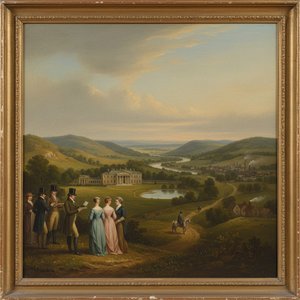
Thomas Barker of Bath: Landscape Painting & Societal Reflection in Early 19th-Century England
Explore the life & work of Thomas Barker of Bath, a key figure in 19th-century English Romanticism. Discover his Parisian success, iconic paintings like 'The Bride of Death', and lasting artistic legacy. Learn more at OriginalUniqueArt.

Majesty on Canvas: A Definitive Guide to Iconic Royal Portraits Through Art History
Explore the profound history of royal portraiture. From Baroque grandeur to Victorian elegance, discover how master artists captured power and lineage on canvas through the timeless medium of oil painting.

Sir Francis Grant: Portraiture, Patronage & Victorian Society
Explore the life & work of Sir Francis Grant, a leading Victorian portraitist. Discover his aristocratic clientele, role at the Royal Academy, and enduring artistic legacy. Learn about art patronage in 19th-century Britain.