設置イメージを確認
 送る
送る シェア
シェア
 詳細情報
詳細情報 ガイドを表示

 画像をダウンロード
 似ている作品
 X線調査
X線調査 スライドショー
 統計情報
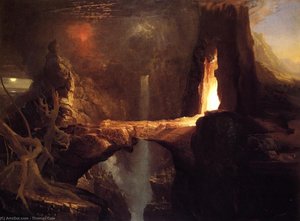
統計情報The Titan's Goblet
 油彩
油彩- ウォールアート
- Hudson River School
 1833
1833 49.0 x 41.0 cm
 メトロポリタン美術館
 続きを読む
続きを読む
手描き油彩複製画
当社のアーティストが、お客様のご希望のサイズと額縁に合わせて、キャンバスに手描きで制作する油彩画です。 ( プリント版に切り替え デジタル画像販売へ切り替え)




P118B ¥10

P118H ¥10

P118W ¥10

P438Z ¥10

P508JH ¥12

P508YH ¥12

P805H ¥10

P805Z ¥10

P919BZ ¥10

P919G ¥10

P919XJ ¥10

P959ZH ¥10

P968JZ ¥12

W106C ¥8

W218G ¥10

W218JH ¥8

W218Y ¥10

W307PJ ¥10

W316G ¥10

W316PJ ¥8

W316Y ¥10

W398PJ ¥8

W4111J ¥10

W500HY ¥15

W500JH ¥15

W692G ¥12

W849H ¥8

W940BG ¥15

W953PJ ¥8




作品のオリジナル比率に合わせた、当店の規定サイズからお選びください。

フレームや壁のスペースに合わせて、ご希望の幅と高さを入力してください。本作品は手描きのため、異なる比率のサイズをご希望の場合、絵画の周囲を少し広げて描くか、あるいは端を少しカットして調整することが可能です。お客様のご要望に合わせます。制作を開始する前に、仕上がりを確認するためのデジタルモックアップをお送りいたします。このページに表示されている画像は完成品の実物ではなく、あくまでモックアップによるイメージです。
ご注文後、OriginalUniqueArt.com チームより詳細な指示をお送りするとともに、仕上がりイメージ(モックアップ)をご提供いたします。


 ガラスオプションは、110cm未満のサイズでのみご利用いただけます。

The Titan's Goblet
再現技法
複製画サイズ一覧
-


合計金額
¥ 47236
The Titan’s Goblet: A Landscape of Myth and Time
Thomas Cole's "The Titan’s Goblet," painted in 1833, is not merely a landscape; it’s an immersive allegory, a visual poem steeped in the Romantic tradition yet profoundly rooted in American identity. This monumental oil painting, now housed at the Metropolitan Museum of Art, immediately captivates with its sheer scale and dramatic composition – a vast bowl or vase dominating a rugged mountainscape. Yet, beyond the immediate spectacle lies a complex layering of meaning, inviting viewers to contemplate themes of creation, time, civilization, and the relationship between humanity and nature.
Cole’s artistic journey is crucial to understanding this enigmatic work. Born in England but deeply influenced by European Romanticism, he arrived in America with a desire to forge a distinctly American art—one that moved beyond the historical narratives favored in Europe and instead focused on the sublime beauty of the American wilderness. “The Titan’s Goblet” exemplifies this shift; it's not a depiction of a specific place but rather an imagined realm, a constructed landscape brimming with symbolic weight. The painting’s genesis is intertwined with Cole’s own artistic struggles and his relationship with his patron, Luman Reed, who initially requested a series of paintings depicting the course of empire. The difficulties he encountered in completing this ambitious project—and his subsequent decision to paint a single, self-contained landscape—contributed significantly to the painting's open-ended interpretation.
A World Within a World
The immediate visual impact is striking: a colossal golden bowl, seemingly carved from stone, rests precariously on a mountain’s edge. Water cascades dramatically over its rim, feeding a lush, verdant landscape below – a miniature world teeming with tiny buildings reminiscent of Greek temples and Italian palaces. Scattered throughout this idyllic scene are figures engaged in leisurely activities—boating, strolling, and seemingly oblivious to the grandeur surrounding them. This internal world is juxtaposed against the stark, rocky terrain of the mountain itself, creating a powerful visual dichotomy.
However, Cole doesn’t simply present a picturesque vista. The water flowing from the goblet acts as a transformative agent. It nourishes the land below, fostering a civilization that appears both idyllic and somewhat fragile. The contrast between the cultivated world within the bowl and the desolate mountainside suggests a commentary on the impact of human activity upon nature—a subtle critique of unchecked expansion and the potential for environmental degradation. The placement of the two small buildings is particularly significant; they represent the ambition of civilization, attempting to impose order onto the untamed wilderness.
Symbolism and Interpretation
The painting’s enduring mystery stems from Cole's deliberate refusal to offer a definitive explanation. He famously refrained from providing any accompanying text, leaving the interpretation entirely open to the viewer. Over time, various theories have emerged, ranging from interpretations rooted in Norse mythology—linking the goblet to Yggdrasil, the world tree—to comparisons with Bosch’s *Garden of Earthly Delights*, suggesting a parallel creation narrative. Cole himself alluded to the idea of a “picture within a picture,” and some scholars believe he drew inspiration from J.M.W. Turner's *Ulysses Deriding Polyphemus*, reflecting his own complex relationship with the British painter’s dynamic style.
Interestingly, Cole’s initial sketches for the painting reveal a deeper engagement with the concept of time and its passage. The presence of a setting sun evokes a sense of twilight and the inevitable decline of empires—a theme that resonates throughout his “Course of Empire” series. The small figure in the foreground, often interpreted as Cole himself, gazing out over the scene, adds another layer of introspection, inviting us to contemplate our own place within this vast and timeless landscape.
A Reproduction for Your Space
OriginalUniqueArt offers meticulously crafted hand-painted reproductions of Thomas Cole’s “The Titan’s Goblet,” capturing the painting's rich detail, atmospheric depth, and evocative symbolism. Each reproduction is created by skilled artists using traditional oil painting techniques, ensuring a faithful representation of Cole’s original vision. Whether you seek to add a touch of Romantic grandeur to your living room, study, or gallery space, our reproductions provide an authentic and captivating way to experience this iconic American masterpiece. The scale of the original is faithfully replicated, allowing you to fully appreciate the painting's monumental scope and immersive quality. Bring the mystery and beauty of “The Titan’s Goblet” into your home – a timeless testament to Cole’s artistic genius.
よくあるご質問
「The Titan's Goblet」を特徴づける配色と主役となる色は何でしょうか?
トーマス・コール作「The Titan's Goblet」はアースカラーのパレットを使用しており、グレー (#95847c)が基調となっています。
トーマス・コールには、他にどのような別名や通称がありますか?
トーマス・コールは、トーマス・ゲインズバラ・コールという別名でも知られています。
「The Titan's Goblet」の油彩複製画を注文することはできますか?
トーマス・コール作「The Titan's Goblet」の手描き複製画は、当サイトの手描き油彩複製画ページよりリネンキャンバスに手描きされた油彩複製画にてご購入いただけます。
アーティストについて
アメリカ風景画の先駆者
トーマス・コールという名は、独自の発展を遂げたアメリカ美術の誕生と分かちがたく結びついており、19世紀の絵画史における極めて重要な人物として君臨しています。1801年、イングランドのランカシャー州ボルトン・ル・ムーアズに生まれた彼の幼少期には、後に彼が芸術界にもたらすであろう深遠な影響を予感させる要素はほとんどありませんでした。1818年に家族と共にアメリカへ渡り、オハイオ州に定住したコールの旅は、自己発見と芸術的な覚醒のプロセスでもありました。当初は、当時の一般的な職業であった放浪の肖像画家として活動していましたが、やがتے彼はアメリカの荒野が持つ、手つかずの美しさに強く惹きつけられていきます。この変化は単なる画題の変更に留まりませんでした。それは、歴史や神話的な物語に重きを置いていたヨーロッパの芸術的伝統からの、根本的な決別を意味していたのです。コールの風景画は、単なる景色の描写ではありませんでした。それらは、自らのアイデンティティを確立しようとしていた当時の国家の精神と深く共鳴するような、霊的かつ寓意的な深みを湛えていました。1825年にニューヨーク州キャッツキルへ移住したことは、彼の人生における転換点となりました。そこは彼にインスピレーションを与えただけでなく、自身の芸術的遺産と不可分な関係となるハドソンリバー渓谷を探索するための、永続的な拠点となったのです。ハドソンリバー派とロマン主義の理想
コールは、アメリカの風景をロマン主義的に描くことで知られる芸術運動、「ハドソンリバー派」の創始者として正当に評価されています。しかし、彼を単なる「風景画家」と呼ぶだけでは、その真価を語るには不十分でしょう。彼の作品は単なる写実的な表現を超越し、人間と自然との関係、時の経過、そして文明の興亡といったテーマを探求する、深い哲学性を備えていました。クロード・ロランやJ.M.W.ターナーといったヨーロッパ・ロマン主義の影響を受けつつも、コールはそれらの感性をアメリカという文脈へと適応させました。ヨーロッパのロマン主義者たちが内面の葛藤を反映させるために劇的で崇高な風景を描いたのに対し、コールの絵画は、自然界の中に宿る楽観主義や神聖な存在感をしばしば伝えてきました。彼はアメリカの広大な荒野の中に、国家の潜在能力と精神的な再生の象徴を見出したのです。彼の最も象徴的な作品の一つであるオックスボウ(Oxbow)(1836年)は、まさにその精神を体現しています。手つかずの荒々しい川の谷と、開拓された農地を対比させた壮大なパノラマは、西進する開拓の約束と、それに伴う困難の両方を象徴しています。寓意と「帝国の過程」
自然の写実的な描写で称賛される一方で、コールの芸術的野心は純粋な風景画の枠組みを遥かに超えていました。彼は複雑な道徳的・哲学的思想を伝えるために、しばしば寓意(アレゴリー)を用いました。その力が最も力強く示されているのが、1833年から1836年にかけて制作された記念碑的な連作帝国の過程です。「未開の状態」「牧歌的な状態」「アルカディアの状態」「絶頂」「破滅」という5枚のキャンバスからなるこのシリーズは、文明が手つかずの起源から避けられない衰退へと向かう循環的な歴史を辿っています。これらの絵画は単なる歴史的な物語ではありません。それは、抑制の効かない野心の危うさと、人類の成し遂げた業績の脆さに対する警鐘として機能しています。帝国の過程は、アメリカの風景を変貌させていた急速な工業化や西進運動への不安を反映し、当時の観衆の心に深く響きました。これにより、コールは芸術を通じて深刻な社会問題に対峙できる先見的な芸術家としての地位を確立したのです。遺産と永続する影響力
1848年、47歳という若さで迎えたトーマス・コールの突然の死は、アメリカ美術界にとって大きな損失となりました。しかし、彼の影響は世代を超えて響き続けています。彼は、ハドソンリバー派の第二世代を代表する画家の一人となるフレデリック・エドウィン・チャーチを直接指導しました。自然を観察することへの彼のこだわりと、風景画に対する深く個人的かつ象徴的なアプローチは、明確に「アメリカ的」な芸術伝統の礎を築いたのです。- ・コールの作品は、ニューヨーク歴史協会、ワシントンD.C.のナショナル・ギャラリー、スミソニアン・アメリカン・アート・ミュージアムなど、全米の主要な美術館で展示され続けています。
- ・彼の絵画は単なる歴史的遺物ではありません。それらは今日においても力強く感情を呼び起こし、鑑賞者に自然との関わりや、人類が世界においてどのような存在であるかという永遠の問いを投げかけています。
- ・ニューヨーク州キャッツキルにあるトーマス・コール国立史跡には、彼の邸宅とアトリエが保存されており、訪れる人々はこの類まれな芸術家の生涯と仕事の一端に触れることができます。

トーマス・コール
1801 - 1848 , イギリス
アーティスト情報
- Artistic Movement Or Style: ヒュドソン川美術協会
- Artists Who Influenced This Artist: ['ジョン・コンスタブル']
- Date Of Birth: February 1, 1801
- Full Name: Thomas Cole
- Nationality: アメリカ合衆国
- Notable Artworks:
- ザ・オックスボウ
- ザ・コース・オブ・エミペル
- Place Of Birth: Bolton, UK
関連記事

The Sublime Landscape: Exploring the Hudson River School Movement
Explore the captivating world of the Hudson River School! Discover the history, artists, and defining characteristics of this iconic American art movement. Learn about Romanticism's influence & find inspiration for your collection.
Epic Landscapes & Wild Nature: The Power of the Hudson River School's Sublime Artistry
Explore the breathtaking power of the Hudson River School. Journey through epic American landscapes, from Thomas Cole's sublime vistas to Luminist light, and discover how these timeless masterpieces continue to inspire modern collectors and art lovers worldwide.

Echoes of Arcadia: Nostalgia & Transformation in Vintage Landscape Art
Explore the evocative world of vintage landscape art! Discover the history, artists & emotional power behind masterpieces from the Hudson River School & beyond. Expert insights for collectors & enthusiasts.
ハドソン・リバー派を彩る至宝:10選が示すアメリカ絵画の黄金時代
ハドソン・リバー派の至宝10選を紐解き、アメリカ絵画の黄金時代へ。壮大な自然描写と巨匠たちの技が織りなす感動の世界を体験してください。トーマス・コールからチャーチまで、OriginalUniqueArt.comで高品質なアートプリントとインテリアアイデアを見つけましょう。

Robert Spencer: Luminism, Narrative & the American Landscape Tradition
Explore the captivating world of Luminism & the Hudson River School with our expert analysis. Discover the history, artists, and enduring beauty of 19th-century American landscape painting. Find museum-quality reproductions at OriginalUniqueArt.