

 プレビュー
プレビュー
 シェアする
シェアする シェアする
シェアする
 詳細を見る
詳細を見る

 ダウンロード
 似ている作品
 X線調査
X線調査 スライドショー
 統計情報
統計情報The Narrows, New York Bay


 詳細を見る
詳細を見る
手描き油彩複製画
当社のアーティストが、お客様のご希望のサイズと額縁に合わせて、キャンバスに手描きで制作する油彩画です。 ( プリント版に切り替え デジタル画像販売へ切り替え)




P118B $10

P118H $10

P118W $10

P438Z $10

P508JH $12

P508YH $12

P805H $10

P805Z $10

P919BZ $10

P919G $10

P919XJ $10

P959ZH $10

P968JZ $12

W106C $8

W218G $10

W218JH $8

W218Y $10

W307PJ $10

W316G $10

W316PJ $8

W316Y $10

W398PJ $8

W4111J $10

W500HY $15

W500JH $15

W692G $12

W849H $8

W940BG $15

W953PJ $8




作品のオリジナル比率に合わせた、当店の規定サイズからお選びください。

特定のフレームやスペースに合わせて、ご希望のサイズをご入力いただけます。選択されたサイズが元の画像の比率と異なる場合、アートワークをトリミングするか、手描きで要素を追加して絵画を拡張いたします。デジタルモックアップ を制作し、制作開始前にご確認(承認)をいただきます。
画面上のプレビューは、実際のトリミングや拡張を正確に反映しているものではありません。最終的な構図は、モックアップによってのみ正確にご確認いただけます。
カスタムサイズもご利用いただけますが、元の比率を維持するためには、あらかじめ用意されたリストからサイズを選択することをお勧めいたします。
ご注文後、OriginalUniqueArt.com チームより詳細な指示をお送りするとともに、仕上がりイメージ(モックアップ)をご提供いたします。


 ガラスオプションは、110cm未満のサイズでのみご利用いただけます。

The Narrows, New York Bay
複製技法
複製画のサイズ
-


合計金額
$ 300
A Pastoral Vision: Thomas Birch’s “The Narrows”
Thomas Birch's "The Narrows," painted in 1812, isn’t merely a landscape; it’s a carefully constructed tableau of early American life interwoven with the romantic ideals of the Hudson River School. This captivating scene depicts a serene stretch of the Narrows, the channel connecting New York Bay to Staten Island, capturing a moment of quiet industry and rural beauty. The painting immediately draws the eye to the foreground – a modest cow grazing peacefully amidst lush grasses bordering the water’s edge. This humble subject, rendered with surprising detail, speaks volumes about the importance of agriculture in the burgeoning nation, suggesting a connection between the land and its people.
Birch's style leans heavily toward the Hudson River School aesthetic – characterized by luminous light, atmospheric perspective, and an emphasis on capturing the grandeur of the American landscape. The composition is deliberately balanced, with the expansive waters of the bay dominating the background and receding towards a hazy horizon. The artist masterfully employs a technique of soft brushstrokes and subtle color variations to create a sense of depth and atmosphere, mimicking the effects of light and shadow as seen through a misty morning. Notice how Birch uses cool blues and greens in the distance to convey the vastness of the bay, contrasting with the warmer tones of the foreground – a deliberate choice that anchors the viewer’s eye.
A Window into Early 19th-Century America
Understanding “The Narrows” requires placing it within its historical context. Painted in the aftermath of the War of 1812, a conflict that profoundly shaped American identity, the scene reflects a desire to celebrate and solidify a distinctly ‘American’ vision. The Hudson River School artists sought to establish an independent artistic tradition rooted in the observation of the natural world – a counterpoint to the European academic style prevalent at the time. Birch's work exemplifies this shift, prioritizing the depiction of American landscapes over grand historical or mythological subjects.
The inclusion of boats scattered across the bay hints at the growing importance of maritime trade and commerce in early America. Staten Island, strategically located near New York City, was a vital hub for shipping and industry. Birch’s choice to depict laborers unloading a smaller boat adds another layer of narrative – suggesting the everyday activities that underpinned this burgeoning economy. The painting isn't simply a pretty vista; it’s a subtle commentary on the nation’s economic development.
Symbolism and Narrative Detail
Beyond the broad landscape, “The Narrows” is rich in symbolic detail. The cow itself represents prosperity and abundance – a cornerstone of rural life. The birds soaring overhead add to the sense of tranquility and freedom. Even the placement of the boats contributes to the overall narrative: they are not imposing warships or grand merchant vessels, but rather smaller craft engaged in routine tasks, reinforcing the painting’s focus on the ordinary rhythms of daily life.
Notably, Birch includes a small figure near the boat unloading cargo – a detail often overlooked. This individual, likely a laborer, represents the working class and their contribution to the nation's growth. The artist subtly elevates this everyday subject, imbuing it with dignity and significance within the broader landscape.
A Legacy of American Landscape Painting
Thomas Birch’s “The Narrows” stands as a significant work in the history of American art. It exemplifies the Hudson River School's commitment to capturing the beauty and spirit of the American wilderness, while simultaneously offering a glimpse into the social and economic realities of early 19th-century America. Reproductions of this painting offer a captivating window into a bygone era – a testament to the enduring power of landscape art to evoke emotion, inspire contemplation, and connect us to our shared heritage.
Further Research: For more information on Thomas Birch and his work, explore resources such as the New York Historical Society (https://www.nyhs.org/) and the Art Commission of The City of New York (https://www.nycgovparks.org/art-commission). You can also delve deeper into Birch’s life and artistic legacy through online databases like Wikipedia (https://en.wikipedia.org/wiki/Thomas_Birch_(painter)).
アーティストの略歴
大西洋を越えたヴィジョン:トーマス・バーチの生涯と芸術
1779年、イングランドのウォリックシャーに生を受けたトーマス・バーチは、後にアメリカ海事画(マリン・ペインティング)の発展において極めて重要な役割を果たすことになる、壮大な旅へと踏み出しました。彼の物語は、芸術的な継承と適応の物語であり、ヨーロッパの伝統と、新世界に芽生えつつあった情熱の両方によって形作られました。15歳のとき、バーチは家族と共にフィラデルフィエリアへと移住し、若きアメリカ合衆国にチャンスを求める職人や起業家たちの波に加わりました。父ウィリアム・ラッセル・バーチは優れた彫刻師であり細密画家でもありました。二人の共同事業である「バーチによるフィラデルフィア景観」(1800年)は、瞬く間に彼らを街の文化的景観における著名な芸術家として確立させました。この初期の作品は単なる商業的な成功に留まりませんでした。それは急速に進化する都市の本質を捉え、自らのアイデンティティを定義しようと熱望していた当時の人々にとって、深く共鳴する詳細な描写を提供したのです。このプロジェクトを通じてトーマスに刻み込まれた細部への鋭い眼差しと構図の力は、後に彼が名声を博す海事画における基礎的な技術となりました。肖像画から、海が放つ力強さへ
当初、バーチは父の足跡を辿り、肖像画に専念していました。しかし、1807年を境に、彼の芸術的軌道には劇的な変化が訪れます。海洋生活が持つドラマとダイナミズムに魅了された彼は、その後の彼のキャリアを決定づけることになる海事画へと関心を移したのです。この転換は決して偶然ではありませんでした。それは彼個人の海への憧憬であると同時に、1812年戦争へと向かう緊張の高まりの中で、海軍力に対する国家的な関心が高まっていた時代背景を反映していたのです。バーチの初期の海事作品には、ヤコブ・ファン・レイスダールやヤン・ファン・ゴイエンといったオランダの巨匠たちから受けた深い影響が見て取れる、進化し続けるスタイルが表れています。彼は、大気遠近法への細やかなこだわりや、水面に反射する光の微妙なニュアンスを捉える能力、そして全体的な写実性を称賛していました。しかし、バーチは単なる模倣に留まりませんでした。彼はこれらのヨーロッパの技法を、新興のアメリカ的な感性と融合させ、国家の誇りを芸術的に表現しようとする聴衆の心に響くような、愛国的な情熱を自身の絵画に吹き込んだのです。海戦と国家のアイデンティティ
バーチの名は、1812年戦争における海戦描写の代名詞となりました。彼の絵画は単なる歴史的な記録ではありませんでした。それはアメリカの勇気と回復力を称える、力強い視覚的物語だったのです。遺産と永続する影響力
トーマス・バーチがアメリカ美術に果たした貢献は、疑いようのないものです。彼は単に船を描いたのではありません。彼は歴史の一瞬を捉え、国家の成長する自信と、世界の舞台における志を反映させたのです。彼の作品は海戦の貴重な記録を提供し、アメリカの発展における極めて重要な時期の海洋生活への洞察を与えてくれました。彼の絵画は、歴史的記録であると同時に、国家アイデンティティの強力な象徴としての役割を果たしました。 バーチの影響は、同時代の芸術家たちに留まりませんでした。彼は海事画をアメリカの芸術的景観における重要なジャンルとして確立する手助けをし、後の芸術家たちが海の美しさとドラマを探求するための道を切り拓いたのです。彼の作品は現在、ペンシルベニア・アカデミー・オブ・ザ・ファイン・アーツ、スミソニアン・アメリカン・アート・ミュージアム、ボストン美術館など、全米の権威ある美術館のコレクションに収蔵されており、その遺産が今後何年にもわたって観衆を魅了し続けることを約束しています。1833年に全米デザインアカデミーの終身名誉会員に選出されたバーチの生涯と芸術は、芸術的ヴィジョンの持つ力、そして歴史や国家のアイデンティティに対する私たちの理解を形作る力の証として、今もなお輝き続けています。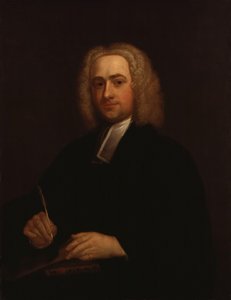
トーマス・バーチ
1779 - 1851 , イギリス
基本情報
- Artistic Movement Or Style: 海洋画、肖像画
- Artists Or Movements Influenced By This Artist: ['ハドソン・リバー派']
- Artists Who Influenced This Artist:
- ヤコブ・ファン・レイスダール
- ヤン・ファン・ゴイエン
- Date Of Birth: 1779年
- Date Of Death: 1851年
- Full Name: トーマス・バーチ
- Nationality: イギリス系アメリカ人
- Notable Artworks:
- USSユナイテッド・ステイツ号とHMSマケドニアン号
- アメリカ海軍フリゲート艦コンスティテューション
- ウォーター・ギャップの景観
- Place Of Birth: イギリス、ロンドン
関連記事

ロマン派ランドスケープ:時代を彩る巨匠の10選|アートとインテリアの世界
ロマン派絵画の時代を彩る10選。巨匠たちの風景が織りなす感動の世界へ。ターナー、ルーベンスなど、名作の裏話と高精細複製でアートをお部屋に。OriginalUniqueArt.comで至福のアート体験を。

ジョン・コンスタブルの傑作25選:英国風景画の巨匠が描く自然と光の詩 | OriginalUniqueArt
ジョン・コンスタブルの傑作25選。英国風景画の巨匠が描く自然と光の詩の世界へ。ロマン主義を代表する絵画、デダム・ヴェールやヘイ・ウェインなど、OriginalUniqueArtで高品質なアートプリントをお楽しみください。インテリアに深みと感動を。コレクションはこちら。

Evocations of Place: A Historical Journey Through Landscape Art
Explore the rich history of landscape art with OriginalUniqueArt. Discover renowned artists, movements like Impressionism & tonalism, and expert guidance for collecting timeless pieces. Find your perfect serene escape today!

Evocations of Place: A Historical Journey Through Landscape Art
Explore the rich history of landscape art with OriginalUniqueArt. Discover renowned artists, movements like Impressionism & Romanticism, and expert guidance for collecting timeless pieces. Find your perfect serene escape today!

Grahame Sydney: Evoking Otago's Soul Through Light & Landscape
Explore the captivating landscapes of Sir Grahame Sydney, a leading New Zealand artist renowned for his magic realism & evocative depictions of Otago's beauty. Discover key works and delve into his artistic legacy.