
 プレビュー
プレビュー
 シェアする
シェアする シェアする
シェアする
 詳細を見る
詳細を見る

 ダウンロード
 似ている作品
 X線調査
X線調査 スライドショー
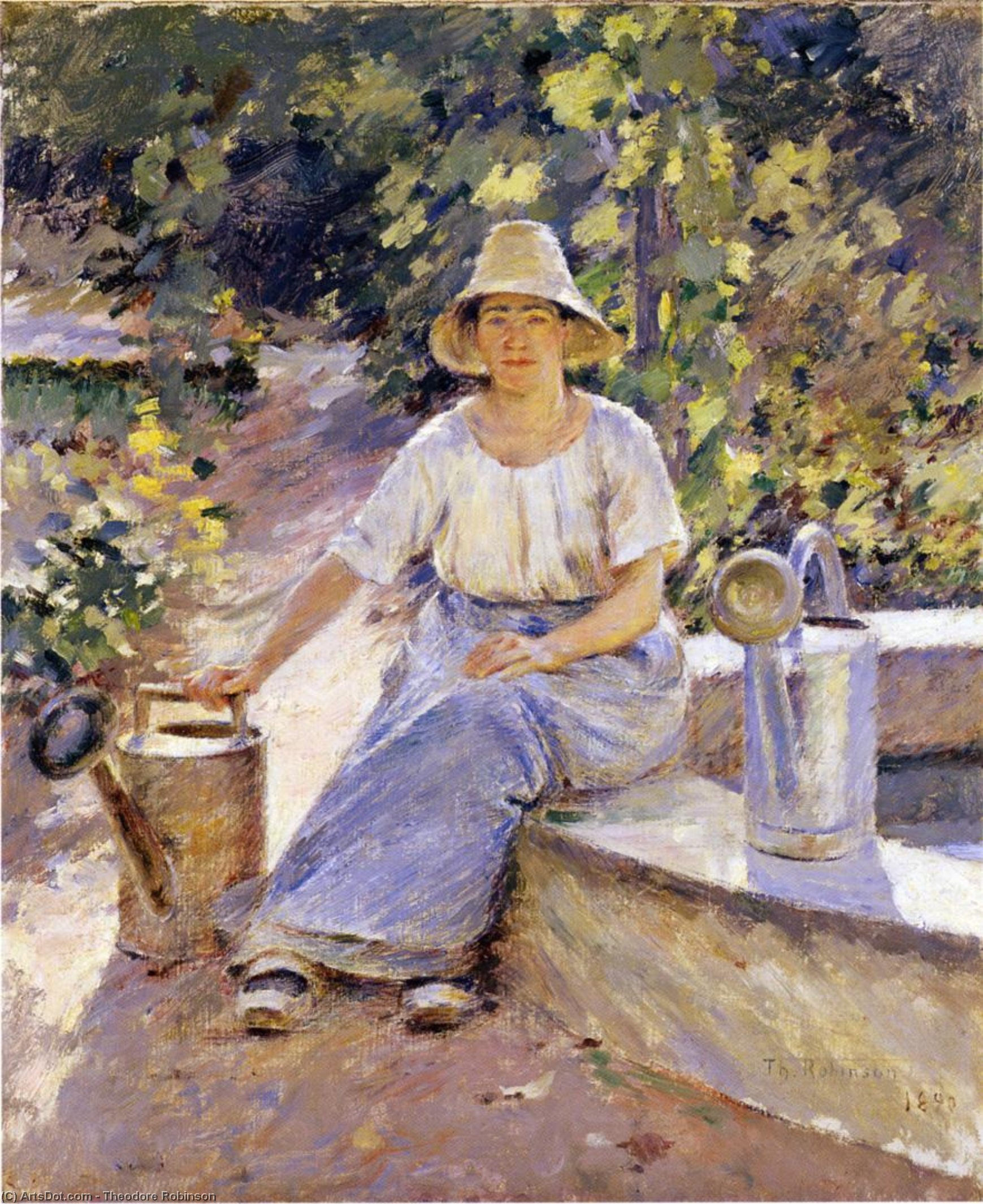
Watering Pots


 詳細を見る
詳細を見る
ジークレー/アートプリント
迅速な制作と多彩な仕上げオプションを備えた、ミュージアムクオリティのジークレーまたはキャンバスプリント。 ( 手描き画への切り替え 画像に切り替え)




P118B $10

P118H $10

P118W $10

P438Z $10

P508JH $12

P508YH $12

P805H $10

P805Z $10

P919BZ $10

P919G $10

P919XJ $10

P959ZH $10

P968JZ $12

W106C $8

W218G $10

W218JH $8

W218Y $10

W307PJ $10

W316G $10

W316PJ $8

W316Y $10

W398PJ $8

W4111J $10

W500HY $15

W500JH $15

W692G $12

W849H $8

W940BG $15

W953PJ $8




作品のオリジナル比率に合わせた、当店の規定サイズからお選びください。

特定のフレームやスペースに合わせて、ご自身でサイズを指定することも可能です。選択されたサイズが元の画像の比率と一致しない場合、作品をトリミングするか、鏡面反射または単色での塗りつぶしによって画像を拡張いたします。制作を開始する前に、ご確認用のデジタルモックアップをお送りいたします。
画面上のプレビューには、実際のトリミングや拡張は反映されませんのでご注意ください。最終的な構図を正確に確認できるのは、モックアップのみとなります。
カスタムサイズも承っておりますが、元の比率を維持するためには、あらかじめ用意されたリストからサイズを選択することをお勧めいたします。


 ガラスオプションは、110cm未満のサイズでのみご利用いただけます。

Watering Pots
ジークレー/アートプリント
複製画のサイズ
-


合計金額
$ 81
作品詳細説明
A Moment of Serene Reflection: Theodore Robinson’s “Watering Pots”
Theodore Robinson's "Watering Pots," painted in 1890, isn’t merely a depiction of a woman tending to plants; it’s a profound meditation on the quiet beauty of rural life and the delicate balance between humanity and nature. This evocative work, rendered in the burgeoning Impressionistic style that Robinson embraced after his formative years in Europe, offers a glimpse into a world steeped in tranquility and imbued with a subtle spiritual resonance. The painting captures a fleeting moment – a woman seated upon a weathered stone wall, her hands gently guiding water towards a collection of potted plants nestled beneath her care.
Robinson’s artistic journey is particularly compelling. Initially trained within the more rigid confines of the National Academy in New York, he sought liberation from academic constraints, drawn to the luminous landscapes and atmospheric effects championed by Monet and Pissarro. His time spent in Giverny, living alongside Monet, proved transformative, instilling in him a deep appreciation for capturing the ephemeral qualities of light and color – a hallmark of his mature style. “Watering Pots” exemplifies this shift; it’s less concerned with precise representation and more focused on conveying an emotional response to the scene.
The Language of Light and Color
Technically, "Watering Pots" showcases Robinson's masterful command of Impressionistic techniques. He employs a broken color palette—small, distinct brushstrokes of blues, greens, and browns—to build up layers of light and shadow. The dappled sunlight filtering through the trees creates an atmospheric haze, lending the scene a sense of depth and mystery. Notice how he uses subtle variations in tone to define the forms – the rough texture of the stone wall, the delicate leaves of the plants, and the soft curves of the woman’s figure. The overall effect is one of luminous softness, as if the painting itself breathes with the quiet rhythm of nature.
Robinson's use of color is particularly noteworthy. He avoids harsh contrasts, favoring instead a harmonious blend of hues that evokes a feeling of serenity and contentment. The greens are not vibrant or saturated but rather muted and earthy, suggesting a deep connection to the soil and the natural world. The blues and browns contribute to the painting’s overall sense of stillness and contemplation.
Symbolism and Narrative
Beyond its aesthetic qualities, “Watering Pots” is rich in symbolic meaning. The act of watering plants represents not just sustenance but also nurturing, care, and a connection to life's cycles. The woman herself embodies a quiet strength and resilience – she’s not actively engaged in labor but rather immersed in a meditative state, tending to her surroundings with gentle grace. The presence of the various potted plants—a diverse collection of herbs, flowers, and foliage—could be interpreted as a symbol of abundance, growth, and the interconnectedness of all living things.
Furthermore, the setting – a stone wall overlooking a natural landscape – suggests a retreat from the complexities of urban life. It’s a space for reflection, solitude, and communion with nature. The painting invites us to pause, breathe deeply, and appreciate the simple pleasures of existence.
A Legacy of American Impressionism
“Watering Pots” stands as a significant work in the development of American Impressionism. Robinson’s ability to capture the subtle nuances of light and color, combined with his evocative use of symbolism, firmly established him as one of the leading figures in the movement. His paintings resonate deeply with viewers today, offering a timeless reminder of the beauty and tranquility that can be found in the natural world. Reproductions of this captivating artwork provide an accessible way to bring Robinson’s vision into any home or office, fostering a sense of peace and connection to the earth.
Further Research: For more information about Theodore Robinson and “Watering Pots,” we recommend visiting WikiArt and the Wikipedia entry on Theodore Robinson.
アーティストの略歴
アメリカの光の先駆者:セオドア・ロビンソンの生涯と芸術
モネやルノワールといった名ほど、すぐには耳に馴染まない名前かもしれませんが、セオドア・ロビンソンはアメリカ美術史において極めて重要な地位を占めています。1852年、バーモント州の田舎に生まれた彼の歩みは、飽くなき芸術的探求の旅であり、それはやがてヨーロッパの印象派と、アメリカ独自の感性が見事に融合した唯一無動の境地へと結実しました。44歳という若さでその生涯を閉じることが、あまりにも悲劇的であったとしても、フランスからもたらされた煌めく光と分割された色彩を次世代のアメリカ人画家たちへと伝える架け橋として、彼が遺した足跡は永遠に色褪せることがありません。幼少期は転居の多い生活であり、わずか3歳でウィスコンシン州へ移り、シカゴでの短い美術学習を経て、1874年には東部のニューヨークへと向かいました。そこで彼はナショナル・アカデミー・オブ・デザインやアート・ストゥデンツ・リーグに入学し、伝統的な技法の基礎を築きました。しかし、その堅実な土台は、後に海外での経験によって鮮烈な変貌を遂げることになります。また、この形成期は現実的な生活の糧とも結びついていました。ロビンソンは芸術への情熱を支えるため、しばしば教師としての職に就きましたが、生涯彼を苦しめた慢性的な喘息が、その務めを心身ともに消耗させるものとなりました。
リアリズムからジヴェルニーの誘惑へ
ロビンソンの初期の芸術的傾向は、当時の主流であったリアリズムへと向いていました。彼は静かな家庭生活や農村の風景を好み、日常の営みに従事する人々を、細部まで緻دな筆致で描き出していました。しかし、1884年にフランスでの長期滞在を決意したことが、決定的な転換点となります。パリ近郊の牧歌的な田園地帯において、彼の芸術的ビジョンは劇的な進化を遂げました。ジヴェルニーに居を構えた彼は、クロード・モネと親密な交流を持つようになり、印象派の原理を肌で吸収していったのです。これは単なる様式の模倣ではありませんでした。それは、光、色彩、そして空気がキャンバスの上でどのように捉えられ得るかという、表現そのものの再構築でした。モネの導きは計り難い価値を持ち、ロビンソンに、正確な描写よりもむしろ、移ろいゆく光と影の効果に焦点を当てた、より即興的なアプローチを受け入れる勇気を与えました。その影響は、『ジヴェルニー 1』、『ジヴェルニ 2』、そして『ジヴェルニー 3』といった作品の中に鮮明に見て取れます。木漏れ日が降り注ぎ、単なる写実を超越した、どこか空想的な質感を創り出しているのです。彼は決してモネを模倣しただけではありませんでした。印象派の美学を自分自身のアメリカ的な視点というフィルターに通し、フランスの作品とは一線を画す、構造と形態の感覚を保持し続けたのです。
二つの世界を繋ぐ架け橋:ビジョンの共有
ロビンソンの重要性は、個々の絵画作品の枠を超えています。彼はヨーロッパの前衛芸術と、勃興しつつあったアメリカの美術界を結ぶ、極めて重要な伝達者としての役割を果たしました。ジヴェルニーでの生活は、彼をアメリカ人芸術家コロニーの中心へと導き、ジュリアン・アルデン・ウィアやジョン・ヘンリー・トワトマンといった同時代の画家たちと、自らが見出した新たな知識と情熱を分かち合う機会を与えました。彼は印象派の熱烈な擁護者となり、その技法や原理を求める人々に対し、たゆまぬ指導を行いました。アメリカ美術が依然としてアカデミックな伝統に支配されていた時代において、メンター(指導者)であり解釈者である彼の役割は、とりわけ重大な意味を持っていました。ジヴェルニーを訪れた多くの芸術家たちの作品には、彼の影が色濃く反映されており、フランスの革新性に恩義を感じつつも、独自のアイデンティティを持つ「アメリカ印象派」スタイルの確立に寄与しました。彼が持ち帰ったのは、単なる技法だけではなく、周囲の世界をどのように捉え、いかに反応するかという、一つの哲学でもあったのです。
晩年と不朽の遺産
1892年にアメリカへ帰国したロビンソンは、自国の風景に自身の印象派的ビジョンを投影しようと試みました。コネチカット州コズ・コブという活気ある芸術コロニーでウィアやトワトマンと共に活動し、ニューヨーク州の運河沿いの風景を描き、最終的には故郷に近い場所でジヴェルニーのような環境を再現したいという願いを込めてバーモント州に定住しました。しかし、健康状態は悪化の一途をたどり、経済的な困窮にも直面することとなります。晩年は孤独と闘いの中にあり、1896年にその生涯を閉じました。皮肉なことに、彼の作品の多くは存命中には売れることがなく、死後にようやく正当な評価を受けることとなりました。今日、セオドア・ロビンソンの作品はメトロポリタン美術館をはじめとする主要な美術館に収蔵されており、それは彼の芸術的価値が永遠であることを証明しています。フリック美術参照図書館に保存されている緻密な日記は、彼の創造的なプロセスと知的な営みを辿るための、かけがえのない手がかりとなっています。
心に刻まれる印象
セオドア・ロービンソンがアメリカ美術に果たした貢献は、その絵画の美しさのみならず、変化を促す触媒としての役割にあります。彼は文化の架け橋であり、革新への情熱的な支持者であり、そしてアメリカ印象派の進むべき道を形作った類まれな芸術家でした。彼の作品には、観察と解釈、リアリズムと抽象、ヨーロッパの影響とアメリカのアイデンティティという、繊細な均衡が宿っています。彼は、自らの芸術的な声や文化的遺産を犠牲にすることなく、印象派の急進的な革新を受け入れることが可能であることを証明したのです。彼の絵画は、その光り輝くような質感と情緒豊かな空気感によって、今なお見る者を魅了し続けています。それは、私たちの周囲の世界に対する認識を変容させる、芸術の持つ力を私たちに思い出させてくれるのです。ロビンソンの遺産は、光と色彩、そして芸術的真理の探求が持つ、永遠の魅力を物語っています。
- 代表作: Giverny 1, Giverny 2, Giverny 3, La débâcle (1892)
- 影響を受けた人物: Claude Monet, John La Farge, Carolus-Duran, Jean-Léon Gérôme
- 芸術運動: アメリカ印象派

セオドア・ロビンソン
1852 - 1896 , アメリカ合衆国
基本情報
- Artistic Movement Or Style: 印象派
- Artists Or Movements Influenced By This Artist: ['アメリカ印象派']
- Artists Who Influenced This Artist: ['クロード・モネ']
- Date Of Birth: 1852年
- Date Of Death: 1896年
- Full Name: セオドア・ロビンソン
- Nationality: アメリカ
- Notable Artworks:
- ジヴェルニー 1
- ジヴェルニー 2
- ジヴェルニー 3
- La débâcle
- Place Of Birth: アメリカ合衆国、イラスバーグ
関連記事
クロード・モネ傑作25選:光と色彩の印象派を彩る名画の世界 | OriginalUniqueArt
クロード・モネの傑作25選。印象派を代表する光の画家、モネの世界を旅しませんか?睡蓮や風景画など、名画の背景にある物語と芸術技法をご紹介。OriginalUniqueArtで高品質な複製画とインテリアアートを見つけましょう。全コレクションはこちら。

ポール・セザンヌ:至高の25選 - 傑作と革新の軌跡 | OriginalUniqueArt
ポール・セザンヌの至高の25選。ポスト印象派を代表する画家、セザンヌの傑作と革新的な技法を紐解きます。OriginalUniqueArtで高品質な複製画やインテリアアートを見つけ、芸術の世界をご自宅に。今すぐコレクションをご覧ください。

葛飾北斎:25の傑作が語る浮世絵の世界 - OriginalUniqueArt
葛飾北斎の25選:『神奈川沖浪裏』や『富嶽三十六景』など、浮世絵の世界を深く探求。木版画の技法と日本美術の美をOriginalUniqueArtで。高品質なアートプリントで空間に感動を。コレクションはこちら。
Beyond the Horizon: 10 Landscape Masterpieces for Your Home Decor
Journey through 10 breathtaking landscape paintings by Monet, Van Gogh & more! Explore iconic artworks, artistic techniques & find inspiration for your home decor. Museum-quality reproductions at OriginalUniqueArt.com. Discover all masterpieces on OriginalUniqueArt.com

ジョン・コンスタブルの傑作25選:英国風景画の巨匠が描く自然と光の詩 | OriginalUniqueArt
ジョン・コンスタブルの傑作25選。英国風景画の巨匠が描く自然と光の詩の世界へ。ロマン主義を代表する絵画、デダム・ヴェールやヘイ・ウェインなど、OriginalUniqueArtで高品質なアートプリントをお楽しみください。インテリアに深みと感動を。コレクションはこちら。

