

 プレビュー
プレビュー
 プリントを購入
 シェアする
シェアする シェアする
シェアする
 詳細を見る
詳細を見る

 ダウンロード
 似ている作品
 X線調査
X線調査 スライドショー
Talbott Place


 詳細を見る
詳細を見る




P118B $10

P118H $10

P118W $10

P438Z $10

P508JH $12

P508YH $12

P805H $10

P805Z $10

P919BZ $10

P919G $10

P919XJ $10

P959ZH $10

P968JZ $12

W106C $8

W218G $10

W218JH $8

W218Y $10

W307PJ $10

W316G $10

W316PJ $8

W316Y $10

W398PJ $8

W4111J $10

W500HY $15

W500JH $15

W692G $12

W849H $8

W940BG $15

W953PJ $8




作品のオリジナル比率に合わせた、当店の規定サイズからお選びください。

特定のフレームやスペースに合わせて、ご希望のサイズをご入力いただけます。選択されたサイズが元の画像の比率と異なる場合、アートワークをトリミングするか、手描きで要素を追加して絵画を拡張いたします。デジタルモックアップ を制作し、制作開始前にご確認(承認)をいただきます。
画面上のプレビューは、実際のトリミングや拡張を正確に反映しているものではありません。最終的な構図は、モックアップによってのみ正確にご確認いただけます。
カスタムサイズもご利用いただけますが、元の比率を維持するためには、あらかじめ用意されたリストからサイズを選択することをお勧めいたします。
ご注文後、OriginalUniqueArt.com チームより詳細な指示をお送りするとともに、仕上がりイメージ(モックアップ)をご提供いたします。


 ガラスオプションは、110cm未満のサイズでのみご利用いただけます。

Talbott Place
複製技法
複製画のサイズ
-


合計金額
$ 300
A Luminous Escape into Impressionism
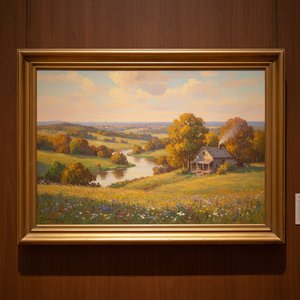
In the quietude of Theodore Clement Steele’s 1897 masterpiece, Talbott Place, the viewer is invited to step into a world where time seems to decelerate. This exquisite oil painting serves as a breathtaking window into an era of tranquil leisure, capturing a park scene that feels less like a static image and more like a fleeting, sun-drenched memory. Steele, a luminary of American Impressionism, masterfully orchestrates a composition that draws the eye along a central pathway, leading the soul toward a distant, stately building nestled within a lush landscape. The painting is not merely a depiction of a location; it is an atmospheric poem written in pigment, where the soft, diffused light creates a hazy, dreamlike veil over the verdant scenery.
The technique employed by Steele is a testament to his rigorous training and his profound emotional connection to the American landscape. Utilizing the hallmarks of the Impressionist movement, he applies oil paints with short, broken brushstrokes that dance across the canvas, creating a shimmering effect that mimics the way light filters through canopy leaves. There is a palpable texture to the work; the visible, rhythmic application of paint lends a tactile quality to the grass and foliage, suggesting the rustle of wind and the warmth of a summer afternoon. By prioritizing color and light over rigid anatomical or architectural precision, Steele achieves a sense of movement and vitality that breathes life into every leaf and shadow.
The Harmony of Color and Nature
The color palette of Talbott Place is a sophisticated study in warmth and balance. Dominated by deep, organic greens and earthy reds, the work evokes the rich fertility of the landscape, while subtle infusions of blue and gray in the sky provide a necessary breath of coolness. This careful calibration of tones ensures that the composition remains grounded yet ethereal. The shapes within the painting—the sturdy trunks of trees, the soft mounds of grass, and the structured silhouette of the background architecture—are rendered with an organic fluidity. Steele avoids harsh, jarring lines, opting instead for soft edges that allow the elements of nature to bleed into one another, mirroring the interconnectedness of a healthy, thriving ecosystem.
For the discerning collector or interior designer, this piece offers more than just aesthetic beauty; it provides an emotional anchor. The symbolism within the work is subtle yet profound, centered on the themes of serenity, peace, and the restorative power of nature. In an increasingly chaotic modern world, Talbott Place stands as a sanctuary of stillness. Its presence in a room can transform a space, lending an air of classical elegance and contemplative calm. Whether placed in a sunlit gallery or a sophisticated living area, this reproduction serves as a timeless tribute to the enduring beauty of the natural world and the masterful hand of an American master.
アーティストの略歴
Theodore Clement Steele (1847–1926): A Pioneer of American Impressionism
Theodore Clement Steele, a name inextricably linked to the genesis of American Impressionism, occupies a prominent position within the annals of American artistic heritage. Born in Owen County, Indiana, on September 11, 1847, his life unfolded as a testament to unwavering dedication—a journey marked by meticulous scholarly pursuits, transatlantic artistic influence, and an enduring commitment to portraying the singular splendor of his native landscape. From humble beginnings sketching amidst rural Indiana’s verdant hillsides, Steele ascended to become a cornerstone of a movement that sought to transcend mere imitation of European masters, forging instead a distinctive visual language rooted in authentic experience—a reflection of America's burgeoning artistic identity.Early Years and Artistic Foundations
Steele’s formative artistic inclinations were nurtured through initial studies at Indiana State University, equipping him with foundational skills in drawing and painting that would serve as bedrock for his subsequent endeavors. Recognizing the imperative for more sophisticated training, he embarked on a transformative voyage to Europe in 1880, establishing residency in Munich—a crucible of artistic innovation where Impressionist ideals flourished. It was here that Steele truly blossomed, immersing himself in the burgeoning movement and absorbing the techniques of masters like Monet and Pissarro. This wasn’t merely an adoption of stylistic conventions; it represented a profound philosophical realignment—a prioritization of capturing fleeting moments of illumination and atmosphere, striving to convey not just *what* he observed but *how* it felt to inhabit those instants. The influence of French Impressionism profoundly shaped Steele's artistic sensibilities, fostering a preoccupation with light’s transformative power and its ability to imbue landscapes with emotive resonance.The Hoosier Group: Defining an American Aesthetic
Upon returning to Indiana in 1885, Steele became a pivotal figure within the “Hoosier Group”—a collective of artists united by their ambition to cultivate a distinctly American artistic idiom. Alongside luminaries such as William Forsyth, J. Ottis Adams, Richard B. Gruelle, and Otto Stark, he championed landscape painting that celebrated the unparalleled beauty of the Midwest—a deliberate departure from prevailing European trends. Steele’s unwavering conviction was that American art should express *American* subjects—the expansive vistas, lush forests, and tranquil waterways emblematic of their homeland. He skillfully blended the lessons gleaned abroad with a deep-seated reverence for Indiana's natural grandeur, resulting in artworks imbued with both technical virtuosity and an authentic sense of place. His portraits garnered acclaim as well, demonstrating his versatility as an artist and securing commissions to depict official portraits of several Indiana governors—a testament to his artistic prowess and his commitment to representing the nation’s leadership.Technique and Artistic Vision
Steele's distinctive artistic vision was characterized by a masterful command of technique—particularly plein air painting, where he worked directly from nature, translating fleeting atmospheric conditions onto canvas with remarkable fidelity. He meticulously observed light’s subtle shifts and variations, employing broken brushstrokes and luminous color palettes to convey not merely visual representation but also emotional depth. This approach mirrored the core tenets of Impressionism—a rejection of academic conventions in favor of capturing immediacy and subjective experience—and solidified Steele's reputation as a pioneer of American landscape painting. His canvases resonate with an enduring beauty, reflecting his profound connection to the natural world and embodying the spirit of innovation that defined his era.Legacy and Enduring Influence
Steele’s influence extended far beyond his artistic creations; he served as an educator, lecturer, and ardent advocate for the arts within his community—actively participating in art juries and shaping the trajectory of artistic exhibitions both nationally and internationally. He established “The House of the Singing Winds” in Brown County, Indiana, alongside Selma Neubacher Steele—a home and studio that became a focal point for artists and a catalyst for the flourishing Brown County Art Colony. This idyllic setting provided him with boundless inspiration and enabled him to fully realize his artistic aspirations. Today, The House of the Singing Winds stands as a State Historic Site, safeguarding Steele’s legacy and offering visitors a poignant glimpse into the life and oeuvre of this unforgettable artist—a testament to his enduring contribution to American art history. His paintings continue to captivate audiences worldwide, inspiring generations of artists to embrace their own vision and translate the splendor of nature onto canvas with unwavering passion.
トーマス・クレメント・スティール
1847 - 1926 , アメリカ合衆国
基本情報
- Artistic Movement Or Style: 印象派
- Artists Who Influenced This Artist: ['フランス印象派']
- Date Of Birth: September 11, 1847
- Date Of Death: July 24, 1926
- Full Name: Theodore Clement Steele
- Nationality: アメリカ人
- Notable Artworks:
- インディアン・サマー
- アーティストの庭
- Place Of Birth: Owen County, USA
関連記事
Theodore Clement Steele: American Impressionism's Hoosier Visionary – A Comprehensive Exploration of Life, Art, and Legacy
Explore the life & art of Theodore Clement Steele, a leading American Impressionist painter. Discover his luminous Indiana landscapes, contributions to the Hoosier Group, and enduring legacy. A comprehensive guide for art enthusiasts.

Impressionistic Landscapes: 10 Masterpieces That Changed Art & Decor
Journey into the heart of Impressionism! Explore 10 masterpieces by Monet, Renoir & Degas that revolutionized landscape art. Discover their stories, techniques & find museum-quality reproductions to elevate your home decor on OriginalUniqueArt.com.

印象派風景を彩った至宝:アート史に名を刻む10選
印象派風景の革新を彩った10選。モネ、ルノワールら巨匠の名作を紐解き、色彩と光が生み出す感動の世界へ。アートの歴史とインテリアのインスピレーションをOriginalUniqueArt.comで。高品質な複製画で、あなただけの空間を創造しましょう。

Evocations of Place: A Historical Journey Through Landscape Art
Explore the rich history of landscape art with OriginalUniqueArt. Discover renowned artists, movements like Impressionism & Romanticism, and expert guidance for collecting timeless pieces. Find your perfect serene escape today!

Grant Wood & American Regionalism: Identity, Myth & the Rural Landscape
Explore the world of Grant Wood & American Regionalism with OriginalUniqueArt. Discover the symbolism behind 'American Gothic', recurring themes, and the movement's lasting impact on art history. High-quality reproductions available.



