- ホーム

- デジタル画像一覧
- The Royal Mint
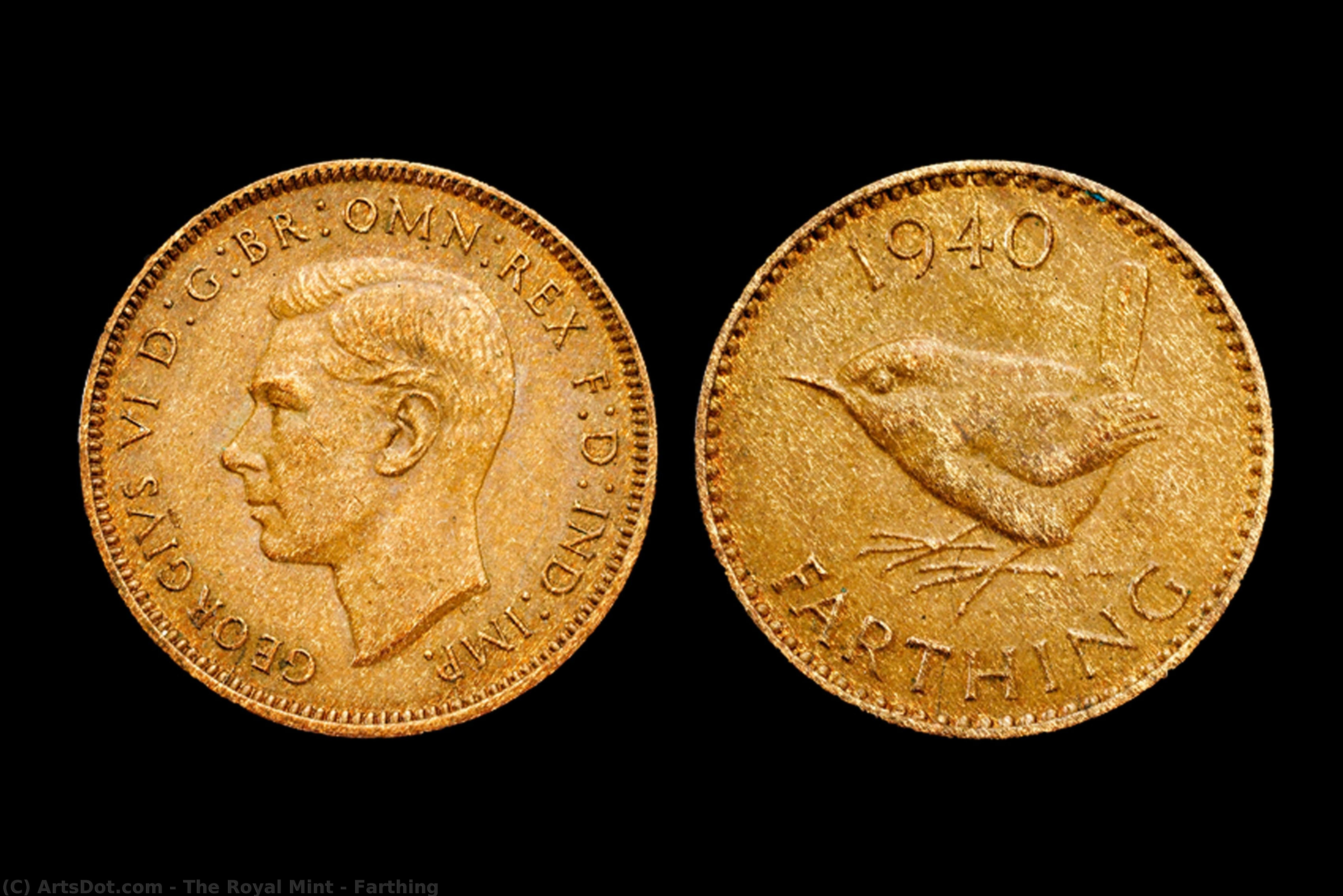
- Farthing
 プリントを購入
 シェアする
シェアする シェアする
シェアする
 詳細を見る
詳細を見る

 ダウンロード
 似ている作品
 X線調査
X線調査 スライドショー
Farthing


 詳細を見る
詳細を見る
オンラインプレビューをはるかに凌ぐ、高解像度で鮮明なデジタル画像をご購入いただけます。
各ファイルは、社内の専門家が高度なツールと熟練した手作業によるレタッチを用いて、細心の注意を払って準備されています。すべての画像において、卓越した鮮明度、正確な色彩再現性、そして繊細なディテールを保証いたします。
最終ファイルは、プロフェッショナルな編集・印刷環境ですぐにご利用いただけるよう最適化された状態で、72時間以内にメールにてお届けいたします。これは、一流のデザインスタジオ、出版社、ギャラリーから信頼されているものと同等の品質です。
デジタル画像のご注文に付随する特典
高品質なデジタル画像配信を、確かな品質で。
OriginalUniqueArt.com を選ぶことは、単に画像を手に入れることではありません。それは、プロの手によって精密に仕上げられ、満足保証が付いた高品質なデジタルアートワークを受け取ることを意味します。ご注文いただいた際に自動的に付随する内容は、以下の通りです:

メールですぐにお届け
ご注文から72時間以内に、高解像度のデジタル画像ファイルがメールでお手元に届きます。すぐにそのままご利用いただけます。

AI技術で最適化されたデジタルファイル
お客様の作品は、高度なAIツールと専門家による手作業の編集を組み合わせてプロフェッショナルに最適化されており、細部のディテール、鮮明さ、そして正確な色再現性を最大限に引き出しています。

一生涯無料の再送サービス
ファイルを誤って削除したり、紛失してしまったりしましたか?ご安心ください。いつでも無料で再送いたします。

輸入手数料は一切かかりません
関税や手数料、配送料を気にすることなく、お気に入りのアートワークをすぐにお楽しみいただけます。デジタルダウンロードは常に免税です。

色彩再現の保証
プロ仕様のツールとカラーマネジメント技術を用いることで、デジタル画像が元の色を最大限に忠実に再現することを保証いたします。

60日間満足保証
ご購入いただいたデジタル画像にご満足いただけない場合は、60日以内であれば、修正または100%の返金(理由を問う必要はありません)をさせていただきます。

100% 返金保証
ご満足いただけない場合は、デジタルファイルを受け取ってから60日以内であれば、理由を問わず全額返金いたします。

まとめ買い割引
3枚購入で10%OFF - 5枚購入で15%OFF - 10枚以上購入で20%OFF。クリエイティブなプロジェクト、ギャラリー、エージェンシーに最適です。
作家の略歴
The Enduring Legacy of The Royal Mint
For over a millennium, the very notion of British currency has been inextricably linked to The Royal Mint. More than simply a producer of coins, it represents a continuous thread in the nation’s history – a tangible symbol of power, trade, and cultural identity. While today recognized for its modern facilities in Llantrisant, Wales, the story of The Royal Mint is one of remarkable evolution, originating not as a centralized institution but as a network of localized production centers scattered across the British Isles.
The earliest roots trace back to Celtic tribes imitating continental coinage around the 2nd century BC. However, it was with the Roman occupation that systematic minting began in Britain, though these operations were ultimately short-lived. Following the withdrawal of Roman forces, a fragmented system of regional mints emerged during the Anglo-Saxon period, reflecting the decentralized nature of early English kingdoms. The pivotal moment arrived in 1279 when Edward I consolidated these disparate operations under a single authority – the London Mint within the Tower of London. This marked the genesis of what would become The Royal Mint as we know it.
From Tower to Transformation
For centuries, the Tower of London served as the heart of British coinage. Within its formidable walls, skilled moneyers and engravers meticulously crafted coins that bore the likenesses of successive monarchs, each strike a declaration of sovereignty. The roles within the Mint became increasingly formalized during the medieval period, with positions like Master Worker, Warden, and Comptroller establishing a hierarchical structure responsible for overseeing production, quality control, and financial administration. The 15th and 16th centuries witnessed growing economic pressures on England, culminating in Henry VIII’s controversial “Great Debasement” – an attempt to alleviate financial woes by reducing the precious metal content of coins. This period highlights a crucial aspect of The Royal Mint's history: its inherent connection to the political and economic fortunes of the nation.
The 17th century brought further challenges, including periods of civil war and fluctuating monetary standards. However, the Mint continued to adapt, evolving alongside the changing needs of British commerce. A significant shift occurred in the late 19th and early 20th centuries with the rise of industrialization and the increasing demand for standardized coinage. This led to the development of more sophisticated machinery and techniques, paving the way for mass production.
George William De Saulles and Artistic Flourishes
While The Royal Mint is often viewed as a functional institution, it has also been a crucible for artistic talent. George William De Saulles (1862-1903) stands out as a particularly influential figure in this regard. A British medallist of exceptional skill, De Saulles was commissioned to design numerous coins and medals during the reigns of Queen Victoria and Edward VII. His work is characterized by its refined detail, classical elegance, and historical accuracy. De Saulles’s designs weren't merely representations of royal portraits; they were carefully considered artistic statements that reflected the prevailing aesthetic sensibilities of the era.
His contributions extend beyond standard coinage to include commemorative medals celebrating significant events and anniversaries. The Royal Mint Anniversary Medal, for example, showcases his mastery of relief sculpture and symbolic imagery. Even seemingly minor commissions, such as the Royal Mint Swimming Club medal (second place), demonstrate his dedication to craftsmanship and attention to detail. De Saulles’s legacy lies in elevating British coinage from a purely functional object to a form of portable art.
Modernization and Beyond
The 20th century witnessed the most dramatic transformation in The Royal Mint's history – its relocation from London to a purpose-built facility in Llantrisant, Wales, in 1968. This move coincided with Britain’s adoption of decimal currency, necessitating a complete overhaul of coin designs and production methods. The modern Mint embraced technological advancements, becoming a world leader in coinage technology and security features.
However, the story doesn't end there. Recognizing the decline in cash usage, The Royal Mint has strategically diversified its operations in recent years. It now encompasses precious metal investment, historic coin collecting, and luxury collectibles – including the innovative “886 by The Royal Mint” jewellery division utilizing sustainably sourced gold recovered from electronic waste. This forward-thinking approach ensures that The Royal Mint remains relevant and continues to shape the future of currency and beyond, building upon a legacy stretching back over a thousand years.


