

 設置イメージを確認
 送る
送る シェア
シェア
 詳細情報
詳細情報 ガイドを表示

 画像をダウンロード
 似ている作品
 X線調査
X線調査 スライドショー
 統計情報
統計情報Urutu Snake
 Oil On Canvas
- WallArt
- Surrealism
 1928
1928- 19th Century
 60.0 x 72.0 cm
 MAM Rio
 続きを読む
続きを読む
このページに掲載されている作品は著作権法によって保護されており、当社の許可なく同一の複製物を制作または販売することは法律で禁じられています。この保護は、以下のような国際条約に基づき執行されます。 ベルヌ条約 および、以下の条項に定められたものを含む各国の法律により、 米国著作権法 第17編。
この手法は、著作権で保護された作品の複製や複写を伴わないため、著作権法に完全に準拠しています。これは単なる模倣ではなく、創造的な再解釈です。元の作品からインスピレーションを受けつつも、それとは異なる、全く新しい絵画を生み出すものです。
ジークレー/アートプリント
スピーディーな制作と多彩な仕上げオプションが魅力の、ミュージアムクオリティなジークレー・キャンバスプリント。 ( 手描きの複製画を注文する デジタル画像販売へ切り替え)




P118B ¥10

P118H ¥10

P118W ¥10

P438Z ¥10

P508JH ¥12

P508YH ¥12

P805H ¥10

P805Z ¥10

P919BZ ¥10

P919G ¥10

P919XJ ¥10

P959ZH ¥10

P968JZ ¥12

W106C ¥8

W218G ¥10

W218JH ¥8

W218Y ¥10

W307PJ ¥10

W316G ¥10

W316PJ ¥8

W316Y ¥10

W398PJ ¥8

W4111J ¥10

W500HY ¥15

W500JH ¥15

W692G ¥12

W849H ¥8

W940BG ¥15

W953PJ ¥8




作品のオリジナル比率に合わせた、当店の規定サイズからお選びください。

額縁や壁のスペースに合わせて、ご希望の幅と高さを入力してください。プリントはカットすることは可能ですが、元の画像より大きくすることはできないため、異なる比率のサイズを選択された場合は、画像の一部が欠けることになります。印刷を開始する前に、内容を確認していただくためのデジタルモックアップをお送りいたします。このページに表示されている画像は、実際のカット後の状態を示すものではありません。実際の仕上がりはモックアップにてご確認ください。


 ガラスオプションは、110cm未満のサイズでのみご利用いただけます。

Urutu Snake
ジークレー/アートプリント
複製画サイズ一覧
-


合計金額
¥ 12650
A Dream Woven in Serpent Scales: Tarsila do Amaral’s “Urutu Snake”
Tarsila do Amaral's "Urutu Snake," painted in 1928, isn’t merely a depiction of a reptile; it’s an immersion into the vibrant, surreal landscape of early Brazilian modernism. This oil on canvas, currently residing within the Museum of Modern Art in Rio de Janeiro, pulsates with a potent blend of abstract expressionism and the burgeoning dreamlike quality of Surrealism – a testament to do Amaral's embrace of European avant-garde movements while simultaneously grounding them in distinctly Brazilian imagery and symbolism. The painting immediately commands attention with its audacious scale—measuring 60 x 72 centimeters—and its bold, almost aggressively bright palette dominated by deep blues, verdant greens, and the arresting flash of a scarlet orb. It’s an artwork that refuses to be passively observed; it demands engagement, inviting viewers into a world where logic yields to intuition.
The Egg and the Serpent: Symbolism Unveiled
At the heart of “Urutu Snake” lies a colossal, textured egg – an element that immediately evokes notions of birth, potential, and nascent life. Its rough, granular surface, rendered with thick impasto strokes, suggests both fragility and immense power. Emerging from this primordial form is a sinuous serpent, its scales shimmering with subtle gradients of color, culminating in the aforementioned scarlet orb. The “Urutu” itself refers to a type of snake native to Brazil, but within do Amaral’s vision, it transcends mere identification. It embodies transformation, danger, and perhaps even the cyclical nature of existence – themes deeply rooted in Brazilian indigenous mythology. The red orb, often associated with the sun or vital energy, could represent both creation and destruction, mirroring the dualistic forces inherent in the serpent's journey.
Technique and Vision: A Fusion of European Influence
Do Amaral’s technique is a fascinating synthesis of influences. While clearly drawing inspiration from the Cubism and Surrealism prevalent in Paris at the time, she infuses her work with a uniquely Brazilian sensibility. The flattened perspective, reminiscent of early Cubist explorations, creates a sense of immediacy and intimacy, as if we are peering directly into this dreamscape. Yet, the swirling lines and organic forms—particularly those defining the serpent’s movement—suggest an embrace of Expressionism's emotional intensity. The visible brushstrokes, characteristic of oil on canvas, contribute to the painting’s tactile quality, inviting a sense of physical engagement with the artwork. The careful layering of colors and textures creates depth, despite the overall flattened composition, suggesting a deliberate attempt to capture not just a visual representation but also an atmospheric mood.
Antropofagia and Brazilian Identity
"Urutu Snake" is inextricably linked to the Antropofagia (Cannibalism) movement – a radical artistic philosophy championed by do Amaral and her contemporaries. This movement sought to dismantle European artistic conventions and forge a distinctly Brazilian identity through the incorporation of indigenous myths, folklore, and natural imagery. The painting embodies this ethos perfectly: it’s not a faithful representation of reality but rather a symbolic distillation of Brazil's soul. The vibrant colors, the serpent motif, and the overall dreamlike quality all contribute to a sense of national pride and cultural renewal—a bold declaration that Brazilian art could be both modern and uniquely its own. The painting stands as a powerful symbol of this artistic revolution, capturing the spirit of a nation rediscovering its roots.
A Timeless Masterpiece: Reproduction and Beyond
Reproductions of “Urutu Snake” offer an exceptional opportunity to bring this captivating artwork into any setting. The rich colors and dynamic composition will undoubtedly serve as a focal point, adding a touch of exoticism and intellectual depth to any room. Consider framing the reproduction in a manner that complements its vibrant palette – perhaps a dark wood frame to accentuate the intensity of the colors or a lighter tone to allow the artwork’s energy to shine through. “Urutu Snake” is more than just a painting; it's an invitation to explore the depths of Brazilian culture and the boundless possibilities of artistic expression.
よくあるご質問
タルシラ・ド・アマラルによる「Urutu Snake」は、どの程度知られていますか?
タルシラ・ド・アマラル作「Urutu Snake」の記録されている人気度はRecognizedです。
タルシラ・ド・アマラル作「Urutu Snake」 の技法(画材)は何ですか?
タルシラ・ド・アマラル作「Urutu Snake」の技法はOil On Canvasです。複製画は、この技法の質感や風合いを再現することを目指しています。
タルシラ・ド・アマラル作「Urutu Snake」 の基調となる色は何ですか?
タルシラ・ド・アマラル作「Urutu Snake」の主色(メインカラー)はGray (#6c825c)です。
アーティストについて
ブラジルの先見者:タルシラ・ド・アマラルの生涯と芸術
20世紀初頭のブラジル美術という鮮やかなタペストリーの中に、タルシラ・ド・アマラルは極めて重要な人物としてその姿を現しました。彼女は、大胆な色彩と革新的な精神をもって、自国のアイデンティティの本質をキャンバスへと凝縮しようと試みた画家でした。1886年9月1日、サンパウロ州カピヴァリの裕福なコーヒー生産者の家庭に生まれたタルシラの生い立ちは、当時の女性としては稀有な機会を彼女に与えました。この特権によって、彼女は芸術的な修行の道を歩むことができました。当初はペドロ・アレクサンドリーノ・ボルジェスの指導を受け、1920年には自らの運命を変えるパリへの旅へと踏み出します。アカデミー・ジュリアン、そして後のアカデミック・モデルヌの壁の中で、彼女はキュビスム、未来派、表現主義といった、当時の芸術界を再構築していた前衛的な潮流と出会いました。これらの影響は、彼女の芸術的軌道を決定づけることとなります。フェルナン・レジェ、アルベール・グレイズ、アンドレ・ロートといった巨匠たちによるメンターシップは、特に大きなインパクトを与え、ヨーロッパのモダニズムと、紛れもないブラジル独自の感性を融合させる原動力となったのです。芸術を通じて築き上げた国家のアイデンティティ
1920年代初頭にブラジルへ帰国すると、タルシラは独自のブラジル・モダニズムの伝統を定義する中心的な勢力となりました。彼女が行ったのは、単にヨーロッパの様式を輸入することではありませんでした。彼女が熱心に追い求めたのは、自国の風景、人々、そして文化的な複雑さを反映し、国家の魂に語りかける芸術の創造でした。この探求は、アニタ・マルファッティ、メノッティ・デル・ピッキア、マリオ・デ・アンドラーデ、オズワルド・デ・アンドラーデといった志を同じくする芸術家や知識人たちのグループ、通称「五人組(Grupo dos Cinco)」との協力へと繋がります。彼らは共に、従来の芸術的規範に挑戦し、アカデミックな制約から脱却して新しい視覚言語を受け入れようとする運動の先駆けとなりました。タルシラの貢献は、夢のような質感と鮮やかなパレットを用いてブラジルの生活の一場面を描き出したその絵画を通じて、このビジョンを明確に表現した点において、とりわけ重要なものでした。『アバプロ』の力とアントロポファギア(食人)運動
タルシラの芸術哲学を、これほどまでに力強く体現している作品は、おそらく『アバプロ(Abaporu)』(1928年)をおいて他にありません。超現実的な風景の中に、巨大な足を持つ孤独な人物が座っているこの象徴的な絵画は、ブラジルで最も影響力のある文化運動の一つである「アントロポファギア(Antropofagia)」、すなわち「食人」運動の触媒となりました。オズワルド・デ・アンドラーデによる同名の宣言に触発されたこの運動は、ブラジルの芸術家たちは外来の影響を「食らい」、それを自分たちだけのものへと変容させるべきであると提唱しました。『アバプロ』は、植民地的な模倣を拒絶し、文化的なハイブリディティ(混淆性)を受け入れるという概念を視覚的に捉えていたのです。大地に根ざした大きな足や、謎めいた表情といったそのイメージは、独立後のアイデンティティの確立に苦闘していた国家の心に深く共鳴しました。それは単なる芸術作品ではなく、芸術的主権の宣言でもありました。『アバプロ』以外にも、『黒い女性(A Negra)』(1923年)や『ファヴェーラの丘(Morro da Favela)』といった作品は、社会的なテーマへの彼女の関わりを示しており、疎外されたコミュニティを描き出すことで、支配的な社会規範に挑戦しました。遺産と永続する影響力
長年にわたる多作なキャリアを通じて、タルシラ・ド・アマラルは多様な作品群を通してブラジル・アイデンティティの複雑さを探求し続けました。彼女の絵画は、大胆な色彩、簡略化された形態、そして夢幻的な雰囲気によって特徴づけられ、リアリズムの要素をシュルレアリスムや抽象主義と融合させることが多々ありました。彼女は実験的な試みを恐れることなく、自らの核心的なビジョンに忠実でありながら、常にスタイルを進化させていきました。その影響は絵画の領域を超え、ブラジルの芸術家たちの世代にインスピレーションを与え、国家の文化的景観を形作ってきました。今日、タルシラ・ド・アマラルの作品は、ブラジル中央銀行価値博物館やリオグランデ・ド・スル美術館など、世界中の権威あるコレクションに収蔵されています。彼女の芸術は、その鮮烈なエネルギー、詩的なイメージ、そして「ブラジル人であること」の意味への深い探求によって、今なお観る者を魅了し続けています。1973年1月17日にこの世を去った彼女は、ラテンアメリカで最も重要なモダニズム芸術家の一人として、自国の魂を描き出す勇気を持った先見者としての遺産を、後世に残したのです。
タルシラ・ド・アマラル
1886 - 1973 , ブラジル
アーティスト情報
- Artistic Movement Or Style: ブラジル・モダニズム
- Artists Or Movements Influenced By This Artist: ['アントロポファギア(食人)運動']
- Artists Who Influenced This Artist:
- フェルナン・レジェ
- アルベール・グレイズ
- アンドレ・ロート
- Date Of Birth: 1886年9月1日
- Date Of Death: 1973年1月17日
- Full Name: タルシラ・ド・アマラル
- Nationality: ブラジル人
- Notable Artworks:
- アバポル
- 黒い女性
- ファヴェーラの丘
- ウルツ蛇
- 風景 VII
- Place Of Birth: ブラジル、サンパウロ
関連記事

幾何学的抽象絵画を定義した傑作10選|アート、アーティスト、インテリア装飾
モンドリアン、マレーヴィチ…幾何学的抽象絵画を代表する傑作10選。各作品の背景や色彩構成、アーティストの情熱に迫ります。美術館品質の複製画はOriginalUniqueArt.comで。オンラインでアートコレクションをご覧ください。

抽象表現主義を定義する十大傑作:芸術と装飾の深遠な旅
抽象表現主義を定義する10の傑作。ポロック、ロスコら巨匠たちの情熱と色彩の世界へ。各作品に込められた物語と技法を紐解き、至高のアート体験を。OriginalUniqueArt.comで、ミュージアムクオリティの複製画や洗練されたインテリアアイデアを発見してください。

Beyond Representation: Exploring the Emotional Landscape of Abstract Expressionism
Explore the profound emotional world of Abstract Expressionism with OriginalUniqueArt. Discover key artists like Pollock & Rothko, learn about collecting, and find museum-quality reproductions to inspire your space.
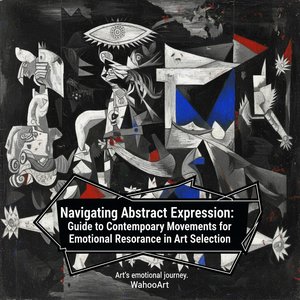
Navigating Abstract Expression: A Guide to Contemporary Movements for Emotional Resonance in Art Selection
Explore the evolution of Abstract Expressionism & discover contemporary movements for emotional resonance. Expert guidance for discerning art collectors seeking lasting value. OriginalUniqueArt.

Kandinsky's Masterpieces: 25 Paintings That Define Abstract Art | OriginalUniqueArt
Journey through Wassily Kandinsky's 25 most iconic abstract paintings. Explore his revolutionary use of color, form & spiritual expressionism. Find museum-quality Kandinsky reproductions and elevate your home decor with OriginalUniqueArt.com. Discover all masterpieces on OriginalUniqueArt.com!