
 設置イメージを表示
 シェアする
シェアする シェアする
シェアする
 詳細を見る
詳細を見る ガイドを表示

 ダウンロード
 似ている作品
 X線調査
X線調査 スライドショーを表示
 Q&A
Q&A 統計情報
統計情報Giara II

 詳細を表示
詳細を表示
ウェブ上のプレビューを遥かに凌駕する、印刷に最適なファイルをご提供します。当サイトで販売しているすべてのデジタル画像は、弊社のデータベース内にある高解像度のマスターデータ(通常、幅5,000〜15,000ピクセル)から作成されています。そのため、大判印刷や大胆なクロップ、細部まで緻密な再現も、安心してお楽しみいただけます。
当スタジオから送り出される画像は、すべて丁寧に加工されています。デジタルエキスパートが原画と照らし合わせて色調を精査し、必要に応じて補正を行った上で、プロ仕様のリタッチツールを用いて鮮明さと細部を向上させます。その際、アーティストの筆致やスタイルに忠実であることを常に追求しています。その結果、単なるスキャン画像にフィルターをかけたようなものではなく、まるで本物の絵画を見ているかのような仕上がりを実現しています。
仕上がりをご確認いただいてから完了となります。専門スタッフが、ご確認用の画像を72時間以内にメールでお送りいたします。もしご満足いただけない場合は、修正や改善のご要望を承るほか、品質が基準に満たない場合には返金も可能です。
出版社、デザインスタジオ、ギャラリー、そして印刷所から信頼される品質です。
デジタルアート
個人での鑑賞、印刷、クリエイティブなプロジェクトにご利用いただける高解像度ファイルをダウンロードできます。 ( プリント版に切り替え 手描き複製画を注文する)
デジタル画像のご注文に付随する特典
確かな品質による、プロフェッショナルなデジタル配信
OriginalUniqueArt.com を選ぶことは、単に画像を手に入れることではありません。プロの手によって精密に仕上げられ、満足保証が付いた高品質なデジタルアートワークを受け取ることを意味します。ご注文いただいた際に自動的に付随する内容は、以下の通りです:

メールですぐにお届け
ご注文から72時間以内に、高解像度のデジタル画像ファイルをメールでお送りいたします。お手元に届き次第、すぐにご利用いただけます。

AI技術で最適化されたデジタルファイル
お客様の作品は、高度なAI技術と専門家による手作業を組み合わせてプロフェッショナルに最適化されており、細部のディテール、鮮明さ、そして正確な色再現性を最大限に引き出しています。

生涯無料の再送サービス
ファイルを誤って削除したり、紛失してしまったりしましたか?ご安心ください。いつでも無料で再送いたします。

輸入手数料は、いつでも一切かかりません
関税や手数料、配送料を気にすることなく、お気に入りのアートワークをすぐにお楽しみいただけます。デジタルダウンロードは常に免税です。

正確な色彩の保証
プロ仕様のツールとカラーマネジメント技術を用いることで、デジタル画像が元の色を最大限に忠実に再現することを保証いたします。

100日間満足保証
ご購入いただいたデジタル画像にご満足いただけない場合は、100日以内であれば、理由を問わず修正または100%の返金対応をさせていただきます。

100% 返金保証
ご満足いただけない場合は、デジタルファイルを受け取ってから100日以内であれば、理由を問わず全額返金いたします。

まとめ買い割引
3枚購入で10%OFF、5枚購入で15%OFF、10枚以上のご購入で20%OFF。クリエイティブなプロジェクトやギャラリー、エージェンシーに最適です。
作家略歴
The Tang Dynasty: A Crucible of Artistic Innovation
The Tang dynasty (618–907) stands as an unparalleled epoch in Chinese history and artistic achievement, a period characterized by political stability, economic prosperity, and a fervent embrace of cosmopolitan culture. Emerging from the fragmented aftermath of the Sui dynasty’s collapse—a testament to resilience amidst turmoil—the Tang emperors ushered in an era that profoundly shaped the trajectory of Chinese art, literature, and philosophy for centuries to come. This golden age witnessed unprecedented artistic experimentation, fueled by royal patronage and facilitated by burgeoning trade routes connecting China with Persia, India, and Central Asia, resulting in a breathtaking synthesis of styles and techniques.- Political Landscape: The reign of Emperor Taizong (626–649) marked the dynasty’s formative years, consolidating power through military conquest and establishing centralized administrative structures that prioritized meritocracy—a revolutionary concept for its time—over hereditary privilege. This commitment to capable governance underpinned subsequent imperial policies aimed at fostering economic growth and promoting cultural flourishing.
- Economic Boom: Silk production soared during the Tang period, driven by expanding trade networks and fueled by innovations in weaving technology. Agricultural productivity increased thanks to advancements in irrigation and fertilization methods, bolstering the nation’s food supply and supporting a burgeoning urban population. The prosperity of this era extended beyond mere material wealth; it fostered a vibrant intellectual environment where scholars debated philosophical ideas and artists pursued new creative horizons.
- Cultural Synthesis: Chang'an—the Tang capital—became a magnet for intellectuals, artisans, and envoys from across Eurasia, transforming into one of the world’s most cosmopolitan cities. Buddhist monasteries flourished, commissioning monumental sculptures and paintings that reflected Eastern Orthodox iconography. Nestorian Christianity gained adherents, establishing churches in major urban centers. Zoroastrianism also found converts among Tang elites, demonstrating the dynasty's openness to diverse religious traditions.
The Art of Landscape Painting: Capturing Sublime Beauty
Landscape painting reached its zenith during the Tang dynasty, achieving a level of sophistication and expressive power unmatched in preceding centuries. Artists sought to depict not merely scenic vistas but also profound spiritual truths—a reflection of Confucian ideals emphasizing harmony with nature and reverence for the cosmos. The stylistic innovations championed by masters like Wang Wei (699–759) revolutionized artistic practice. He pioneered a “mountain spirit” style, characterized by subtle tonal gradations and atmospheric perspective that conveyed an illusion of depth and luminosity. This technique—influenced by Buddhist cosmology—captured the grandeur of mountainous landscapes with breathtaking accuracy and imbued them with symbolic resonance.- Technique: Artists employed meticulous brushwork to render textures and contours, utilizing mineral pigments mixed with silk or paper glue to achieve remarkable color fidelity. The use of aerial perspective—a technique pioneered by Wang Wei—created a hazy atmosphere that softened outlines and enhanced the sense of distance.
- Symbolism: Landscape paintings conveyed complex philosophical ideas rooted in Confucianism and Buddhism. Mountains represented stability, permanence, and moral virtue; pine trees symbolized resilience and longevity; rocks embodied steadfastness and endurance. These motifs resonated deeply with viewers, conveying messages about spiritual enlightenment and ethical conduct.
- Notable Works: Wang Wei’s *Dwelling Among the Pines* exemplifies the mountain spirit style, capturing the serene beauty of a pine grove bathed in moonlight—a masterpiece that continues to inspire admiration for its masterful execution and profound symbolic significance.
Silk Painting: A Legacy of Elegance and Refinement
Silk painting emerged as another dominant artistic genre during the Tang dynasty, distinguished by its exquisite delicacy and luminous colors. Artists skillfully applied pigment onto silk fabric—a material imported from Central Asia—creating images that celebrated imperial grandeur and idealized beauty. The technique involved layering translucent glazes over opaque pigments to achieve a shimmering effect—a hallmark of Tang art that captivated audiences both domestically and abroad.- Materials: Silk fabric served as the substrate for paintings, providing an ideal surface for capturing subtle tonal variations and luminous colors. Pigments derived from minerals and plants were meticulously blended with silk glue to produce vibrant hues—often incorporating gold leaf—that enhanced the visual impact of the artwork.
- Style: Tang silk painters favored a refined aesthetic characterized by graceful compositions and meticulous detail. They employed techniques such as “wet-on-wet” painting—allowing pigments to blend seamlessly together—to create soft, diffused effects that conveyed an ethereal quality.
- Iconography: Silk paintings depicted mythological figures, floral motifs, and landscapes—often imbued with symbolic meaning—reflecting the prevailing cultural values of the Tang dynasty. Floral imagery—particularly peonies—represented prosperity and good fortune—a motif frequently employed in imperial portraits and ceremonial decorations.
Influence and Legacy
The artistic achievements of the Tang dynasty exerted a profound influence on subsequent Chinese art history, establishing standards for stylistic innovation and aesthetic excellence that endured for centuries. Landscape painting continued to inspire artists throughout the Song dynasty (960–1279), while silk painting retained its prestige as a medium for imperial commissions—a testament to its enduring beauty and artistic sophistication. Moreover, Tang artistic ideals—such as harmony with nature and reverence for tradition—shaped the broader cultural landscape of China—leaving an indelible mark on its intellectual heritage and artistic sensibilities. The legacy of Tang art persists today, serving as a source of inspiration for artists worldwide and reminding us of the transformative power of creativity and cultural exchange.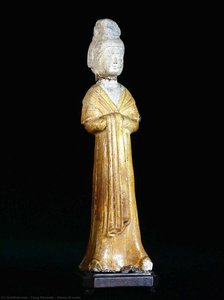
Tang Dynasty
China
プロフィール概要
- Full Name: Tang Dynasty
- Nationality: Chinese
- Place Of Birth: China
- Notable Artworks: ['Crane Pine Rock Art']
- Artistic Movement Or Style: Landscape Painting