
 設置イメージを表示
 シェアする
シェアする シェアする
シェアする
 詳細を見る
詳細を見る ガイドを表示

 ダウンロード
 似ている作品
 X線調査
X線調査 スライドショーを表示
 Q&A
Q&A 統計情報
統計情報Actor with Flute


 詳細を表示
詳細を表示
ジークレー/アートプリント
スピーディーな制作と多彩な仕上げオプションが魅力の、ミュージアムクオリティなジークレー・キャンバスプリント。 ( 手描き複製画を注文する デジタル画像販売へ切り替え)




P118B ¥10

P118H ¥10

P118W ¥10

P438Z ¥10

P508JH ¥12

P508YH ¥12

P805H ¥10

P805Z ¥10

P919BZ ¥10

P919G ¥10

P919XJ ¥10

P959ZH ¥10

P968JZ ¥12

W106C ¥8

W218G ¥10

W218JH ¥8

W218Y ¥10

W307PJ ¥10

W316G ¥10

W316PJ ¥8

W316Y ¥10

W398PJ ¥8

W4111J ¥10

W500HY ¥15

W500JH ¥15

W692G ¥12

W849H ¥8

W940BG ¥15

W953PJ ¥8




作品のオリジナル比率に合わせた、当店の規定サイズからお選びください。

額縁や壁のスペースに合わせて、ご希望の幅と高さを入力してください。プリントはカットすることは可能ですが、元の画像より大きくすることはできないため、異なる比率のサイズを選択された場合は、画像の一部が欠けることになります。印刷を開始する前に、内容を確認していただくためのデジタルモックアップをお送りいたします。このページに表示されている画像は、実際のカット後の状態を示すものではありません。実際の仕上がりはモックアップにてご確認ください。


 ガラスオプションは、110cm未満のサイズでのみご利用いただけます。

Actor with Flute
ジークレー/アートプリント
複製画サイズ一覧
-


合計金額
¥ 12821
The Serene Echoes of Performance: An Encounter with Sumi-e Mastery
To gaze upon this depiction of an actor playing the flute is to step into a moment suspended between breath and note. It is not merely a portrait, but a meditation on artistry itself. Executed in the profound tradition of Sumi-e, or Japanese ink painting, the work captures the quiet dignity inherent in skilled performance. The composition centers entirely upon the figure, whose posture suggests both deep concentration and effortless grace. The artist has masterfully employed the stark elegance of black ink against a muted, almost ethereal beige ground. This restraint is key; it forces the viewer to look beyond mere representation and into the very essence of the subject’s spirit.
Technique and Tonal Depth in Ink Wash
The technical brilliance here lies in the handling of the ink wash. Unlike works that rely on sharp outlines or vibrant pigments, this piece achieves its depth through varying densities of sumi. The artist builds tone not with color, but with shadow and gradation—a subtle interplay of washes that suggests texture in the drapery and musculature without ever becoming overly literal. This characteristic flatness, typical of classical Japanese art, deliberately flattens space to elevate the subject’s presence above any concern for realistic perspective. It is a celebration of line economy; every brushstroke feels deliberate, carrying the weight of tradition while maintaining an air of immediate intimacy.
Cultural Resonance and Symbolic Weight
The choice of subject—an artist at his craft—is deeply resonant within Japanese cultural history. The flute itself acts as a potent symbol, representing not just musical skill, but also the disciplined pursuit of beauty and emotional expression. For collectors and designers alike, this piece offers more than mere decoration; it is an artifact imbued with cultural narrative. It speaks to the value placed on refined arts, the quiet moments of contemplation that follow intense creation. The overall feeling evoked is one of serene contemplation, a visual balm for the modern, hurried sensibility.
A Touch of Edo Elegance
While the style harks back to profound artistic lineages, the period context suggests an echo of the refined tastes prevalent during the 18th century. The minimalism inherent in Sumi-e aligns perfectly with aesthetics that prize simplicity and elegance over opulent display. For those curating a space—be it a gallery wall or a private sanctuary—this reproduction offers an unparalleled depth. It whispers tales of master craftsmanship, inviting the viewer to slow their pace, listen for the imagined melody, and appreciate the enduring power of art distilled to its most essential elements.
Q&A
鈴木春信作「Actor with Flute」 の推奨プリントサイズを教えてください。
「Actor with Flute」は、Mediumのプリントサイズでの印刷をおすすめします。他のサイズについても、同じ比率でご利用いただけます。
鈴木春信作「Actor with Flute」の技法と制作年はいつですか?
「Actor with Flute」は、1700年にInk On Paperで制作されました。
鈴木春信作「Actor with Flute」 の複製画は、どこに飾るのが最適でしょうか?
Panoramicの形状を活かした「Actor with Flute」の複製画は、Living Roomに飾るのがおすすめです。
作家プロフィール
鈴木春信:錦絵の革新と浮世絵芸術への貢献
鈴木春信は、江戸時代後期を代表する浮世絵師であり、特に錦絵(にしくいえ)の発展に大きく貢献した人物です。1725年、江戸(現在の東京)で生まれ、幼少期に関する詳しい記録はほとんど残されていませんが、京都で過ごした時期があったと推測されています。春信の芸術的素養は、鳥居清満や石川豊信といった先代の浮世絵師たちの作品から影響を受けており、特に西川周興からの指導を受けた可能性も指摘されています。初期には鳥居派の様式を受け継ぎましたが、すぐに独自の表現を追求し始めました。 春信の画業における転換点は、文人(ぶんな)と呼ばれる知識層の武士たちとの交流でした。彼らはアマチュアとして暦絵(こよみえ)制作に熱心であり、春信は1764年頃から彼らの手助けをすることになります。この暦絵制作こそが、錦絵という新たな芸術形式を生み出すきっかけとなりました。従来の浮世絵とは異なり、春信はより鮮やかな色彩と精緻な表現を追求し、木版の数も大幅に増やしました。これにより、彼の作品は「錦絵」と呼ばれ、当時の町人階級の間で爆発的な人気を博しました。春信の革新性は、単に色彩を増しただけでなく、木版彫刻技術の改良や紙質の向上にも及んでいます。彼は、版画用紙を固定するための工夫として、木版に溝や突起を作り、正確な位置合わせを実現しました。 春信の作品の特徴は、その繊細で優美な描写と、日常的な風景や人物を生き生きと捉えた点にあります。特に女性像は、春信の代表的なモチーフであり、彼女たちの表情や身のこなしは、当時の社会における女性の美意識や生活様式を反映しています。また、自然への愛着も彼の作品には色濃く表れており、花鳥風月を描いた作品も多く存在します。春信の錦絵は、単なる装飾品としてだけでなく、当時の人々の生活の一部として親しまれました。彼らの作品は、町人住宅の壁を飾り、また、贈り物や土産物としても重宝されました。 鈴木春信の功績は、浮世絵芸術における錦絵の確立に留まりません。彼の革新的な技術と表現は、後の浮世絵師たち、例えば歌川広重や葛飾北斎といった巨匠たちにも大きな影響を与えました。また、春信の作品は、19世紀後半にはジャポニスムという形で西洋芸術界に紹介され、印象派などの画家たちにインスピレーションを与えました。彼の作品が、日本の美術を世界に知らしめる上で重要な役割を果たしたことは間違いありません。鈴木春信の遺産:浮世絵と西洋美術への影響
鈴木春信の作品は、現在では国内外の多くの美術館やコレクションで鑑賞することができます。特に、インディアナポリス美術館や福岡市博物館には、彼の代表作が所蔵されています。春信の錦絵は、その鮮やかな色彩と繊細な描写によって、見る者を魅了し続けています。また、彼の作品は、浮世絵芸術の研究者にとっても貴重な資料であり、当時の社会文化や人々の生活様式を知るための手がかりとなっています。鈴木春信は、浮世絵の歴史において、革新的な技術と独自の表現を通して、その発展に大きく貢献した偉大な芸術家であると言えるでしょう。
鈴木春信
1725 - 1770 , 日本
プロフィール概要
- フルネーム: 鈴木春信
- 主な作品:
- 鷺と葦
- 若い女性が跳び越える
- 出身地: 江戸(東京), 日本
- 国籍: 日本
- 影響を与えたアーティスト:
- 葛飾北斎
- 広重
- 影響を受けたアーティスト: ['西川周延']
- 死亡年月日: 1770年
- 生年月日: 1725年
- 芸術運動またはスタイル: 浮世絵, 錦絵
関連記事
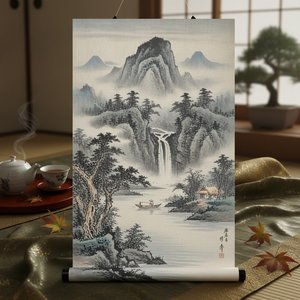
Serenity on Canvas: A Guide to the Timeless Beauty of Japanese Landscape Painting
Discover the serene beauty of Japanese landscape painting. From Hokusai's iconic woodblock prints to meditative sumi-e ink washes, explore a visual journey through the 'floating world' and learn how to bring this timeless Zen aesthetic into your modern home decor.

Floating World: The Captivating Art and Legacy of Japanese Ukiyo-e
Explore the profound beauty of Japanese Ukiyo-e. Discover the history, masters like Hokusai, and the enduring legacy of the 'Floating World' through an expert art-historical lens.
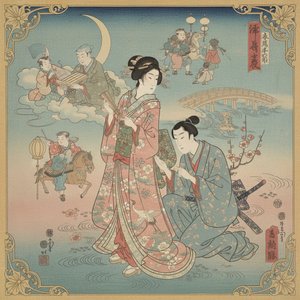
Suzuki Harunobu: Pioneering Ukiyo-e & the Refinement of Edo Period Printmaking
Discover the revolutionary world of Suzuki Harunobu, a pioneer of ukiyo-e printmaking. Explore his exquisite nishiki-e techniques, diverse subjects & lasting impact on Japanese art history. Learn more at OriginalUniqueArt.

葛飾北斎:25の傑作が語る浮世絵の世界 - OriginalUniqueArt
葛飾北斎の25選:『神奈川沖浪裏』や『富嶽三十六景』など、浮世絵の世界を深く探求。木版画の技法と日本美術の美をOriginalUniqueArtで。高品質なアートプリントで空間に感動を。コレクションはこちら。
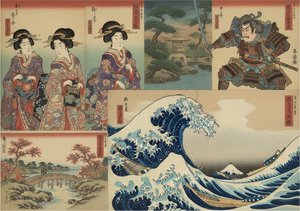
Ukiyo-e: Exploring Japan's Floating World & Enduring Artistic Legacy
Explore the captivating world of Ukiyo-e – Japan's iconic woodblock prints! Discover masters like Hokusai & Hiroshige, learn about Edo period culture, and find expert art collecting guidance at OriginalUniqueArt.


