

 プレビュー
プレビュー
 プリントを購入
 シェアする
シェアする シェアする
シェアする
 詳細を見る
詳細を見る

 ダウンロード
 似ている作品
 X線調査
X線調査 スライドショー
Cow
 Acrylic On Canvas
- WallArt
- American Realism
 24.0 x 24.0 cm
 ナショナルギャラリー
 詳細を見る
詳細を見る
オンラインプレビューをはるかに凌ぐ、高解像度で鮮明なデジタル画像をご購入いただけます。
各ファイルは、社内の専門家が高度なツールと熟練した手作業によるレタッチを用いて、細心の注意を払って準備されています。すべての画像において、卓越した鮮明度、正確な色彩再現性、そして繊細なディテールを保証いたします。
最終ファイルは、プロフェッショナルな編集・印刷環境ですぐにご利用いただけるよう最適化された状態で、72時間以内にメールにてお届けいたします。これは、一流のデザインスタジオ、出版社、ギャラリーから信頼されているものと同等の品質です。
デジタル画像のご注文に付随する特典
高品質なデジタル画像配信を、確かな品質で。
OriginalUniqueArt.com を選ぶことは、単に画像を手に入れることではありません。それは、プロの手によって精密に仕上げられ、満足保証が付いた高品質なデジタルアートワークを受け取ることを意味します。ご注文いただいた際に自動的に付随する内容は、以下の通りです:

メールですぐにお届け
ご注文から72時間以内に、高解像度のデジタル画像ファイルがメールでお手元に届きます。すぐにそのままご利用いただけます。

AI技術で最適化されたデジタルファイル
お客様の作品は、高度なAIツールと専門家による手作業の編集を組み合わせてプロフェッショナルに最適化されており、細部のディテール、鮮明さ、そして正確な色再現性を最大限に引き出しています。

一生涯無料の再送サービス
ファイルを誤って削除したり、紛失してしまったりしましたか?ご安心ください。いつでも無料で再送いたします。

輸入手数料は一切かかりません
関税や手数料、配送料を気にすることなく、お気に入りのアートワークをすぐにお楽しみいただけます。デジタルダウンロードは常に免税です。

色彩再現の保証
プロ仕様のツールとカラーマネジメント技術を用いることで、デジタル画像が元の色を最大限に忠実に再現することを保証いたします。

60日間満足保証
ご購入いただいたデジタル画像にご満足いただけない場合は、60日以内であれば、修正または100%の返金(理由を問う必要はありません)をさせていただきます。

100% 返金保証
ご満足いただけない場合は、デジタルファイルを受け取ってから60日以内であれば、理由を問わず全額返金いたします。

まとめ買い割引
3枚購入で10%OFF - 5枚購入で15%OFF - 10枚以上購入で20%OFF。クリエイティブなプロジェクト、ギャラリー、エージェンシーに最適です。
Solon Hannibal Borglum’s “Cow”: A Portrait of Frontier Resilience
Solon Hannibal Borglum's "Cow," rendered in crayon on paper, isn’t merely a depiction of an animal; it’s a poignant snapshot of the American West—a landscape defined by rugged individualism, hard-won survival, and a deep connection to the land. Created around 1900, this unassuming work offers a surprisingly intimate glimpse into the artistic sensibilities of a lesser-known sibling within the Borglum family – a lineage inextricably linked with monumental sculpture. While Gutzon Borglum is celebrated for his colossal figures at Mount Rushmore, Solon’s quieter, more observational approach reveals a nuanced understanding of the West's soul.
The artwork itself presents a simple yet compelling scene: a cow stands patiently before a modest building, likely a ranch or homestead. The crayon strokes are loose and expressive, conveying both the animal’s placid demeanor and the weathered solidity of its surroundings. There’s an immediate sense of realism, not striving for photographic accuracy but rather capturing the essence of the subject with a practiced eye. The artist's attention to detail—the subtle shading of the cow’s coat, the texture of the building’s walls—suggests a deep appreciation for the natural world and its inhabitants.
A Family Legacy Rooted in Western Realism
Solon Borglum’s artistic journey was profoundly shaped by his family history. Growing up amidst the complex dynamics of Mormon polygamy, he developed a keen awareness of human relationships and a sensitivity to the challenges faced by frontier communities. His brother, Gutzon, encouraged him to pursue art, recognizing his talent for capturing the spirit of the West. This familial influence is evident in Solon’s work—a consistent focus on depicting everyday life among cowboys, ranchers, and Native Americans – subjects that would later become central to his brother's monumental projects.
Interestingly, Solon’s early artistic training differed significantly from Gutzon’s. While Gutzon sought formal instruction in Europe, Solon honed his skills through observation and direct experience. He spent formative years working as a rancher in Nebraska, immersing himself in the rhythms of rural life and developing an unparalleled understanding of animal behavior. This hands-on approach is reflected in “Cow”—a work that feels less like a studied composition and more like a genuine moment captured on paper.
Symbolism of Resilience and Harmony
Beyond its straightforward depiction, "Cow" carries layers of symbolic meaning. The cow itself represents hardiness, patience, and the vital role it played in the Western economy. It embodies the resourcefulness required to thrive in a challenging environment. The building behind the animal suggests a sense of community—a place of shelter, sustenance, and connection. The quiet interaction between the two elements speaks to a harmonious relationship between humans and nature – a core value of the American West.
Furthermore, considering Solon’s own family history, “Cow” can be interpreted as a reflection on resilience in the face of adversity. The seemingly simple scene subtly alludes to the challenges faced by his family—the disruption of traditional social structures and the constant need for adaptation. The cow's calm presence mirrors a quiet strength – a testament to the enduring spirit of those who shaped the American West.
A Timeless Portrait of an Iconic Landscape
“Cow” is more than just a drawing; it’s a window into a bygone era—a poignant reminder of the values and experiences that defined the American frontier. Reproductions of this artwork offer a unique opportunity to bring a touch of Western realism into any space, evoking feelings of nostalgia, appreciation for nature, and respect for the pioneering spirit. Its understated beauty and subtle symbolism make it a captivating addition to any collection or interior design scheme.
作家の略歴
A Sculptor of the American West: The Life and Art of Solon Hannibal Borglum
Solon Hannibal de la Mothe Borglum, born December 22, 1868, in Ogden, Utah, was a sculptor whose work became inextricably linked with the spirit and landscape of the American West. Though often overshadowed by his more famous brother, Gutzon Borglum – creator of Mount Rushmore – Solon carved out a distinct artistic identity, one deeply rooted in realism and imbued with a sensitive portrayal of frontier life. His story is one of familial complexity, artistic dedication, and a profound connection to the evolving narrative of a nation forging its identity. The early years of his life were marked by an unconventional family dynamic; his father, James Borglum, a Danish immigrant and Mormon polygamist, was married to two sisters, Ida and Christina Mikkelsen. This arrangement led to a fractured childhood for Solon, particularly after his mother, Christina, left the family when he was young – a subject discouraged from discussion within the household. He spent formative years on the Nebraska prairie where his father practiced medicine, developing an intimate understanding of the land and its inhabitants. Initially drawn to the life of a cowboy-rancher, it was his brother Gutzon who recognized and nurtured Solon’s artistic inclinations, encouraging him to pursue formal training.From Paris to the Prairie: Artistic Development and Style
Solon's artistic journey led him first to the Cincinnati Art Academy from 1895 to 1897, where he began to hone his skills. However, it was his subsequent studies in Paris at the Académie Julian under Emmanuel Fremiet that truly shaped his aesthetic vision. There, he gained recognition as “le sculpteur de la prairie” – the sculptor of the prairie – a testament to the unique perspective he brought to European artistic circles. His time in Paris exposed him to classical traditions and refined sculpting techniques, yet he remained steadfastly committed to depicting the scenes and subjects that resonated with his American experience. Borglum’s style is characterized by meticulous realism, an acute understanding of anatomy and movement, and a narrative depth that breathes life into his creations. He didn't merely represent figures; he captured moments, emotions, and the essence of a disappearing way of life. His work focused primarily on depicting life in the American West, particularly scenes involving cowboys, Native Americans, and the vast, untamed landscapes that defined the era. Notable sculptures include “Saint John the Baptist baptizing on the banks of the river” (1900), now housed in Recife, Brazil, a piece demonstrating his mastery of Baroque realism and dramatic composition, and drawings like "Cow" at the Smithsonian American Art Museum, showcasing his ability to capture the raw power and beauty of animal life.War, Teaching, and a Lasting Legacy
The outbreak of World War I saw Solon shift his focus from artistic creation to service. He worked with the YMCA, contributing to Les Foyers du Soldat service clubs in France, providing respite and support for soldiers on the front lines. His dedication was recognized with the Croix de Guerre, a testament to his selfless contributions during wartime. Following the war, Borglum returned to the United States and founded the School of American Sculpture in New York City. Driven by a desire to pass on his knowledge and expertise, he mentored aspiring artists, developing a textbook titled *Sound Construction* as a guide for his students. This pedagogical endeavor reflects his commitment to fostering a new generation of sculptors grounded in both technical skill and artistic vision. Tragically, Solon Borglum’s life was cut short on January 31, 1922, following an appendectomy. However, his legacy endured through the dedication of his wife, Emma Vignal, and later through his daughter Monica and her husband, who diligently preserved and exhibited his work, ensuring that his artistic contributions would not be forgotten.A Bridge Between Eras: Historical Significance
Solon Borglum’s impact on American sculpture lies in his ability to bridge the gap between realism and iconic representations of frontier life. He didn't romanticize the West; he depicted it with honesty, sensitivity, and a deep understanding of its complexities. His sympathetic portrayal of Native Americans was particularly noteworthy, challenging prevailing stereotypes and offering a more nuanced perspective on their culture and experiences. Borglum’s teachings and artistic style influenced numerous artists, including Paul Manship, who studied under him and went on to become a prominent sculptor in his own right. Today, the New Britain Museum of American Art houses a significant collection of Borglum's sculptures and related materials, safeguarding his art for future generations. His work provides invaluable insights into the cultural landscape of the late 19th and early 20th centuries, reflecting both the romantic allure and the harsh realities of life in the American West. Through his remarkable sculptures and drawings, Solon Hannibal Borglum continues to inspire artists and art enthusiasts alike, reminding us of a pivotal era in American history and the enduring power of artistic expression. His legacy is not merely one of sculpted forms but of stories told in bronze and stone, capturing the heart and soul of a nation.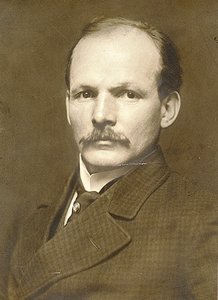
Solon Hannibal Borglum
1868 - 1922 , United States of America
プロフィール概要
- Artistic Movement Or Style: Realism, Western art
- Artists Or Movements Influenced By This Artist: ['Paul Manship']
- Artists Who Influenced This Artist:
- Emmanuel Fremiet
- Gutzon Borglum
- Date Of Birth: December 22, 1868
- Date Of Death: January 31, 1922
- Full Name: Solon Hannibal Borglum
- Nationality: American
- Notable Artworks:
- Saint John the Baptist
- Cow
- The teacher of sciences
- Place Of Birth: Ogden, USA

