

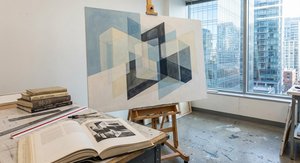
 設置イメージを確認
 送る
送る シェア
シェア
 詳細情報
詳細情報 ガイドを表示

 画像をダウンロード
 似ている作品
 X線調査
X線調査 スライドショー
 統計情報
統計情報Wall Drawing #391


 続きを読む
続きを読む
このページに掲載されている作品は著作権法によって保護されており、当社の許可なく同一の複製物を制作または販売することは法律で禁じられています。この保護は、以下のような国際条約に基づき執行されます。 ベルヌ条約 および、以下の条項に定められたものを含む各国の法律により、 米国著作権法 第17編。
この手法は、著作権で保護された作品の複製や複写を伴わないため、著作権法に完全に準拠しています。これは単なる模倣ではなく、創造的な再解釈です。元の作品からインスピレーションを受けつつも、それとは異なる、全く新しい絵画を生み出すものです。
ジークレー/アートプリント
スピーディーな制作と多彩な仕上げオプションが魅力の、ミュージアムクオリティなジークレー・キャンバスプリント。 ( 手描きの複製画を注文する デジタル画像販売へ切り替え)




P118B ¥10

P118H ¥10

P118W ¥10

P438Z ¥10

P508JH ¥12

P508YH ¥12

P805H ¥10

P805Z ¥10

P919BZ ¥10

P919G ¥10

P919XJ ¥10

P959ZH ¥10

P968JZ ¥12

W106C ¥8

W218G ¥10

W218JH ¥8

W218Y ¥10

W307PJ ¥10

W316G ¥10

W316PJ ¥8

W316Y ¥10

W398PJ ¥8

W4111J ¥10

W500HY ¥15

W500JH ¥15

W692G ¥12

W849H ¥8

W940BG ¥15

W953PJ ¥8




作品のオリジナル比率に合わせた、当店の規定サイズからお選びください。

Type the width and the height you need, to fit your frame or your wall. A print can only be cut, never made bigger than the picture, so a size with a different shape loses a part of the image. We send you a digital mockup to approve before we print anything. The picture shown on this page does not show the real cut — only the mockup does.


 ガラスオプションは、110cm未満のサイズでのみご利用いただけます。

Wall Drawing #391
ジークレー/アートプリント
複製画サイズ一覧
-


合計金額
¥ 12409
Solomon Lewitt’s Wall Drawing #391: A Minimalist Exploration of Geometry and Color
Solomon Lewitt's "Wall Drawing #391," created in April 1983, stands as a cornerstone of minimalist art and conceptual sculpture. More than just pigment on canvas, it embodies Lewitt’s radical philosophy—that the artwork resides solely in its conception and execution, challenging traditional notions of artistic representation. This piece exemplifies Lewitt's unwavering commitment to geometric abstraction, transforming simple lines into powerful visual statements that resonate with profound intellectual depth.The Conceptual Framework
Lewitt’s approach stemmed from a deep fascination with mathematics and geometry, disciplines he rigorously applied throughout his career. He famously articulated the core principle of minimalism: “The artwork is the idea behind it.” This statement encapsulates Lewitt's belief that the artist should prioritize conceptual exploration over purely aesthetic considerations—a revolutionary stance that fundamentally altered the trajectory of modern art. "Wall Drawing #391" isn’t about capturing a visual scene; rather, it’s an embodiment of pure form and logic, reflecting Lewitt’s conviction that art could communicate ideas without relying on illusion or sensory stimulation.Technique and Materiality
The drawing itself is executed with meticulous precision using black India ink and color ink washes applied to two adjacent walls. Each wall is divided horizontally and vertically into four equal parts—creating a grid structure that reinforces the geometric underpinning of the artwork. The lines are drawn in four directions, one direction in each quadrant, resulting in a symmetrical pattern that emphasizes balance and order. Lewitt’s deliberate choice of materials – India ink for its tonal range and color washes for layering hues – underscores his commitment to materiality while simultaneously serving as conduits for conveying abstract concepts. This technique is remarkably simple yet profoundly effective, demonstrating how minimal means can yield maximal impact.Historical Context and Influence
“Wall Drawing #391” emerged during a period of significant artistic experimentation in the 1980s, coinciding with the rise of conceptual art and the rejection of representational painting. Lewitt’s work directly responded to the burgeoning interest in geometric abstraction championed by artists like Josef Albers and Agnes Martin—artists who similarly sought to distill visual experience into its purest form. The drawing's influence extends far beyond its immediate context, inspiring countless subsequent artists to explore similar reductive strategies and prioritizing conceptual ideas over decorative embellishments. It remains a testament to Lewitt’s enduring legacy as a pioneer of minimalist aesthetics and a champion of intellectual rigor within the art world.Symbolism Beyond Geometry
While seemingly devoid of overt imagery, “Wall Drawing #391” possesses subtle symbolic resonance rooted in Lewitt's philosophical framework. The grid structure represents order and rationality—values central to Lewitt’s worldview—while the four colors – Onyx (black), Sunglow (yellow), Alizarin Crimson (red), Navy Blue – serve as visual anchors, grounding the composition and inviting contemplation. These hues are carefully chosen not for their expressive qualities but rather for their ability to establish a harmonious balance within the geometric framework. Ultimately, Lewitt’s intention was to create an artwork that transcends mere visual perception, prompting viewers to engage in a dialogue with fundamental questions about art and thought.A Legacy of Minimalism
Solomon Lewitt's "Wall Drawing #391" continues to captivate audiences today as a quintessential example of minimalist sculpture. Its enduring appeal lies in its uncompromising simplicity—a deliberate rejection of superfluous ornamentation that prioritizes intellectual engagement over sensory gratification. The drawing stands as a powerful reminder that art can communicate profound ideas through the purest forms of visual expression, cementing Lewitt’s place as one of the most influential figures in 20th-century artistic history.よくあるご質問
ソロモン・ルウィット作「Wall Drawing #391」の色使いは、作品の感情とどのように結びついているのでしょうか?
ソロモン・ルウィット作「Wall Drawing #391」は、NeutralsなパレットとCalmなトーンを兼ね備えています。
ソロモン・ルウィット作「Wall Drawing #391」に似た作品はどこで見つけることができますか?
ソロモン・ルウィット作「Wall Drawing #391」の似ている作品ページでは、関連する作品をご紹介しています。
制作時期から見て、"Wall Drawing #391"はソロモン・ルウィットのキャリアにおけるどの時期にあたりますか?
1983年という制作年代から、「Wall Drawing #391」はソロモン・ルウィットのMature Periodに属します。
アーティストについて
思想の建築家:ソル・ルウィットの生涯と遺産
20世紀モダニズムという広大な風景において、ソロモン・ルウィットほど長く、そして知的に深い影を落とした人物は稀です。1928年9月9日、コネチカット州ハートフォードにてロシアからのユダヤ人移民の家庭に生まれたルウィットの歩みは、単なる物理的な実行よりも、純粋な思考の追求によって定義されるものでした。彼の幼少期は、厳格な分析的好奇心によって形作られ、その特性は1945年から1949年にかけてのシラキュース大学での学びによって育まれました。数学と幾何学におけるこの学問的基盤は、後に彼の芸術言語の鼓動そのものとなり、伝統的な芸術が持つ装飾的な過剰さを削ぎ落とし、論理と構造という骨格的な美しさを露わにすることを可能にしたのです。
芸術家としてのルウィットの進化は、突然の断絶ではなく、形あるものから概念的なものへの意図的な移行でした。初期の探求においては、絵画やドローイングの触覚的な性質に触れていましたが、彼はやがて、描かれた線そのものよりも、その線の背後にあるアイデアに強く惹かれるようになっていきました。この転換は、ミニマリズムとコンセプチュアル・アートの溝を埋める先駆者の誕生を告げるものでした。彼は芸術家を、手作業に縛られた職人としてではなく、「指示書の建築家」として捉え始めたのです。完成された物体よりも精神的な設計図を優先することで、ルウィットは作者という定義そのものに挑戦し、ひとたびアイデアが構想されれば、その物理的な具現化は単なる二次的な結果に過ぎないことを示唆しました。
ウォール・ドローイングの革命
1960年代後半、ルウィットの象徴的なウォール・ドローイング(壁画)の登場により、現代美術における最も急進的な変容の一つが起こりました。伝統的な彫刻が持つ永続性や希少性を拒絶し、彼は「構造物(ストラクチャー)」という概念を導入しました。これは、その数学的な本質を強調するために、彼が「彫刻」よりも好んで用いた言葉です。そして、指示に従う訓練を受けた者であれば誰でも実行できる一連の指示書を生み出しました。これらの作品は単なる装飾ではなく、生きた体験そのものでした。精密な幾何学模様、弧、そして組み合わさる形状によって構成され、それらが置かれた建築空間に生命を吹き込んでいたのです。
ルウィットのウォール・ドローイングを目の当たりにすることは、論理が詩へと変容する瞬間を目撃することに他なりません。Black with White Lines, Vertical Not Touchingに見られる峻厳でリズム感のある反復であれ、Wall Drawing #1091: arcs, circles and bandsの鮮やかで溢れんばかりのエネルギーであれ、彼の作品は空間を支配するために線の力を利用していました。これらの作品はしば通り、アシスタントや美術館の設置者に制作を導く、論理的かつ数学的な指示体系に依拠していました。この手法は、創造という行為を民主化すると同時に、コンセプトの重要性を高め、作品が壁に触れる以前に、根本的には知的な火花として存在することを確かなものにしたのです。
現代性に刻まれた不朽の足跡
版画、写真、インスタレーションにおける熟達を含め、数十年にわたる多作なキャリアを通じて、ルウィットは明晰さと精密さへのコミットメントを揺るぎないものとして貫きました。純白の鮮烈なピラミッドや、クレヨンを用いた壁画作品の複雑で色彩豊かなリズムなど、最も単純な形態の中に深い美を見出す彼の能力は、20世紀後半の美学的境界を再定義しました。彼は、芸術からエゴや装飾を取り除いたとしても、秩序と発見を求める人間の欲望に深く共鳴する魂を、なお保持し続けることができるのだと証明したのです。
ソル・ルウィットの歴史的な重要性は、いくら強調してもしすぎることはありません。彼は、思考と物質の境界を探求するための語彙を、後世の芸術家たちに提供しました。彼の遺産は、創造者と実行者の境界が曖昧になり、アイデアの強さが究極の媒体として認められるあらゆる美術館やギャラリーの中で生き続けています。ハートフォードでの始まりから、2007年にニューヨークで迎えた最期まで、彼の生涯を振り返るとき、私たちは単に芸術を作った人物ではなく、思考そのものの深遠な建築を見出す方法を私たちに教えてくれた人物を見出すのです。

ソロモン・ルウィット
1928 - 2007 , アメリカ合衆国
アーティスト情報
- Artistic Movement Or Style: ミニマリズムとコンセプチュアル・アート
- Artists Or Movements Influenced By This Artist: ['ミニマリズム']
- Artists Who Influenced This Artist: ['フランク・ロイド・ライト']
- Date Of Birth: 1928年9月9日
- Date Of Death: 2007年4月8日
- Full Name: ソロモン・ルウィット
- Nationality: アメリカ人
- Notable Artworks:
- 歪んだ立方体 Bozuk Küpler
- カルドール公共芸術プロジェクト 11: ソル・ルウィット 1998
- Place Of Birth: ハートフォード、アメリカ合衆国
関連記事

The Power of Less: A Definitive Guide to the Minimalism Movement and Geometric Abstraction
Explore the profound impact of Minimalism and Geometric Abstraction. From Mondrian to Malevich, discover how stripping art to its essential forms revolutionized modern aesthetics through our expert-led historical guide.
Beyond Form & Color: Geometric Abstraction's Enduring Legacy in Art History
Explore the captivating world of geometric abstraction! Discover its origins, key artists like Malevich & Mondrian, and why this movement remains highly valued by art collectors today. Expert insights at OriginalUniqueArt.

幾何学的抽象絵画を定義した傑作10選|アート、アーティスト、インテリア装飾
モンドリアン、マレーヴィチ…幾何学的抽象絵画を代表する傑作10選。各作品の背景や色彩構成、アーティストの情熱に迫ります。美術館品質の複製画はOriginalUniqueArt.comで。オンラインでアートコレクションをご覧ください。

Kandinsky's Masterpieces: 25 Paintings That Define Abstract Art | OriginalUniqueArt
Journey through Wassily Kandinsky's 25 most iconic abstract paintings. Explore his revolutionary use of color, form & spiritual expressionism. Find museum-quality Kandinsky reproductions and elevate your home decor with OriginalUniqueArt.com. Discover all masterpieces on OriginalUniqueArt.com!

Neo-Abstract Art: The High-Impact Evolution of Modern Visual Energy and Geometric Sophistication
Discover the power of Neo-Abstract art. Explore how bold geometric forms and high-impact visual energy are redefining modern design. Learn to curate sophisticated, high-energy spaces with the latest trends in contemporary abstraction and structural color.