

 プレビュー
プレビュー
 シェアする
シェアする シェアする
シェアする
 詳細を見る
詳細を見る

 ダウンロード
 似ている作品
 X線調査
X線調査 スライドショー
 統計情報
統計情報Spinningdale
 Acrylic On Canvas
- WallArt
- Cubist Influences
 1939
1939- 19th Century
 77.0 x 87.0 cm
 Royal Scottish Academy of Art - Architecture
 詳細を見る
詳細を見る
ジークレー/アートプリント
迅速な制作と多彩な仕上げオプションを備えた、ミュージアムクオリティのジークレーまたはキャンバスプリント。 ( 手描きの絵画を購入 デジタル画像販売へ切り替え)




P118B $10

P118H $10

P118W $10

P438Z $10

P508JH $12

P508YH $12

P805H $10

P805Z $10

P919BZ $10

P919G $10

P919XJ $10

P959ZH $10

P968JZ $12

W106C $8

W218G $10

W218JH $8

W218Y $10

W307PJ $10

W316G $10

W316PJ $8

W316Y $10

W398PJ $8

W4111J $10

W500HY $15

W500JH $15

W692G $12

W849H $8

W940BG $15

W953PJ $8




作品のオリジナル比率に合わせた、当店の規定サイズからお選びください。

特定のフレームやスペースに合わせて、ご自身でサイズを指定することも可能です。選択されたサイズが元の画像の比率と一致しない場合、作品をトリミングするか、鏡面反射または単色での塗りつぶしによって画像を拡張いたします。制作を開始する前に、ご確認用のデジタルモックアップをお送りいたします。
画面上のプレビューには、実際のトリミングや拡張は反映されませんのでご注意ください。最終的な構図を正確に確認できるのは、モックアップのみとなります。
カスタムサイズも承っておりますが、元の比率を維持するためには、あらかじめ用意されたリストからサイズを選択することをお勧めいたします。


 ガラスオプションは、110cm未満のサイズでのみご利用いただけます。

Spinningdale
ジークレー/アートプリント
複製画のサイズ
-


合計金額
$ 80
A Highland Reverie: William George Gillies’ “Spinningdale”
William George Gillies' "Spinningdale," painted in 1939, isn’t merely a depiction of a Scottish village; it’s a carefully constructed evocation of place, memory, and the enduring spirit of the Highlands. This oil on canvas captures a quintessential scene – a modest settlement nestled within a rolling landscape—but Gillies elevates it through his masterful use of color, light, and a subtly layered approach to composition that speaks volumes about his artistic journey.
Gillies, born in Haddington, Scotland, possessed an early fascination with art, initially drawn to the burgeoning Cubist movement after studying under André Lhote in Paris. However, his exposure to Paul Klee’s vibrant palette and childlike imagination proved transformative. This shift is powerfully evident in “Spinningdale,” where a deliberate simplification of forms and a joyous deployment of color—a rich tapestry of blues, greens, and ochres—create an atmosphere both serene and deeply rooted in the natural world. The painting feels less like a photographic representation and more like a carefully curated dream.
The Language of Landscape: Technique and Composition
Gillies’ technique is characterized by a remarkable ability to capture the essence of light and texture. He employs loose, expressive brushstrokes that suggest movement and depth, particularly in the depiction of the rolling hills and the meandering road that cuts through the village. Notice how he builds up layers of paint—often applying thin washes followed by thicker impasto—to create a sense of tactile richness. The composition itself is subtly dynamic; the eye is drawn from the central cluster of buildings towards the distant horizon, creating an illusion of vastness and inviting the viewer to lose themselves in the scene.
The painting’s perspective isn't rigidly defined, contributing to its slightly dreamlike quality. Gillies deliberately flattens some planes while exaggerating others, a technique reminiscent of Cézanne but imbued with a distinctly Scottish sensibility. The placement of the figures—a few individuals strolling along the road and pausing near the buildings—adds a human element without disrupting the overall tranquility. They are integrated seamlessly into the landscape, suggesting a harmonious relationship between people and their environment.
Symbolism and Highland Identity
“Spinningdale” is more than just a pretty picture; it’s a meditation on Scottish identity and rural life. The name itself—derived from the Gaelic “Spainnigeadal,” meaning ‘valley meadow’—hints at the painting's connection to the land. The village, with its modest dwellings and winding road, embodies a sense of timelessness and resilience. It speaks to a way of life deeply connected to the rhythms of nature.
The inclusion of the mill, prominently featured in the foreground, is particularly significant. Mills have historically been vital centers of rural economies, representing both industry and tradition. Its presence anchors the scene within a specific locale and reinforces the painting’s theme of community and sustenance. The muted colors and soft light evoke a sense of nostalgia—a longing for simpler times and a connection to one's heritage.
A Legacy of Color: Gillies’ Artistic Evolution
“Spinningdale” represents a pivotal moment in William George Gillies’ artistic development. Following his time with Paul Klee, he moved away from the rigid geometries of Cubism towards a more expressive and emotionally resonant style. This painting demonstrates his ability to synthesize influences—drawing on Cézanne's spatial considerations, Braque's muted palette, and Klee's playful use of color—to create a uniquely personal vision. It’s a testament to his skill as a draughtsman and colourist, and a beautiful window into the heart of the Scottish Highlands.
アーティストの略歴
ウィリアム・ジョージ・ギリーズ:スコットランド美術における生涯
1898年、東ロシアン地方のハaddingtonで生まれたウィリアム・ジョージ・ギリーズは、20世紀スコットランド美術を代表する画家の一人として知られています。彼の作品は、初期モダニズムと独特なスコットランドの芸術的アイデンティティとの架け橋となり、その繊細な色彩感覚と風景描写は、多くの人々を魅了し続けています。
ギリーズの芸術への道は、エディンバラ美術大学への入学から始まりました。しかし、第一次世界大戦が勃発すると、彼は王立工兵隊に入隊し、学業は中断せざるを得ませんでした。戦後、彼は再びエディンバラ美術大学に戻り、卒業後は40年以上にわたり同大学で献身的に教鞭を執ることになります。彼の教育者としての側面も、スコットランドの美術界に大きな影響を与えた重要な要素です。
芸術的発展と影響
1923年、ギリーズはパリでアンドレ・ロートのもとでキュビズムを学び、さらにイタリアへの旅行を通して芸術的な視野を広げました。初期の作品、「Two Pots, Saucer and Fruit」(1933)などは、セザンヌに影響を受けた構成と、ブラックやピカソのような控えめな色彩パレットが特徴的です。しかし、彼の芸術における転換点は、1934年にポール・クレーの作品に出会ったことでした。クレーの作品は、ギリーズに色彩のより想像力豊かな使い方と、子供のような素朴さを取り入れることを促し、彼の作風に大きな変化をもたらしました。
厳格なキュビズムから徐々に離れるにつれて、ギリーズはスコットランドの風景や静物画の伝統を根底とした独自のスタイルを確立していきました。彼は、ロシアン地方、ファイフ地方、ボーダー地方などのスコットランドの風景を繊細な眼差しで捉え、その本質を描き出しました。
1922グループと協調性
ギリーズは、1922年にウィリアム・クロジエ、ウィリアム・ガイッスラー、ウィリアム・マクタガートらと共に“1922グループ”を設立しました。この展覧会協会は、新進気鋭のスコットランド人アーティストが作品を発表するためのプラットフォームとして、10年間エディンバラのニューギャラリーで活動しました。グループは、スコットランド美術界におけるコミュニティ意識と革新性を育み、新たな才能の発掘に貢献しました。
テーマと主題
風景画: ギリーズは、ロシアン地方、ファイフ地方、ボーダー地方のスコットランドの風景を描いた作品で広く知られています。彼は、これらの風景の本質を繊細な眼差しで捉え、その美しさを表現しました。
静物画: 静物画もまた、彼の重要なテーマの一つであり、妹のエマ・スミス・ギリーズが制作した陶器が頻繁に登場します。妹の若すぎる死は、彼に深い影響を与え、その作品にも反映されています。
肖像画: 彼は初期には肖像画も試みましたが、風景画と静物画が彼の主要な主題となりました。特に、妹のエマ・スミス・ギリーズの陶器をモチーフにした静物画は、彼自身の感情や記憶を表現する手段として重要な役割を果たしました。
主な功績と評価
ギリーズは1959年から1966年までエディンバラ美術大学の校長を務めました。彼の多大な業績と教育への献身は、スコットランドの画家たちに深い影響を与えました。彼は王立アカデミー会員(RA)に選出され、芸術界における重要な地位を確立しました。
歴史的意義と遺産
ウィリアム・ジョージ・ギリーズは、スコットランドで最も重要な20世紀の画家の一人とされています。彼の作品は、初期モダニズムと独特なスコットランドの芸術的アイデンティティとの架け橋となり、その美しさ、繊細さ、そして永続的な関連性は、今日でも多くの人々を魅了し続けています。
遺産: 彼の影響は、絵画にとどまらず、教育と指導を通してスコットランド美術の方向性を形作りました。1973年に彼は亡くなりましたが、その豊かな作品群は、今もなお称賛され、愛されています。

ウィリアム・ジョージ・ギリーズ
1898 - 1973 , イギリス
基本情報
- Artistic Movement Or Style: キュビズム、スコットランド派
- Artists Who Influenced This Artist:
- アンドレ・ロート
- セザンヌ
- ブラック
- ピカソ
- ポール・クレー
- Date Of Birth: 1898年
- Date Of Death: 1973年
- Full Name: ウィリアム・ジョージ・ギリーズ卿
- Nationality: スコットランド人
- Notable Artworks (List Of Titles): ['Two Pots, Saucer and Fruit']
- Place Of Birth (City And Country): ハディントン、イギリス
関連記事

ロマン派ランドスケープ:時代を彩る巨匠の10選|アートとインテリアの世界
ロマン派絵画の時代を彩る10選。巨匠たちの風景が織りなす感動の世界へ。ターナー、ルーベンスなど、名作の裏話と高精細複製でアートをお部屋に。OriginalUniqueArt.comで至福のアート体験を。

ジョン・コンスタブルの傑作25選:英国風景画の巨匠が描く自然と光の詩 | OriginalUniqueArt
ジョン・コンスタブルの傑作25選。英国風景画の巨匠が描く自然と光の詩の世界へ。ロマン主義を代表する絵画、デダム・ヴェールやヘイ・ウェインなど、OriginalUniqueArtで高品質なアートプリントをお楽しみください。インテリアに深みと感動を。コレクションはこちら。

Sir Alfred Munnings' Masterpieces: 25 Paintings That Define Equine Art | OriginalUniqueArt
Explore 25 iconic Sir Alfred Munnings paintings! Discover the beauty of British Impressionism, equine art & rural England. Find museum-quality reproductions and elevate your home decor with OriginalUniqueArt. Explore the full collection online.

Capturing Nostalgia: The Timeless Allure and Art History of Village Scene Landscapes
Explore the profound beauty of village scene art. From Impressionist light to pastoral realism, discover how timeless landscapes capture nostalgia through expert artistry and historical depth. Perfect for collectors seeking evocative, museum-quality landscape inspirations.
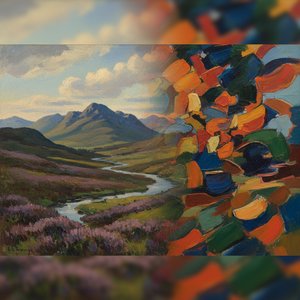
Sir William George Gillies: A Scottish Colourist's Journey Through Landscape & Abstraction
Explore the captivating world of Sir William George Gillies, a leading Scottish Colourist. Discover his journey from Cubism to iconic landscapes & still lifes. Expert insights for collectors and art enthusiasts.


