
 設置イメージを確認
 送る
送る シェア
シェア
 詳細情報
詳細情報 ガイドを表示

 画像をダウンロード
 似ている作品
 X線調査
X線調査 スライドショー
 Q&A
Q&A 統計情報
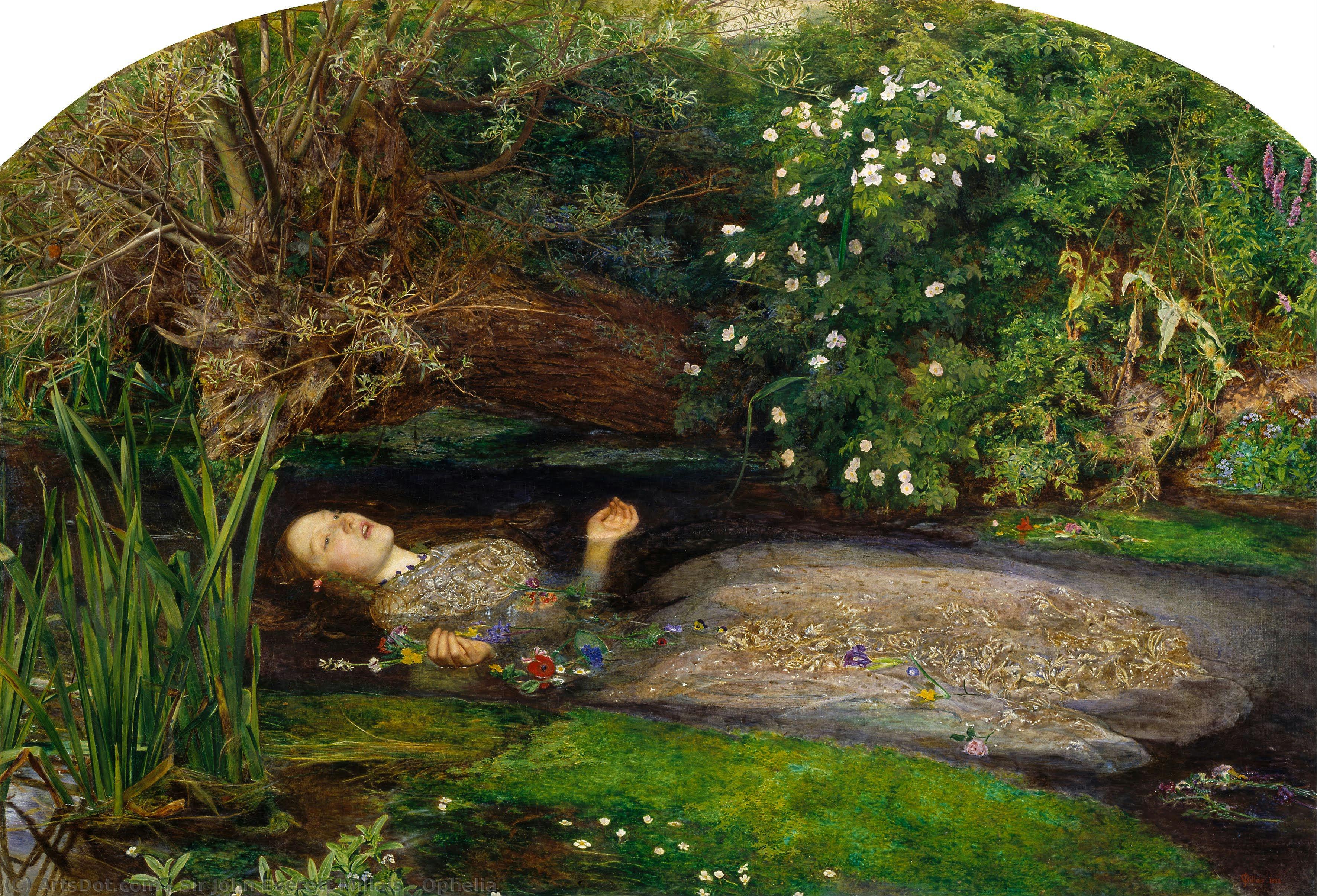
統計情報Ophelia
 Oil On Canvas
- WallArt
- Pre-Raphaelite
 1851
1851 11.0 x 76.0 cm
 テート・ブリテン
 続きを読む
続きを読む
ウェブ上のプレビューを遥かに凌駕する、印刷に最適なファイルをご提供します。当サイトで販売しているすべてのデジタル画像は、弊社のデータベース内にある高解像度のマスターデータ(通常、幅5,000〜15,000ピクセル)から作成されています。そのため、大判印刷やタイトなクロップ、細部まで緻密な再現も、安心してお楽しみいただけます。
当スタジオから送り出される画像は、すべて丁寧に加工されています。デジタルエキスパートが原画と照らし合わせて色調を精査し、必要に応じて補正を行った上で、プロ仕様のリタッチツールを用いて鮮明さと細部を向上させます。その際、アーティストの筆致やスタイルに忠実であることを常に追求しています。その結果、単なるスキャン画像にフィルターをかけたようなものではなく、まるで本物の絵画を見ているかのような仕上がりを実現しています。
仕上がりをご確認いただいてから完了となります。専門スタッフが、ご確認用の画像を72時間以内にメールでお送りいたします。もしご満足いただけない場合は、修正や改善のご要望を承るほか、品質が基準に満たない場合には返金も可能です。
出版社、デザインスタジオ、ギャラリー、そして印刷所から信頼される品質です。
デジタル画像
個人での鑑賞、印刷、クリエイティブなプロジェクトにご利用いただける高解像度ファイルをダウンロードできます。 ( プリント版に切り替え 手描きの複製画を注文する)
デジタル画像のご注文に付随する特典
プロフェッショナルなデジタル配信を、確かな品質で。
OriginalUniqueArt.com を選ぶことは、単に画像を手に入れることではありません。プロの手によって精密に仕上げられ、満足保証が付いた高品質なデジタルアートワークを受け取ることを意味します。ご注文いただいた際に自動的に付随する内容は、以下の通りです:

メールですぐにお届け
ご注文から72時間以内に、高解像度のデジタル画像ファイルをメールでお送りいたします。お手元に届き次第、すぐにご利用いただけます。

AI技術で最適化されたデジタルファイル
お客様の作品は、高度なAI技術と専門家による手作業を組み合わせてプロフェッショナルに最適化されており、細部のディテール、鮮明さ、そして正確な色再現性を最大限に引き出しています。

一生涯無料の再送サービス
ファイルを誤って削除したり、紛失してしまったりしましたか?ご安心ください。いつでも無料で再送いたします。

輸入手数料は、いつでも一切かかりません
関税や手数料、配送料を気にすることなく、お気に入りのアートワークをすぐにお楽しみいただけます。デジタルダウンロードは常に免税です。

正確な色彩の保証
プロ仕様のツールとカラーマネジメント技術を用いることで、デジタル画像が元の色を最大限に忠実に再現することを保証いたします。

100日間満足保証
ご購入いただいたデジタル画像にご満足いただけない場合は、100日以内であれば、理由を問わず修正または100%の返金対応をさせていただきます。

100% 返金保証
ご満足いただけない場合は、デジタルファイルを受け取ってから100日以内であれば、理由を問わず全額返金いたします。

まとめ買い割引
3枚購入で10%OFF、5枚購入で15%OFF、10枚以上のご購入で20%OFF。クリエイティブなプロジェクトやギャラリー、エージェンシーに最適です。
A Frozen Moment of Melancholy: Millais’s “Ophelia”
Sir John Everett Millais's "Ophelia," painted in 1851–52, isn’t merely a depiction of a tragic Shakespearean scene; it’s an immersive experience—a meticulously crafted tableau of sorrow and beauty that continues to captivate viewers over a century and a half later. This iconic Pre-Raphaelite masterpiece transcends its literary source, becoming a profound meditation on loss, innocence, and the poignant surrender to nature's embrace. The painting immediately draws the eye with its luminous palette and astonishing level of detail, inviting the viewer into a world both idyllic and profoundly mournful.
Millais’s genius lies not just in his technical skill—though that is undeniably remarkable—but in his ability to evoke an atmosphere of palpable grief. He achieved this through a radical departure from conventional artistic practices for the time, choosing to paint *en plein air* (outdoors) and working directly from nature. This commitment to realism, coupled with the Pre-Raphaelite Brotherhood’s fascination with medieval and Renaissance art, resulted in a work that feels simultaneously ancient and utterly contemporary. The scene unfolds along the Hogsmill River near Ewell, Surrey, where Millais meticulously recreated the landscape, capturing the dappled sunlight filtering through the foliage and the shimmering reflections on the water's surface.
The Figure of Despair
At the heart of “Ophelia” is her figure—a young woman reclining gracefully in the stream, her expression a mixture of serene acceptance and heartbreaking resignation. Elizabeth Siddall, Millais’s model for Ophelia, endured an extraordinary ordeal to achieve this portrayal. For weeks, she posed submerged in a bathtub filled with cold water, draped in heavy velvet robes to simulate the chill of the river. This dedication to realism extended beyond mere appearance; it was a deliberate attempt to capture the physical sensation of drowning—a testament to Millais’s commitment to portraying the subject matter with unflinching honesty.
The details surrounding Siddall's posing are particularly poignant, revealing the demanding nature of Pre-Raphaelite art production. The discomfort she experienced led to a severe illness, requiring medical attention and ultimately shaping the painting’s atmosphere of vulnerability. Millais’s careful observation of her posture, the delicate drape of her gown, and the subtle expression on her face all contribute to the overwhelming sense of tragedy.
Symbolism Woven into the Scene
“Ophelia” is rich in symbolic detail, each element carefully chosen to deepen the narrative’s emotional resonance. The flowers scattered around her—violets, pansies, poppies, willow branches, and daisies—are not merely decorative; they carry specific meanings rooted in Victorian symbolism. Violets represent faithfulness and modesty, while poppies symbolize death and sleep. The willow branch, a traditional symbol of mourning, drapes over the riverbank, mirroring Ophelia’s descent into sorrow. Even the arrangement of the flowers suggests a deliberate composition—a visual representation of her fragmented thoughts and memories.
The inclusion of a silver casket, partially submerged in the water, further reinforces the theme of loss and remembrance. It is a relic from her past, a symbol of her shattered engagement and the world she has lost. The presence of a small mouse nestled amongst the embroidery on the table adds an unexpected layer of detail—a reminder of mortality and the fragility of life.
A Legacy of Beauty and Sorrow
“Ophelia” remains one of the most celebrated paintings in the Pre-Raphaelite canon, admired for its technical brilliance, emotional depth, and enduring power. It’s a work that invites repeated viewing—each encounter revealing new layers of meaning and nuance. Beyond its artistic merit, “Ophelia” has become an iconic image of female vulnerability and tragic beauty, frequently referenced in literature, film, and popular culture. Its depiction of a young woman surrendering to the embrace of nature continues to resonate with viewers today, serving as a poignant reminder of the ephemeral nature of life and the enduring power of art to capture both its splendor and its sorrow.
Reproductions of “Ophelia” offer an accessible way to experience this masterpiece firsthand. Whether displayed in a grand salon or a cozy study, this evocative image will undoubtedly spark conversation and inspire contemplation for years to come.
よくあるご質問
ジョン・エバレット・ミレーズ作「Ophelia」は、Pre-Raphaeliteにおいてどのような情緒を表現していますか?
「Ophelia」は、Pre-Raphaeliteのムーブメントにおいて、Melancholicな情緒を湛えています。
ジョン・エバレット・ミレーズ作「Ophelia」は、どのような情緒や感情を表現していますか?
ジョン・エバレット・ミレーズ作「Ophelia」に描かれた情緒はRomanticであり、その感情的なトーンはMelancholicです。
ジョン・エバレット・ミレーズ作「Ophelia」の色彩の彩度はどの程度ですか?
「Ophelia」のパレットは、彩度がBalanced Softです。
アーティスト・プロフィール
幼少期と王立美術学校での才能開花
1829年、イギリスのサウサンプトンで生まれたジョン・エヴェレット・ミレーは、驚くべき早さで芸術的な才能を発揮しました。わずか11歳にして王立美術学校に入学し、史上最年少の学生となりました。この初期の才能は、単なる幸運ではなく、その後のキャリアを決定づけるものでした。ミレーは生まれつき観察力に優れ、それが彼の芸術様式の礎となります。彼はただ見たものを描くだけでなく、細部まで徹底的に再現し、まるで写真のような忠実度を追求しました。この表現への献身が彼を際立たせ、イギリス美術の伝統的な枠組みに挑戦するきっかけとなりました。プレ・ラファエライト兄弟団の誕生と芸術的革命
1848年、ミレーはダンテ・ガブリエル・ロセッティやウィリアム・ホルマン・ハントと共に、プレ・ラファエライト兄弟団を設立します。これは単なる美的選択ではなく、アカデミック美術が自然からかけ離れ、初期ルネサンスの巨匠たち—特にラファエル以前の画家たちの誠実さを失っていると彼らが感じたことに対する意識的な反抗でした。プレ・ラファエライトたちは、ヤン・ファン・エイクやフラ・アンジェリコのような芸術家の明瞭さ、細部へのこだわり、鮮やかな色彩を取り戻そうとしました。彼らの宣言は「自然の真実」であり、理想化された形態を拒否し、文学、神話、日常生活からテーマを選びました。ミレーの初期作品、『イザベラ』はその新しいアプローチをすぐに示しました—細部への徹底的な注意と、観客を魅了し、時に挑発する物語性です。この時期に彼が制作した最も物議を醸した作品『キリストの家での生活』(1849-50)は、聖家族を非現実的な存在としてではなく、普通の労働者階級の人々として描きました。様式の進化とヴィクトリア朝の感性
1850年代半ばは、ミレーにとって個人的にも芸術的にも大きな転換期となりました。ジョン・ラスキンの妻であるエフィー・グレイとの結婚は、彼の作品に深い影響を与えました。彼は初期のプレ・ラファエライト絵画に見られた強烈な細部と象徴性から、より広範で大気のあるリアリズムへと移行します。この変化は単なる様式的選択ではなく、現代生活への関心の高まりと、自然界のつかの間の美しさを捉えたいという願望を反映していました。『秋の葉』はその新しい方向性を例示しています—若い女性たちが川に落ち葉を流す穏やかな光景を描き、メランコリーと郷愁の感覚が込められています。彼はまた、ジョン・グラッドストーンやベンジャミン・ディズレーリなどの著名なヴィクトリア朝の人々の肖像画家としても成功しました。この時期、ミレーは幅広い人気と経済的な安定を得ましたが、彼の芸術的原則を妥協したと感じる批判も受けました。遺産と永続的な影響
これらの批判にもかかわらず、ジョン・エヴェレット・ミレーは19世紀イギリス美術において最も重要な人物の一人です。彼の影響はプレ・ラファエライト兄弟団を超えて広がり、リアリズムと物語性絵画の基準を再定義し、世代を超えて多くの芸術家たちにインスピレーションを与えました。彼の象徴的なイメージ—『オフィーリア』はその魅惑的な美しさと象徴的な深さで知られ、『ユグノー』は痛切なドラマを描き出し、その他数多くの作品は今日でも観客の心を捉え続けています。ミレーが細部への徹底的な観察と感情的な深さを融合させ、色彩と構成を巧みに操り、芸術的慣習に挑戦する姿勢は、彼を真の革新者として確固たる地位を築きました。1896年、彼は王立美術学校の会長に選出されましたが、残念ながら数か月後に亡くなりました。彼の作品は世界中の美術館やコレクションで祝われ、彼の芸術の美しさと力は今後も世代を超えて受け継がれていくでしょう。主要な作品と所蔵先
- キリストの家での生活 (1849-1850): ロンドン・テートブリテン – 初期プレ・ラファエライトのリアリズムを例証する傑作。
- オフィーリア (1851-1852): ロンドン・テートブリテン – おそらく彼の最も有名な作品で、その魅惑的な美しさと象徴的な深さで知られています。
- ユグノー (1851-1852): 個人コレクション – 宗教的対立と禁じられた愛を描いたドラマチックな作品。
- マリアナ (1850-1851): マンチェスター美術館 – シェイクスピアとテニソンに触発され、ミレーのムードと雰囲気を捉える能力を示しています。
- 秋の葉 (1855-1856): マンチェスター市立美術館 – 彼の進化する様式を反映した穏やかで感動的な絵画。

ジョン・エバレット・ミレーズ
1829 - 1896 , イギリス
略歴
- Artistic Movement Or Style: プレラファエライト, 写実主義
- Artists Or Movements Influenced By This Artist: プレラファエライト運動
- Date Of Birth: 1829年6月8日
- Date Of Death: 1896年8月13日
- Full Name: ジョン・エバレット・ミレーズ爵
- Nationality: イギリス人
- Notable Artworks (List Of Titles):
- クリスト・イン・ザ・ハウス…
- オフィーリア
- ユグノー
- マリアナ
- Place Of Birth (City And Country): イギリス、サウサンプトン