 設置イメージを表示
 シェアする
シェアする シェアする
シェアする
 詳細を見る
詳細を見る ガイドを表示

 ダウンロード
 似ている作品
 X線調査
X線調査 スライドショーを表示
 Q&A
Q&A 統計情報
統計情報Cymon and Iphigenia

- 218.0 x 390.0 cm


 詳細を表示
詳細を表示
ジークレー/アートプリント
スピーディーな制作と多彩な仕上げオプションが魅力の、ミュージアムクオリティなジークレー・キャンバスプリント。 ( 手描き複製画を注文する デジタル画像販売へ切り替え)




P118B ¥10

P118H ¥10

P118W ¥10

P438Z ¥10

P508JH ¥12

P508YH ¥12

P805H ¥10

P805Z ¥10

P919BZ ¥10

P919G ¥10

P919XJ ¥10

P959ZH ¥10

P968JZ ¥12

W106C ¥8

W218G ¥10

W218JH ¥8

W218Y ¥10

W307PJ ¥10

W316G ¥10

W316PJ ¥8

W316Y ¥10

W398PJ ¥8

W4111J ¥10

W500HY ¥15

W500JH ¥15

W692G ¥12

W849H ¥8

W940BG ¥15

W953PJ ¥8




作品のオリジナル比率に合わせた、当店の規定サイズからお選びください。

額縁や壁のスペースに合わせて、ご希望の幅と高さを入力してください。プリントはカットすることは可能ですが、元の画像より大きくすることはできないため、異なる比率のサイズを選択された場合は、画像の一部が欠けることになります。印刷を開始する前に、内容を確認していただくためのデジタルモックアップをお送りいたします。このページに表示されている画像は、実際のカット後の状態を示すものではありません。実際の仕上がりはモックアップにてご確認ください。


 ガラスオプションは、110cm未満のサイズでのみご利用いただけます。

Cymon and Iphigenia
ジークレー/アートプリント
複製画サイズ一覧
-


合計金額
¥ 12795
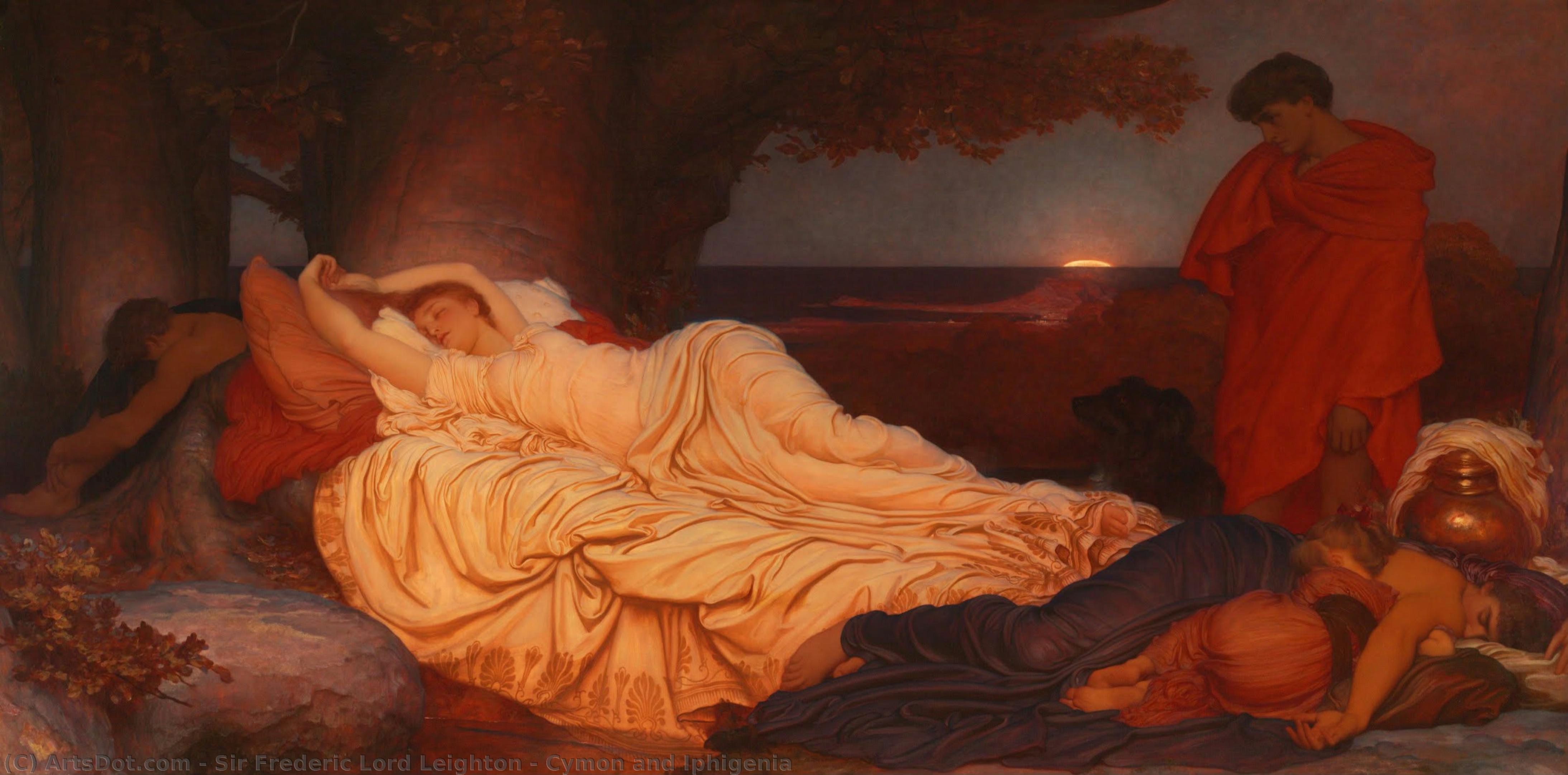
A Vision of Ideal Beauty: Frederic Leighton’s “Cymon and Iphigenia”
Frederic Leighton's "Cymon and Iphigenia," painted in 1884, isn’t merely a depiction of Greek myth; it’s a carefully constructed tableau of Victorian ideals – a testament to beauty, virtue, and the transformative power of love. Leighton, already established as a Royal Academician and a master of historical painting, sought to elevate the narrative beyond its original source material, weaving in elements of Pre-Raphaelite sensuality and classical restraint into a scene brimming with quiet drama. The painting immediately draws the eye to Iphigenia, lying gracefully on a mossy bank beneath an ancient tree – her pose suggesting both languor and vulnerability. Her golden hair cascades around her face, illuminated by dappled sunlight that filters through the leaves, while her eyes are closed in peaceful slumber. The artist’s meticulous attention to detail is evident in every curve of her body, every ripple of fabric, and the delicate rendering of the foliage surrounding her.A Story of Awakening and Moral Ascent
The myth underpinning “Cymon and Iphigenia” originates from Boccaccio’s *Decameron*, a collection of tales set in Florence during the Black Death. The story recounts how the brutish youth Cymon, initially characterized by his rudeness and lack of refinement, encounters the beautiful Iphigenia. Through her presence, he undergoes a profound transformation, shedding his coarse manners and embracing intellectual pursuits – becoming a man of virtue and learning. Leighton cleverly captures this pivotal moment in the narrative, not through overt action but through subtle gestures and expressions. Cymon stands before her, gazing at her with an expression of rapturous admiration, while Iphigenia’s serene repose suggests that she has already initiated his moral awakening. The inclusion of a young slave girl, Lena, adds another layer to the scene, representing innocence and serving as a visual reminder of the transformative power of beauty.Technique and Aesthetic Choices
Leighton's mastery is evident in his masterful use of color and light. He employs a muted palette dominated by earthy greens, browns, and golds, creating an atmosphere of tranquility and timelessness. The lighting is particularly noteworthy – it’s diffused and atmospheric, casting long shadows and highlighting the textures of the foliage and Iphigenia's garments. The artist meticulously rendered every detail with painstaking precision, utilizing a smooth, polished technique that reflects his academic training. He drew heavily on classical sculpture for inspiration, evident in the idealized forms of the figures and the careful arrangement of the composition. The background landscape is deliberately vague, allowing the viewer’s attention to remain focused on the central figures. The use of a dark, almost velvety moss beneath Iphigenia further emphasizes her vulnerability and purity.Symbolism and Victorian Ideals
“Cymon and Iphigenia” is deeply rooted in the artistic and social conventions of Victorian England. The painting embodies several key ideals prevalent during that era: the celebration of beauty, the pursuit of virtue, and the reverence for classical antiquity. Leighton’s choice to depict a mythological scene rather than a contemporary subject allowed him to explore these themes within a framework of idealized beauty and moral instruction. The image speaks to the Victorian fascination with both Greek mythology and the concept of “moral education,” where art was seen as a tool for shaping virtuous citizens. Furthermore, the painting reflects Leighton’s own personal interests – his love of classical sculpture and his desire to create works that were both aesthetically pleasing and morally uplifting. The overall effect is one of serene contemplation, inviting viewers to reflect on the timeless themes of beauty, virtue, and transformation.A Legacy of Beauty: Reproductions and Inspiration
Today, “Cymon and Iphigenia” remains a beloved masterpiece, admired for its exquisite detail, evocative atmosphere, and profound symbolism. High-quality reproductions capture the painting’s luminous quality and intricate details, making it accessible to a wider audience. Its themes continue to resonate with art lovers and interior designers alike, who appreciate its timeless beauty and its ability to evoke a sense of tranquility and contemplation. When selecting a reproduction, consider the scale and framing options to best complement your space – allowing this iconic work of art to grace your home and inspire generations to come.Q&A
フレデリック・レイトン作「Cymon and Iphigenia」のスライドショーはありますか?
フレデリック・レイトン作「Cymon and Iphigenia」は、作品のスライドショーページにてスライドショーとしてご覧いただけます。
Cymon and Iphigeniaの制作年である1884年は、フレデリック・レイトンのキャリアにおけるどの時期にあたりますか?
1884年という制作時期は、フレデリック・レイトンの画業におけるMature Periodに「Cymon and Iphigenia」を位置づけています。
「Cymon and Iphigenia」は、何年に、どの様式(ムーブメント)で制作されたものですか?
「Cymon and Iphigenia」は、Academic Romanticismの作品として1884年に制作されました。制作年と様式は、美術史におけるこの作品の位置付けを明確にするものです。
作家プロフィール
光に満ちた人生:フレデリック・レイトン卿の世界
1830年、イングランドのスカボローで生まれたフレデリック・レイトンの道のりは、富裕な家庭環境、優れた教育、そして古典世界への飽くなき探求心という、他に類を見ない組み合わせによって開かれた。彼の祖父がロシア皇帝に仕えたことは、19世紀の芸術家にとってしばしば不安定であった生活から彼を解放し、情熱を追求するための経済的基盤を提供した。この自由は、イタリア、ドイツ、フランスなどヨーロッパ各地への広範な旅行を可能にし、彼はそこで様々な芸術潮流に浸った。これらの形成期において、エドゥアルト・フォン・シュタインレやジョヴァンニ・コスタといった巨匠のもとで学び、アカデミックな正確さ、プレラファエル派の官能性、そして古典古代への深い敬意を融合させた独特のスタイルを確立し始めた。17歳の時、フランクフルトで出会った哲学者アルトゥール・ショペンハウアーの肖像画は、彼が残した唯一の全身像である。この出会いは、レイトンの知的な深さと、彼の芸術作品に何十年にもわたって浸透していくであろう人間の条件を探求することへの関わりを示唆している。神話と歴史を織りなす絵画
レイトンの芸術的キャリアは、歴史的物語、聖書の逸話、そして古典的神話に魅了された時代に花開いた。彼はこれらの主題を単に描写するのではなく、衣装、背景、古代生活のニュアンスを綿密に研究し、信憑性と劇的な説得力を持つ作品を生み出した。彼の絵画は単なる表現ではなく、神々、英雄、忘れ去られた帝国の世界へと観客を誘う没入型の体験であった。クリティエは、彼の最も有名な作品の一つであり、そのアプローチの典型である。この絵画は、太陽神アポロンを慕うニンフ、クリティエがヒマワリに変身する姿を描いている。それは単なる美しいイメージではなく、報われない愛、憧れ、そして自然の変容力—息を呑むような詳細と内側から輝き出すかのような光沢によって表現された探求である。ダフネフォリアは、アポロン神に捧げる行列を描いており、レイトンの構図、色彩、キャンバス上で動きとエネルギーをとらえる能力を示している。彼は豊かな質感、豪華な生地、そして劇的な照明を恐れずに取り入れ—これらの要素が彼の作品の純粋な視覚的壮大さに貢献した。キャンバスを超えて:彫刻と建築へのビジョン
主に画家として知られているレイトンであるが、彼の芸術的野心は二次元の世界にとどまらなかった。彼は才能ある彫刻家であり、1888年から1891年にかけて制作されたアスリートが蛇と格闘する姿は、イギリス彫刻における転換点となり、「ニュー・スカルプチャー」と呼ばれる現代彫刻の実践の再生を促したと言われている。この作品は、純粋な白い大理石で彫られ、肉体的な力と劇的な緊張を具現化している。しかしレイトンの創造的ビジョンはそこで終わらなかった。彼はまた、特に近東の美術品や工芸品の熱心な収集家でもあった。これらの宝物は単に展示されるだけでなく、彼の家の構造そのものに組み込まれていた—ロンドンのホランド・パークにあるレイトン・ハウスである。ジョージ・エイチソンによって設計されたレイトン・ハウスは、それ自体が傑作であり、美学の素晴らしい例である。象徴的なアラブホールは、複雑なタイル細工とそびえ立つアーチで知られており、レイトンの折衷的な趣味と創造性を刺激し育むための総合的な芸術作品を作り出そうとする彼の願望を証明している。遺産と時代のこだま
レイトンがイギリス美術に与えた影響は深遠であった。彼は1878年から1896年にかけて王立アカデミーの院長を務め、その地位を威厳をもって持ち、芸術的卓越性を擁護し、活気のある創造コミュニティを育成した。彼は1878年にナイトに叙爵され、1886年には準男爵に叙爵され、そして驚くべきことに亡くなる直前の日に貴族の称号を与えられた—これは彼が芸術界だけでなく、それ以上の世界で指揮していた計り知れない尊敬を物語っている。彼の作品は死後しばらくの間、モダニズムの台頭によって忘れ去られていたが、近年、レイトンの芸術への関心は著しく高まっている。今日、彼の絵画と彫刻は、その技術的な輝き、喚起力、そして美と驚異の世界へと観客を誘う能力のために称賛されている。- 彼の作品は今もなおアーティストにインスピレーションを与え、世界中の聴衆を魅了し続けている。
- レイトン・ハウス博物館は、彼の芸術的ビジョンへの永続的なオマージュであり、重要な文化ランドマークとして残っている。
- 彼はヴィクトリア朝の理想、古典の影響、そしてプレラファエル派の感性—イギリス美術史におけるユニークな声が交差する場所を代表している。

フレデリック・レイトン
1830 - 1896 , イギリス
プロフィール概要
- Artistic Movement Or Style: アカデミック、プレラファエライト
- Artists Or Movements Influenced By This Artist: ['New Sculpture movement']
- Artists Who Influenced This Artist:
- Eduard von Steinle
- Giovanni Costa
- Date Of Birth: 1830年12月3日
- Date Of Death: 1896年1月25日
- Full Name: フレデリック・ロード・ Leighton卿
- Nationality: イギリス人
- Notable Artworks (List Of Titles):
- クリティエ
- Flaming June
- Athlete wrestling python
- Place Of Birth (City And Country): スカボロー, イギリス
関連記事
The Enduring Allure of Marble in Art History: From Classical Sculpture to Modern Abstraction
Explore the captivating history of marble sculpture from ancient Greece to modern art. Discover renowned artists like Canova & Michelangelo, carving techniques, and investment insights at OriginalUniqueArt.
Sir Frederic Leighton: Aestheticism, Academic Mastery & Victorian Masculinity
Explore the life & art of Sir Frederic Leighton, a master of Victorian Aestheticism. Discover his academic training, sculptural innovations, and captivating depictions of beauty. Expert insights for collectors.

Bronze Age to Modern Masters: 10 Sculptures That Redefined Art | OriginalUniqueArt
Journey through art history with 10 legendary bronze sculptures – from Michelangelo's David to Rodin’s Thinker. Explore the stories, techniques & timeless beauty of these masterpieces. Find museum-quality reproductions & elevate your home decor on OriginalUniqueArt.com.

The Enduring Form: Exploring Themes & Techniques in Sculpture Across Historical Periods
Explore the rich history of sculpture from ancient masterpieces to contemporary innovations. Discover key techniques, influential artists & investment potential for discerning art collectors.

Bronze Sculptures That Defined Art History | OriginalUniqueArt
Journey through art history with our Top 10 bronze sculptures! Explore masterpieces by Rodin, Michelangelo & more. Discover stories behind iconic statues and find museum-quality reproductions for your home decor at OriginalUniqueArt.com.