

 設置イメージを確認
 送る
送る シェア
シェア
 詳細情報
詳細情報 ガイドを表示

 画像をダウンロード
 似ている作品
 X線調査
X線調査 スライドショー
 統計情報
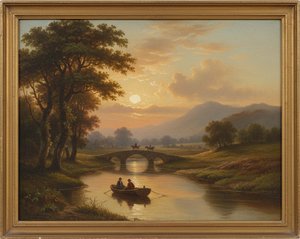
統計情報Edward Whitaker Gray
 Acrylic On Canvas
- WallArt
- Romantic Landscape
 1800
1800 75.0 x 63.0 cm
 ロイヤル・ソサエティ
 続きを読む
続きを読む
ジークレー/アートプリント
スピーディーな制作と多彩な仕上げオプションが魅力の、ミュージアムクオリティなジークレー・キャンバスプリント。 ( 手描きの複製画を注文する デジタル画像販売へ切り替え)




P118B ¥10

P118H ¥10

P118W ¥10

P438Z ¥10

P508JH ¥12

P508YH ¥12

P805H ¥10

P805Z ¥10

P919BZ ¥10

P919G ¥10

P919XJ ¥10

P959ZH ¥10

P968JZ ¥12

W106C ¥8

W218G ¥10

W218JH ¥8

W218Y ¥10

W307PJ ¥10

W316G ¥10

W316PJ ¥8

W316Y ¥10

W398PJ ¥8

W4111J ¥10

W500HY ¥15

W500JH ¥15

W692G ¥12

W849H ¥8

W940BG ¥15

W953PJ ¥8




作品のオリジナル比率に合わせた、当店の規定サイズからお選びください。

特定のフレームやスペースに合わせて、ご自身でサイズを指定することも可能です。選択されたサイズが元の画像の比率と一致しない場合、作品をトリミングするか、鏡面反射または単色での塗りつぶしによって画像を拡張いたします。制作を開始する前に、ご確認用のデジタルモックアップをお送りいたします。
画面上のプレビューには、実際のトリミングや拡張は反映されませんのでご注意ください。最終的な構図を正確に確認できるのは、モックアップのみとなります。
カスタムサイズも承っておりますが、元の比率を維持するためには、あらかじめ用意されたリストからサイズを選択することをお勧めいたします。


 ガラスオプションは、110cm未満のサイズでのみご利用いただけます。

Edward Whitaker Gray
ジークレー/アートプリント
複製画サイズ一覧
-


合計金額
¥ 12493
A Moment Frozen in Time: Exploring Sir Augustus Wall Callcott’s “The Entrance to the Pool of London”
Sir Augustus Wall Callcott's "The Entrance to the Pool of London," completed in 1816, stands as a testament to Romantic landscape painting—a genre defined by its reverence for nature and its ability to evoke profound emotion. More than just a depiction of a riverside scene, this artwork embodies the spirit of its era, reflecting anxieties about industrialization alongside an enduring fascination with the sublime beauty of the English countryside. Callcott’s masterful use of tonal gradation and dramatic lighting elevates the painting beyond mere observation; it invites contemplation on the passage of time and the encroaching influence of progress upon traditional landscapes.Technical Brilliance: Impressionistic Touches Amidst Classical Form
Callcott employed a technique that skillfully blended elements of Romanticism with classical influences. While adhering to the conventions of academic portraiture—evident in the carefully constructed composition and balanced perspective—he infused his work with subtle impressionistic qualities. The artist meticulously layered thin washes of pigment, creating atmospheric haze and capturing fleeting effects of light on the water’s surface. This approach distinguishes “The Entrance to the Pool of London” from more rigid depictions of the period, demonstrating Callcott's innovative understanding of color theory and his dedication to conveying a sense of immediacy. The brushstrokes are visible yet controlled, contributing to the painting’s textural richness and enhancing its visual impact.Historical Context: Britain at the Crossroads
Painted during a pivotal moment in British history—the Industrial Revolution was rapidly transforming the nation's economy and society—Callcott’s landscape serves as a poignant counterpoint to the burgeoning factories and urban sprawl of the time. The Pool of London, once dominated by windmills and barges laden with goods, represented Britain’s maritime heritage and connection to the wider world. However, Callcott subtly conveys a feeling of melancholy, hinting at the inevitable loss of rural tranquility as industrial expansion pushed further into previously untouched territories. This duality—beauty juxtaposed against change—resonates powerfully within the artwork's narrative.Symbolism: Light and Shadow – Reflections of Inner Turmoil
The painting’s masterful use of light and shadow is laden with symbolic significance. The dominant illumination casts a cool, silvery glow upon the water, mirroring the stillness and serenity of the scene. Yet, darker patches delineate the shoreline and suggest hidden depths—representing anxieties about uncertainty and impending transformation. Callcott's deliberate manipulation of tonal values underscores the Romantic preoccupation with exploring psychological states alongside visual impressions. The light itself symbolizes hope and enlightenment, while the shadows embody fear and introspection – themes that extend beyond the confines of the landscape to engage viewers on a deeper emotional level.Emotional Resonance: Capturing the Sublime
Ultimately, “The Entrance to the Pool of London” succeeds in capturing the sublime—that elusive feeling of awe and terror experienced when confronted with overwhelming grandeur or beauty. Callcott’s depiction inspires contemplation about humanity's relationship with nature and its vulnerability before forces beyond our control. The painting lingers in the mind long after viewing, prompting reflection on themes of change, memory, and the enduring power of artistic vision. It remains a captivating example of Romantic landscape art—a timeless masterpiece that continues to resonate with audiences today.よくあるご質問
サー・オーガスタス・ウォール・コールコット作「Edward Whitaker Gray」の原画はどこで見ることができますか?
サー・オーガスタス・ウォール・コールコット作「Edward Whitaker Gray」の真作はロイヤル・ソサエティ, ロンドン, イギリスに所蔵されています。複製画(レプリカ)を用いることで、ご自宅でも作品をお楽しみいただけます。
「Edward Whitaker Gray」の作者とスタイルは何ですか?
「Edward Whitaker Gray」は、Romantic Landscape様式のもと、サー・オーガスタス・ウォール・コールコットによって制作されました。作者と様式は、その作品が受け継ぐ伝統を定義するものです。
サー・オーガスタス・ウォール・コールコット作「Edward Whitaker Gray」をスライドショーで閲覧するには、どうすればよいですか?
サー・オーガスタス・ウォール・コールコット作「Edward Whitaker Gray」は、作品のスライドショーページにてスライドショーとしてご覧いただけます。
1800年に「Edward Whitaker Gray」を制作した際、サー・オーガスタス・ウォール・コールコットは何歳でしたか?
サー・オーガスタス・ウォール・コールコットは、1800年に「Edward Whitaker Gray」を制作した際、21歳でした。この年齢は、アーティストの誕生年である1779年から算出されています。
「Edward Whitaker Gray」は、どのアーティストの作品とされていますか?
「Edward Whitaker Gray」はサー・オーガスタス・ウォール・コールコットの作品とされています。
「Edward Whitaker Gray」はいつ制作されましたか?
「Edward Whitaker Gray」は1800年に制作されました。この制作年は、サー・オーガスタス・ウォール・コールコットのキャリアおよびその時代の文脈において、本作を位置づけるものです。
サー・オーガスタス・ウォール・コールコット作「Edward Whitaker Gray」は、お部屋にどのような雰囲気をもたらしてくれるでしょうか?
サー・オーガスタス・ウォール・コールコット作「Edward Whitaker Gray」が醸し出すSereneな雰囲気は、おすすめの空間であるLiving Roomにぴったりです。
アーティストについて
生い立ちと修行時代
サー・オーガスタス・ウォール・カルコットは、イギリスを代表する風景画家としてその名を馳せました。1779年2月20日、ロンドンの西端に位置するケンジントン・グラベル・ピッツの村に生を受けた彼の幼少期は、音楽への情熱によって彩られていました。その美しい歌声は、数年もの間、ウェストミンスター寺院の聖歌隊において響き渡っていました。その後、彼はロイヤル・アカデミーの門を叩き、ジョン・ホップナーの指導のもと、肖像画家としての芸術的キャリアを歩み始めました。名声への軌跡
カルコットの心は、次第に風景画へと傾いていきました。1804年以降、彼は風景画のみを展示するようになり、その卓越した技術、優美な構図、そして人々を魅了する情緒豊かな色彩表現によって、その名声は着実に高まっていきました。1806年にはロイヤル・アカデプリの準会員に選出され、1810年には正会員としての地位を確立しました。代表作と展覧会
カルコットが遺した傑作には、以下のようなものがあります:- ロンドン・プールへの入り口 (1816)
- タイン川の河口 (1818)
- メドウェイ川の凪 (1820)
- ロチェスター (1824)
- ラファエロとフォルナリーナ (1837) — これは彼の人物画の中でも極めて稀な例であり、現在はV&A美術館の一部であるサウス・ケンジントン博物館(シーパンクス・コレクション)に収蔵されています
遺産と晩年
ヴィクトリア女王の即位に伴い、1837年にカルコットは騎士の称号を授与されました。1843年にはウィリアム・セギュエの後継として女王の絵画監察官に就任しました。しかし、その生涯は長くは続かず、1844年11月25日にこの世を去り、ケンサル・グリーン墓地に埋葬されました。 OriginalUniqueArt.comでサー・オーガスタス・ウォール・カルコットの他の作品を見る: Wikipediaでさらに詳しく:
サー・オーガスタス・ウォール・コールコット
1779 - 1844
アーティスト情報
- Artistic Movement Or Style: ロマン主義風景画
- Artists Or Movements Influenced By This Artist: ['ターナー']
- Artists Who Influenced This Artist: ['ジョン・ホップナー']
- Date Of Birth: 1779年2月20日
- Date Of Death: 1844年11月25日
- Full Name: オーガスタス・ウォール・コールコット
- Nationality: イギリス
- Notable Artworks:
- ロンドンのプールの入り口
- タイン川の河口
- メドウェイ川の凪
- ロチェスター
- ラファエロとフォルナリーナ
- Place Of Birth: イギリス、ケンジントン
関連記事

Sir Alfred Munnings' Masterpieces: 25 Paintings That Define Equine Art | OriginalUniqueArt
Explore 25 iconic Sir Alfred Munnings paintings! Discover the beauty of British Impressionism, equine art & rural England. Find museum-quality reproductions and elevate your home decor with OriginalUniqueArt. Explore the full collection online.

Sir Joshua Reynolds' Masterpieces: 25 Portraits of Power & Refinement | OriginalUniqueArt
Explore 25 captivating portraits by Sir Joshua Reynolds, a master of British art. Discover stories behind his iconic paintings, elegant style & historical influence. Find museum-quality reproductions and elevate your home decor on OriginalUniqueArt.com.
Sir Augustus Wall Callcott: A Life Painted with Light & Atmosphere
Explore the life & art of Sir Augustus Wall Callcott, a celebrated British landscape painter known for his serene scenes and elegant compositions. Discover his Romantic influences & lasting legacy at OriginalUniqueArt.

ロマン派ランドスケープ:時代を彩る巨匠の10選|アートとインテリアの世界
ロマン派絵画の時代を彩る10選。巨匠たちの風景が織りなす感動の世界へ。ターナー、ルーベンスなど、名作の裏話と高精細複製でアートをお部屋に。OriginalUniqueArt.comで至福のアート体験を。

ジョン・コンスタブルの傑作25選:英国風景画の巨匠が描く自然と光の詩 | OriginalUniqueArt
ジョン・コンスタブルの傑作25選。英国風景画の巨匠が描く自然と光の詩の世界へ。ロマン主義を代表する絵画、デダム・ヴェールやヘイ・ウェインなど、OriginalUniqueArtで高品質なアートプリントをお楽しみください。インテリアに深みと感動を。コレクションはこちら。
