設置イメージを表示
 シェアする
シェアする シェアする
シェアする
 詳細を見る
詳細を見る ガイドを表示

 ダウンロード
 似ている作品
 X線調査
X線調査 スライドショーを表示
 Q&A
Q&A 統計情報
統計情報Jupiter and Antiope

- 150.0 x 206.0 cm


 詳細を表示
詳細を表示
ジークレー/アートプリント
スピーディーな制作と多彩な仕上げオプションが魅力の、ミュージアムクオリティなジークレー・キャンバスプリント。 ( 手描き複製画を注文する デジタル画像販売へ切り替え)




P118B ¥10

P118H ¥10

P118W ¥10

P438Z ¥10

P508JH ¥12

P508YH ¥12

P805H ¥10

P805Z ¥10

P919BZ ¥10

P919G ¥10

P919XJ ¥10

P959ZH ¥10

P968JZ ¥12

W106C ¥8

W218G ¥10

W218JH ¥8

W218Y ¥10

W307PJ ¥10

W316G ¥10

W316PJ ¥8

W316Y ¥10

W398PJ ¥8

W4111J ¥10

W500HY ¥15

W500JH ¥15

W692G ¥12

W849H ¥8

W940BG ¥15

W953PJ ¥8




作品のオリジナル比率に合わせた、当店の規定サイズからお選びください。

額縁や壁のスペースに合わせて、ご希望の幅と高さを入力してください。プリントはカットすることは可能ですが、元の画像より大きくすることはできないため、異なる比率のサイズを選択された場合は、画像の一部が欠けることになります。印刷を開始する前に、内容を確認していただくためのデジタルモックアップをお送りいたします。このページに表示されている画像は、実際のカット後の状態を示すものではありません。実際の仕上がりはモックアップにてご確認ください。


 ガラスオプションは、110cm未満のサイズでのみご利用いただけます。

Jupiter and Antiope
ジークレー/アートプリント
複製画サイズ一覧
-


合計金額
¥ 12808
A Baroque Encounter: The Divine and the Earthly
In the grand theater of the Baroque era, few moments capture the tension between celestial power and mortal vulnerability as exquisitely as Sir Anthony van Dyck’s "Jupiter and Antiope." Painted around 1620, this monumental canvas serves as a breathtaking window into a world where myth and flesh collide. The scene unfolds with a dramatic intensity that is quintessential to the Flemish Master's early period, presenting us with the god Jupiter—disguised as a wild, muscular satyr—as he descends upon the unsuspecting Antiope. There is an immediate, palpable electricity in the air; the viewer is not merely an observer but a witness to a transformative moment of divine seduction that blurs the lines between the sacred and the profane.
Van Dyck, a protégé of the legendary Peter Paul Rubens, utilizes his profound understanding of movement and anatomy to orchestrate this encounter. The composition is masterfully structured in a pyramidal form, a technique that provides stability to an otherwise turbulent subject. At the apex sits the powerful, dark-toned figure of the satyr, whose presence looms over the pale, luminous form of Antiope. This stark contrast in skin tones—the sun-kissed, rugged texture of the masculine deity against the porcelain, ethereal glow of the maiden—creates a visual rhythm that guides the eye through the swirling drapery and the muscular tension of the figures.
Mastery of Light and Symbolic Depth
The true soul of this masterpiece lies in Van Dyck’s unparalleled command of chiaroscuro. He employs light not merely to illuminate, but to sculpt emotion. An unseen, celestial light source washes over Antiope, highlighting the delicate curves of her form and the silken flow of her hair, casting her as a beacon of innocence amidst the encroaching shadows. This interplay of deep, velvety blacks and brilliant highlights creates a sense of three-dimensional depth that makes the figures appear to breathe within their rocky, atmospheric setting. The background, filled with heavy, brooding clouds and the rugged textures of a cliffside, reinforces the primal nature of the myth.
Every element within the frame is steeped in symbolic resonance. Perched upon a nearby outcrop, an eagle spreads its wings—a silent, watchful emblem of Jupiter’s imperial authority and divine vigilance. While the scene captures a moment of earthly desire, the eagle reminds us of the inescapable gaze of the heavens. Antiope herself represents the idealized feminine virtue of the period, her serene yet vulnerable pose inviting a contemplation on the fragility of purity when confronted by the overwhelming forces of nature and divinity. It is this duality—the erotic tension paired with a sense of cosmic order—that gives the painting its enduring psychological depth.
An Inspiration for the Discerning Collector
For the art lover, the collector, or the interior designer, "Jupiter and Antiope" offers much more than mere decoration; it offers a narrative centerpiece. The painting’s rich palette of deep ochres, shadows, and luminous creams possesses a timeless elegance that can anchor a room with a sense of historical gravity and sophisticated drama. Whether placed in a grand library or a contemporary gallery space, a high-quality reproduction of this work brings with it the prestige of the Flemish Baroque tradition.
Integrating such a piece into a curated collection allows for an exploration of the themes that have captivated humanity for centuries: beauty, power, and the mysteries of the unknown. It is a work that demands attention, sparking conversation and providing a focal point of profound emotional impact. To possess a reproduction of Van Dyck’s brilliance is to invite the dramatic spirit of the 17th century into the modern home, ensuring that the legacy of one of history's greatest portraitists continues to inspire awe and admiration.
Q&A
アントニ・ヴァン・ダイク作「Jupiter and Antiope」の輝度はどのくらいですか?
アントニ・ヴァン・ダイク作「Jupiter and Antiope」 の輝度は Soft Shadow です。輝度とは、色がどれほど光を反射しているかを表す指標です。
原画アントニ・ヴァン・ダイク作「Jupiter and Antiope」の技法とサイズを教えてください。
「Jupiter and Antiope」はOil On Canvasで制作されており、原寸は150 x 206 cmです。
「Jupiter and Antiope」の形状とサイズを教えてください。
アントニ・ヴァン・ダイク作「Jupiter and Antiope」は、原寸で150 x 206 cmのLandscapeによる作品です。
作家プロフィール
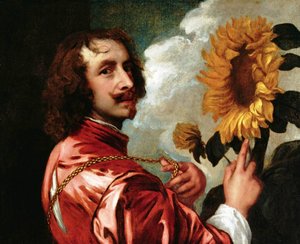
アントニ・ヴァン・ダイク:ヨーロッパ宮廷を彩るフランドルの巨匠
アントニ・ヴァン・ダイクは、1599年にアントワープで生まれ、夭折の天才としてバロック美術史にその名を刻んだフランドル出身の画家です。彼の短い生涯は、故郷であるフラマン地方からイタリア、そしてイングランド宮廷へと続く芸術探求と華麗な依頼の連続でした。幼い頃から並外れた才能を発揮し、ヘンドリック・ヴァン・バーレンの工房に入門して主流の様式を吸収すると同時に、すぐにピーター・パウル・ルーベンスとの共同作業を通して、その芸術的基盤を築き上げました。ルーベンスからダイナミックな構図、豊かな色彩、光と影の巧みな扱い方を学びましたが、ヴァン・ダイクは独自の道を切り開き、優雅さと洗練さを特徴とする独自のスタイルを確立しました。イタリアでの研鑽と様式の誕生
1621年頃から始まるイタリアへの滞在は、ヴァン・ダイクの芸術的成長にとって決定的な時期となりました。特にジェノヴァに長く滞在し、その地の貴族たちの庇護を受けながら、彼を特徴づける洗練されたスタイルを磨き上げました。優美なポーズ、豪華な衣装、そして高貴な気品が漂う彼のイタリア絵画は、単なる肖像画を超え、被写体の内面的な性格や社会的地位までも捉えています。ルーベンスの作品に見られるような力強いエネルギーとは対照的に、ヴァン・ダイクの肖像画からは抑制された落ち着きと優雅さがにじみ出ています。この時期には、著名な芸術家、学者、君主たちをモデルにした精緻な肖像版画群『Iconography』にも取り組み、その卓越した技術力を世界に示すとともに、版画家としての地位も確立しました。これらの版画は単なる記録ではなく、被写体の名声と知性を伝えるために細心の注意を払って制作された芸術作品でした。イングランド宮廷の画家:チャールズ1世の肖像
1632年、ヴァン・ダイクはチャールズ1世からの招聘を受け、イングランド宮廷の画家となります。この任命は、彼自身のキャリアだけでなく、イギリスの肖像画にも大きな変革をもたらしました。すでに名声が高まっていた彼は、王室に不可欠な存在となり、権力、威厳、そして神授による正統性を投影するイメージを制作するという重要な任務を担いました。特にチャールズ1世の肖像は特筆すべきものであり、それまでの硬直した形式的な表現から脱却し、ダイナミックでカリスマ的な指導者としての王の姿を描き出しました。ドラマチックな光の使い方、流れるようなジェスチャー、そして慎重に選び抜かれた背景を用いることで、視覚的に魅力的であると同時に政治的にも力強いイメージを作り上げました。彼の影響は王室にとどまらず、イギリス貴族の美的感覚を何世代にもわたって形作りました。ヴァン・ダイクは肖像画を描くだけでなく、王位のイメージを構築し、その後の1世紀以上にわたり王室に対する人々の認識に影響を与えました。遺産と不朽の影響
1641年の若き日の死によって、芸術界は才能あふれる巨匠を失いましたが、彼の遺産は今日に至るまで生き続けています。イギリスの肖像画への影響は計り知れず、後進の画家たちが模倣しようとした優雅さと洗練さの基準を確立しました。- 技術革新: 油絵と版画の両方に精通し、常に新しい技法を実験していました。
- 様式の洗練: 彼の肖像画は、優美なポーズ、豪華な衣装、そして微妙な心理描写によって特徴づけられています。
- 宮廷への影響: イギリスの王室のイメージを変革し、権力と威厳の視覚的言語を創造しました。
アントニ・ヴァン・ダイク
1599 - 1641 , ベルギー
プロフィール概要
- フルネーム: アンソニー・ヴァン・ダイク
- 主な作品:
- バルビ家の子供たち
- チャールズ1世の肖像
- ジョン・ウォートン卿
- 慈善
- 三位一体
- リナルドとアルミダ
- 出生地: アントワープ(ベルギー)
- 国籍: フランドル人
- 影響を与えたアーティストまたは運動: ['イギリスの肖像画']
- 影響を受けたアーティスト: ['ピーター・パウル・ルーベンス']
- 死亡年月日: 1641年12月9日
- 生年月日: 1599年3月22日
- 芸術運動またはスタイル: バロック美術
関連記事

Mastering the Classics: The 25 Greatest Paintings by Nicolas Poussin
Journey through the grandeur of French Baroque with our curated list of the top 25 Nicolas Poussin masterpieces. Explore the stories behind these timeless classical paintings and find museum-quality art reproductions for your decor. Discover all masterpieces on OriginalUniqueArt.com.

10 Iconic Masterpieces That Defined the Baroque Era
Immerse yourself in the drama of Baroque painting. Explore 10 legendary masterpieces, from Caravaggio’s chiaroscuro to Rembrandt's brilliance. Find museum-quality art reproductions and timeless decor inspiration at OriginalUniqueArt.com. Discover all masterpieces on OriginalUniqueArt.com.

Masterpieces of Motion: The Top 25 Greatest Artworks by Peter Paul Rubens
Immerse yourself in the dramatic splendor of Baroque master, Peter Paul Rubens. Explore 25 iconic paintings, from mythological epics to vibrant portraits. Find inspiration for museum-quality art reproductions and luxury decor. Discover all masterpieces on OriginalUniqueArt.com.
10 Iconic Baroque Masterpieces That Changed Art Forever
Step into the drama of the Baroque era. Explore 10 iconic masterpieces featuring dramatic chiaroscuro and legendary artists. Find inspiration for your space with museum-quality art reproductions and curated decor. Discover all masterpieces on OriginalUniqueArt.com.
10 Iconic Baroque Masterpieces That Changed Art Forever
Step into the drama of the Baroque era. Explore 10 iconic masterpieces by legends like Caravaggio and Bernini, featuring breathtaking chiaroscuro and rich textures. Find museum-quality art reproductions for your decor. Discover all masterpieces on OriginalUniqueArt.com.