 設置イメージを確認
 送る
送る シェア
シェア
 詳細情報
詳細情報 ガイドを表示

 画像をダウンロード
 似ている作品
 X線調査
X線調査 スライドショー
 統計情報
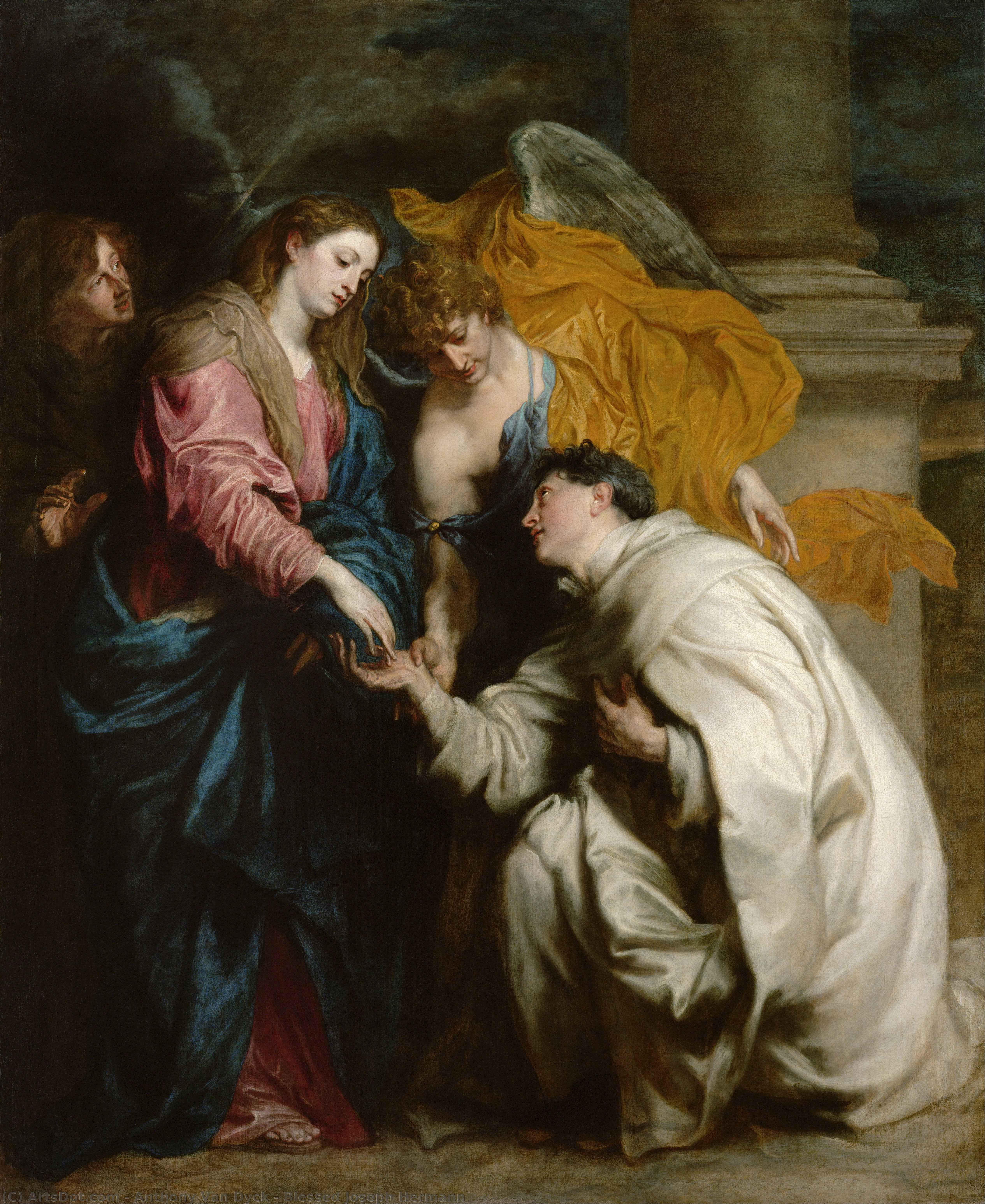
統計情報Blessed Joseph Hermann
 Acrylic On Canvas
- WallArt
- Baroque Painting
 1630
1630 160.0 x 128.0 cm
 Kunsthistorisches Museum
 続きを読む
続きを読む
ジークレー/アートプリント
スピーディーな制作と多彩な仕上げオプションが魅力の、ミュージアムクオリティなジークレー・キャンバスプリント。 ( 手描きの複製画を注文する デジタル画像販売へ切り替え)




P118B $10

P118H $10

P118W $10

P438Z $10

P508JH $12

P508YH $12

P805H $10

P805Z $10

P919BZ $10

P919G $10

P919XJ $10

P959ZH $10

P968JZ $12

W106C $8

W218G $10

W218JH $8

W218Y $10

W307PJ $10

W316G $10

W316PJ $8

W316Y $10

W398PJ $8

W4111J $10

W500HY $15

W500JH $15

W692G $12

W849H $8

W940BG $15

W953PJ $8




作品のオリジナル比率に合わせた、当店の規定サイズからお選びください。

特定のフレームやスペースに合わせて、ご自身でサイズを指定することも可能です。選択されたサイズが元の画像の比率と一致しない場合、作品をトリミングするか、鏡面反射または単色での塗りつぶしによって画像を拡張いたします。制作を開始する前に、ご確認用のデジタルモックアップをお送りいたします。
画面上のプレビューには、実際のトリミングや拡張は反映されませんのでご注意ください。最終的な構図を正確に確認できるのは、モックアップのみとなります。
カスタムサイズも承っておりますが、元の比率を維持するためには、あらかじめ用意されたリストからサイズを選択することをお勧めいたします。


 ガラスオプションは、110cm未満のサイズでのみご利用いただけます。

Blessed Joseph Hermann
ジークレー/アートプリント
複製画サイズ一覧
-


合計金額
$ 80
A Vision of Grace: Anthony van Dyck’s “Blessed Joseph Hermann”
Anthony van Dyck's "Blessed Joseph Hermann," painted in 1630, is more than just a portrait; it’s a luminous exploration of faith, devotion, and the profound connection between humanity and the divine. This Baroque masterpiece, now meticulously reproduced on hand-painted canvas by OriginalUniqueArt.com, transports the viewer to a realm of ethereal beauty and spiritual contemplation. The painting depicts Joseph Hermann, a 13th-century Premonstratensian canon renowned for his intense mystical experiences and visions of the Virgin Mary, as he receives the name “Joseph” after a transformative encounter with her. Van Dyck masterfully captures not just the physical likeness of Hermann but also the palpable sense of reverence and otherworldly grace that permeated his life.
The composition is strikingly balanced, drawing the eye towards the central figures – a woman in rich blue robes, kneeling before an angel holding a book, and Joseph himself gazing upwards with an expression of profound humility. The use of light is particularly noteworthy; it’s diffused and soft, bathing the scene in a gentle radiance that evokes a sense of serenity and spiritual illumination. Van Dyck's signature technique—characterized by delicate brushwork, subtle color transitions, and masterful modeling of form—is on full display here. He employs chiaroscuro, the dramatic contrast between light and shadow, to heighten the emotional impact and create a three-dimensional effect that draws the viewer into the scene.
The Mystical Narrative & Symbolism
The painting’s narrative is deeply rooted in medieval hagiography – the stories of saints. Hermann's story, as recounted in accounts like those by Razo Bonvisinus, speaks to a powerful yearning for divine connection and the transformative potential of mystical experience. The woman in blue is widely interpreted as representing Mary Magdalene, a figure often associated with repentance, humility, and spiritual renewal. Her outstretched hand symbolizes offering and acceptance, while Joseph’s kneeling posture signifies submission and devotion. The angel, holding the book – traditionally the Gospels – represents divine guidance and revelation.
Beyond these central figures, subtle details contribute to the painting's rich symbolic tapestry. The bird perched in the upper left corner might represent hope or a messenger from heaven. The overall atmosphere suggests a sacred space—a moment of grace and communion between earthly man and the divine. Van Dyck’s ability to imbue such a seemingly simple scene with layers of meaning is a testament to his artistic genius.
A Court Painter's Spiritual Journey
Understanding “Blessed Joseph Hermann” within the context of Anthony van Dyck’s career provides further insight into its significance. Following his time in Italy, where he honed his skills under the tutelage of Peter Paul Rubens, Van Dyck returned to Antwerp and then, crucially, to England. His work for King James I and Charles I reflected a shift towards greater elegance and refinement, yet it also retained elements of the dramatic intensity and emotional depth that characterized his earlier work. The commission for this painting, likely by a Jesuit sodality in Antwerp, demonstrates Van Dyck’s willingness to engage with religious themes – a departure from purely secular portraiture.
Van Dyck's decision to paint Hermann, a figure revered within the Catholic Church, speaks to the enduring power of faith and the universal human desire for spiritual connection. The painting stands as a poignant reminder of the transformative potential of devotion and the beauty that can be found in moments of profound grace – qualities expertly captured by Van Dyck’s masterful hand.
Bringing “Blessed Joseph Hermann” Home
OriginalUniqueArt.com is proud to offer meticulously crafted, hand-painted reproductions of this extraordinary Baroque masterpiece. Each reproduction faithfully captures the original's luminous quality, delicate brushwork, and profound emotional depth. Whether you’re an art collector, a devotee of religious iconography, or simply seeking to infuse your home with beauty and inspiration, a OriginalUniqueArt.com reproduction of “Blessed Joseph Hermann” is a timeless addition to any space. Experience the power of this iconic painting firsthand – available in sizes ranging from 160 x 128 cm to larger formats, each meticulously crafted to preserve the integrity and splendor of Van Dyck’s original vision.
アーティストについて
アントニ・ヴァン・ダイク:ヨーロッパ宮廷を彩るフランドルの巨匠
アントニ・ヴァン・ダイクは、1599年にアントワープで生まれ、夭折の天才としてバロック美術史にその名を刻んだフランドル出身の画家です。彼の短い生涯は、故郷であるフラマン地方からイタリア、そしてイングランド宮廷へと続く芸術探求と華麗な依頼の連続でした。幼い頃から並外れた才能を発揮し、ヘンドリック・ヴァン・バーレンの工房に入門して主流の様式を吸収すると同時に、すぐにピーター・パウル・ルーベンスとの共同作業を通して、その芸術的基盤を築き上げました。ルーベンスからダイナミックな構図、豊かな色彩、光と影の巧みな扱い方を学びましたが、ヴァン・ダイクは独自の道を切り開き、優雅さと洗練さを特徴とする独自のスタイルを確立しました。イタリアでの研鑽と様式の誕生
1621年頃から始まるイタリアへの滞在は、ヴァン・ダイクの芸術的成長にとって決定的な時期となりました。特にジェノヴァに長く滞在し、その地の貴族たちの庇護を受けながら、彼を特徴づける洗練されたスタイルを磨き上げました。優美なポーズ、豪華な衣装、そして高貴な気品が漂う彼のイタリア絵画は、単なる肖像画を超え、被写体の内面的な性格や社会的地位までも捉えています。ルーベンスの作品に見られるような力強いエネルギーとは対照的に、ヴァン・ダイクの肖像画からは抑制された落ち着きと優雅さがにじみ出ています。この時期には、著名な芸術家、学者、君主たちをモデルにした精緻な肖像版画群『Iconography』にも取り組み、その卓越した技術力を世界に示すとともに、版画家としての地位も確立しました。これらの版画は単なる記録ではなく、被写体の名声と知性を伝えるために細心の注意を払って制作された芸術作品でした。イングランド宮廷の画家:チャールズ1世の肖像
1632年、ヴァン・ダイクはチャールズ1世からの招聘を受け、イングランド宮廷の画家となります。この任命は、彼自身のキャリアだけでなく、イギリスの肖像画にも大きな変革をもたらしました。すでに名声が高まっていた彼は、王室に不可欠な存在となり、権力、威厳、そして神授による正統性を投影するイメージを制作するという重要な任務を担いました。特にチャールズ1世の肖像は特筆すべきものであり、それまでの硬直した形式的な表現から脱却し、ダイナミックでカリスマ的な指導者としての王の姿を描き出しました。ドラマチックな光の使い方、流れるようなジェスチャー、そして慎重に選び抜かれた背景を用いることで、視覚的に魅力的であると同時に政治的にも力強いイメージを作り上げました。彼の影響は王室にとどまらず、イギリス貴族の美的感覚を何世代にもわたって形作りました。ヴァン・ダイクは肖像画を描くだけでなく、王位のイメージを構築し、その後の1世紀以上にわたり王室に対する人々の認識に影響を与えました。遺産と不朽の影響
1641年の若き日の死によって、芸術界は才能あふれる巨匠を失いましたが、彼の遺産は今日に至るまで生き続けています。イギリスの肖像画への影響は計り知れず、後進の画家たちが模倣しようとした優雅さと洗練さの基準を確立しました。- 技術革新: 油絵と版画の両方に精通し、常に新しい技法を実験していました。
- 様式の洗練: 彼の肖像画は、優美なポーズ、豪華な衣装、そして微妙な心理描写によって特徴づけられています。
- 宮廷への影響: イギリスの王室のイメージを変革し、権力と威厳の視覚的言語を創造しました。
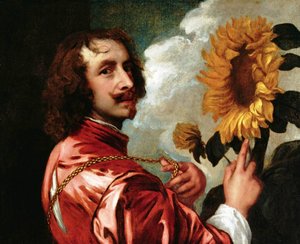
アントニ・ヴァン・ダイク
1599 - 1641 , ベルギー
アーティスト情報
- フルネーム: アンソニー・ヴァン・ダイク
- 主な作品:
- バルビ家の子供たち
- チャールズ1世の肖像
- ジョン・ウォートン卿
- 慈善
- 三位一体
- リナルドとアルミダ
- 出生地: アントワープ(ベルギー)
- 国籍: フランドル人
- 影響を与えたアーティストまたは運動: ['イギリスの肖像画']
- 影響を受けたアーティスト: ['ピーター・パウル・ルーベンス']
- 死亡年月日: 1641年12月9日
- 生年月日: 1599年3月22日
- 芸術運動またはスタイル: バロック美術
関連記事

Celestial Messengers: Angels in Painting – A Historical & Artistic Exploration
Explore the captivating history of angels in painting! Discover symbolism, iconic Renaissance & Byzantine masterpieces, and renowned artists. Expert insights for art lovers & collectors at OriginalUniqueArt.

Celestial Messengers: A Comprehensive Exploration of Angelic Representation in Art History
Explore the captivating history of angels in art! Discover symbolism, iconic Renaissance masterpieces & renowned artists. Expert insights for art lovers & collectors at OriginalUniqueArt.

レンブラント傑作25選:光と影の巨匠、魂を揺さぶる名画の世界 | OriginalUniqueArt
レンブラントの傑作25選。光と影の魔術師が描いた魂を揺さぶる名画の世界へ。美術史に残る自画像、夜警、宗教画…OriginalUniqueArtで高品質なアートプリントやインテリアアートをお楽しみください。コレクションはこちら→

The Dramatic Flourish: Exploring the Baroque Movement's Enduring Legacy in Art History
Explore the dramatic world of Baroque art! Discover iconic artists like Caravaggio & Rubens, defining techniques, and its lasting impact on art history. Expert insights for collectors & enthusiasts at OriginalUniqueArt.
Sir Anthony van Dyck: Courtly Portraiture & the Shaping of Baroque Identity
Explore the life & legacy of Sir Anthony van Dyck, the leading court painter of his era. Discover his innovative portraiture, Baroque masterpieces, and investment potential for discerning collectors. Learn more at OriginalUniqueArt.