
 プレビュー
プレビュー
 プリントを購入
 シェアする
シェアする シェアする
シェアする
 詳細を見る
詳細を見る

 ダウンロード
 似ている作品
 X線調査
X線調査 スライドショー
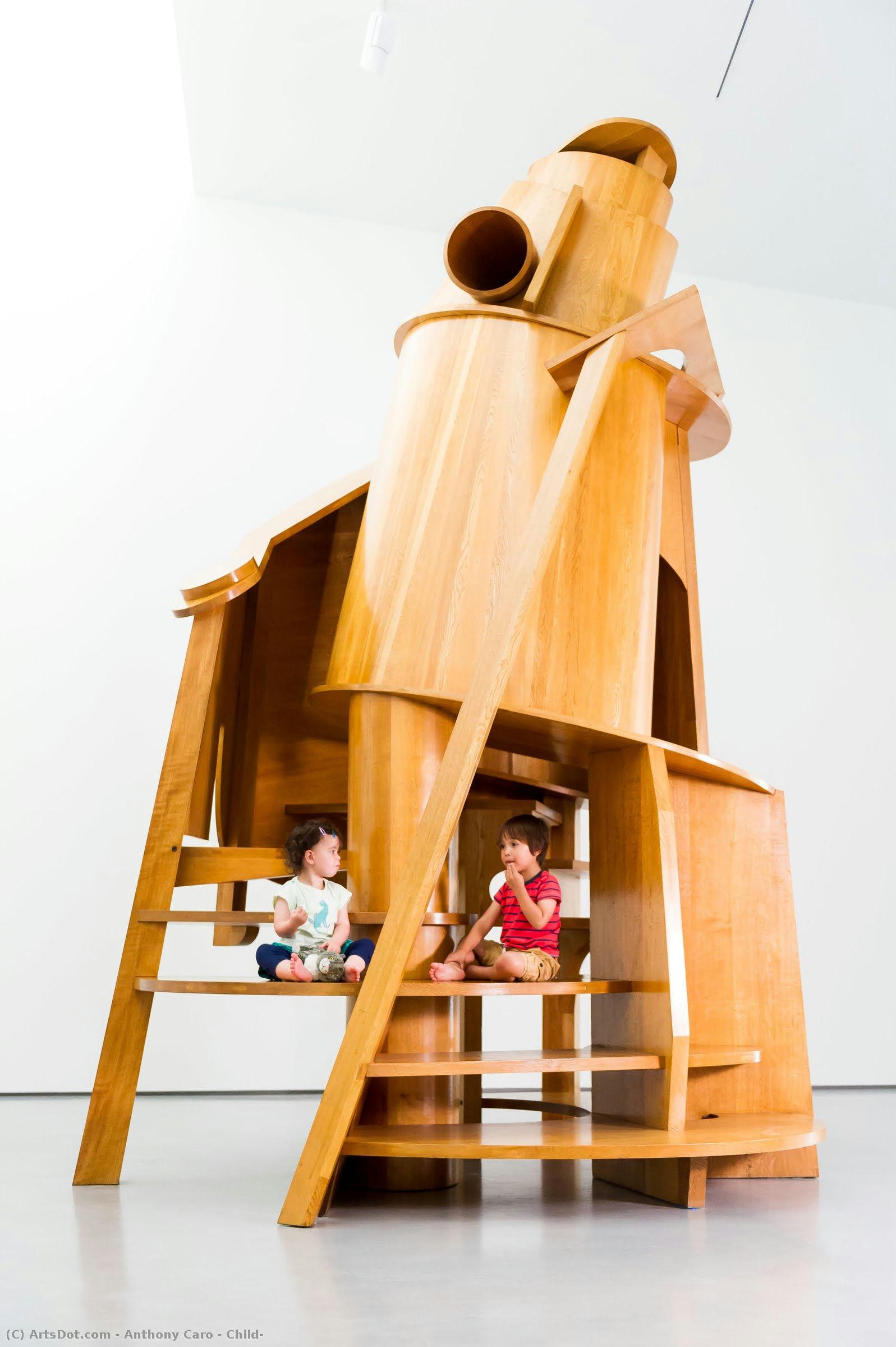
Child
 Contemporary Sculpture
 274.0 x 381.0 cm
 ザ・ヘップワース・ウェイクフィールド
 詳細を見る
詳細を見る
オンラインプレビューをはるかに凌ぐ、高解像度で鮮明なデジタル画像をご購入いただけます。
各ファイルは、社内の専門家が高度なツールと熟練した手作業によるレタッチを用いて、細心の注意を払って準備されています。すべての画像において、卓越した鮮明度、正確な色彩再現性、そして繊細なディテールを保証いたします。
最終ファイルは、プロフェッショナルな編集・印刷環境ですぐにご利用いただけるよう最適化された状態で、72時間以内にメールにてお届けいたします。これは、一流のデザインスタジオ、出版社、ギャラリーから信頼されているものと同等の品質です。
デジタル画像のご注文に付随する特典
高品質なデジタル画像配信を、確かな品質で。
OriginalUniqueArt.com を選ぶことは、単に画像を手に入れることではありません。それは、プロの手によって精密に仕上げられ、満足保証が付いた高品質なデジタルアートワークを受け取ることを意味します。ご注文いただいた際に自動的に付随する内容は、以下の通りです:

メールですぐにお届け
ご注文から72時間以内に、高解像度のデジタル画像ファイルがメールでお手元に届きます。すぐにそのままご利用いただけます。

AI技術で最適化されたデジタルファイル
お客様の作品は、高度なAIツールと専門家による手作業の編集を組み合わせてプロフェッショナルに最適化されており、細部のディテール、鮮明さ、そして正確な色再現性を最大限に引き出しています。

一生涯無料の再送サービス
ファイルを誤って削除したり、紛失してしまったりしましたか?ご安心ください。いつでも無料で再送いたします。

輸入手数料は一切かかりません
関税や手数料、配送料を気にすることなく、お気に入りのアートワークをすぐにお楽しみいただけます。デジタルダウンロードは常に免税です。

色彩再現の保証
プロ仕様のツールとカラーマネジメント技術を用いることで、デジタル画像が元の色を最大限に忠実に再現することを保証いたします。

60日間満足保証
ご購入いただいたデジタル画像にご満足いただけない場合は、60日以内であれば、修正または100%の返金(理由を問う必要はありません)をさせていただきます。

100% 返金保証
ご満足いただけない場合は、デジタルファイルを受け取ってから60日以内であれば、理由を問わず全額返金いたします。

まとめ買い割引
3枚購入で10%OFF - 5枚購入で15%OFF - 10枚以上購入で20%OFF。クリエイティブなプロジェクト、ギャラリー、エージェンシーに最適です。
作品の詳細
A Monumental Embrace: Exploring ‘Child’ by Sir Anthony Caro
Sir Anthony Caro's “Child,” a monumental wooden sculpture measuring an impressive 274 x 381 cm, stands as a powerful meditation on childhood, architecture, and the very essence of human experience. Created in 1960, this work transcends mere representation, offering instead a deeply felt evocation of play, wonder, and the enduring spirit of youth. Situated within the starkly modern setting of a gallery space dominated by polished concrete floors – a deliberate contrast that amplifies the sculpture’s inherent drama – “Child” immediately commands attention with its scale and intricate construction.
The sculpture itself is a masterful assemblage of warm-toned wood, meticulously layered and geometrically arranged to create a towering vertical form. Two diminutive figures are nestled within this expansive structure, suggesting an intimate space for imaginative play. The deliberate use of interlocking platforms, ramps, and enclosed areas invites interaction, prompting viewers to consider the sculpture as more than just an object – it’s a constructed environment designed to be explored and inhabited. Caro's genius lies in his ability to transform industrial materials into objects of profound beauty and emotional resonance; here, he employs wood, a material traditionally associated with domesticity and nurturing, to create something both monumental and profoundly human.
The Seeds of Abstraction: Influences and Artistic Evolution
Caro’s journey as an artist was marked by a radical transformation in his approach. Initially influenced by the pioneering work of Henry Moore – particularly Moore's exploration of organic forms and psychological depth – Caro embarked on a path that ultimately led him away from figurative representation. A pivotal moment arrived in 1959 with a scholarship to the United States, an experience that fundamentally reshaped his artistic vision. Immersed in the vibrant energy of American Abstract Expressionism, he encountered artists like David Smith, whose dynamic sculptures utilizing industrial materials ignited a revolutionary shift within Caro’s own practice.
Smith's emphasis on embracing the inherent qualities of raw materials – steel, welding techniques, and the juxtaposition of geometric forms – profoundly impacted Caro. He began to dismantle his earlier focus on detailed human figures, instead prioritizing the exploration of form, space, and material itself. This move away from traditional representation was not a rejection of art but rather an evolution towards a more direct and visceral expression of ideas.
A Dialogue Between Scale and Intimacy
The sheer scale of “Child” is immediately arresting, creating a sense of both awe and vulnerability. The towering vertical form dwarfs the two small figures nestled within its structure, highlighting the contrast between the monumental and the intimate. This deliberate juxtaposition speaks to the inherent tension between childhood dreams and adult realities – the boundless possibilities of imagination versus the constraints of experience. The sculpture’s placement within a minimalist gallery space further emphasizes this dynamic, creating a visual dialogue between the organic forms of Caro's creation and the stark geometry of its surroundings.
Furthermore, the open-ended nature of the structure encourages interaction. Viewers are invited to approach the sculpture from all angles, stepping into the enclosed spaces and experiencing it as a living, breathing environment. This participatory element transforms “Child” from a static object into a dynamic space for contemplation and imaginative play – a testament to Caro’s belief that art should engage with its audience on a deeply emotional level.
Symbolism and Emotional Resonance
Beyond its formal qualities, “Child” is rich in symbolic meaning. The sculpture can be interpreted as an exploration of the human condition, capturing the essence of childhood innocence, curiosity, and wonder. The enclosed spaces evoke a sense of security and refuge, while the towering form suggests both protection and aspiration. Caro’s masterful use of wood – a material associated with warmth, nurturing, and domesticity – further reinforces this emotional resonance.
Ultimately, “Child” is not simply a depiction of children playing; it's an embodiment of the spirit of childhood itself—a celebration of imagination, exploration, and the enduring power of human connection. It’s a work that invites viewers to reconnect with their own inner child, prompting reflection on the joys and challenges of growing up and the importance of preserving the wonder and innocence of youth.
作家の略歴
Sir Anthony Caro: A Pioneer of Modern Sculpture
Early Life and Education
- Born: March 8, 1924, in New Malden, Surrey, England.
- Family Background: Caro was the youngest of three children to a Jewish family.
- Education: He attended Charterhouse School, where he was introduced to sculpture through his housemaster and Charles Wheeler. Further studies included Farnham School of Art, Christ's College Cambridge (Engineering degree), Regent Street Polytechnic, and the Royal Academy Schools (1947-1952).
Artistic Development and Influences
- Early Influences: Initially influenced by Henry Moore, with whom he worked as a studio assistant from 1951-1953. This early association instilled in him an appreciation for modernist sculpture.
- Turning Point: A 1959 Ford Foundation scholarship led to a transformative trip to the United States, where he encountered American Abstract Expressionism and met key figures like Clement Greenberg, Kenneth Noland, and David Smith. The work of David Smith was particularly influential.
- Shift in Style: Inspired by his experiences in America, Caro abandoned figurative sculpture and began creating abstract assemblages using welded steel and found industrial objects.
Key Characteristics and Style
- Assemblage & Materials: Caro is renowned for his innovative use of materials – often ‘found’ or industrial components like I-beams, steel plates, and mesh.
- Removing the Plinth: A defining characteristic of his work is removing sculptures from their traditional plinths, allowing viewers to engage with them directly on the floor and experience them in a more immersive way. This challenged conventional sculptural presentation.
- Abstract Forms & Spatial Exploration: His sculptures are characterized by dynamic abstract forms that explore spatial relationships and create a sense of openness and movement.
Notable Works and Exhibitions
- Twenty Four Hours (1960): An early example of his abstract steel sculptures, now in the Tate Britain collection.
- Leaf Pool (1967): Showcased at Paintings in Hospitals, demonstrating his unique style and approach to form.
- After Olympia (1982-87): A large-scale narrative work inspired by the Temple of Zeus at Olympia, showcasing his ability to create monumental pieces with complex narratives.
- Exhibitions: Caro exhibited extensively internationally, including solo shows in Milan and New York, and participated in major group exhibitions.
Awards and Legacy
- Order of the British Empire (CBE): Awarded for his services to art.
- Triangle Arts Trust: Co-founded the Triangle Arts Trust in 1982, providing a space for artists to collaborate and experiment.
- Historical Significance: Caro is considered one of the most important British sculptors of his generation. His work revolutionized sculpture by challenging traditional conventions and exploring new materials and forms. He profoundly influenced subsequent generations of sculptors and continues to inspire artists today.
Artistic Movements
- Modernism: A core influence, breaking from traditional artistic norms.
- Abstract Expressionism: Impacted his shift towards abstraction and emphasis on form and material.
- Neoclassicism: Later work showed influences of classical Greek and Roman styles, particularly in narrative pieces like 'After Olympia'.

sir anthony alfred caro
1924 - 2013 , United Kingdom
プロフィール概要
- Birth Date: 1924-03-08
- Birth Place: New Malden, United Kingdom
- Death Date: 2013-10-23
- Influenced By:
- Henry Moore
- Charles Wheeler
- David Smith
- Movement:
- Modernism
- Abstract Expressionism
- Neoclassicism
- Name: Sir Anthony Alfred Caro
- Nationality: British
- Notable Works:
- Leaf Pool
- After Olympia
- Twenty Four Hours

