油彩画を購入
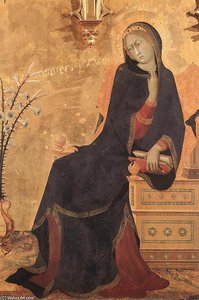
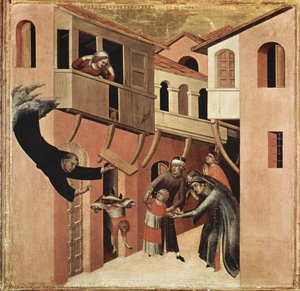
 Polyptychの詳細







































 いずれかの辺が105 cm(約41インチ)を超えるアートワークまたは複製画の場合、フレームは分解されたキットの状態でお届けいたします。この方法は、輸送中の破損を防ぎ、安全に配送するために採用しております。


Simone Martini’s Polyptych: A Symphony of Faith and Refinement
Simone Martini, a luminary of the early Renaissance born in Siena around 1284, gifted the art world with an unparalleled masterpiece – the Polyptych of Santa Caterina. More than just a painting; it embodies the spirit of its time, reflecting Siena’s burgeoning cultural vibrancy and establishing Martini as a pivotal figure in bridging medieval artistic traditions with the nascent ideals of humanist thought.
Housed within the Fitzwilliam Museum in Cambridge, United Kingdom, this monumental artwork transcends mere visual representation. Measuring 59 x 35 cm, it comprises three panels adorned with exquisitely detailed figures depicting saints and prophets—a testament to Martini’s mastery of tempera painting technique. The panel's vibrant hues – dominated by reds – aren’t merely decorative; they convey depth and luminosity, drawing the viewer into a contemplative space.
Artistic Significance & Style
The Polyptych exemplifies Martini’s signature International Gothic style, characterized by its graceful lines, meticulous attention to detail, and blending of Byzantine influences with Florentine realism. Unlike Giotto’s more austere depictions, Martini infused his compositions with a palpable sense of elegance and aristocratic refinement—a stylistic hallmark that distinguishes him from contemporaries.
- Composition: The central panel showcases three men in solemn robes, their hands clasped together in prayer, symbolizing unity and devotion.
- Figures: Each saint is rendered with remarkable realism, capturing subtle expressions of emotion and conveying spiritual contemplation.
- Color Palette: Martini’s masterful use of tempera pigments—particularly red—creates a rich tapestry of color that enhances the emotional impact of the scene.
Symbolism & Technique
Beyond its aesthetic beauty, the Polyptych is laden with symbolic meaning. The book held by one figure represents knowledge and divine guidance, while the staff symbolizes authority and spiritual leadership. Martini’s meticulous technique—evident in the layering of translucent glazes—allows him to achieve unparalleled luminosity and textural complexity. This painstaking process ensured that every brushstroke conveyed a profound sense of reverence.
Historical Context & Legacy
Created circa 1320, the Polyptych stands as an emblem of Siena’s religious fervor during the medieval period. It reflects the broader artistic trends of its time—the revival of classical ideals alongside Byzantine influences—and demonstrates Martini's profound impact on subsequent generations of painters. Its influence can be seen in works by artists like Andrea Pisano and Niccolò di Ser Sozzo, cementing Martini’s place as one of the foremost masters of his era.
For those seeking to experience the grandeur of Simone Martini’s vision, reproductions from OriginalUniqueArt offer exceptional quality and authenticity. Explore related artworks at the Fitzwilliam Museum and Isabella Stewart Gardner Museum for a deeper appreciation of this enduring masterpiece.
Q&A
Polyptychは手描きですか、それともプリントですか?
手描きによる制作:熟練した画家が、リネンキャンバスに油彩でPolyptychを模写します。
Polyptychのサイズはどれを選べばよいですか?
原画のサイズは59 x 35 cmです。 サイズは31.1 x 32.2 cm (¥31684)から235.7 x 243.6 cm (¥328090)まで展開しております。こちらのページ内の表に、主な工程とそれぞれの価格を記載しています。
配送にはどのくらいの時間がかかりますか?
配送には4〜5週間を要し、世界中どこでも速達便にて無料でお届けいたします。また、本ページではお急ぎの方向けの特急制作オプションもご用意しております。商品は、理由を問わず100日以内であれば全額返金での返品が可能です。
Polyptychの原画はどこにありますか?
作品のオリジナルは、CambridgeにあるFitzwilliam Collegeの所蔵です。
シモーネ・マルティーニはPolyptychの制作にどのような画材(メディア)を使用しましたか?
Acrylic On Canvas
 設置イメージを表示

 シェアする
 シェアする
 詳細を見る
 解説シート


 ダウンロード
 似ている作品
 X線調査
 スライドショーを表示
 Q&A

 統計情報