設置イメージを確認
 送る
送る シェア
シェア
 詳細情報
詳細情報 ガイドを表示

 画像をダウンロード
 似ている作品
 X線調査
X線調査 スライドショー
 Q&A
Q&A 統計情報
統計情報Orvieto Polyptych
 Acrylic On Canvas
- WallArt
- Late Gothic
 1321
1321 113.0 x 257.0 cm
 Museo dell'Opera del Duomo
 続きを読む
続きを読む
手描き油彩複製画
当社のアーティストが、お客様のご希望のサイズと額縁に合わせて、キャンバスに手描きで制作する油彩画です。 ( プリント版に切り替え デジタル画像販売へ切り替え)




P118B ¥10

P118H ¥10

P118W ¥10

P438Z ¥10

P508JH ¥12

P508YH ¥12

P805H ¥10

P805Z ¥10

P919BZ ¥10

P919G ¥10

P919XJ ¥10

P959ZH ¥10

P968JZ ¥12

W106C ¥8

W218G ¥10

W218JH ¥8

W218Y ¥10

W307PJ ¥10

W316G ¥10

W316PJ ¥8

W316Y ¥10

W398PJ ¥8

W4111J ¥10

W500HY ¥15

W500JH ¥15

W692G ¥12

W849H ¥8

W940BG ¥15

W953PJ ¥8




作品のオリジナル比率に合わせた、当店の規定サイズからお選びください。

フレームや壁のスペースに合わせて、ご希望の幅と高さを入力してください。本作品は手描きのため、異なる比率のサイズをご希望の場合、絵画の周囲を少し広げて描くか、あるいは端を少しカットして調整することが可能です。お客様のご要望に合わせます。制作を開始する前に、仕上がりを確認するためのデジタルモックアップをお送りいたします。このページに表示されている画像は完成品の実物ではなく、あくまでモックアップによるイメージです。
ご注文後、OriginalUniqueArt.com チームより詳細な指示をお送りするとともに、仕上がりイメージ(モックアップ)をご提供いたします。


 ガラスオプションは、110cm未満のサイズでのみご利用いただけます。

Orvieto Polyptych
再現技法
複製画サイズ一覧
-


合計金額
¥ 47215
A Symphony of Faith and Florentine Grace: Exploring Simone Martini’s Orvieto Polyptych
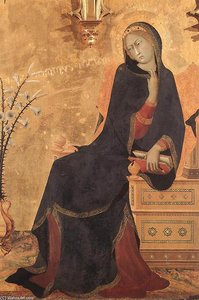
The Orvieto Polyptych, completed in 1321 by Simone Martini—a name synonymous with elegance and refinement—stands as a testament to the artistic fervor of Siena during its golden age. More than just a depiction of religious figures, it embodies a profound dialogue between medieval piety and burgeoning Renaissance sensibilities, reflecting the intellectual currents shaping Europe at the time. Commissioned for the Cathedral of Orvieto, this monumental altarpiece represents a pivotal moment in Western art history, marking a decisive step away from the austere formalism of Giotto’s predecessors toward a richer tapestry of color and expressive detail.The Style: Florentine Influence Meets Sienese Tradition
Martini's artistic vision was undeniably influenced by Florence, where he spent formative years absorbing the innovations championed by Giotto di Bondone—a revolutionary artist who had begun to liberate painting from its rigid conventions. However, Martini skillfully blended these Florentine ideals with the established traditions of Siena, resulting in a style characterized by luminous color palettes and exquisitely rendered drapery folds. Unlike Giotto’s flattened figures, Martini’s saints possess palpable volume and dynamism, conveying an emotional depth that transcends mere representation. The meticulous attention to detail—particularly evident in the depiction of textures like velvet and silk—demonstrates Martini's mastery of technique and elevates the Polyptych beyond a simple devotional image into a sublime work of art.Technique: Tempera on Panel – A Delicate Dance of Color
The Polyptych’s breathtaking beauty is achieved through the masterful application of tempera paint on wooden panels. This medium—renowned for its brilliance and durability—allowed Martini to achieve unparalleled luminosity, capturing the ethereal glow of divine light. The process involved layering thin glazes of pigment onto prepared wood, meticulously building up color gradually over time. This painstaking technique demanded exceptional skill and patience, resulting in a surface finish that is remarkably smooth and luminous – a characteristic hallmark of Martini’s oeuvre. Furthermore, the use of gold leaf—a lavish embellishment typical of Sienese art—adds an opulent dimension to the composition, symbolizing divine majesty and reinforcing its spiritual significance.Historical Context: Siena Amidst Papal Rivalry
The creation of the Orvieto Polyptych coincided with a period of intense political and religious upheaval in Italy. Siena was embroiled in a protracted struggle for dominance against Florence and Rome—a conflict fueled by papal ambition and driven by competing claims to spiritual authority. Martini’s patronage reflects this turbulent landscape, highlighting the importance of artistic commissions as instruments of prestige and influence. The Polyptych served not only as a focal point for liturgical worship but also as a powerful assertion of Siena's cultural identity – a visual declaration of faith and civic pride amidst the shifting alliances of the papal court.Symbolism: Representing Christ’s Passion and Divine Mercy
The Polyptych’s iconography is steeped in symbolism, meticulously conveying theological concepts central to Christian belief. The depiction of Christ Pantocrator—the Lord Almighty—dominates the central panel, embodying divine majesty and compassion. Surrounding him are figures representing Mary Magdalene, Saint Benedict, Saint Dominic, Saint Catherine of Siena, Saint Francis of Assisi, Saint Augustine, Saint Gregory IX, Saint Lawrence and Saint Stephen – each saint chosen to represent virtues considered essential for Christian piety. The inclusion of a baby Jesus symbolizes the incarnation—the divine Logos taking human form—affirming the promise of salvation offered by Christ’s sacrifice.Emotional Impact: A Window into Spiritual Contemplation
Ultimately, Simone Martini's Orvieto Polyptych transcends mere visual representation; it invites contemplation and evokes profound emotion. The luminous colors, combined with the exquisitely rendered drapery folds and figures, transport viewers to a realm of spiritual serenity—a space where earthly concerns fade away before the grandeur of divine grace. It remains an enduring masterpiece, captivating audiences centuries later with its beauty, sophistication, and unwavering devotion to Christian faith.よくあるご質問
シモーヌ・マルティニ作「Orvieto Polyptych」のプリントには、どのようなサイズと向きがおすすめですか?
Large サイズ、Panoramic 方向:こちらは シモーヌ・マルティニ作「Orvieto Polyptych」 に推奨されるプリント設定です。
シモーヌ・マルティニ作「Orvieto Polyptych」の著作権による複製は許可されていますか?
Museo dell'Opera del Duomoに所蔵されているシモーヌ・マルティニ作「Orvieto Polyptych」は、パブリックドメイン(著作権消滅)です。このステータスにより、画像の複製が可能かどうかが決まります。
シモーヌ・マルティニ作「Orvieto Polyptych」は、明るい印象の作品ですか、それとも暗い印象の作品ですか?
視覚的な明るさの観点から見ると、シモーヌ・マルティニ作「Orvieto Polyptych」 は brilliant です。
アーティストについて
Simone Martini:イタリアの優雅さを紡ぐ芸術家
シモーネ・マルティニは、イタリアで活躍した芸術家でありました。彼は約1284年にシエナで生まれ、ドゥッチョ・ディ・ブオニンセグナの影響を受けながら、シエナにおける美術の中心として独自の道を歩みました。彼の兄弟の妻であるリッポ・メムミとの協力関係は、シエナ美術界をさらに豊かにしました。シエナという都市は、マルティニの美意識を形成する上で重要な役割を果たし、宗教的な信仰と世俗的な洗練さを融合させた環境を提供しました。
国際ゴシック様式への影響
マルティニのスタイルは、フィレンツェのような壮大な形式とは異なり、優雅さと洗練さを特徴としていました。彼は繊細な感覚を追求し、流れるような線と柔らかな装飾的な詳細に注目しました。この美意識は単独で生まれたものではなく、フランスからの芸術潮流の影響を受けていました。特にフランスの写本や象牙彫刻における洗練された優雅さは、マルティニの作品に現れました。彼はこれらのスタイルを模倣するのではなく、既存のシエナ伝統と融合させ、全く新しいものを創造しました。彼の絵画は宗教的な場面を描いたものではなく、感情的な深みと視覚的な詩情が込められた物語でした。
サンフランチェスコ・ダッシにおいて卓越した技術を披露
マルティニの最も重要な業績の一つは、サンフランチェスコ・ダッシで制作されたフレスコ画です。彼はこの作品で国際ゴシック様式の特徴である優雅さと洗練さを表現し、広大な空間に美しい色彩と形状を配置しました。彼の技術は単なる技巧ではなく、当時の美意識に共鳴する視覚的な言語を作り出すことでした。特にサンフランチェスコ・ダッシの聖母マリアフレスコは、マルティニの卓越したフレスコ画技術を示すとともに、宗教的な信仰と芸術的表現を融合させた傑作です。
ペトラルカとの交流と芸術へのインスピレーション
マルティニはイタリア文学の巨匠ペトラルカと深い友情を築き、彼の詩に影響を与えました。ペトラルカとの関係は特に感動的なものであり、マルティニの作品は単なる技術的なスキルだけでなく、美しさやインスピレーションという人間の精神の本質を捉える能力を示しました。彼は国際ゴシック様式の影響を受けながらも、シエナ美術界における独自の道を歩み、芸術家としての地位を高めました。
後世への遺産と永続的な影響
シモーネ・マルティニはイタリア美術の発展に大きな貢献を果たしました。彼は国際ゴシック様式をヨーロッパ大陸に広める上で重要な役割を果たし、そのスタイルは後の世代の芸術家に影響を与え続けました。彼の作品は単なる技術的なスキルではなく、美しさ、優雅さ、そして宗教的な信仰という当時の美意識に共鳴する視覚的な言語を作り出すことでした。マルティニの聖母マリアフレスコは特に優れた技術と美しい色彩で知られ、彼の芸術家としての地位を証明しています。彼はイタリア美術における重要な人物であり続けました。

シモーヌ・マルティニ
1284 - 1344 , イタリア
アーティスト情報
- Artistic Movement Or Style: 国際ゴシック美術
- Artists Or Movements Influenced By This Artist: ['国際ゴシックスタイル']
- Artists Who Influenced This Artist:
- ドゥオーチェ・ディ・ブオニンセグナ
- ジョット
- Date Of Death: 1344年
- Full Name: Simone Martini
- Nationality: イタリア人
- Notable Artworks: ['聖ルイのロバート王擁立']
- Place Of Birth: シエナ、イタリア