設置イメージを確認
 送る
送る シェア
シェア
 詳細情報
詳細情報 ガイドを表示

 画像をダウンロード
 似ている作品
 X線調査
X線調査 スライドショー
 統計情報
統計情報Entombment
 Acrylic On Canvas
- WallArt
- International Gothic
 1335
1335 22.0 x 15.0 cm
 国立博物館群
 続きを読む
続きを読む
ジークレー/アートプリント
スピーディーな制作と多彩な仕上げオプションが魅力の、ミュージアムクオリティなジークレー・キャンバスプリント。 ( 手描きの複製画を注文する デジタル画像販売へ切り替え)




P118B ¥10

P118H ¥10

P118W ¥10

P438Z ¥10

P508JH ¥12

P508YH ¥12

P805H ¥10

P805Z ¥10

P919BZ ¥10

P919G ¥10

P919XJ ¥10

P959ZH ¥10

P968JZ ¥12

W106C ¥8

W218G ¥10

W218JH ¥8

W218Y ¥10

W307PJ ¥10

W316G ¥10

W316PJ ¥8

W316Y ¥10

W398PJ ¥8

W4111J ¥10

W500HY ¥15

W500JH ¥15

W692G ¥12

W849H ¥8

W940BG ¥15

W953PJ ¥8




作品のオリジナル比率に合わせた、当店の規定サイズからお選びください。

額縁や壁のスペースに合わせて、ご希望の幅と高さを入力してください。プリントはカットすることは可能ですが、元の画像より大きくすることはできないため、異なる比率のサイズを選択された場合は、画像の一部が欠けることになります。印刷を開始する前に、内容を確認していただくためのデジタルモックアップをお送りいたします。このページに表示されている画像は、実際のカット後の状態を示すものではありません。実際の仕上がりはモックアップにてご確認ください。


 ガラスオプションは、110cm未満のサイズでのみご利用いただけます。

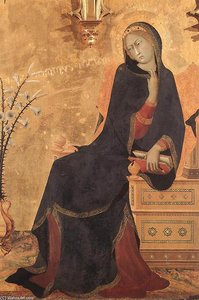
Entombment
ジークレー/アートプリント
複製画サイズ一覧
-


合計金額
¥ 12591
A Moment Frozen in Time: Simone Martini’s Entombment
Simone Martini's *Entombment*, completed around 1335-44, transcends mere depiction; it embodies the spiritual fervor and artistic sophistication of Siena during its golden age. This tempera painting on wood—measuring a modest 22 x 15 cm—holds an unparalleled significance within the Early Italian Gothic tradition, securing its place as one of the most celebrated artworks of the period. Currently housed in the Staatliche Museen Berlin, it invites viewers to contemplate not just a biblical scene but also the profound artistic vision of Martini himself.The Scene Unfolds: Narrative and Composition
The painting portrays Jesus Christ being laid into his tomb by Mary Magdalene and Nicodemus—a pivotal moment recounted in Matthew 27:58-60. Martini meticulously captures the solemnity of the occasion, arranging figures within a carefully constructed space dominated by towering cypress trees that symbolize immortality and remembrance. The composition is deliberately balanced, guiding the eye across the scene with subtle diagonals and converging lines, creating an atmosphere of profound grief and reverence. Notice how Martini skillfully employs shading to sculpt the forms of Jesus’ body and the mourners, conveying both physicality and emotional depth—a hallmark of Martini's distinctive style.Technique and Artistic Innovation
Martini’s mastery lies in his meticulous application of tempera paint on wood – a technique favored by Sienese artists during this era. Tempera pigments bind to the surface without solvents, resulting in vibrant colors that retain their luminosity over centuries. Martini's painstaking layering of translucent glazes—particularly noticeable in Jesus’ face and hands—creates an ethereal quality, capturing the subtle nuances of light and shadow. This technique distinguishes Martini from his predecessors like Giotto di Bondone, who favored a more flattened perspective, elevating *Entombment* to a pinnacle of artistic innovation. The artist's attention to detail extends beyond mere representation; he imbues every element with symbolic significance.Symbolism: Trees of Remembrance and Spiritual Reflection
The cypress trees surrounding the tomb are laden with symbolism—representing eternal life and commemorating the deceased. Their upward reaching branches mirror Jesus’ ascension into heaven, reinforcing the overarching theme of resurrection and divine grace. Furthermore, Martini's depiction of Mary Magdalene and Nicodemus reflects the theological concerns of the time – specifically, the contemplation of Christ’s suffering and sacrifice for humanity’s salvation. The figures are rendered with exquisite realism, yet imbued with an aura of spiritual solemnity, prompting viewers to engage in introspection and contemplate the mysteries of faith.Emotional Resonance: A Window into Medieval Spirituality
*Entombment* resonates powerfully with audiences today due to its ability to evoke a deep sense of empathy and contemplation. Martini’s masterful use of color—primarily blues and reds—creates an emotionally charged atmosphere, mirroring the grief experienced by those present at Jesus' burial. The painting serves as a testament to the enduring power of religious art to communicate profound spiritual truths—a legacy that continues to inspire artists and collectors alike. Its serene beauty and meticulous craftsmanship offer a captivating glimpse into the artistic sensibilities of Siena during its illustrious medieval period.よくあるご質問
シモーヌ・マルティニ作「Entombment」 の全体を貫く基調となる色は何ですか?
シモーヌ・マルティニ作「Entombment」には、Amber to Saffronの色調が全体に広がっています。
シモーヌ・マルティニ作「Entombment」の配色(パレット)はどのように表現されていますか?
シモーヌ・マルティニ作「Entombment」は、Earthyなカラーパレットを使用しています。この配色が、作品全体の色彩的特徴を象徴しています。
シモーヌ・マルティニ作「Entombment」の形状とサイズはどのようになっていますか?
「Entombment」の形式はPortraitで、原寸は22 x 15 cmです。どちらの情報も、複製を作成する際の参考になります。
アーティストについて
Simone Martini:イタリアの優雅さを紡ぐ芸術家
シモーネ・マルティニは、イタリアで活躍した芸術家でありました。彼は約1284年にシエナで生まれ、ドゥッチョ・ディ・ブオニンセグナの影響を受けながら、シエナにおける美術の中心として独自の道を歩みました。彼の兄弟の妻であるリッポ・メムミとの協力関係は、シエナ美術界をさらに豊かにしました。シエナという都市は、マルティニの美意識を形成する上で重要な役割を果たし、宗教的な信仰と世俗的な洗練さを融合させた環境を提供しました。
国際ゴシック様式への影響
マルティニのスタイルは、フィレンツェのような壮大な形式とは異なり、優雅さと洗練さを特徴としていました。彼は繊細な感覚を追求し、流れるような線と柔らかな装飾的な詳細に注目しました。この美意識は単独で生まれたものではなく、フランスからの芸術潮流の影響を受けていました。特にフランスの写本や象牙彫刻における洗練された優雅さは、マルティニの作品に現れました。彼はこれらのスタイルを模倣するのではなく、既存のシエナ伝統と融合させ、全く新しいものを創造しました。彼の絵画は宗教的な場面を描いたものではなく、感情的な深みと視覚的な詩情が込められた物語でした。
サンフランチェスコ・ダッシにおいて卓越した技術を披露
マルティニの最も重要な業績の一つは、サンフランチェスコ・ダッシで制作されたフレスコ画です。彼はこの作品で国際ゴシック様式の特徴である優雅さと洗練さを表現し、広大な空間に美しい色彩と形状を配置しました。彼の技術は単なる技巧ではなく、当時の美意識に共鳴する視覚的な言語を作り出すことでした。特にサンフランチェスコ・ダッシの聖母マリアフレスコは、マルティニの卓越したフレスコ画技術を示すとともに、宗教的な信仰と芸術的表現を融合させた傑作です。
ペトラルカとの交流と芸術へのインスピレーション
マルティニはイタリア文学の巨匠ペトラルカと深い友情を築き、彼の詩に影響を与えました。ペトラルカとの関係は特に感動的なものであり、マルティニの作品は単なる技術的なスキルだけでなく、美しさやインスピレーションという人間の精神の本質を捉える能力を示しました。彼は国際ゴシック様式の影響を受けながらも、シエナ美術界における独自の道を歩み、芸術家としての地位を高めました。
後世への遺産と永続的な影響
シモーネ・マルティニはイタリア美術の発展に大きな貢献を果たしました。彼は国際ゴシック様式をヨーロッパ大陸に広める上で重要な役割を果たし、そのスタイルは後の世代の芸術家に影響を与え続けました。彼の作品は単なる技術的なスキルではなく、美しさ、優雅さ、そして宗教的な信仰という当時の美意識に共鳴する視覚的な言語を作り出すことでした。マルティニの聖母マリアフレスコは特に優れた技術と美しい色彩で知られ、彼の芸術家としての地位を証明しています。彼はイタリア美術における重要な人物であり続けました。

シモーヌ・マルティニ
1284 - 1344 , イタリア
アーティスト情報
- Artistic Movement Or Style: 国際ゴシック美術
- Artists Or Movements Influenced By This Artist: ['国際ゴシックスタイル']
- Artists Who Influenced This Artist:
- ドゥオーチェ・ディ・ブオニンセグナ
- ジョット
- Date Of Death: 1344年
- Full Name: Simone Martini
- Nationality: イタリア人
- Notable Artworks: ['聖ルイのロバート王擁立']
- Place Of Birth: シエナ、イタリア
関連記事

Beyond Borders: The Spiritual & Stylistic Innovations of International Gothic Art
Explore the exquisite beauty & spiritual depth of International Gothic art. Discover key artists like Simone Martini & Pol de Limbourg, its origins, symbolism, and lasting influence on European painting. Expert insights at OriginalUniqueArt.
Shadows & Splendor: A Journey Through the Soul of Gothic Art and Architectural Grandeur
Embark on a profound journey through the spiritual intensity of Gothic art. Explore the architectural marvels, luminous stained glass, and sacred sculptures that define this era of grandeur and human devotion.

Gothic Vibes: From Dark Shadows to Bold Modern Edge | The Ultimate Trend Forecast
Explore the evolution of Gothic vibes, from historical shadows to bold modern edge. Discover how dark aesthetics, noir interiors, and contemporary subcultures are redefining modern design through a high-impact, trend-focused lens.

Simone Martini: Innovation, Spirituality & Courtly Refinement in Sienese Painting
Explore the captivating world of Simone Martini, a pivotal figure in Sienese painting & the International Gothic style. Discover his innovative techniques, spiritual depth, and lasting influence on early Renaissance art.
The Radiant Dusk of Medieval Vision: Exploring Late Gothic Art's Synthesis of Faith, Form & Emotionality (c. 1300-1500)
Explore the exquisite beauty & spiritual depth of Late Gothic art (c. 1300-1500). Discover key artists, symbolism, and its lasting influence on the Renaissance. Expert insights at OriginalUniqueArt.