 プレビュー
プレビュー
 シェアする
シェアする シェアする
シェアする
 詳細を見る
詳細を見る

 ダウンロード
 似ている作品
 X線調査
X線調査 スライドショー
 統計情報
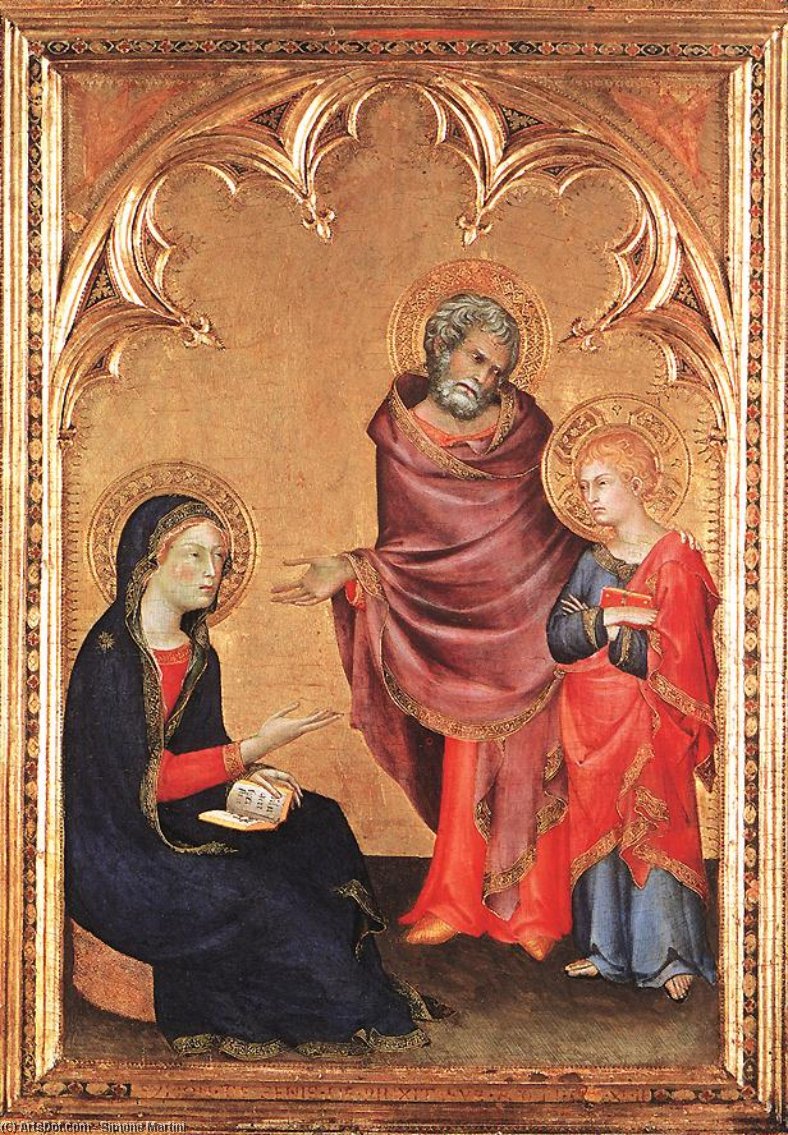
統計情報Christ Returning to his Parents
 Acrylic On Canvas
- WallArt
- Late Gothic
 1342
1342 49.0 x 35.0 cm
 ウォーカー・アート・ギャラリー
 詳細を見る
詳細を見る
手描き油彩複製画
当社のアーティストが、お客様のご希望のサイズと額縁に合わせて、キャンバスに手描きで制作する油彩画です。 ( プリント版に切り替え デジタル画像販売へ切り替え)




P118B $10

P118H $10

P118W $10

P438Z $10

P508JH $12

P508YH $12

P805H $10

P805Z $10

P919BZ $10

P919G $10

P919XJ $10

P959ZH $10

P968JZ $12

W106C $8

W218G $10

W218JH $8

W218Y $10

W307PJ $10

W316G $10

W316PJ $8

W316Y $10

W398PJ $8

W4111J $10

W500HY $15

W500JH $15

W692G $12

W849H $8

W940BG $15

W953PJ $8




作品のオリジナル比率に合わせた、当店の規定サイズからお選びください。

特定のフレームやスペースに合わせて、ご希望のサイズをご入力いただけます。選択されたサイズが元の画像の比率と異なる場合、アートワークをトリミングするか、手描きで要素を追加して絵画を拡張いたします。デジタルモックアップ を制作し、制作開始前にご確認(承認)をいただきます。
画面上のプレビューは、実際のトリミングや拡張を正確に反映しているものではありません。最終的な構図は、モックアップによってのみ正確にご確認いただけます。
カスタムサイズもご利用いただけますが、元の比率を維持するためには、あらかじめ用意されたリストからサイズを選択することをお勧めいたします。
ご注文後、OriginalUniqueArt.com チームより詳細な指示をお送りするとともに、仕上がりイメージ(モックアップ)をご提供いたします。


 ガラスオプションは、110cm未満のサイズでのみご利用いただけます。

Christ Returning to his Parents
複製技法
複製画のサイズ
-


合計金額
$ 300
A Testament of Faith: Simone Martini’s ‘Christ Returning to His Parents’
Simone Martini's “Christ Returning to His Parents,” painted in 1342, stands as a breathtaking exemplar of Sienese Gothic art—a visual hymn to piety and familial devotion that continues to resonate with audiences centuries later. Executed during the twilight years of the medieval period, this masterpiece transcends mere representation; it embodies an aesthetic philosophy rooted in elegance, grace, and meticulous detail, characteristics that firmly establish Martini as one of his era’s most celebrated artists.The Style and Technique: Delicate Line and Radiant Color
Martini's artistic vision prioritized subtlety and refinement above all else. The painting employs a technique known as grisaille—a monochrome rendering in shades of grey—primarily utilized for the depiction of Christ, Mary Magdalene, and Saint John the Evangelist. This deliberate choice wasn’t simply economical; it served to heighten the luminosity of the angelic figures and the vibrant hues employed in their robes. Martini's mastery lies in his ability to achieve an astonishing level of textural illusion through painstaking layering of thin glazes—a technique perfected by Duccio di Buoninsegna and subsequently adopted throughout Tuscany. The resulting surface possesses a remarkable depth and shimmer, capturing the ethereal quality demanded by religious iconography.Historical Context: Siena’s Artistic Zenith
Siena in 1342 was experiencing a period of unparalleled artistic flourishing—a testament to its economic prosperity and fervent spiritual conviction. Martini's commission reflects this cultural milieu, aligning with the broader trend toward increasingly sophisticated depictions of biblical narratives. The painting commemorates the Annunciation—the moment when Mary receives divine news that she will conceive Jesus—and underscores the importance of familial piety within Christian belief. It’s a scene steeped in symbolism; Christ embodies divine grace and redemption, while Mary represents humility and maternal compassion – virtues considered paramount by Siena's devout populace.Symbolism: Angels as Messengers of Divine Grace
The angelic figures surrounding Christ are laden with symbolic significance. They represent messengers of God—bearers of heavenly grace and heralds of salvation. Their outstretched hands gesture towards Christ, emphasizing his role as the intermediary between humanity and divinity. The book held by Saint John symbolizes divine wisdom and knowledge – a cornerstone of Christian theology. Similarly, the cup signifies Eucharist—the sacrament commemorating Jesus’s sacrifice on the cross and offering spiritual nourishment to believers. These carefully chosen emblems reinforce the painting's overarching message: faith, hope, and love—values central to medieval spirituality.Emotional Impact: A Moment of Reverence
“Christ Returning to His Parents” transcends its formal elements to evoke a profound sense of reverence and contemplation. Martini’s masterful rendering captures not only the visual splendor of the scene but also its emotional core – the palpable tenderness between Jesus, Mary Magdalene, and Saint John. The luminous colors and delicate lines contribute to an atmosphere of serenity and solemn beauty, inviting viewers to immerse themselves in the spiritual narrative at hand. It remains a powerful reminder of the enduring legacy of faith and artistic excellence—a timeless masterpiece destined to inspire generations of art lovers.アーティストの略歴
Simone Martini:イタリアの優雅さを紡ぐ芸術家
シモーネ・マルティニは、イタリアで活躍した芸術家でありました。彼は約1284年にシエナで生まれ、ドゥッチョ・ディ・ブオニンセグナの影響を受けながら、シエナにおける美術の中心として独自の道を歩みました。彼の兄弟の妻であるリッポ・メムミとの協力関係は、シエナ美術界をさらに豊かにしました。シエナという都市は、マルティニの美意識を形成する上で重要な役割を果たし、宗教的な信仰と世俗的な洗練さを融合させた環境を提供しました。
国際ゴシック様式への影響
マルティニのスタイルは、フィレンツェのような壮大な形式とは異なり、優雅さと洗練さを特徴としていました。彼は繊細な感覚を追求し、流れるような線と柔らかな装飾的な詳細に注目しました。この美意識は単独で生まれたものではなく、フランスからの芸術潮流の影響を受けていました。特にフランスの写本や象牙彫刻における洗練された優雅さは、マルティニの作品に現れました。彼はこれらのスタイルを模倣するのではなく、既存のシエナ伝統と融合させ、全く新しいものを創造しました。彼の絵画は宗教的な場面を描いたものではなく、感情的な深みと視覚的な詩情が込められた物語でした。
サンフランチェスコ・ダッシにおいて卓越した技術を披露
マルティニの最も重要な業績の一つは、サンフランチェスコ・ダッシで制作されたフレスコ画です。彼はこの作品で国際ゴシック様式の特徴である優雅さと洗練さを表現し、広大な空間に美しい色彩と形状を配置しました。彼の技術は単なる技巧ではなく、当時の美意識に共鳴する視覚的な言語を作り出すことでした。特にサンフランチェスコ・ダッシの聖母マリアフレスコは、マルティニの卓越したフレスコ画技術を示すとともに、宗教的な信仰と芸術的表現を融合させた傑作です。
ペトラルカとの交流と芸術へのインスピレーション
マルティニはイタリア文学の巨匠ペトラルカと深い友情を築き、彼の詩に影響を与えました。ペトラルカとの関係は特に感動的なものであり、マルティニの作品は単なる技術的なスキルだけでなく、美しさやインスピレーションという人間の精神の本質を捉える能力を示しました。彼は国際ゴシック様式の影響を受けながらも、シエナ美術界における独自の道を歩み、芸術家としての地位を高めました。
後世への遺産と永続的な影響
シモーネ・マルティニはイタリア美術の発展に大きな貢献を果たしました。彼は国際ゴシック様式をヨーロッパ大陸に広める上で重要な役割を果たし、そのスタイルは後の世代の芸術家に影響を与え続けました。彼の作品は単なる技術的なスキルではなく、美しさ、優雅さ、そして宗教的な信仰という当時の美意識に共鳴する視覚的な言語を作り出すことでした。マルティニの聖母マリアフレスコは特に優れた技術と美しい色彩で知られ、彼の芸術家としての地位を証明しています。彼はイタリア美術における重要な人物であり続けました。

シモーヌ・マルティニ
1284 - 1344 , イタリア
基本情報
- Artistic Movement Or Style: 国際ゴシック美術
- Artists Or Movements Influenced By This Artist: ['国際ゴシックスタイル']
- Artists Who Influenced This Artist:
- ドゥオーチェ・ディ・ブオニンセグナ
- ジョット
- Date Of Death: 1344年
- Full Name: Simone Martini
- Nationality: イタリア人
- Notable Artworks: ['聖ルイのロバート王擁立']
- Place Of Birth: シエナ、イタリア
関連記事

Simone Martini: Innovation, Spirituality & Courtly Refinement in Sienese Painting
Explore the captivating world of Simone Martini, a pivotal figure in Sienese painting & the International Gothic style. Discover his innovative techniques, spiritual depth, and lasting influence on early Renaissance art.
Late Medieval Masterpieces: 10 Artworks That Defined an Era | OriginalUniqueArt
Journey through 10 defining Late Medieval masterpieces – from Giotto's frescoes to Jan van Eyck’s realism. Explore the stories, techniques & vibrant colors of Gothic art. Find museum-quality reproductions and elevate your home decor with OriginalUniqueArt.com! Discover all masterpieces on OriginalUniqueArt.com

High Medieval Art: 10 Masterpieces That Shaped an Era | OriginalUniqueArt
Journey through High Medieval Art! Explore 10 iconic masterpieces – from Giotto's frescoes to stunning Gothic cathedrals. Discover the stories behind these timeless paintings, sculptures & illuminated manuscripts. Find museum-quality art reproductions at OriginalUniqueArt.com.

Divine Light & Golden Splendor: A Journey Through the Sacred Grandeur of High Medieval Art
Embark on a soulful journey through High Medieval art. Explore the divine light of Gothic cathedrals, Byzantine splendor, and sacred masterpieces that shaped Western history with our expert-led cultural reflections.
Sacred Narratives Embodied: A Comprehensive Exploration of Religious Iconography in Art History
Explore the rich history of religious iconography in art! Discover symbolism, movements & masterpieces from Byzantine to Renaissance periods. Expert insights for collectors and enthusiasts at OriginalUniqueArt.