プレビュー
プレビュー
 シェアする
シェアする シェアする
シェアする
 詳細を見る
詳細を見る ガイド
ガイド

 ダウンロード
 似ている作品
 X線調査
X線調査 スライドショー
 統計情報
統計情報Allegory of Wealth
 Acrylic On Canvas
- WallArt
- French Baroque
 1630
1630- Early Modern
 170.0 x 124.0 cm
 ルーブル美術館
 詳細を見る
詳細を見る
手描き油彩複製画
当社のアーティストが、お客様のご希望のサイズと額縁に合わせて、キャンバスに手描きで制作する油彩画です。 ( プリント版に切り替え デジタル画像販売へ切り替え)




P118B $10

P118H $10

P118W $10

P438Z $10

P508JH $12

P508YH $12

P805H $10

P805Z $10

P919BZ $10

P919G $10

P919XJ $10

P959ZH $10

P968JZ $12

W106C $8

W218G $10

W218JH $8

W218Y $10

W307PJ $10

W316G $10

W316PJ $8

W316Y $10

W398PJ $8

W4111J $10

W500HY $15

W500JH $15

W692G $12

W849H $8

W940BG $15

W953PJ $8




作品のオリジナル比率に合わせた、当店の規定サイズからお選びください。

特定のフレームやスペースに合わせて、ご希望のサイズをご入力いただけます。選択されたサイズが元の画像の比率と異なる場合、アートワークをトリミングするか、手描きで要素を追加して絵画を拡張いたします。デジタルモックアップ を制作し、制作開始前にご確認(承認)をいただきます。
画面上のプレビューは、実際のトリミングや拡張を正確に反映しているものではありません。最終的な構図は、モックアップによってのみ正確にご確認いただけます。
カスタムサイズもご利用いただけますが、元の比率を維持するためには、あらかじめ用意されたリストからサイズを選択することをお勧めいたします。
ご注文後、OriginalUniqueArt.com チームより詳細な指示をお送りするとともに、仕上がりイメージ(モックアップ)をご提供いたします。


 ガラスオプションは、110cm未満のサイズでのみご利用いただけます。

Allegory of Wealth
複製技法
複製画のサイズ
-


合計金額
$ 300
Simon Vouet’s *Allegory of Wealth*: A Baroque Tapestry of Fortune
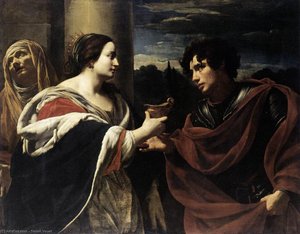
Simon Vouet's 1630 *Allegory of Wealth* is not merely a painting; it’s an immersive experience, a meticulously crafted tableau that speaks volumes about the values and aspirations of 17th-century France. Commissioned during a period of burgeoning royal power and opulent patronage, this work embodies the Baroque aesthetic's dramatic use of light, color, and symbolism to convey complex ideas – in this case, the multifaceted nature of prosperity. Vouet, a pivotal figure bridging the gap between Mannerism and the full force of the Baroque, masterfully employs his Italian training to create a scene that is both visually stunning and intellectually stimulating.
The painting depicts a serene yet undeniably lavish interior setting, dominated by a woman – clearly representing wealth itself – seated amidst an abundance of symbolic objects. She’s enveloped in a flowing gown of rich gold fabric, immediately establishing the central theme. Her gaze is fixed on two cherubic children, one reaching for her hand and the other presenting her with a small, ornate box—a potent symbol of inheritance and future prosperity. The composition isn't chaotic; rather, it’s carefully balanced, drawing the eye through a series of interconnected elements that reinforce the central message: wealth is not simply material possessions but also encompasses familial bonds and the promise of continuation.
The Language of Baroque Symbolism
Vouet’s genius lies in his ability to infuse everyday objects with profound meaning. Observe, for instance, the urns scattered across the floor – emblems of luxury and refinement. A partially open book suggests knowledge and wisdom, implying that true wealth extends beyond mere material gain. The laurel wreath adorning the woman's head signifies victory and honor, associating prosperity with achievement and status. Even the positioning of the cherubs is deliberate; their gestures and expressions subtly guide the viewer’s interpretation, reinforcing the painting’s allegorical narrative.
The use of light is particularly noteworthy. Vouet skillfully employs chiaroscuro – a dramatic contrast between light and shadow – to highlight key elements within the composition. The woman in gold is bathed in a warm, inviting glow, drawing attention to her as the focal point. Shadows subtly delineate the background, creating depth and enhancing the sense of grandeur. This masterful manipulation of light not only adds visual drama but also serves to elevate the subject matter, imbuing it with an aura of importance and timelessness.
A Window into 17th-Century France
*Allegory of Wealth* offers a fascinating glimpse into the social and cultural landscape of 17th-century France. During this era, the monarchy was actively promoting art as a means of projecting power and reinforcing its authority. Royal commissions like this one were intended to showcase the nation’s wealth, sophistication, and artistic prowess. Vouet's work reflects these ambitions, presenting an idealized vision of prosperity that resonated with the values of the court.
Furthermore, the painting speaks to a broader philosophical debate about the nature of wealth – its pursuit, its consequences, and its relationship to virtue. While material possessions are undeniably present, they’re presented within a context of familial love and intellectual pursuits, suggesting that true fulfillment lies not merely in accumulating riches but also in cultivating meaningful relationships and engaging with the world around us. It's a timeless message rendered with exquisite artistry.
Bringing *Allegory of Wealth* Home
OriginalUniqueArt offers meticulously crafted hand-painted reproductions of Simon Vouet’s *Allegory of Wealth*, allowing you to experience this Baroque masterpiece in stunning detail and vibrant color. Whether displayed in a grand salon or a cozy study, our reproductions capture the painting's dramatic atmosphere and profound symbolism with remarkable accuracy. Invest in a piece of art history – order your reproduction today and bring the elegance and wisdom of *Allegory of Wealth* into your home.
アーティストの略歴
シモン・ヴーエ:フランス・バロック絵画の先駆者
- 生没年: 1590年1月9日、フランス、パリ
- 没年: 1649年6月30日、フランス、パリ
シモン・ヴーエは、フランス絵画がマニエリスムからバロック様式へと移行する過程において極めて重要な人物でした。画家であった父ローランと芸術を志した兄オーバンという芸術家一家に生まれ、幼少期からの訓練が彼の将来の成功の礎を築きました。彼の孫であるルドヴィコ・ドリニーは、この家の芸術的な系譜を受け継ぐことになります。
初期のキャリアとイタリアの影響(1608年~1627年)
- 肖像画による出発: ヴーエは肖像画家としてキャリアをスタートさせ、早い段階からその才能を発揮しました。
- イングランドへの渡航(1608年): わずか14歳の若さでイングランドへ渡り、依頼された肖像画を描き、その芽生え始めた名声を世に示します。
- オスマン帝国とヴェネツィア: 1611年、ヴーエはオスマン帝国駐在のフランス大使バロン・ド・サンシーの随行員となり、再び肖像画制作のために旅に出ます。この旅路はコンスタンティノープルを通り、やがて1612年にヴェネツィアへと彼を導きました。
- ローマでの研鑽(1614年~1627年): ローマでの日々は彼の人生を変貌させました。彼はこの地に十三年間留まり、勃興しつつあったバロック期の活気に満ちた芸術の光景に身を浸したのです。
イタリア滞在中、ヴーエは多岐にわたる影響を吸収しました。彼はカラヴァッジョが切り開いた劇的な光の技法を研究し、イタリア・マニエリスムの要素を取り入れました。また、パオロ・ヴェロネーゼが用いた色彩パレットやdi sotto in su(下方から上方への遠近法)を丹念に分析しました。さらに、カラッチ、グエルチーノ、ランフランコ、グイド・レニらの作品からもインスピレーションを得て、これら多様な様式を独自の芸術的ビジョンへと昇華させていったのです。
ヴーエ独自の様式の確立
- サン・ルカ美術アカデミーへの選出(1624年): ローマでの成功は、彼が権威あるサン・ルカ美術アカデミーの会長に選出されるという形で結実し、イタリア美術界における彼の技量と評価を証明しました。
- 影響の統合: ヴーエの様式を特徴づけていたのは、様々な芸術的影響を受け入れ、それを精髄として抽出する能力でした。彼は単に模倣したのではなく、それらの要素を調和のとれた、紛れもなくイタリア的なバロック美学へと統合させたのです。
- フランスへのバロック様式の導入: 1627年にフランスへ帰国した後、ヴーエはイタリアのバロック様式をフランス絵画にもたらす上で決定的な役割を果たし、この国の芸術景観に大きな影響を与えました。
主要な功績と遺産
- 王宮首席画家: ヴーエはPremier peintre du Roi(国王首席画家)という、計り知れない威信と影響力を持つ地位に任命されました。
- 活発な工房の維持: 彼は大規模で活動的な工房を維持し、後の世代のフランス絵画の巨匠たちを育成しました。
- 著名な弟子たち: 最も影響力の大きかった弟子たちには、ヴェルサイユ宮殿の装飾絵画全般を組織したシャルル・ルブラン、ヴァランタン・ド・ブローニュ、シャルル=アルフォンス・デュフレノワ、ピエール・ミニャール、ユスタッシュ・ルシュール、クロード・メランらが名を連ねます。
- フランス美術への影響: ヴーエの影響は彼自身の作品に留まりませんでした。彼の弟子たちはその様式と技法をフランス全土に広め、独特のバロック絵画学派を確立しました。特にルイ14世が命じた壮大な装飾計画の中に、その影響は明白に見出されます。
歴史的意義
シモン・ヴーエの遺産は、イタリアとフランスという二つの芸術文化を結ぶ架け橋としての彼の役割に根ざしています。彼はイタリアバロックの持つ躍動感と壮大さを巧みに輸入し、それをフランス宮廷や貴族の嗜好に響く様式へと昇華させたのです。17世紀のフランス絵画の発展における彼の影響力は否定できず、その貢献は今日に至るまで美術史家たちから認められ続けています。

シモン・ヴーエ
1590 - 1649 , フランス
基本情報
- Artistic Movement Or Style: バロック絵画
- Artists Or Movements Influenced By This Artist:
- シャルル・ルブラン
- ヴァランタン・ド・ブローニュ
- フランスのバロック絵画
- Artists Who Influenced This Artist:
- カラヴァッジオ
- パオロ・ヴェロネーゼ
- カラッチ
- ゲルチーノ
- ランフランコ
- グイド・リニ
- Date Of Birth: 1590年1月9日
- Date Of Death: 1649年6月30日
- Full Name: シモン・ヴーエ
- Nationality: フランス人
- Place Of Birth: パリ、フランス
関連記事
Charles Le Brun: Master of French Baroque Classicism & His Enduring Legacy
Explore the life & art of Charles Le Brun, master of French Baroque Classicism. Discover his royal commissions, influence on Versailles, and enduring legacy through detailed analysis & stunning artworks.

The Dramatic Flourish: Exploring the Baroque Movement's Enduring Legacy in Art History
Explore the dramatic world of Baroque art! Discover iconic artists like Caravaggio & Rubens, defining techniques, and its lasting impact on art history. Expert insights for collectors & enthusiasts at OriginalUniqueArt.
Simon Vouet: A Baroque Master's Journey from Italian Influence to French Classicism
Explore the life & art of Simon Vouet, a pivotal French Baroque painter who introduced Italian styles to France. Discover his masterpieces and lasting influence on 17th-century art.

バロックのドラマ:現代のインテリアに壮麗さと情感を取り込む
バロック様式の歴史、絵画、家具の魅力をご紹介。OriginalUniqueArtでは、高品質な油絵複製やカスタムポートレートをご提供し、現代のインテリアに壮麗さと情感を取り入れます。アートコンサルテーションも承ります。

バロック美術を極めた至宝:時代を彩る10大名作の世界
バロック美術の華!カラヴァッジョ、ベルニーニら巨匠が創り上げた10大名作を徹底解剖。ドラマチックな色彩と豪華絢爛の世界観に触れ、至宝のアートプリントで空間を彩ろう。OriginalUniqueArt.comで美術館品質の複製と洗練されたインテリアを見つけましょう!