

 プレビュー
プレビュー
 シェアする
シェアする シェアする
シェアする
 詳細を見る
詳細を見る

 ダウンロード
 似ている作品
 X線調査
X線調査 スライドショー
 統計情報
統計情報花
 キャンバスに油彩
- ウォールアート
- Romanticism
 1856
1856- 19世紀
 47.0 x 38.0 cm
 エルミタージュ美術館
 詳細を見る
詳細を見る
ジークレー/アートプリント
迅速な制作と多彩な仕上げオプションを備えた、ミュージアムクオリティのジークレーまたはキャンバスプリント。 ( 手描きの絵画を購入 デジタル画像販売へ切り替え)




P118B $10

P118H $10

P118W $10

P438Z $10

P508JH $12

P508YH $12

P805H $10

P805Z $10

P919BZ $10

P919G $10

P919XJ $10

P959ZH $10

P968JZ $12

W106C $8

W218G $10

W218JH $8

W218Y $10

W307PJ $10

W316G $10

W316PJ $8

W316Y $10

W398PJ $8

W4111J $10

W500HY $15

W500JH $15

W692G $12

W849H $8

W940BG $15

W953PJ $8




作品のオリジナル比率に合わせた、当店の規定サイズからお選びください。

特定のフレームやスペースに合わせて、ご自身でサイズを指定することも可能です。選択されたサイズが元の画像の比率と一致しない場合、作品をトリミングするか、鏡面反射または単色での塗りつぶしによって画像を拡張いたします。制作を開始する前に、ご確認用のデジタルモックアップをお送りいたします。
画面上のプレビューには、実際のトリミングや拡張は反映されませんのでご注意ください。最終的な構図を正確に確認できるのは、モックアップのみとなります。
カスタムサイズも承っておりますが、元の比率を維持するためには、あらかじめ用意されたリストからサイズを選択することをお勧めいたします。


 ガラスオプションは、110cm未満のサイズでのみご利用いただけます。

花
ジークレー/アートプリント
複製画のサイズ
-


合計金額
$ 80
シモン・サン=ジャンの「花」:静寂と美しさの詩的な表現
シモン・サン=ジャン(1743年10月14日~1811年7月3日)はフランス美術史において独特の一人であり、植物画における卓越した技術は単なる正確さを超え、深い感情や哲学的な思索を伝える言語へと昇華させた画家である。彼の同時代の多くの芸術家が壮大な物語や理想化された風景に没頭していたのに対し、サン=ジャンはひたすらに花の繊細な美しさと微妙な複雑さを捉えようとし、それらを純粋さ、精神性、そして崇高といった価値観の象徴として表現した。この姿勢こそが彼の芸術的な個性であり、後の美術家たちに大きな影響を与えたと言えるだろう。 サン=ジャンはフランス・ミレリーで生まれ、幼少年に父親を亡くし、その経験が彼の世界観に深い傷跡を残した。彼は優れた絵を描く才能を有しており、リュオン大学の美術学院でピエール・ルヴォイルとアウグスチン・アレクサンドル・ティエリヤトの指導を受けた。この時期に彼は植物画の技術を習得し、特に花弁の質感や色彩表現において驚異的な精度を達成した。彼の作品は単なる観察記録ではなく、画家自身の感情や思想が込められた詩的な表現であると言えるだろう。 サン=ジャンの代表作「花」は、フランスロマン主義美術における重要な作品の一つとして認識されている。この絵画は、赤い花瓶に挿されたバラ、デイジー、カーネーションなどの様々な種類の花をモチーフにした静物画である。花瓶はテーブルの上に置かれ、周囲には黄色い花が散らばっている。サン=ジャンはこれらの花の色合いや配置を通じて、自然の美しさを表現しようとしただけでなく、人間の精神的な状態や感情を反映した作品を目指していた。彼は特にバラの花弁の繊細な襞や光沢を詳細に描き込み、その質感と色彩を最大限に活かしている。この技術は当時の画家たちにとって非常に困難であり、サン=ジャンのみがそれを習得できたと言えるだろう。 絵画技法としては、サン=ジャンは油彩技法を用い、キャンバスに薄く色を重ねて表現した。彼は特に光の反射や色の調和において優れた技術を持っており、花弁の質感と色彩を効果的に再現している。彼の作品は単なる美しい絵柄だけでなく、画家が花に対する深い愛情と感動を表現したものであると言えるだろう。サン=ジャンは彼の芸術的な才能と情熱を反映した傑作を生み出し、フランス美術史に永く記憶されることになった。この作品は現在、ヘミストリア美術館で展示されており、多くの人々から愛されている。 さらに、「花」というモチーフは、ロマン主義美術における重要なテーマとして認識されている。ロマン主義は理性的な合理主義に対する反発であり、感情や想像力を重視する芸術運動である。サン=ジャンはロマン主義の影響を受け、彼の作品に豊かな色彩と情感が込められている。彼は特にバラの花弁の繊細な襞や光沢を詳細に描き込み、その質感と色彩を最大限に活かしている。この技術は当時の画家たちにとって非常に困難であり、サン=ジャンのみがそれを習得できたと言えるだろう。彼の作品は単なる美しい絵柄だけでなく、画家が花に対する深い愛情と感動を表現したものであると言えるだろう。アーティストの略歴
The Poet of Flowers: The Ethereal World of Simon Saint Jean
In the grand tapestry of French art history, few threads are as delicate or as luminous as those woven by Simon Saint Jean. Born in Millery, France, in 1743, Saint Jean emerged not as a painter of sweeping historical dramas or turbulent landscapes, but as a master of the miniature soul. His life, though marked early on by the profound tragedy of his father's untimely death, became a testament to the beauty found in the quietest corners of nature. This early encounter with loss perhaps instilled in him a deep reverence for the ephemeral, leading him to dedicate his life to capturing the fleeting splendor of the botanical world—a pursuit that would eventually earn him the poetic moniker, The Poet of Flowers.
His artistic journey was shaped by the rigorous academic traditions of his era. Seeking to refine his innate talent for drawing, Saint Jean entered the École de beaux-arts de Lyon, where he studied under the esteemed masters Pierre Révoil and Augustin Alexandre Thierriat. From these mentors, he absorbed the precision of Neoclassical idealism, yet he possessed a spirit that leaned toward the burgeoning Romantic movement. This unique duality allowed him to marry scientific botanical accuracy with an unprecedented emotional depth. His work was never merely a record of species; it was an exploration of the spiritual essence residing within every petal and stem.
Luminosity and Technique: A Master of Translucent Light
To gaze upon a Saint Jean original is to witness a mastery of light that transcends the medium itself. While many of his contemporaries relied on heavy brushstrokes and dramatic chiaroscuro to command attention, Saint Jean moved in the opposite direction. He favored a technique defined by meticulous observation and the use of translucent watercolor washes. By layering thin, delicate pigments, he allowed light to pass through the paint and reflect off the surface, creating an internal glow that made his floral arrangements appear almost self-illuminated.
His compositions are characterized by a sense of weightless grace. He eschewed the cluttered, dense still lifes common in the Baroque tradition, opting instead for arrangements that breathed with space and air. This technique allowed him to capture the subtle complexities of texture—the velvety softness of a rose, the waxy sheen of a lily, or the fragile transparency of a petal. Through this method, he transformed botanical illustration into a high art form, where the subject matter served as an emblem of virtue, spirituality, and the sublime beauty of the natural order.
Legacy and Historical Significance
The reach of Saint Jean’s influence extended far beyond the studios of Lyon, finding resonance within the highest echelons of French society. His ability to imbue nature with moral and religious symbolism caught the attention of significant patrons, most notably Louis XVIII, who commissioned a monumental watercolor of lilies for the church of Sainte-Marie-Madeleine. Such works solidified his reputation as an artist capable of expressing the divine through the earthly.
Even figures as controversial as the Marquis de Sade found a connection to his art, recognizing in Saint Jean’s delicate compositions a profound sense of contemplation and purity. His historical significance lies in this ability to bridge the gap between the scientific and the sentimental. As the centuries progressed, his work remained a vital link between the structured elegance of the 18th century and the emotive freedom of Romanticism. Today, the legacy of Simon Saint Jean lives on through his captivating floral still lifes, which continue to offer viewers a sanctuary of peace and a profound meditation on the fleeting beauty of life.

simon saint jean
1743 - 1811 , France
基本情報
- Artistic Movement Or Style: Court Memoirs
- Artists Or Movements Influenced By This Artist: ['Charles François de Rouvroy']
- Artists Who Influenced This Artist: ['Claude de Rouvroy, comte de Rasse']
- Date Of Birth: 16 January 1675
- Date Of Death: 2 March 1755
- Full Name: Louis de Rouvroy, duc de Saint-Simon
- Nationality: French
- Notable Artworks: ['']
- Place Of Birth: Paris, France
関連記事
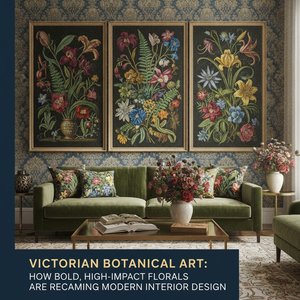
Victorian Botanical Art: How Bold, High-Impact Florals are Reclaiming Modern Interior Design
Discover how Victorian botanical art is transforming modern spaces. Explore high-impact floral aesthetics, from Marianne North's tropical drama to bold, hand-painted reproductions that bring vintage scientific beauty into contemporary urban design.

The Flourishing Canvas: A Historical Journey Through Botanical Illustration
Explore the captivating history of botanical illustration! Discover renowned artists like Robert Havell & Mary Walcott, learn about techniques, and find museum-quality art at OriginalUniqueArt.com.
The Flourishing Canvas: A Historical Journey Through Botanical Illustration
Explore the captivating history of botanical illustration! Discover renowned artists like Robert Havell & Mary Walcott, learn about techniques, and find museum-quality art at OriginalUniqueArt.com.
The Flourishing Canvas: A Historical & Artistic Exploration of Botanical Illustration
Explore the rich history of botanical illustration! Discover key artists like Havell & Barraband, learn about scientific accuracy & aesthetic beauty. Shop museum-quality reproductions at OriginalUniqueArt.

Victorian Botanical Painting: Science, Art & Aesthetic Sensibility
Explore the exquisite world of Victorian botanical art! Discover the science & artistry behind stunning floral illustrations by Gould, Muckley & more. Learn about collecting, value & investment at OriginalUniqueArt.
