

 設置イメージを確認
 送る
送る シェア
シェア
 詳細情報
詳細情報 ガイドを表示

 画像をダウンロード
 似ている作品
 X線調査
X線調査 スライドショー
 統計情報
統計情報Seashore
 Oil On Panel
- Dutch Golden Age
 1630
1630- Renaissance
 38.0 x 39.0 cm
 エルミタージュ美術館
 続きを読む
続きを読む
手描き油彩複製画
当社のアーティストが、お客様のご希望のサイズと額縁に合わせて、キャンバスに手描きで制作する油彩画です。 ( プリント版に切り替え デジタル画像販売へ切り替え)




P118B ¥10

P118H ¥10

P118W ¥10

P438Z ¥10

P508JH ¥12

P508YH ¥12

P805H ¥10

P805Z ¥10

P919BZ ¥10

P919G ¥10

P919XJ ¥10

P959ZH ¥10

P968JZ ¥12

W106C ¥8

W218G ¥10

W218JH ¥8

W218Y ¥10

W307PJ ¥10

W316G ¥10

W316PJ ¥8

W316Y ¥10

W398PJ ¥8

W4111J ¥10

W500HY ¥15

W500JH ¥15

W692G ¥12

W849H ¥8

W940BG ¥15

W953PJ ¥8




作品のオリジナル比率に合わせた、当店の規定サイズからお選びください。

フレームや壁のスペースに合わせて、ご希望の幅と高さを入力してください。本作品は手描きのため、異なる比率のサイズをご希望の場合、絵画の周囲を少し広げて描くか、あるいは端を少しカットして調整することが可能です。お客様のご要望に合わせます。制作を開始する前に、仕上がりを確認するためのデジタルモックアップをお送りいたします。このページに表示されている画像は完成品の実物ではなく、あくまでモックアップによるイメージです。
ご注文後、OriginalUniqueArt.com チームより詳細な指示をお送りするとともに、仕上がりイメージ(モックアップ)をご提供いたします。


 ガラスオプションは、110cm未満のサイズでのみご利用いただけます。

Seashore
再現技法
複製画サイズ一覧
-


合計金額
¥ 47606
A Moment Frozen in Time: Deconstructing “Seashore”
Simon de Vlieger’s “Seashore,” painted around 1630, isn't merely a depiction of a coastal scene; it’s a meticulously crafted window into the Dutch Golden Age. This oil-on-panel masterpiece captures a fleeting moment along the North Sea coast, imbued with a palpable sense of both tranquility and latent energy. The painting immediately draws the eye to a small, bustling harbor – a microcosm of maritime activity—where several ships are anchored amidst a flurry of smaller boats engaged in fishing and unloading their catch. These vessels, rendered with astonishing detail in de Vlieger’s signature style, speak volumes about the economic importance of the sea to the burgeoning Dutch Republic.
However, the true heart of “Seashore” lies not solely in its harbor scene but in the foreground. Here, a group of figures—men and women alike—are immersed in everyday coastal life. Some are actively engaged in fishing, their movements suggesting both labor and leisure; others appear to be simply enjoying the sun-drenched beach, perhaps families seeking respite from domestic duties. The clothing worn by these individuals – ruffs, lace collars, and modest fabrics – provides a clear indication of their social standing, hinting at a prosperity that underpinned the Dutch economic miracle. De Vlieger’s skill isn't just in capturing likenesses; he subtly conveys character and atmosphere through posture, gesture, and expression.
The Realism of the Golden Age
De Vlieger’s approach to marine painting represented a significant departure from the monochrome style favored by earlier artists like Jan Porcellis and Willem van de Velde the Elder. He embraced a more nuanced use of color, employing subtle gradations of blues, grays, and browns to create a remarkably realistic portrayal of light and shadow on water and sky. The artist’s attention to detail is breathtaking – from the intricate rigging of the ships to the individual folds in the clothing—demonstrating a deep understanding of maritime construction and human anatomy. This commitment to accuracy was not merely aesthetic; it reflected a growing interest in scientific observation and empirical knowledge that characterized the Dutch Golden Age.
Furthermore, de Vlieger’s work moved beyond simple depictions of ships at sea. He skillfully integrated elements of landscape painting, creating a cohesive composition that seamlessly blends maritime activity with the natural environment. The cloudy sky, rendered with a sense of depth and movement, adds to the overall atmosphere of the scene, suggesting an impending storm or simply the changeable nature of coastal weather. This integration of subject matter—the sea, ships, and human life—was a hallmark of de Vlieger’s style and contributed significantly to his reputation as one of the most accomplished maritime painters of his time.
Symbolism and Emotional Resonance
Beyond its technical merits, “Seashore” resonates with viewers on an emotional level. The painting evokes a sense of nostalgia for a simpler time, a connection to the rhythms of nature, and a contemplation of human existence. The figures in the foreground are not merely subjects; they represent a microcosm of Dutch society—a community bound together by their shared relationship with the sea. The scene’s tranquility is subtly undercut by the presence of the ships, reminding us of the constant interplay between prosperity and uncertainty that defined the era.
The painting's composition, with its balanced arrangement of figures and elements, creates a sense of harmony and stability. Yet, there’s also an underlying tension—a suggestion of movement and change—that keeps the viewer engaged. “Seashore” is not just a beautiful image; it’s a powerful testament to de Vlieger's artistic skill and his ability to capture the essence of a bygone era. It remains a captivating work, inviting us to lose ourselves in its details and contemplate the enduring allure of the sea.
よくあるご質問
「Seashore」の技法とサイズを教えてください。
原画のシモン・デ・フリーガー作「Seashore」は、サイズ38 x 39 cmのOil On Panelによる作品です。技法およびサイズは原画の仕様を表しています。
「Seashore」は、シモン・デ・フリーガーのキャリアにおけるどの時期の作品でしょうか?
シモン・デ・フリーガーの画業において、「Seashore」はMature Periodに制作されたものです。この時期を知ることで、同アーティストの他の作品との比較検討が可能になります。
Dutch Golden Ageの作品「Seashore」は、どのような感情を伝えていますか?
「Seashore」は、Dutch Golden Ageのムーブメントにおいて、Reflectiveな情緒を湛えています。
アーティストについて
オランダ黄金時代における黎明期と修行の日々
1601年頃、ロッテルダムに生を受けたサイモン・デ・フリーガーは、かつてない繁栄、海上支配、そして芸術の開花が頂点に達した「オランダ黄金時代」の中にその姿を現しました。彼がどのような修行を積んだのか、具体的な詳細は謎に包まれていますが、故郷の活気あふれる環境の中でその芸術的旅路が始まったことは間違いありません。賑わいを見せる港町は、駆け出しの画家にとって抗いがたい魅力を持つ主題、すなわち「船」を目の前に提示していました。風俗画や肖像画へと技を広げた多くの画家たちとは異なり、デ・フプリガーは比較的若い頃から海とその船という海洋主題にほぼ専念していたようです。そこには、海とそこに浮かぶ帆船に対する、幼少期からの深い情熱が伺えます。
彼の初期のスタイルは、おそらくヤン・ポルセリスのような、劇的で荒れ狂う海を描いた先達の海洋画家たちからインスピレーションを得ていたのでしょう。しかし、デ・フリーガーはすぐに独自の地位を確立し始めます。彼は先人たちが好んだ単色に近い落ち着いたパレットから脱却を図りました。水面に反射する光の正確な表現や、船の構造における緻密な細部を描き出すために、より高い次元のリアリズムと輝き(ルミノシティ)を追求したのです。
デルフトからアムステルダムへ、航海するキャリア
デ・フリーガーのキャリアは、オランダの主要な都市を巡りながら展開され、その一つひとつの場所が彼の芸術的発展に寄与しました。1627年、彼はアンナ・ゲリディッツ・ファン・ウィリヘと結婚し、この結びつきが、彼が職業画家として地位を築いていく上での安定をもたらしました。1634年にはデルフトの聖ルカ・ギルドに入会しており、これは彼が確立された芸術コミュニティの一員として認められたことを意味しています。この時期、彼は技術を研ぎ澄ませ、オランダの海洋生活の本質を捉える画家としての名声を高めていきました。
1638年頃、デ・フリーガーはオランダの芸術市場の中心であり、造船と貿易の重要拠点であったアムステルダムへと移り住みます。ここでの出会いは、より広い観衆とさらなる機会を彼にもたらしました。1650年にアムステルダム近郊の小さな町ヴェースに定住するまで、彼はロッテルダムにも拠点を置いていましたが、実質的な活動の基盤はアムステルダムとなりました。この時期こそが、デ・フリーガーがその時代の海洋画家を代表する巨匠としての地位を真に固めた時代だったのです。
革新と芸術的スタイル
デ・フリーガーの芸術的な革新性は、細部への細心の注意と、卓越した色彩感覚にありました。彼は単に海に浮かぶ船を描くだけに留まりませんでした。彼は、波しぶき、帆に反射する陽光の煌めき、そして複雑に絡み合う索具(リギング)といった、まさに「水上にいるという感覚」そのものを捉えようとしたのです。彼の作品は、造船技術への深い理解を反映した、極めて詳細な船の構造描写によって特徴づけられています。
彼は単なる船の記録者ではなく、海洋生活の解釈者でした。港に停泊する船、穏やかな海を行く船、そして猛烈な嵐に翻弄される船――それらあらゆる情景をキャンバスに刻みました。特に彼の嵐の海景画は、自然の圧倒的な力と、それに立ち向かう人間の営みの脆さを同時に伝えてくる、抗いがたい説得力を持っています。また、絵画の枠を超え、タペストリーやエッチングの設計、さらにはアムステルダムのニュー・カーク(新教会)のためのステンドグラスや、ロッテルダムの聖ローレンス教会のためのオルガン・スクリーンを手がけるなど、その多才さは驚くべきものでした。
海洋絵画への遺産と影響
サイモン・デ・フリーガーが後世の海洋画家たちに与えた影響は、計り知れないほど深いものでした。彼はウィレム・ファン・デ・フェルデ(子)、アドリアーン・ファン・デ・フェルデ、ヤン・ファン・デル・カッペレといった数々の弟子を育て上げ、彼らもまた、それぞれが独自の輝かしい名声を得ることとなりました。特にファン・デル・カッペレは師であるデ・フリーガーを至高の存在として敬い、その真筆を9点、版画を1300点以上も所有していたといいます。
1653年にデ・フリーガーが世を去った後も、彼の作品は流通し続け、人々にインスピレーションを与え続けました。彼のスタジオには数多くの未完成作品が残されており、それは当時の人々がいかに彼の芸術を渇望していたかの証左でもあります。例えば、漁師たちが岸に網を引き上げる様子を描いたある作品は、ファン・デル・カッペレによってシモン・ファン・デル・ステルスの妻ジョアンナ・シックスへと売却され、喜望峰へと運ばれました。そしてヴァン・デル・ステル家の領地であるグルート・コンスタンシアに飾られたのです。この出来事は、デ・フリーガーの作品が持つ永続的な魅力と、当時のオランダの植民地拡大という大きな歴史の流れとの繋がりを物語っています。
デ・フリーガーの遺産は、単なる技術的な卓越性に留まりません。彼はオランダという国家のアイデンティティの核心――すなわち「海との関係性」を見事に捉えたのです。彼の絵画は、単に美しい船の描写ではありません。それは貿易、探検、そして人間と自然が絶え間なく交錯する世界へと通じる窓なのです。リアリズム、光の輝き、そしてオランダ黄金時代の精神を呼び起こす不朽の力を持つ彼は、海洋美術史における極めて重要な人物として、今なお燦然と輝き続けています。

シモン・デ・フリーガー
1601 - 1653 , オランダ
アーティスト情報
- Artistic Movement Or Style: バロック
- Artists Or Movements Influenced By This Artist: ['知られているものなし']
- Artists Who Influenced This Artist:
- グエルチーノ
- グイド・レニー
- Date Of Birth: 1601年
- Date Of Death: 1663年
- Full Name: グイド・カニャッチ
- Nationality: イタリア
- Notable Artworks:
- 悔悛するマグダラのマリア
- 様々な宗教画
- Place Of Birth: サンタルカンジェロ、ロマーニャ
関連記事

Willem van de Velde the Elder: Master of Maritime Painting & Chronicler of the Dutch Golden Age
Discover the captivating maritime paintings of Willem van de Velde the Elder, a master chronicler of the Dutch Golden Age. Explore his unparalleled realism and lasting influence on naval art history.

ゴヤ傑作25選:スペインの魂を揺さぶる、深遠な芸術の世界 | OriginalUniqueArt
ゴヤ傑作25選:ロマン主義を代表するスペインの巨匠、フランシスコ・デ・ゴヤの世界へ。黒衣の女からマハまで、魂を揺さぶる絵画の物語と技法を紐解きます。OriginalUniqueArtで高品質なアートレプリカを見つけ、インテリアに深みと風格を。今すぐコレクションをご覧ください。
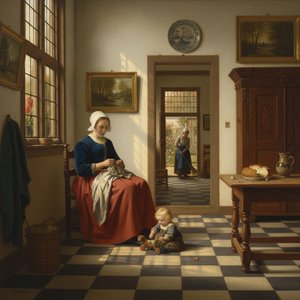
Pieter de Hooch: Illuminating Dutch Domestic Life & Golden Age Charm
Explore the captivating world of Pieter de Hooch, a master of Dutch Golden Age painting. Discover his innovative use of light, intimate domestic scenes, and lasting influence on art history. Learn more at OriginalUniqueArt.
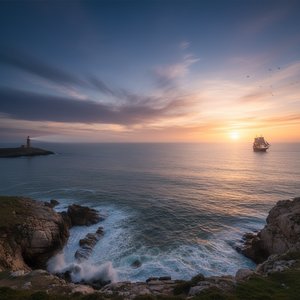
The Allure of the Horizon: A Comprehensive Exploration of Seascape Art Through History & Emotion
Explore the captivating world of seascape art! Discover its history, key artists & movements – from Dutch Masters to Impressionism. Expert insights for collectors and enthusiasts at OriginalUniqueArt.
