

 設置イメージを確認
 送る
送る シェア
シェア
 詳細情報
詳細情報 ガイドを表示

 画像をダウンロード
 似ている作品
 X線調査
X線調査 スライドショー
 統計情報
統計情報Grass and Insects


 続きを読む
続きを読む
ジークレー/アートプリント
スピーディーな制作と多彩な仕上げオプションが魅力の、ミュージアムクオリティなジークレー・キャンバスプリント。 ( 手描きの複製画を注文する デジタル画像販売へ切り替え)




P118B ¥10

P118H ¥10

P118W ¥10

P438Z ¥10

P508JH ¥12

P508YH ¥12

P805H ¥10

P805Z ¥10

P919BZ ¥10

P919G ¥10

P919XJ ¥10

P959ZH ¥10

P968JZ ¥12

W106C ¥8

W218G ¥10

W218JH ¥8

W218Y ¥10

W307PJ ¥10

W316G ¥10

W316PJ ¥8

W316Y ¥10

W398PJ ¥8

W4111J ¥10

W500HY ¥15

W500JH ¥15

W692G ¥12

W849H ¥8

W940BG ¥15

W953PJ ¥8




作品のオリジナル比率に合わせた、当店の規定サイズからお選びください。

額縁や壁のスペースに合わせて、ご希望の幅と高さを入力してください。プリントはカットすることは可能ですが、元の画像より大きくすることはできないため、異なる比率のサイズを選択された場合は、画像の一部が欠けることになります。印刷を開始する前に、内容を確認していただくためのデジタルモックアップをお送りいたします。このページに表示されている画像は、実際のカット後の状態を示すものではありません。実際の仕上がりはモックアップにてご確認ください。


 ガラスオプションは、110cm未満のサイズでのみご利用いただけます。

Grass and Insects
ジークレー/アートプリント
複製画サイズ一覧
-


合計金額
¥ 12596
Shin Saimdang’s “Grass and Insects”: A Symphony of Color and Quiet Observation
Shin Saimdang (1504–1551), a trailblazing female artist in Joseon dynasty Korea, stands as an emblem of intellectual curiosity and artistic prowess—a woman who defied societal constraints to pursue her passions for poetry, calligraphy, and painting. Her legacy resides not merely in the exquisite beauty of her artwork but also in its profound reflection of the era’s cultural values and philosophical ideals. This examination delves into “Grass and Insects,” one of her most celebrated panels from a monumental ten-panel folding screen—a masterpiece that encapsulates Saimdang's distinctive artistic vision and offers invaluable insight into Korean art history.A Window Into Joseon Aesthetic Principles
“Grass and Insects” exemplifies the dominant aesthetic sensibilities of the late 16th century, characterized by meticulous detail, harmonious color palettes, and a reverence for nature’s subtle grandeur. The screen embodies Neo-Confucian ideals—a belief system that prioritized moral cultivation alongside intellectual pursuits—reflected in Saimdang's careful composition and her masterful execution of brushstrokes. Unlike Western art traditions focused on dramatic narratives or idealized figures, Korean painting during this period favored contemplative scenes depicting landscapes and flora, intended to inspire serenity and contemplation. The screen’s overall design adheres to the principles of “Yonghwa,” meaning “harmonious beauty”—a concept central to Joseon artistic philosophy that sought to achieve balance between form and content.Technique and Material Considerations
Saimdang employed a technique rooted in meticulous observation and painstaking layering—a hallmark of Korean painting at the time. Using mineral pigments mixed with animal glue, she achieved remarkable luminosity and vibrancy, capturing the delicate textures of grass blades and the iridescent sheen of insects’ wings. The screen's surface is covered with thin layers of lacquer, providing protection while enhancing the colors and creating a tactile experience for the viewer. Furthermore, Saimdang skillfully utilized “Ma,” or negative space—a technique that deliberately leaves areas unfilled to create visual balance and emphasize the subject matter—demonstrating an understanding of compositional principles that transcended mere representation. The careful blending of pigments and meticulous brushwork contribute to the screen’s enduring beauty and artistic significance.Symbolism: Echoes of Confucian Thought
Beyond its technical brilliance, “Grass and Insects” resonates with deeper symbolic meanings rooted in Confucian cosmology—a worldview that viewed humanity as intrinsically linked to the natural world. The depiction of various insects—including beetles, dragonflies, cicadas, and moths—represents transformation and renewal—themes central to Confucian teachings concerning reincarnation and moral progress. Similarly, the inclusion of flowers like hibiscus, poppies, and lilies symbolizes purity and virtue—values upheld by Joseon society as markers of moral excellence. The meticulous rendering of grass blades underscores the importance of simplicity and humility—qualities considered essential for achieving inner harmony and cultivating compassion.Emotional Resonance: A Moment Frozen in Time
“Grass and Insects” transcends mere visual representation; it evokes a profound emotional response—a feeling of tranquility and appreciation for the beauty of the natural world. The screen’s muted color palette—dominated by greens, blues, and reds—creates an atmosphere of serenity and contemplation—inviting viewers to pause and reflect on the passage of time. Saimdang's masterful brushwork conveys a sense of quiet observation—capturing not just what is seen but also what is felt—a testament to her artistic sensitivity and her ability to communicate complex ideas through subtle visual cues. Viewing this artwork inspires contemplation about the interconnectedness of humanity and nature, reminding us of the enduring power of art to elevate our spirits and enrich our understanding of the human experience.Concluding Remarks: An Artistic Legacy Enduring Through Centuries
Shin Saimdang’s “Grass and Insects” remains a cornerstone of Korean art history—a testament to her artistic genius and her unwavering commitment to intellectual pursuits. Its harmonious composition, masterful technique, and evocative symbolism continue to captivate audiences today—serving as an enduring reminder of Joseon dynasty Korea's aesthetic ideals and its profound appreciation for the natural world. The screen’s legacy extends beyond its visual splendor; it embodies a spirit of contemplation and moral cultivation—values that resonate powerfully across cultures and generations—solidifying Saimdang’s place as one of Korea’s most celebrated artists and an inspiration to aspiring creatives everywhere.よくあるご質問
慎斎堂による「Grass and Insects」は、どの程度知られていますか?
慎斎堂作「Grass and Insects」の記録されている人気度はRecognizedです。
慎斎堂作「Grass and Insects」は、何年に制作されましたか?
慎斎堂作「Grass and Insects」は1500年に制作されました。
慎斎堂作「Grass and Insects」の画像は自由に複製できますか?
慎斎堂作「Grass and Insects」はパブリックドメイン(著作権消滅)です。このステータスは、作品の画像の複製方法を規定するものです。
アーティストについて
朝鮮王朝における先駆的な女性芸術家
シン・サイムダンは、韓国が生んだ多才な芸術家であり、朝鮮王朝時代にその名を刻み、韓国美術史に消えることのない足跡を残しました。1504年10月29日、江原道江陵にて生を受けた彼女は、単なる画家にとどまらず、文筆家、書家、そして詩人としてもその才能を遺しました。幼少期と芸術への目覚め
シン・サイムダンの芸術的才覚は、幼い頃から周囲を驚かせるものでした。わずか7歳にして、朝鮮王朝の著名な画家である安堅の画風を模倣していたといいます。彼女が生まれ育った場所であり、母方の実家でもある「オジュクホン」は、今なお当時の面影を留め、大切に保存されています。芸術的貢献とその様式
繊細な筆致と鮮やかな色彩を特徴とするシン・サイムダンの絵画は、十枚のパネルからなる屏風の一部として存在しています。彼女の代表作である「草花と昆虫」には、スイカ、ナス、ポピー、ハイビスカス、そして多様な昆虫といった自然界の主題が豊かに描かれています。これらの傑作は、韓国ソウルにある国立中央博物館に収蔵されており、時代を超えて多くの芸術愛好家にインスピレーションを与え続けています。- OriginalUniqueArtでシン・サイムダンの作品を鑑賞する: https://OriginalUniqueArt.com/@/shin-saimdang
- 国立中央博物館のコレクションを探る: /en/art/show/national-museum-of-korea-seoul/
- 朝鮮王朝の芸術運動についてさらに詳しく知る: 朝鮮王朝の芸術運動
遺産と影響力
シン・サイムダンの遺産は、彼女の作品という枠組みを遥かに超えて広がっています。彼女は朝鮮王朝の著名な学者であり政治家でもあった- 「草花と昆虫」(韓国、ソウル、国立中央博物館)
- 繊細な筆致と鮮明で鮮やかな色彩を特徴とする、十枚のパネルからなる屏風のその他の注目すべき作品群
- 安堅(朝鮮王朝初期のもう一人の著名な韓国画家)

慎斎堂
1504 - 1551 , 韓国
アーティスト情報
- Artistic Movement Or Style: 朝鮮王朝美術
- Artists Or Movements Influenced By This Artist: 朝鮮王朝美術
- Artists Who Influenced This Artist: 安堅
- Date Of Birth: 1504年10月29日
- Date Of Death: 1551年
- Full Name: 慎斎明
- Nationality: 韓国
- Notable Artworks: ['草虫図']
- Place Of Birth: 韓国、江陵
関連記事
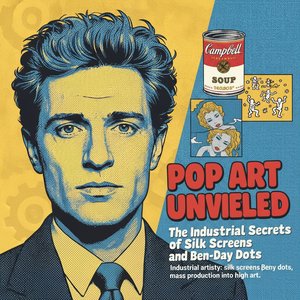
Pop Art Unveiled: The Industrial Secrets of Silk Screens and Ben-Day Dots
Explore the industrial artistry of Pop Art. Delve into the sophisticated history of Ben-Day dots and silk screen techniques that transformed mass media into high art, perfect for discerning collectors seeking deep historical insight and aesthetic excellence.
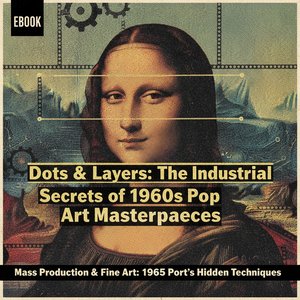
Dots & Screens: The Industrial Secrets Behind 1960s Pop Art Masterpieces
Explore the industrial secrets of 1960s Pop Art. Discover how Ben-Day dots and silk screening transformed mass media into masterpieces by Roy Lichtenstein. An in-depth look at the intersection of mechanical printing and fine art history for students and collectors.

Beyond the Screen: Transforming Personal Memories into Timeless AI-Driven Anime Masterpieces
Experience the magic of digital metamorphosis. Transform your cherished photos into stunning, hand-painted anime masterpieces using our proprietary AI technology and professional artists. Elevate your personal story with a timeless, high-quality oil painting on canvas.
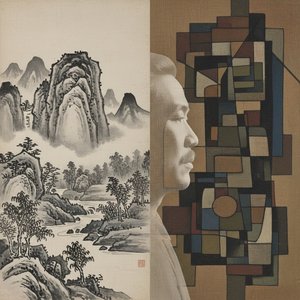
Yi Eungro: Bridging East & West in the Landscape of Korean Modernism
Explore the captivating world of Yi Eungro (Lee Ungno), a pivotal figure in Korean modernism. Discover his unique fusion of Eastern and Western artistic traditions, abstract masterpieces, and lasting legacy. A must-read for discerning art collectors.
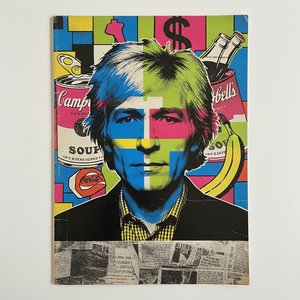
Andy Warhol: Deconstructing Pop Culture & Redefining Artistic Expression
Explore the revolutionary art of Andy Warhol & the Pop Art movement. Discover his iconic techniques, cultural impact, and investment potential. A guide for discerning collectors.