

 プレビュー
プレビュー
 シェアする
シェアする シェアする
シェアする
 詳細を見る
詳細を見る

 ダウンロード
 似ている作品
 X線調査
X線調査 スライドショー
 統計情報
統計情報Death of Dido
 Oil On Canvas
- WallArt
- Baroque
 1637
1637 159.0 x 137.0 cm
 エルミタージュ美術館
 詳細を見る
詳細を見る
ジークレー/アートプリント
迅速な制作と多彩な仕上げオプションを備えた、ミュージアムクオリティのジークレーまたはキャンバスプリント。 ( 手描きの絵画を購入 デジタル画像販売へ切り替え)




P118B $10

P118H $10

P118W $10

P438Z $10

P508JH $12

P508YH $12

P805H $10

P805Z $10

P919BZ $10

P919G $10

P919XJ $10

P959ZH $10

P968JZ $12

W106C $8

W218G $10

W218JH $8

W218Y $10

W307PJ $10

W316G $10

W316PJ $8

W316Y $10

W398PJ $8

W4111J $10

W500HY $15

W500JH $15

W692G $12

W849H $8

W940BG $15

W953PJ $8




作品のオリジナル比率に合わせた、当店の規定サイズからお選びください。

特定のフレームやスペースに合わせて、ご自身でサイズを指定することも可能です。選択されたサイズが元の画像の比率と一致しない場合、作品をトリミングするか、鏡面反射または単色での塗りつぶしによって画像を拡張いたします。制作を開始する前に、ご確認用のデジタルモックアップをお送りいたします。
画面上のプレビューには、実際のトリミングや拡張は反映されませんのでご注意ください。最終的な構図を正確に確認できるのは、モックアップのみとなります。
カスタムサイズも承っておりますが、元の比率を維持するためには、あらかじめ用意されたリストからサイズを選択することをお勧めいたします。


 ガラスオプションは、110cm未満のサイズでのみご利用いただけます。

Death of Dido
ジークレー/アートプリント
複製画のサイズ
-


合計金額
$ 80
The Tragic Beauty of "Death of Dido": A Baroque Masterpiece
Sébastien Bourdon’s “Death of Dido,” painted in 1637, is not merely a depiction of a legendary queen's demise; it’s a profound exploration of grief, betrayal, and the immutable power of fate. This monumental oil on canvas, measuring an impressive 159 x 137 cm, resides within the State Hermitage Museum in St. Petersburg, a testament to its enduring artistic merit. Bourdon, a pivotal figure in the Baroque movement, masterfully captures the raw emotion of this poignant scene drawn from Virgil’s epic poem, the Aeneid, transforming a classical narrative into a deeply resonant visual experience.
The composition immediately commands attention. Dido, draped in a flowing blue gown, lies supine on her bed, a sword poised delicately in her hand – an instrument of both destruction and liberation. Her face, etched with sorrow and defiance, is turned towards the departing ships of Aeneas, symbolizing the irrevocable loss of love and the end of her reign. Around her, a carefully orchestrated group of mourners—servants, women, and even a partially visible figure presumed to be her brother Acerbas – react with varying degrees of grief and shock. The scene is bathed in a dramatic chiaroscuro, characteristic of Bourdon’s style and deeply influenced by the Venetian masters he admired during his time in Rome. Light streams dramatically from an unseen source, highlighting Dido's form while casting deep shadows across the room, intensifying the sense of tragedy and despair.
A Story of Betrayal and Divine Intervention
The narrative itself is steeped in myth and heartbreak. Dido, a Phoenician princess, founded Carthage after fleeing persecution in Tyre. She fell passionately in love with Aeneas, a Trojan prince destined to found Rome. However, fate intervened – or so it seemed – as Aeneas was compelled by the gods to fulfill his destiny and leave her behind. The painting vividly portrays this moment of agonizing separation, capturing the devastating consequences of divine decree and human ambition. The inclusion of Mercury, the messenger god, subtly alluded to in the composition through a glimpse of his winged sandals amongst the departing ships, reinforces the notion that Dido’s fate was predetermined.
Bourdon's artistic choices are laden with symbolic meaning. The two vases positioned strategically within the scene – one on the left and another on the right – aren’t simply decorative elements; they likely represent offerings to the gods, acknowledging the role of divine forces in shaping Dido’s tragic end. The stark contrast between the vibrant colors of her gown and the muted tones of the surrounding figures further emphasizes her isolation and vulnerability. The overall effect is a powerful meditation on loss, duty, and the inescapable nature of destiny.
Bourdon's Baroque Vision
Sébastien Bourdon’s artistic journey was profoundly shaped by his time in Rome, where he encountered the revolutionary techniques of Caravaggio. Bourdon expertly employed *tenebrism*, a dramatic use of light and shadow, to create an atmosphere of intense emotionality. This technique, combined with his masterful rendering of textures – from the flowing fabric of Dido’s gown to the rough stone of the room – imbues the painting with remarkable realism and immediacy. His brushwork is loose and expressive, conveying a sense of urgency and movement that mirrors the drama unfolding within the scene.
Furthermore, Bourdon's understanding of classical composition—inherited from his training in France—is evident in the carefully balanced arrangement of figures and objects. The pyramidal structure of the composition draws the viewer’s eye towards Dido’s central form, while the diagonal lines created by the departing ships and her outstretched hand contribute to a dynamic sense of movement and instability. This masterful blend of classical principles and Baroque dynamism is what elevates “Death of Dido” beyond a simple historical depiction into a timeless work of art.
A Legacy of Dramatic Emotion
“Death of Dido” remains a compelling example of the emotional intensity that characterized the Baroque period. Bourdon’s ability to translate a complex mythological narrative into a visually arresting and emotionally resonant image is truly remarkable. The painting continues to captivate viewers with its depiction of profound sorrow, betrayal, and the enduring power of love—a testament to the artist's skill and the timelessness of the story he so powerfully portrays. Reproductions of this masterpiece offer an opportunity to experience the drama and beauty of Bourdon’s vision in a way that transcends time and space.
アーティストの略歴
光と多才さの巨匠:セバスチャン・ブルドンの生涯
セバスチャン・ブルドン(1616–1671)は、17世紀フランス・バロック期において、最も魅惑的で多面的な才能を備えた人物の一人であり続けています。モンペリエのプロテスタントの芸術家一家に生まれた彼の幼少期は、南フランスの活気に満ちながらも、時に激動を見せる芸術的伝統によって形作られました。若き徒弟から王立絵画彫刻アカデミーの創設メンバーへと至る彼の歩みは、深く、絶え間なく探求を続ける知性と、ヨーロッパの様式的な潮流を吸収する比類なき能力の証といえるでしょう。パリでの初期修行を経て、ブルドンの道はボルドーやトゥールーズを通り、やがて大陸の精神的・芸術的な中心地であるローマへと彼を導きました。イタリアにおいて、彼の才能は真に燃え上がったのです。カラヴァッジョ、ニコラ・プッサン、そしてクロード・ロランといった巨匠たちの作品に没頭したこの時期が、彼に独自の視覚言語をもたらしました。それは、カラヴァッジョ派の荒々しく劇的なリアリズムから、ヴェネツィア派の光り輝く古典的な優雅さまでを自在に行き来できる、類まれな表現力でした。様式と技法の進化
ブルドンの作品群を真に際立たせているのは、驚くべき様式の流動性です。この性質は、当時の人々から称賛を受けることもあれば、時に批判の対象となることもありました。彼の芸術的発展は、ヨーロッパのさまざまな伝統との変革的な出会いによって刻まれてきました。特にヴェネツィアへの重要な訪問を経て、彼のパレットは劇的な変貌を遂げました。初期の修行で培われた強烈なコントラストは、ヴェネツィアの巨匠たちに触発された、より豊かで情緒的な色彩表現へと昇華されたのです。この進化によって、彼は異なるジャンル間を巧みに渡り歩くことが可能となりました。肖像画においては、しばしばルーベンス風の手法を採用したり、あるいは『伯爵夫人エッバ・スパレ』に見られるような、人物の心理的な深みと気品を捉えた親密な胸像の構図を好んだりしました。その一方で、宗教画においては劇的な明暗法(キアロスクーロ)を駆使して精神的な畏怖を呼び起こし、その極致はノートルダム大聖堂のために制作された記念碑的な傑作、『聖ペテロの磔刑』に鮮やかに示されています。遺産と歴史的意義
ブルドンの功績は、個々のキャンバスの中に留まりません。彼はフランス芸術の制度化において極めて重要な役割を果たしました。1648年に王立アカデミーの共同創設者となったことで、彼は後の世代のフランス絵画を定義づけることになる卓越した基準の確立に寄与したのです。また、彼のキャリアは驚くほど幅広い活躍によって特徴づけられます。一流の肖像画家としての名声は彼をスウェーデン女王クリスティーナの宮廷へと導き、宮廷画家としてパリやローマの洗練された美学をストックホルムへと伝えました。『モーセと青銅の蛇』が描き出す凄惨な緊張感から、古典的な風景画の静謐な壮大さに至るまで、ブルドンの作品はバロック時代が持つ二面的な精神を体現しています。すなわち、人間存在の強烈な感情的ドラマと、均衡のとれた知的な古典美の追求です。フランスの自然主義的な伝統とイタリアの記念碑的な様式を融合させた彼の卓越した手腕は、ヨーロッパ美術史の殿堂における彼の不朽の地位を確固たるものにしています。
セバスチャン・ブルドン
1616 - 1671 , フランス
基本情報
- Artistic Movement Or Style: バロック
- Artists Or Movements Influenced By This Artist: ['フランス・バロック美術']
- Artists Who Influenced This Artist:
- ニコラ・プッサン
- クロード・ロラン
- カラヴァッジオ
- Date Of Birth: 1616年2月2日
- Date Of Death: 1671年5月8日
- Full Name: セバスチャン・ブルドン
- Nationality: フランス
- Notable Artworks:
- 聖ペテロの磔刑
- 降架
- Place Of Birth: フランス、モンペリエ
関連記事

Theatricality & Triumph: Baroque Drama in Painting & Sculpture
Explore the dramatic world of Baroque art! Discover its history, defining characteristics, & lasting influence on painting & sculpture. Expert insights into Caravaggio, Zurbarán, and Bernini – plus high-quality reproductions at OriginalUniqueArt.

The Visceral Stage: Exploring Dramatic Narratives & Emotional Intensity in Baroque Art
Explore the dramatic world of Baroque art! Discover iconic masters like Caravaggio & Rembrandt, their techniques, and the movement's lasting impact. Expert insights for collectors & enthusiasts at OriginalUniqueArt.

バロック美術を極めた至宝:時代を彩る10大名作の世界
バロック美術の華!カラヴァッジョ、ベルニーニら巨匠が創り上げた10大名作を徹底解剖。ドラマチックな色彩と豪華絢爛の世界観に触れ、至宝のアートプリントで空間を彩ろう。OriginalUniqueArt.comで美術館品質の複製と洗練されたインテリアを見つけましょう!

The Dramatic Flourish: Exploring the Baroque Movement's Enduring Legacy in Art History
Explore the dramatic world of Baroque art! Discover iconic artists like Caravaggio & Rubens, defining techniques, and its lasting impact on art history. Expert insights for collectors & enthusiasts at OriginalUniqueArt.
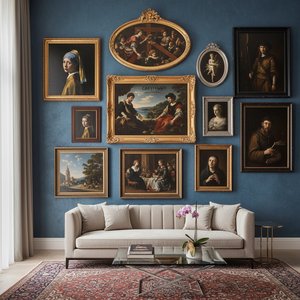
Baroque Painting's Greatest Hits: 10 Masterpieces for Your Home | OriginalUniqueArt
Journey through Baroque painting's glory! Explore 10 masterpieces by Caravaggio, Rembrandt & Vermeer. Discover dramatic lighting, rich colors & timeless stories. Find museum-quality art reproductions for your home at OriginalUniqueArt.com.