
 プレビュー
プレビュー
 プリントを購入
 シェアする
シェアする シェアする
シェアする
 詳細を見る
詳細を見る

 ダウンロード
 似ている作品
 X線調査
X線調査 スライドショー
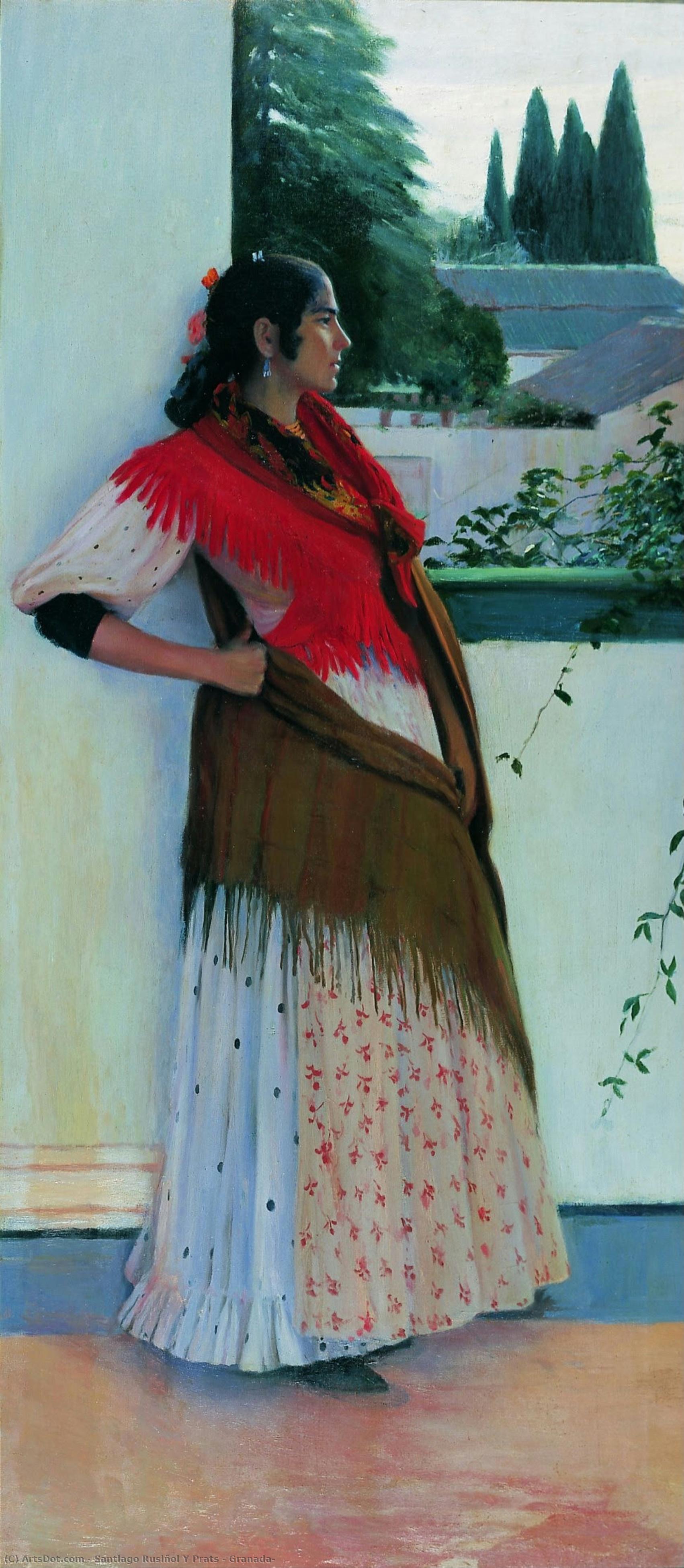
Granada
 Oil On Canvas
- WallArt
- Catalan Modernisme
 1895
1895 201.0 x 88.0 cm
 カウ・フェラット美術館
 詳細を見る
詳細を見る




P118B $10

P118H $10

P118W $10

P438Z $10

P508JH $12

P508YH $12

P805H $10

P805Z $10

P919BZ $10

P919G $10

P919XJ $10

P959ZH $10

P968JZ $12

W106C $8

W218G $10

W218JH $8

W218Y $10

W307PJ $10

W316G $10

W316PJ $8

W316Y $10

W398PJ $8

W4111J $10

W500HY $15

W500JH $15

W692G $12

W849H $8

W940BG $15

W953PJ $8




作品のオリジナル比率に合わせた、当店の規定サイズからお選びください。

特定のフレームやスペースに合わせて、ご希望のサイズをご入力いただけます。選択されたサイズが元の画像の比率と異なる場合、アートワークをトリミングするか、手描きで要素を追加して絵画を拡張いたします。デジタルモックアップ を制作し、制作開始前にご確認(承認)をいただきます。
画面上のプレビューは、実際のトリミングや拡張を正確に反映しているものではありません。最終的な構図は、モックアップによってのみ正確にご確認いただけます。
カスタムサイズもご利用いただけますが、元の比率を維持するためには、あらかじめ用意されたリストからサイズを選択することをお勧めいたします。
ご注文後、OriginalUniqueArt.com チームより詳細な指示をお送りするとともに、仕上がりイメージ(モックアップ)をご提供いたします。


 ガラスオプションは、110cm未満のサイズでのみご利用いただけます。

Granada
複製技法
複製画のサイズ
-


合計金額
$ 300
作品解説
A Portrait of Contemplation: Santiago Rusiñol’s “Granada”
Santiago Rusiñol’s “Granada,” painted in 1895, is more than just a portrait; it's a carefully constructed tableau of quiet observation and the burgeoning spirit of Catalan Modernisme. This intimate scene captures a woman – likely self-portraiture – lost in thought as she gazes out a window, her presence imbued with a serene melancholy that speaks to the anxieties and aspirations of late 19th-century Spain. Measuring 201 x 88 cm, the painting invites viewers into a private moment, offering a glimpse into the soul of one of its era’s most significant artists.
- Subject & Composition: The central figure dominates the canvas, her posture and expression conveying a deep sense of introspection. The composition is deliberately balanced, drawing attention to the woman's face while subtly incorporating the surrounding elements – the potted plants, the bench, and the distant view – as integral parts of her contemplative state.
- Style & Technique: Rusiñol’s style aligns perfectly with Catalan Modernisme, a movement characterized by its emphasis on realism, emotional intensity, and a deep connection to Catalan identity. His brushwork is loose yet controlled, creating a textured surface that adds depth and richness to the scene. The use of color is particularly noteworthy – warm earth tones dominate, punctuated by the vibrant red of the scarf, drawing the eye and intensifying the woman’s gaze.
Historical Context & Catalan Modernisme
“Granada” was created during a pivotal moment in Spanish history—the rise of Catalan nationalism and the burgeoning artistic movement known as Modernisme. Born in Barcelona in 1861, Santiago Rusiñol witnessed firsthand the social and political changes sweeping across Catalonia. This painting reflects this context through its focus on individual experience and emotional depth, hallmarks of Modernisme’s rejection of academic conventions. The inclusion of traditional Spanish clothing further anchors the work within its historical setting, subtly referencing a cultural heritage that was increasingly under threat.
- Catalan Identity: Rusiñol's work often explored themes related to Catalan identity and landscape, reflecting his deep connection to his homeland.
- Modernist Principles: The painting embodies key Modernist principles – a focus on emotional expression, the use of vibrant color, and an interest in exploring the relationship between art and nature.
Symbolism & Interpretation
Beyond its surface beauty, “Granada” is rich with symbolic meaning. The woman’s contemplative gaze suggests a yearning for something beyond her immediate surroundings – perhaps a reflection on the political turmoil of the time or a deeper exploration of her own identity. The potted plants, strategically placed in the foreground, could represent growth, resilience, and the enduring beauty of nature. The bench itself offers a space for quiet contemplation, reinforcing the painting’s overall theme of introspection.
- The Red Scarf: The vibrant red scarf is likely symbolic, perhaps representing passion, defiance, or even a connection to Catalan nationalism.
- The Window & View: The window and the distant view serve as a visual metaphor for the woman’s thoughts – an open space for reflection and imagination.
Emotional Impact & Artistic Value
“Granada” possesses a remarkable emotional resonance, inviting viewers to share in the woman's quiet contemplation. Rusiñol masterfully captures a fleeting moment of vulnerability and introspection, creating a work that is both timeless and deeply personal. As a significant example of Catalan Modernisme, this painting holds considerable artistic value and offers a compelling window into the life and vision of one of Spain’s most important artists. A hand-painted reproduction allows you to bring this evocative piece into your own space, fostering a sense of serenity and contemplation.
アーティストの略歴
カタルーニャ・モダニズムの先見者
サンティアゴ・ルシニョル・イ・プラッツは、単なる画家という枠に収まる存在ではありませんでした。彼は、その創造的な精神によってカタルーニャ・モダニズム運動に命を吹き込んだ、多才な自然の力そのものでした。1861年、バルセロナの裕福な繊維産業家の家庭に生まれたルシニョルは、経済的な豊かさと芸術への情熱という、稀有な二面性を備えていました。彼の家系はマンリューの勤勉な紡績工場に根ざしていましたが、その魂はキャンバスの儚い美しさ、詩、そして舞台の世界にありました。トマス・モラガスのもとでの初期の修行は、彼に写実主義の基礎を与えましたが、伝統的なスペイン美術の厳格な境界線では、彼の膨らみ続ける好奇心を抑え込むことはできませんでした。この心の彷徨は、やがて1889年のパリへの旅へと彼を導きます。ボヘミアンな熱気に満ちたパリでの滞在は、彼の筆致の軌跡を永遠に変えてしまうような、決定的な変革の時となったのです。
モンマルトルの活気あふれる、煙の立ち込めるカフェの中で、ルシニョルは次々と押し寄せる新しい思想の渦に身を投じました。ラモン・カサスやイグナシオ・ズロアガといった同時代の芸術家たちと共に、彼は印象派の光に満ちた技法と、象徴主義の夢幻的で示唆に富む深淵を吸収していきました。この時期は単なる様式の習得にとどまらず、精神的な目覚めの時でもありました。彼は厳格な再現から離れ、現実を記録するだけでなく、色彩と形態を用いて情緒を呼び起こすような、より雰囲気重視のアプローチへと移行し始めたのです。この形成期において、彼は風景の静かでしばしば憂鬱な本質や、人物の心理的な深みを捉える能力を養いました。この卓越した技術こそが、後に彼をヨーロッパの前衛芸術における中心的人物たらしめることになったのです。
光、庭園、そして魂のタペストリー
ルシニョルの作品群の広がりは驚異的であり、ジャンルの境界を越えた千を超える作品にわたります。彼は庭園画の巨匠であり、アール・ヌーヴォーの美学的理想を駆使して、まるで生命が呼吸しているかのような、静謐で瑞々しい環境を描き出しました。アルアンフエスの庭園などの作品では、鮮やかな色彩を穏やかなタペストリーのように織りなし、観る者を静寂の聖域へと誘う彼の技量を目にすることができます。彼の風景画にはしばしばロマン主義的な情熱が宿っており、地中海沿岸の移ろいゆぶ光を反映しながら、自然界に神秘性と深い感情を吹き込んでいます。
風景画のみならず、ルシニョルの肖像画は彼の心理的洞察力の永続的な証として存在しています。彼はモデルの瞑想的な情緒を捉える類まれな才能を持っており、しばしばそこに静かな内省の感覚を宿らせました。痛切な美しさを放つカーネーションを持つ少女であれ、より重厚なティラノ(サルバドール・ロベルトの肖像)であれ、彼の肖像画は人間の感情と社会的な機微を研究した結晶といえます。その多才さは文学や演劇の領域にまで及び、彼は絵具を操るのと同じほど巧みに言葉を紡ぎ出すことができました。まさに、彼が生きた時代にカタルーニャで起こった文化復興の真の設計者であったのです。
遺産と歴史的意義
サンティアゴ・ルシニョルの歴史的重要性は、スペインの国境を遥かに越えて広がっています。彼は、スペイン美術の伝統的なルーツと、20世紀の急進的な革新を結びつける重要な架け橋として機能しました。パリの芸術界における彼の存在感、そしてメンターや協力者としての役割は、近代の巨匠たちの発展において間接的でありながら深い影響を与えました。とりわけ、パブロ・ピカソの初期の芸術的軌跡に多大な影響を与えたことは特筆に値します。文化間の実験精神と相互作用を育むことで、ルシニョルはキュビスムとその後の劇的な変化のための土壌を整える手助けをしたのです。
カタルーニャの文化的アイデンティティに対する彼の献身は、シッチェスにあるカウ・フェラット美術館への情熱に最も象徴的に刻まれています。芸術を収集し保存することへの情熱の証であるこの美術館は、彼が定義したモダニズムの精神そのものの聖域として今もなお存在しています。若き日の産業的なルーツから、成熟期のボヘミアンな高みまで、彼の生涯を振り返るとき、私たちは単一の媒体や運動に縛られることを拒んだ一人の芸術家を見出すことになります。ルシニョルは美術史における輝かしい存在であり続け、その光と影を描く作品は、今もなお私たちを魅了し、心に刻まれ、インスピレーションを与え続けているのです。

サンティアゴ・ルシニョル・プラッツ
1861 - 1931 , スペイン
基本情報
- Artistic Movement Or Style: モダニスモ
- Artists Or Movements Influenced By This Artist: ['象徴主義']
- Artists Who Influenced This Artist:
- トマス・モラガス
- パブロ・ピカソ
- Date Of Birth: バルセロナ、スペイン (1861)
- Date Of Death: 1931
- Full Name: サンティアゴ・ルシニョル・イ・プラッツ
- Nationality: スペイン人
- Notable Artworks:
- アランフエス庭園
- ルーアン
- 人生の全景
- Place Of Birth: バルセロナ
関連記事
Giclée Prints: Archival Quality & Aesthetic Nuances for the Discerning Collector
Explore the world of giclée prints with OriginalUniqueArt. Learn about archival quality, aesthetic nuances & investment potential. Expert guidance for discerning art collectors seeking museum-quality reproductions and lasting value.

The Enduring Legacy of Fine Art Prints: Technique, History & Aesthetic Impact
Explore the rich history & techniques of fine art prints. Discover investment potential, assess authenticity, and learn how to preserve your collection with expert guidance. Trusted insights for discerning collectors.

Crimson Threads of Narrative: Exploring Symbolism & Representation in Artworks Featuring the Red Dress
Explore the rich symbolism of the red dress in art history! From ancient power displays to iconic portraits like Cézanne’s 'Madame Cezanne', discover the cultural and artistic significance behind this captivating color. Expert analysis & insights.

Echoes of Time: Exploring the Enduring Appeal & Historical Context of Vintage Art Prints
Explore the captivating world of vintage art prints! Discover their history, collecting tips & enduring appeal. Expert insights on chromolithography and building a legacy collection with OriginalUniqueArt.

Emilio Grau Sala: A Catalan Colorist Between Modernisme & Symbolism
Explore the vibrant world of Emilio Grau Sala, a leading Catalan colorist influenced by Parisian Modernisme & Symbolism. Discover his captivating paintings, artistic techniques, and lasting legacy with OriginalUniqueArt.

