設置イメージを確認
 送る
送る シェア
シェア
 詳細情報
詳細情報 ガイドを表示

 画像をダウンロード
 似ている作品
 X線調査
X線調査 スライドショー
 Q&A
Q&A 統計情報
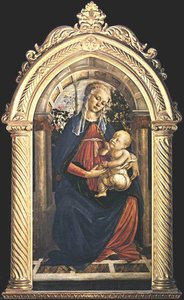
統計情報St John the Baptist
 Acrylic On Canvas
- WallArt
- Early Renaissance
 1480
1480 360.0 x 155.0 cm
 ウフィツィ美術館
 続きを読む
続きを読む
ジークレー/アートプリント
スピーディーな制作と多彩な仕上げオプションが魅力の、ミュージアムクオリティなジークレー・キャンバスプリント。 ( 手描きの複製画を注文する デジタル画像販売へ切り替え)




P118B ¥10

P118H ¥10

P118W ¥10

P438Z ¥10

P508JH ¥12

P508YH ¥12

P805H ¥10

P805Z ¥10

P919BZ ¥10

P919G ¥10

P919XJ ¥10

P959ZH ¥10

P968JZ ¥12

W106C ¥8

W218G ¥10

W218JH ¥8

W218Y ¥10

W307PJ ¥10

W316G ¥10

W316PJ ¥8

W316Y ¥10

W398PJ ¥8

W4111J ¥10

W500HY ¥15

W500JH ¥15

W692G ¥12

W849H ¥8

W940BG ¥15

W953PJ ¥8




作品のオリジナル比率に合わせた、当店の規定サイズからお選びください。

額縁や壁のスペースに合わせて、ご希望の幅と高さを入力してください。プリントはカットすることは可能ですが、元の画像より大きくすることはできないため、異なる比率のサイズを選択された場合は、画像の一部が欠けることになります。印刷を開始する前に、内容を確認していただくためのデジタルモックアップをお送りいたします。このページに表示されている画像は、実際のカット後の状態を示すものではありません。実際の仕上がりはモックアップにてご確認ください。


 ガラスオプションは、110cm未満のサイズでのみご利用いただけます。

St John the Baptist
ジークレー/アートプリント
複製画サイズ一覧
-


合計金額
¥ 12587
A Testament to Florentine Grace: Sandro Botticelli’s St John the Baptist
Botticelli's "St John the Baptist" stands as a quintessential emblem of the Early Renaissance, embodying its preoccupation with idealized beauty and spiritual contemplation. Painted around 1480 during Lorenzo de Medici’s reign—a period marked by artistic flourishing and humanist intellectualism—this monumental canvas transcends mere representation; it delves into profound symbolic layers that continue to resonate with viewers centuries later. The artwork's genesis lies in the workshop of Fra Filippo Lippi, Botticelli’s mentor, reflecting the collaborative spirit prevalent within Florentine art circles at the time.- Subject Matter: The painting depicts St John the Baptist, a pivotal figure in Christian iconography—the prophet who baptized Jesus Christ and heralded his divine mission. Botticelli skillfully captures John's serene countenance and contemplative posture, conveying an aura of profound piety and spiritual awareness.
- Style & Technique: Botticelli’s distinctive style is characterized by delicate lines, graceful curves, and a masterful use of color—primarily muted hues that evoke a sense of tranquility and ethereal beauty. The artist employed tempera paint on wood panel, a technique favored for its luminosity and ability to achieve subtle tonal variations.
- Historical Context: Produced amidst the humanist revival championed by figures like Pico della Mirandola, “St John” embodies the Renaissance fascination with classical ideals of proportion and harmony. Botticelli’s depiction aligns perfectly with the broader artistic trends of the era—a deliberate departure from Byzantine formalism towards a more humanistic aesthetic.
- Symbolism: The composition itself is laden with symbolic significance. St John's outstretched hand, holding a scroll bearing the Baptist’s name, symbolizes divine revelation and prophetic utterance. The rocky landscape beneath him represents solitude and ascetic contemplation—a visual metaphor for John’s spiritual journey toward baptism.
- Emotional Impact: Botticelli’s masterful rendering evokes feelings of serenity, reverence, and introspection. The painting's ethereal beauty captivates the eye while simultaneously prompting reflection on themes of faith, humility, and divine grace—a testament to Botticelli’s enduring artistic legacy.
Further Insights From Research
As evidenced by scholarly investigations like Flores; Daniela’s “Botticelli Drawings: Virgin and Child with Saint John the Baptist and Six Singing Angels,” Botticelli's meticulous attention to detail extended beyond mere visual representation—he meticulously studied anatomical proportions and drapery folds, mirroring the influence of classical sculpture. The referenced article from Cleveland Art Museum highlights the innovative use of the tondo format, a circular composition that demanded artistic ingenuity and balanced harmony.Authentic Reproduction Available
OriginalUniqueArt offers exceptional reproductions of Sandro Botticelli’s “St John the Baptist,” meticulously crafted to preserve the artwork's original vibrancy and textural nuances. Explore our gallery today and bring this iconic masterpiece into your home or workspace—a timeless symbol of Renaissance artistry and spiritual contemplation. Virgin and Child with Young St John the Baptist , The Virgin and Child With Two Angels And The Young St John The Baptist, The Madonna And Child With The Infant St. John The Baptistよくあるご質問
ボッティチェリ作「St John the Baptist」の全体的な雰囲気はどのようなものですか?
「St John the Baptist」は、Sereneな雰囲気を纏っています。
「St John the Baptist」は、ボッティチェリの通常の作風を代表するものと言えるでしょうか?
ボッティチェリの記録されたテーマであるreligious iconography, medici patronage, graceful composition, florentine style, botticelli legacyの中でも、「St John the Baptist」はflorence, botticelli, renaissance, saint john, mary, child, symbolismに独自の焦点を当てています。
「St John the Baptist」は、ボッティチェリのキャリアにおけるどの時期の作品でしょうか?
「St John the Baptist」は、ボッティチェリのEarly Renaissanceを象徴する作品です。
アーティストについて
サンドロ・ボッティチェリ:ルネサンスの詩人画家
1445年頃、フィレンツェで生まれたアレッサンドロ・ディ・マリアーノ・ディ・ヴァンニ・フィリペピ。後にサンドロ・ボッティチェリとして知られる彼は、初期ルネサンス期の最も重要な芸術家の一人であり、その作品は美と調和の象徴として、時代を超えて人々を魅了し続けています。彼の人生は、メディチ家の庇護のもと、フィレンツェという文化の中心地で展開され、芸術、哲学、文学が花開く時代を背景に、独自の芸術世界を築き上げました。
ボッティチェリの初期の教育については詳細は不明ですが、金細工師としての修行を経て、画家フィリッポ・リッピのもとで絵画技術を習得したことが知られています。リッピの影響を受けながらも、彼は独自のスタイルを確立し、アンтонио・デル・ポーライオーロやアンドレア・デル・ヴェロッキオといった同時代の巨匠からも影響を受けました。特に、彫刻的な人物描写と、繊細な線描が特徴的であり、彼の作品に独特の魅力を生み出しました。
ボッティチェリの芸術の特徴は、その優雅で詩情豊かな表現にあります。「ヴィーナスの誕生」や「春(プリマヴェーラ)」に見られるように、古典古代の神話や寓意を題材に取り入れながら、独自の解釈と美意識に基づいた作品を生み出しました。これらの作品は、単なる物語の描写ではなく、愛、美、そして精神的な高揚といった普遍的なテーマを探求するものであり、ルネサンス期の人文主義思想を体現するものとして高く評価されています。彼の描く人物たちは、洗練された衣装を身につけ、優雅なポーズをとっており、まるで生きているかのような生命力に満ち溢れています。
ボッティチェリの作品は、その繊細な色彩と線描によって特徴づけられます。彼は、テンペラ画という技法を多用し、鮮やかな色彩と緻密な描写を実現しました。また、彼の作品には、銀筆(シルバーポイント)による下絵が施されていることが多く、その繊細なタッチは、最終的な作品の完成度を高めています。特に「ヴィーナスの誕生」におけるヴェーヌス像の肌の表現や、「春」における人物たちの衣装の描写は、彼の卓越した技術力の証と言えるでしょう。
晩年と再評価
15世紀末には、ドミニコ会の修道士ジロラモ・サヴォナローラの布教活動の影響を受け、ボッティチェリの芸術にも変化が見られます。サヴォナローラは、当時のフィレンツェにおける奢侈や退廃を厳しく非難し、宗教的な清貧と禁欲を説きました。その結果、ボッティチェリもまた、自身の作品に宗教的なテーマを取り入れ、より内省的で精神的な表現へと傾倒していったのです。
しかし、彼の晩年の作品は、当時の世情に受け入れられず、忘れ去られてしまうという憂き目に遭いました。19世紀に入り、前ラファエロ派の画家たちがボッティチェリの作品を再評価し、その芸術的な価値を広く知らしめました。彼らの熱心な支持によって、ボッティチェリはルネサンス期の最も重要な芸術家の一人として、再び脚光を浴びることになったのです。
今日、ボッティチェリの作品は、世界中の美術館に所蔵されており、多くの人々を魅了し続けています。彼の作品は、ルネサンス期における美意識と精神性を象徴するものであり、芸術史において不朽の名声を確立しています。特に「ヴィーナスの誕生」や「春」は、西洋美術の金字塔として、その地位を不動のものとしているのです。
主要作品
- ヴィーナスの誕生 (La nascita di Venere)
- 春(プリマヴェーラ)(Primavera)
- マギの礼拝 (Adorazione dei Magi)
- 神秘の受胎告知 (Natività mistica)
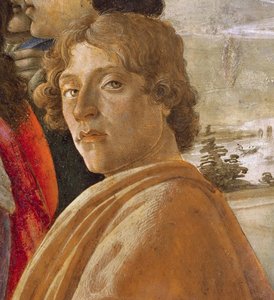
ボッティチェリ
1445 - 1510 , イタリア
アーティスト情報
- フルネーム: サンドロ・ボッティチェリ
- 主な作品:
- ヴィーナスの誕生
- 春の賛歌
- マギの礼拝
- 出生地: フィレンツェ(イタリア)
- 国籍: イタリア
- 影響を与えた芸術家または運動: ['プレラファエライト協会']
- 影響を受けたアーティスト:
- フラ・フィリッポ・リピ
- パオロ・ウッチョロ
- 死亡年月日: 1510年5月17日
- 生年月日: 1445年3月1日頃
- 芸術運動またはスタイル: 初期ルネサンス
関連記事

ジョン・シンガー・サージェント:至高の25選 - 美と光の肖像画の世界 | OriginalUniqueArt
ジョン・シンガー・サージェントの至高の25選。肖像画、写実主義、光と影の表現が美しい作品群を紐解きます。マダムXや少女の肖像など、時代を超えて愛される名作をOriginalUniqueArtで鑑賞。高品質なアート複製で、お部屋に美術館のような空間を。今すぐコレクションをご覧ください。
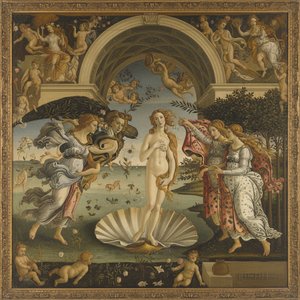
ボッティチェリの至宝25選:ルネサンス美術の華麗なる世界 | OriginalUniqueArt
ボッティチェリの至宝25選。ルネサンス美術を代表する「春」「ヴィーナスの誕生」など、名画の物語と芸術史を紐解きます。OriginalUniqueArtで高品質な複製画やインテリアアートを見つけ、お部屋に永遠の美を。今すぐコレクションをご覧ください。

ウフィツィ美術館の至宝25選:ルネサンス巨匠たちの傑作とアートデコレーション
ウフィツィ美術館の至宝25選:ボッティチェリ、レオナルド・ダ・ヴィンチ…ルネサンス巨匠たちの傑作と感動的な物語を紐解きます。高品質な絵画複製やアートプリントで、お部屋に名画の輝きを。OriginalUniqueArt.comで芸術の世界へ。

ジョン・コンスタブルの傑作25選:英国風景画の巨匠が描く自然と光の詩 | OriginalUniqueArt
ジョン・コンスタブルの傑作25選。英国風景画の巨匠が描く自然と光の詩の世界へ。ロマン主義を代表する絵画、デダム・ヴェールやヘイ・ウェインなど、OriginalUniqueArtで高品質なアートプリントをお楽しみください。インテリアに深みと感動を。コレクションはこちら。
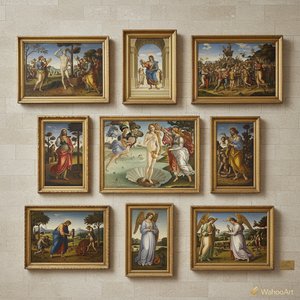
初期ルネサンス美術を彩る至宝:10選が示す革新と美の源泉
初期ルネサンス美術の革新を彩る10選。ボッティチェリ、ダ・ヴィンチの名作から、時代を超越する美と技術を紐解きます。壁掛けアートやインテリアにインスピレーションを。OriginalUniqueArt.comで至宝のコレクションをオンラインで発見しましょう!